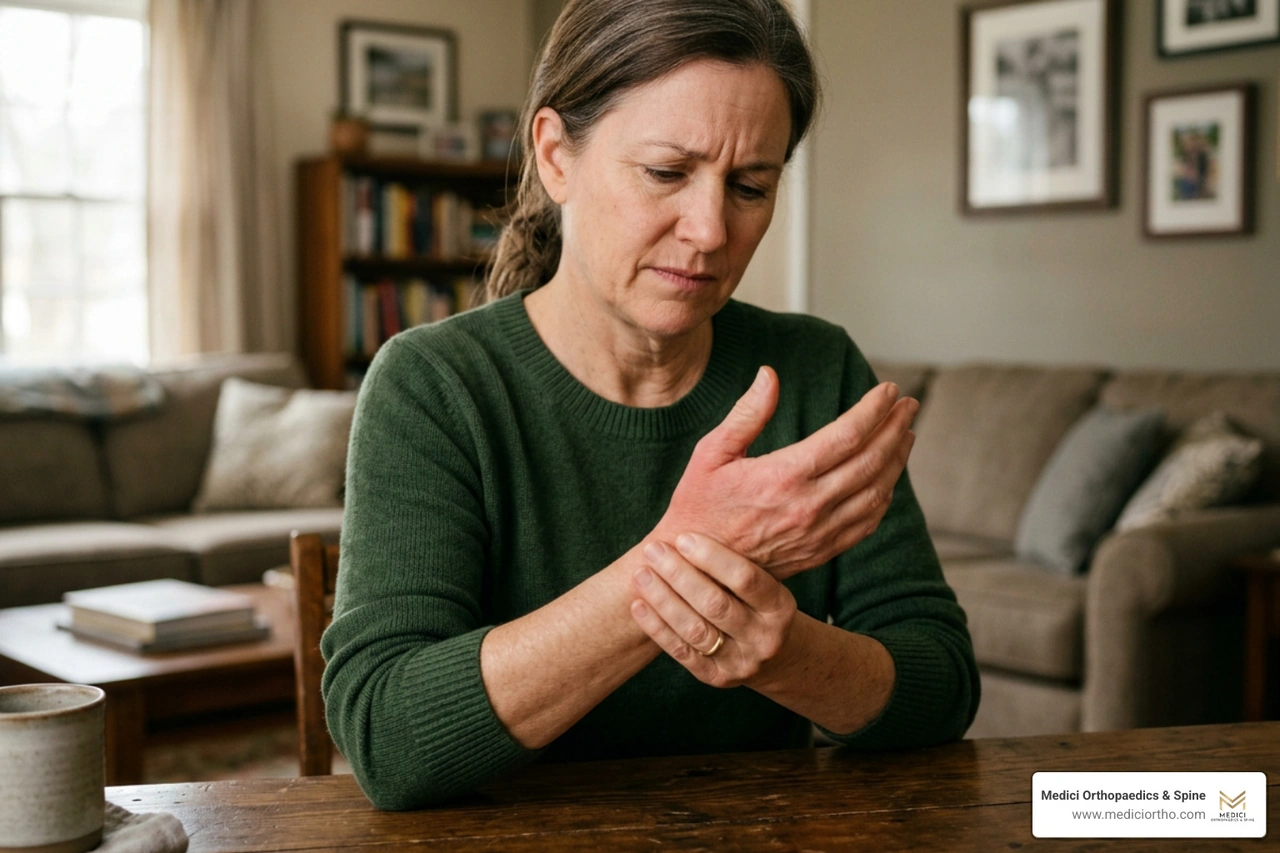
De Quervain functional recovery goes beyond simply getting rid of wrist pain — it means rebuilding the strength, range of motion, and daily usability of your hand after one of the most common tendon conditions affecting the thumb side of the wrist.
Quick answer: What does De Quervain functional recovery look like?
De Quervain's tenosynovitis affects the abductor pollicis longus and extensor pollicis brevis tendons, which run through a tight tunnel at the base of the thumb called the first extensor compartment. When that tunnel becomes inflamed and constricted, even simple tasks — gripping a coffee cup, lifting a child, turning a key — can become genuinely painful.
The good news? With the right treatment and rehabilitation plan, most people recover well. But how you recover — and how fast — depends heavily on the path you take and the effort you put into rehab.
I'm Dr. Sonny Dosanjh, M.D., board-certified in Physical Medicine & Rehabilitation and fellowship-trained in Multidisciplinary Pain Management at Emory University, and I've guided many patients through de Quervain functional recovery using personalized, minimally invasive approaches designed to restore real-world hand function. Let's walk through exactly what that recovery process looks like — step by step.
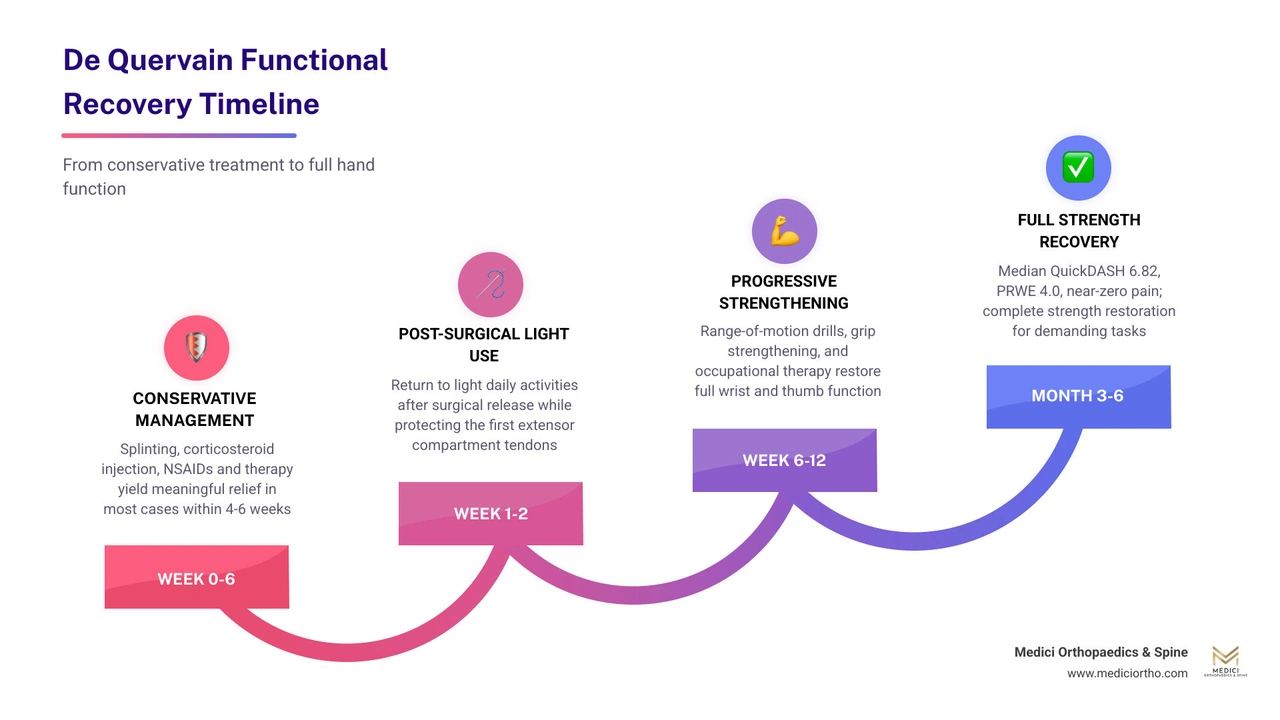
When you are dealing with sharp, burning pain at the base of your thumb, the most pressing question on your mind is usually, "When will this get better?" The answer depends on whether your treatment plan relies on conservative therapies or surgical release.
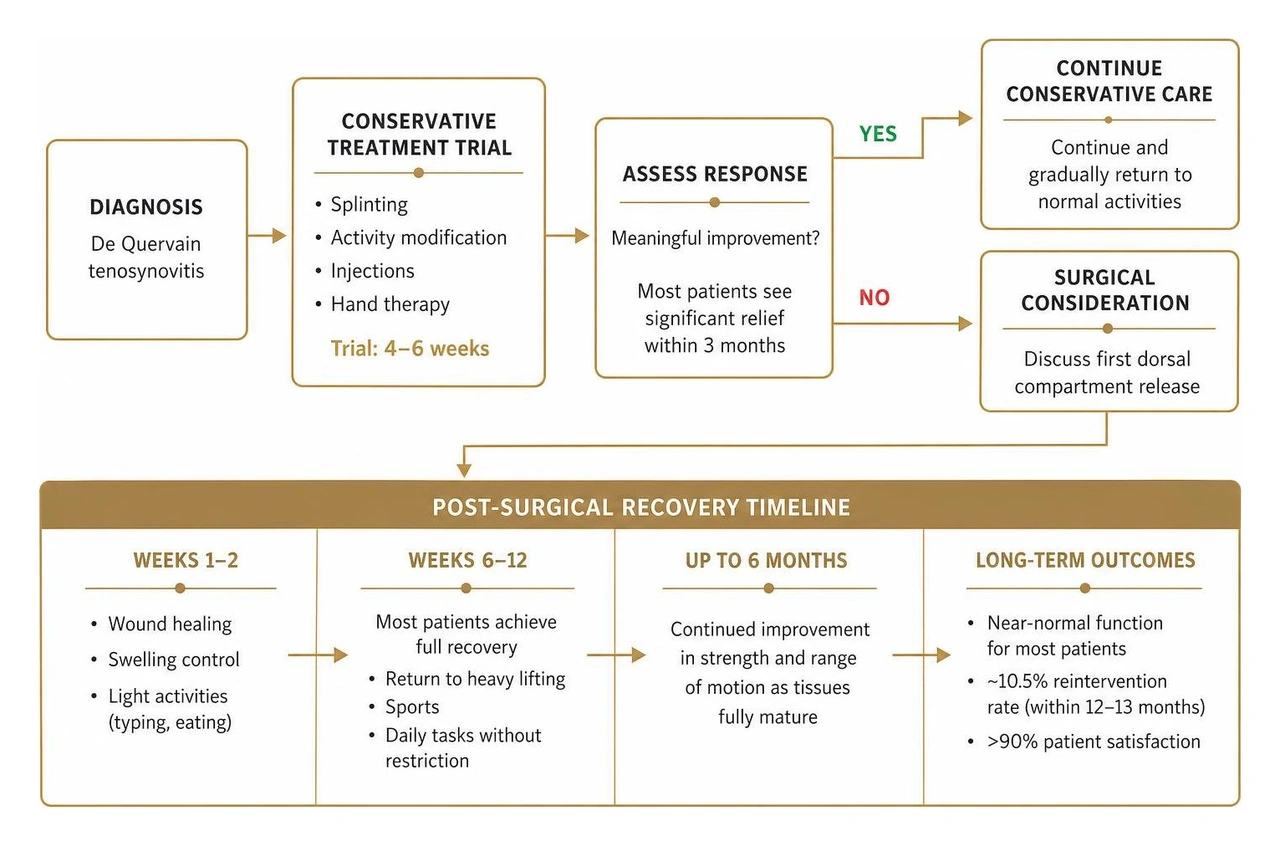
At Medici Orthopaedics & Spine, we always advocate for a stepwise approach. We typically recommend a conservative trial of 4 to 6 weeks. For many of our patients in the Metro Atlanta area, this conservative regimen — which includes custom splinting, activity modifications, and targeted hand therapy — resolves the issue. However, if symptoms persist, we may extend conservative management up to 3 months before discussing surgical options.
If conservative therapies do not provide lasting relief, a surgical first dorsal compartment release becomes the next logical step. Post-operative recovery is a gradual process of tissue healing and functional retraining:
| Recovery Phase | Conservative Treatment Timeline | Post-Surgical Treatment Timeline |
|---|---|---|
| Initial Relief | 1 to 2 weeks (especially after steroid injection) | 1 to 2 weeks (as surgical swelling decreases) |
| Light Activities | Continuous (with splint modification) | 1 to 2 weeks (non-impact tasks) |
| Significant Improvement | 4 to 6 weeks | 6 to 8 weeks |
| Full Functional Recovery | 3 months (if successful) | 6 to 12 weeks (up to 6 months for full strength) |
To achieve true de Quervain functional recovery, we must weigh the short-term benefits of non-surgical options against the long-term durability of surgical release.
Non-surgical care typically involves a combination of nonsteroidal anti-inflammatory drugs (NSAIDs), a rigid thumb spica splint worn consistently (even during sleep) to rest the tendons, and corticosteroid injections. Clinical studies show that steroid injections offer excellent short-term benefits, providing superior pain relief and functional improvements at the 1-month and 3-month marks compared to surgery. However, if the underlying tendon sheath remains severely fibrotic, these injections may wear off.
When conservative measures fail, surgical release is highly effective. The procedure involves opening the tight tendon sheath to give the abductor pollicis longus (APL) and extensor pollicis brevis (EPB) tendons room to glide freely. Surgeons can perform this via a traditional open release or a modern endoscopic-assisted release.
According to recent research on open vs endoscopic release, both techniques yield comparable long-term pain relief and functional scores. However, the endoscopic method, which utilizes a smaller incision, achieved a median grip strength recovery of 94% of the healthy side compared to 76% for the open release group. While this difference was not statistically significant, it highlights the potential benefits of minimally invasive approaches in accelerating strength recovery. For a deeper dive into the symptoms and clinical presentation of this condition, read our comprehensive guide on De Quervain's Tenosynovitis.
Recovery is never a one-size-fits-all journey. Your age, gender, occupation, and even hand dominance play a significant role in how your body responds to treatment.
A landmark study published in the Journal of Orthopaedic Case Reports evaluated how specific population characteristics influence functional outcomes:

Many patients assume that once the surgical incision heals, their recovery is complete. However, pain resolution is only the first step. True de Quervain functional recovery requires addressing the underlying muscle weakness, joint stiffness, and tendon tightness that developed while your hand was immobilized.
Working with a physical therapist or a Certified Hand Therapist (CHT) is invaluable. These specialists design targeted protocols to restore your range of motion, break up scar tissue, and rebuild your grip and pinch strength. To understand how structured rehabilitation benefits overall joint health, explore our resources on Physical Therapy for Joint Pain.
Rehabilitation exercises should always be introduced gradually. Start slowly, and if you feel sharp pain, back off immediately. Here are five core exercises frequently recommended to rebuild thumb and wrist function:
For older adults or those managing concurrent hand issues, integrating these movements with the best physical therapy exercises for seniors with joint stiffness can help maintain overall hand dexterity.
To prevent De Quervain's from returning, you must modify the daily habits that caused the inflammation in the first place.
If you are looking for personalized guidance on ergonomics and recovery, finding the right clinic is essential. Learn how to choose the best physical therapy clinic near you without the guesswork to ensure you partner with a provider who understands your unique goals.
While De Quervain's release surgery boasts a success rate of over 90%, it is still a surgical procedure, meaning complications can occur. Postoperative complication rates range from 0% to 12%.
The most common complications include:
According to a long-term clinical study on reintervention and PROMs following surgery for de Quervain's, approximately 10.5% of patients undergo a reintervention (such as a second surgery or a cortisone injection) at a median of 12.65 months post-op. Furthermore, at long-term follow-up, 23.7% of patients reported some degree of ongoing pain with thumb activities, and 26.9% noticed slightly decreased strength compared to their uninjured hand.
To objectively measure your de Quervain functional recovery, hand specialists utilize standardized questionnaires called Patient-Reported Outcome Measures (PROMs). These tools look beyond clinical exams to evaluate how you feel and function in your daily life.
At 1-year follow-up, the benchmark median scores for a successful recovery are highly encouraging:
Interestingly, research reveals that psychosocial factors and overall pain interference (measured by high baseline PROMIS PI scores) are strong independent predictors of post-operative satisfaction. Patients who experience high levels of stress, anxiety, or generalized chronic pain conditions elsewhere in the body may report worse functional scores, even when the surgical release itself was anatomically perfect. This highlights the importance of our holistic, patient-centered approach at Medici Orthopaedics & Spine, where we address both the physical and emotional aspects of recovery.
Most patients are able to return to light, daily activities (such as writing, eating, and light typing) within 1 to 2 weeks after surgery. However, achieving full functional recovery — which includes regaining your pre-injury grip strength, pinch power, and complete range of motion — typically takes 6 to 12 weeks. For those whose jobs or hobbies involve heavy manual labor or high-impact sports, complete tissue remodeling and strength restoration can continue to improve for up to 6 months.
The primary signs of treatment failure or recurrence include persistent, sharp pain at the base of the thumb, a catching or locking sensation when moving the thumb, and a positive Finkelstein test weeks or months after treatment. These issues are often caused by an incomplete surgical release, where a secondary compartment or a separate "aberrant" tendon (supernumerary tendon) was missed during the initial procedure. If you experience these symptoms, a thorough clinical evaluation is necessary to determine if a secondary intervention is required.
Yes, in many cases, a dedicated physical or occupational therapy program can successfully prevent the need for surgery. Structured therapy improves tendon mobility, reduces local inflammation, and strengthens the supporting muscles of the wrist and forearm, taking the pressure off the irritated APL and EPB tendons. For patients seeking non-surgical solutions, combining targeted hand therapy with custom splinting and ergonomic adjustments is highly effective. To explore how exercise supports overall joint health and mobility, read our guide on what exercises are best for people with arthritis.
Achieving complete de Quervain functional recovery requires a careful balance of expert medical care, structured rehabilitation, and patient dedication. Whether your road to recovery involves conservative therapies like custom splinting and physical therapy, or a minimally invasive surgical release, the ultimate goal is to return you to the activities you love without pain or limitation.
At Medici Orthopaedics & Spine, Dr. Sonny Dosanjh and our highly specialized team are committed to delivering integrated, patient-centered orthopedic care. We specialize in minimally invasive, non-surgical, and surgical treatments tailored to your lifestyle, helping you restore your quality of life using the most effective, least drug-dependent programs available today.
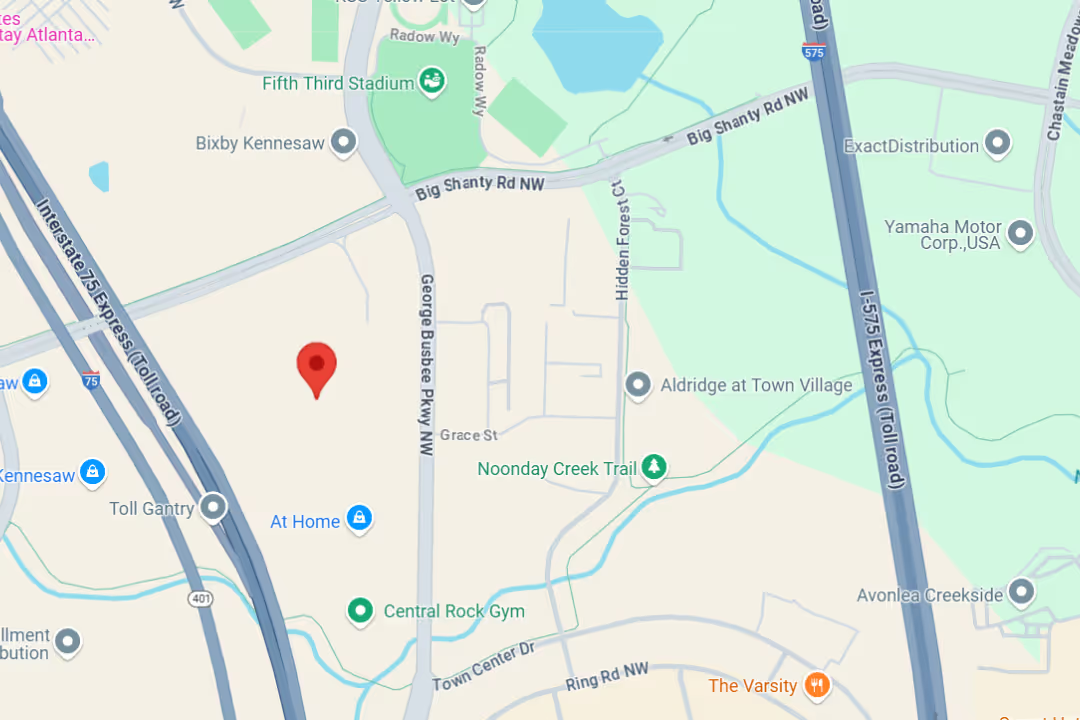
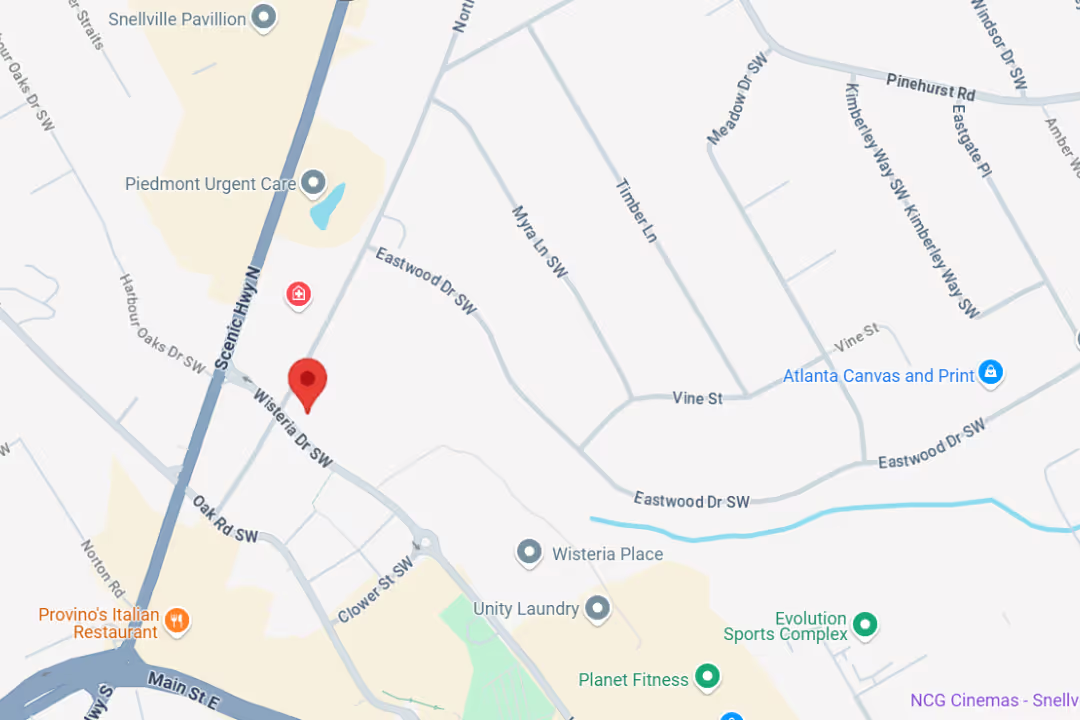
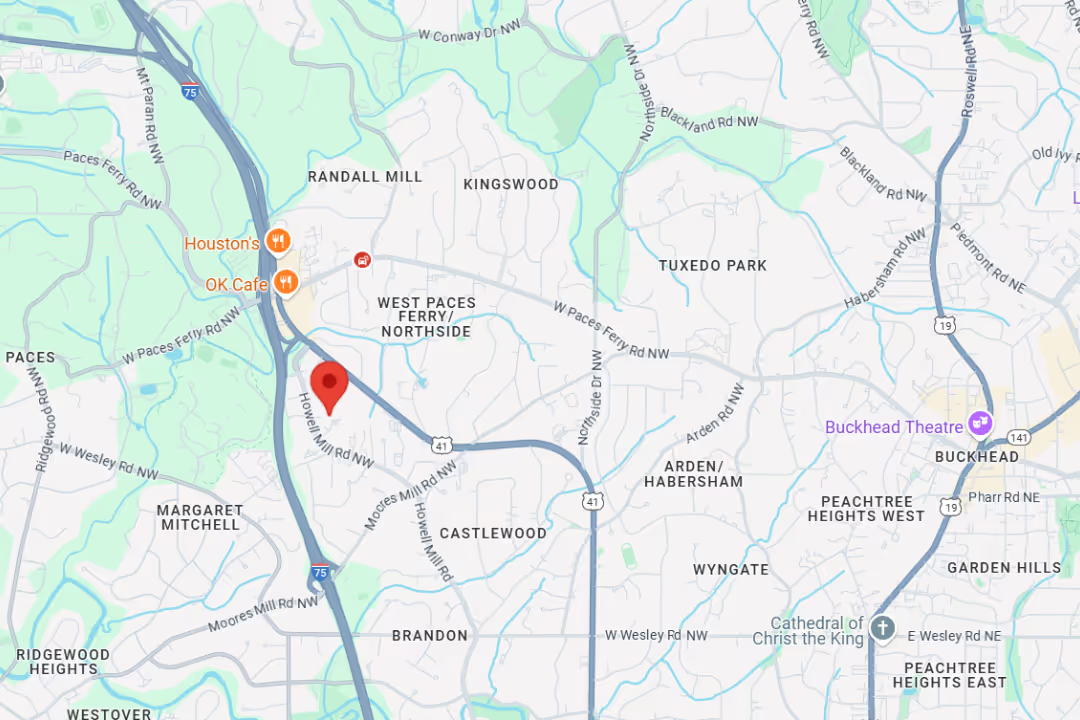
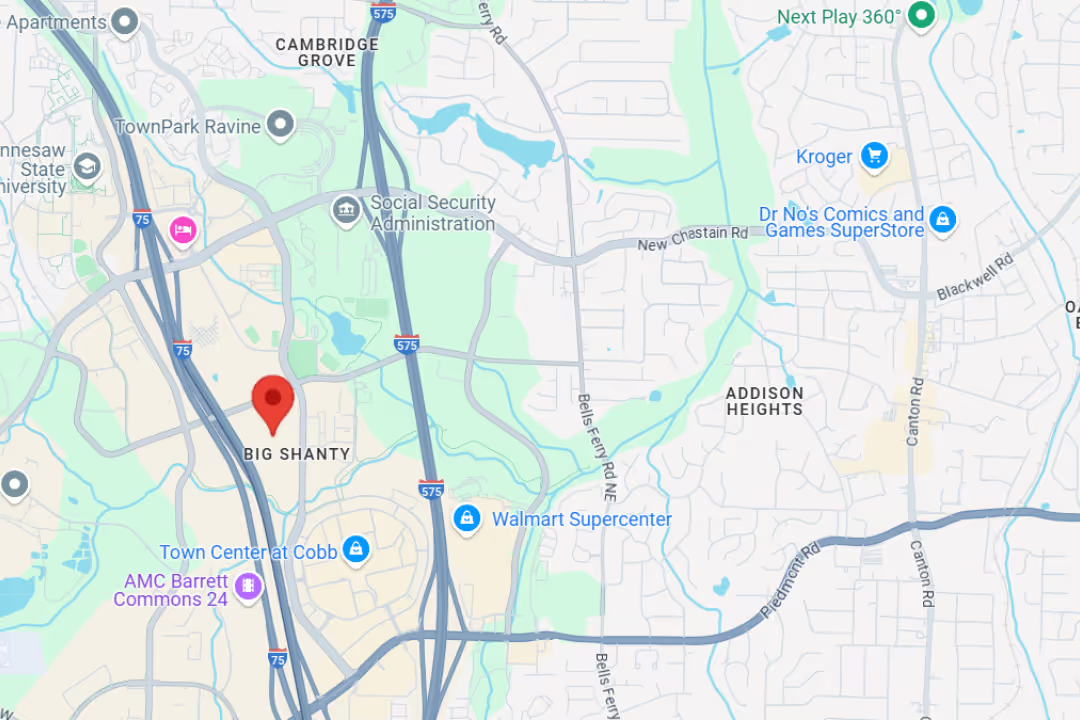
If you are experiencing persistent wrist pain and are ready to take the first step toward lasting relief, we invite you to visit us at one of our convenient Metro Atlanta locations in Marietta, Snellville, Kennesaw, or Buckhead (Atlanta).
Schedule a consultation for De Quervain's Tenosynovitis with our team today to start your journey back to pain-free function.
At Medici, you’re more than your MRI.
We take time to hear your story, understand your pain, and create a plan that actually works for you.

Our team delivers specialist care at convenient locations across Metro Atlanta:
Get expert tips on injury recovery, pain relief, joint health, and movement strategies—straight from our Fellowship-Trained team.