There are few things more unsettling than watching your child move through pain. Whether it's a sports injury that hasn't healed, a limp that keeps coming back, or a complaint about knee pain that you can't quite explain, that quiet worry in the back of your mind is telling you something. Most parents have been there, sitting with that question: is this serious enough to see a specialist?
The honest answer is that it's not always easy to tell. Children's bodies are growing and changing in ways that make musculoskeletal issues both more common and, in some cases, more consequential than they would be in an adult. Getting the right evaluation at the right time can make a real difference, and knowing where to turn is half the battle.
At Medici Orthopaedics & Spine, we care for patients at every stage of life, including children and teenagers dealing with orthopedic conditions that are affecting how they move, play, compete, and grow. Our approach is always to start with the least invasive, most effective option available, and that philosophy applies just as much to a 13-year-old athlete as it does to an adult recovering from surgery.
Growing bodies put unique stress on developing bones and joints, and several conditions are closely tied to the growth process itself. Some of the most common include:
Youth sports participation has grown significantly, and with it, the rate of sports-related orthopedic injuries in children and teens. Young athletes face some unique risks compared to adults:
Children's bones are more flexible than adult bones, which means they can sometimes bend or partially break in ways that don't show up the way a typical fracture would. A greenstick fracture, for example, involves the bone bending and cracking on one side without breaking all the way through. These can be easy to dismiss as a sprain without proper imaging.
Most fractures in healthy children heal relatively quickly, but some situations call for orthopedic follow-up beyond what an emergency room visit provides. If a fracture involves a joint, a growth plate, or requires realignment, an orthopedic evaluation ensures the bone heals correctly and function is fully restored.
Some orthopedic conditions are present at birth or become apparent early in a child's development. These include:
Parents often want a clear line between "normal growing pains" and "time to see someone." While every child is different, these are signals worth taking seriously:
The vast majority of pediatric orthopedic conditions can be managed without surgery, and that's always our starting point at Medici. Conservative care options include:
Surgery is never the first option, but there are situations where it becomes the right one. A fracture that cannot be properly aligned with casting, a severe spinal curve that continues to progress despite bracing, a ligament tear in an adolescent athlete who needs full function restored — these are cases where surgical intervention offers the best long-term outcome.
When surgery is needed, minimally invasive approaches are preferred whenever possible. Smaller incisions, less disruption to surrounding tissue, and faster recovery times make a meaningful difference for young patients who want to return to the activities they love. The goal is always to restore function fully and set your child up for a healthy, active future.
There is something clarifying about finally having an answer. When a child has been dealing with pain for weeks and you have been searching for explanations, getting a thorough evaluation and a clear plan forward changes everything. The uncertainty lifts. You know what you are dealing with, and you know what to do next.
That is what we aim to provide at Medici Orthopaedics & Spine. We know that children are not just patients; they are kids with games to play, sports seasons ahead of them, and a whole lot of growing left to do. Our approach is built around getting them back to full function using the most effective, least invasive options available, and making sure both the child and the parent understand every step of the way.
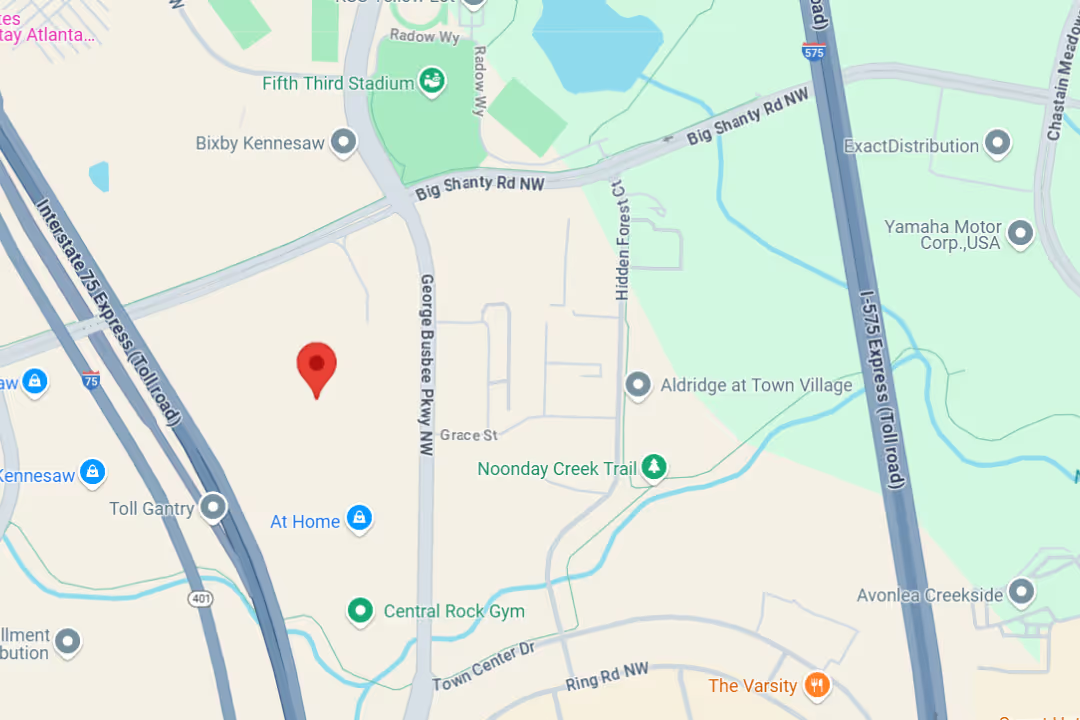
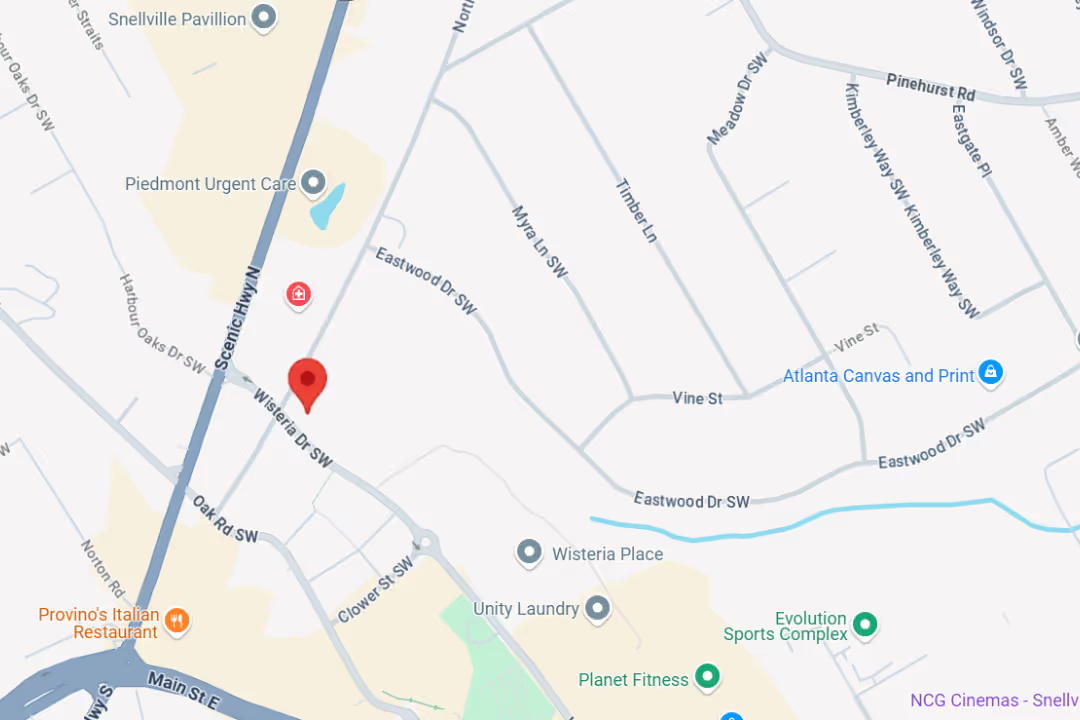
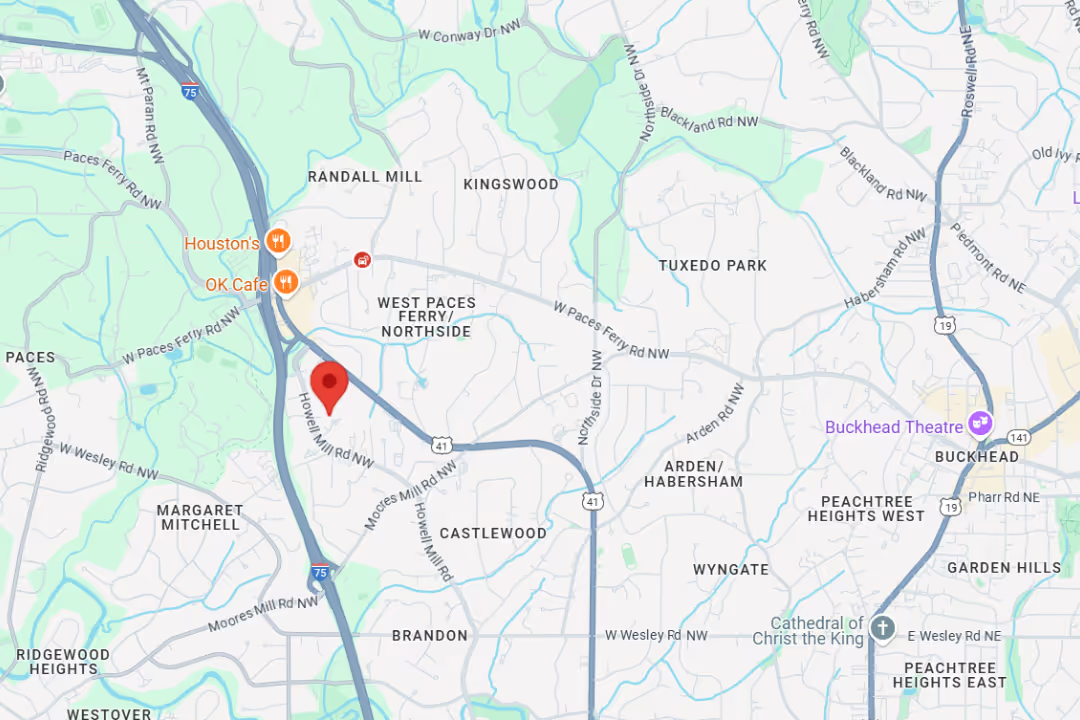
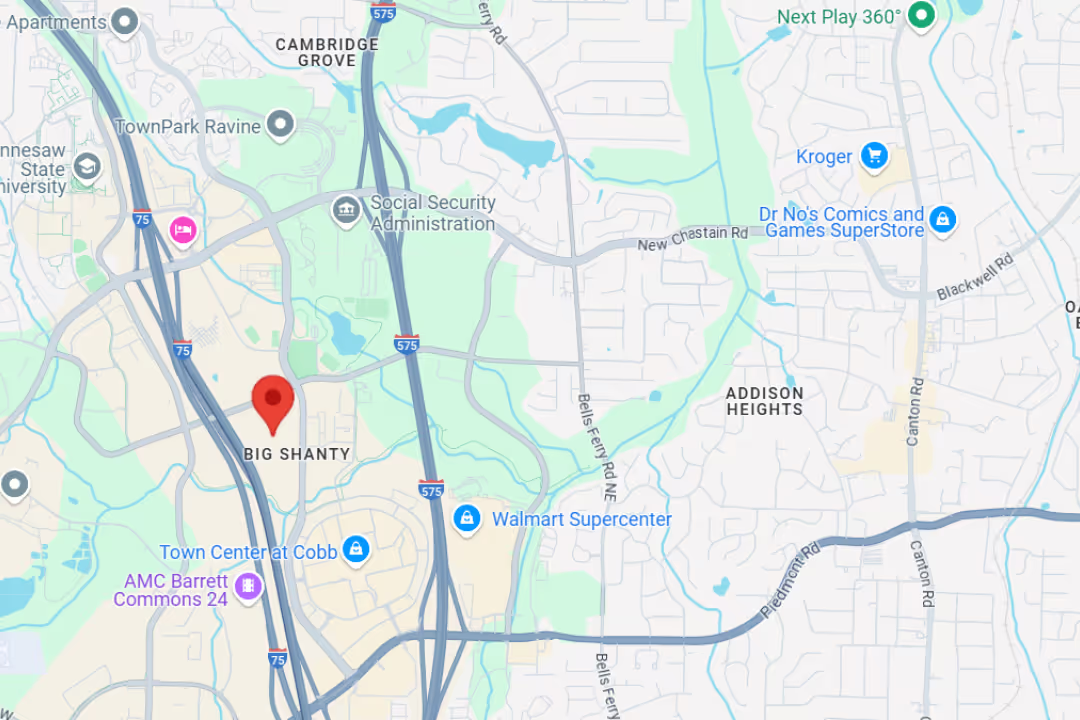
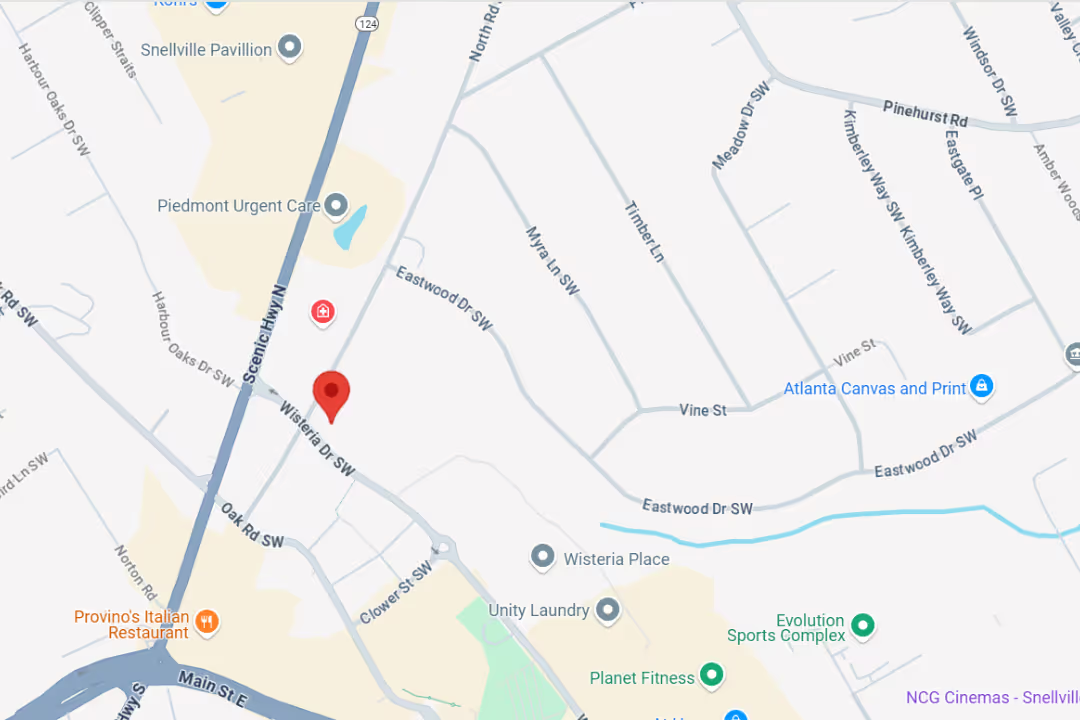
Getting answers starts with a single appointment. Our team at Medici Orthopaedics & Spine is ready to evaluate your child's condition, walk you through your options, and build a care plan that puts their long-term health and function first. We accept Medicare and many insurance plans, and our clinics are conveniently located throughout the Atlanta area.
Explore our library of patient support guides covering the conditions we treat, the treatments we offer, and the questions we hear most. Each one is written to help you understand your options and feel confident about your next step. Browse the topics below to learn more, or reach out to our team anytime.

At Medici, you’re more than your MRI.
We take time to hear your story, understand your pain, and create a plan that actually works for you.
Our team delivers specialist care at convenient locations across Metro Atlanta:
Get expert tips on injury recovery, pain relief, joint health, and movement strategies—straight from our Fellowship-Trained team.