Knee pain rarely shows up as one dramatic moment. It creeps in after a run, lingers after a long day on your feet, or announces itself as stiffness when you climb the stairs. Most people wait far longer than they should before typing "orthopedic surgeon near me knee" into a search bar, often assuming that step automatically leads to surgery.
That assumption keeps people in pain longer than necessary. Finding the right knee specialist close to home matters just as much as finding the right treatment plan. At Medici Orthopaedics & Spine, we look at knee pain from every angle, and surgery is only one option among many. We believe in starting with the least invasive, least drug-dependent approach that gets you back to moving comfortably.
Knee pain can stem from a wide range of causes, including:
Not all knee pain develops the same way. Acute injuries usually happen suddenly, often during sports, a fall, or an awkward twist. Degenerative conditions build slowly over months or years, frequently tied to age, weight, or repetitive stress. Knowing which category your pain falls into helps guide the right treatment from the start.
Sometimes knee pain is a symptom of a larger issue rather than an isolated problem. Hip misalignment, spine conditions, or systemic issues like rheumatoid arthritis can all show up as knee discomfort. This is one reason a thorough evaluation matters more than guessing based on symptoms alone.
Knee treatment is rarely a single visit. Between imaging, injections, physical therapy, and follow-up exams, patients often need multiple appointments over several weeks or months. Choosing a practice close to home makes it far easier to stay on track with that plan.
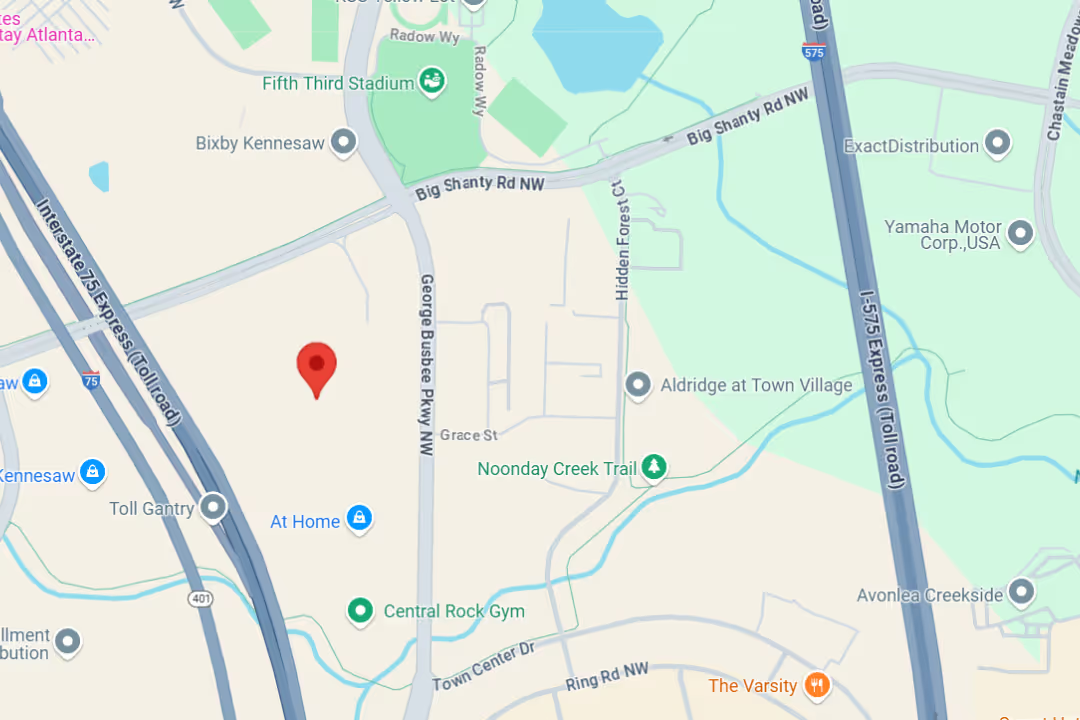
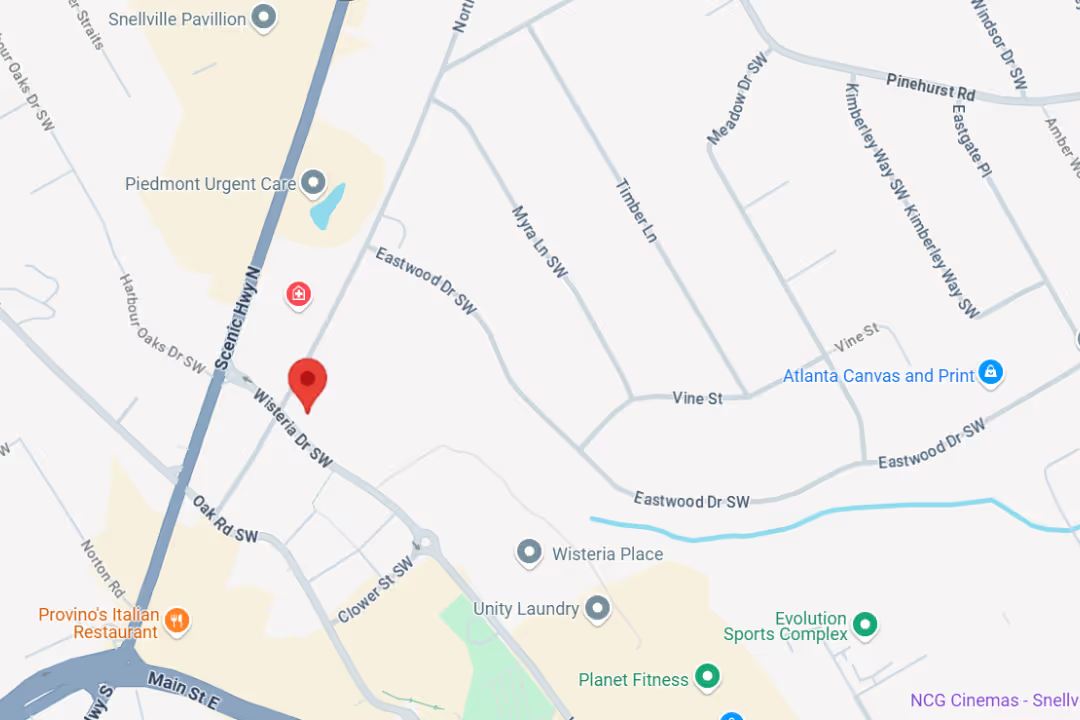
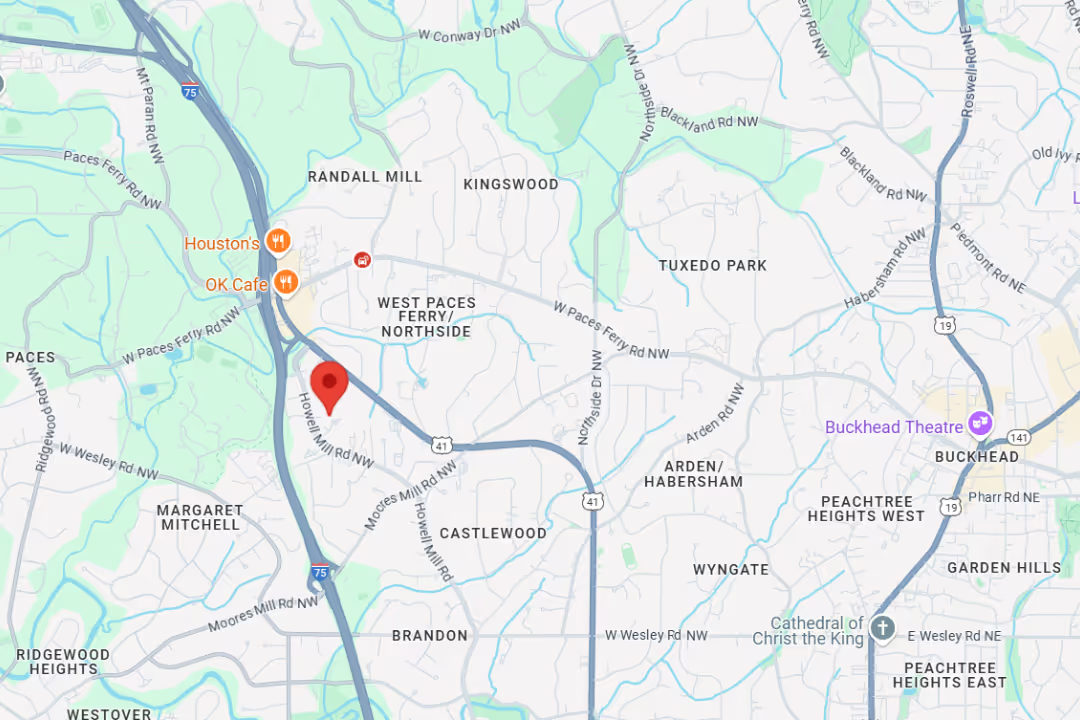
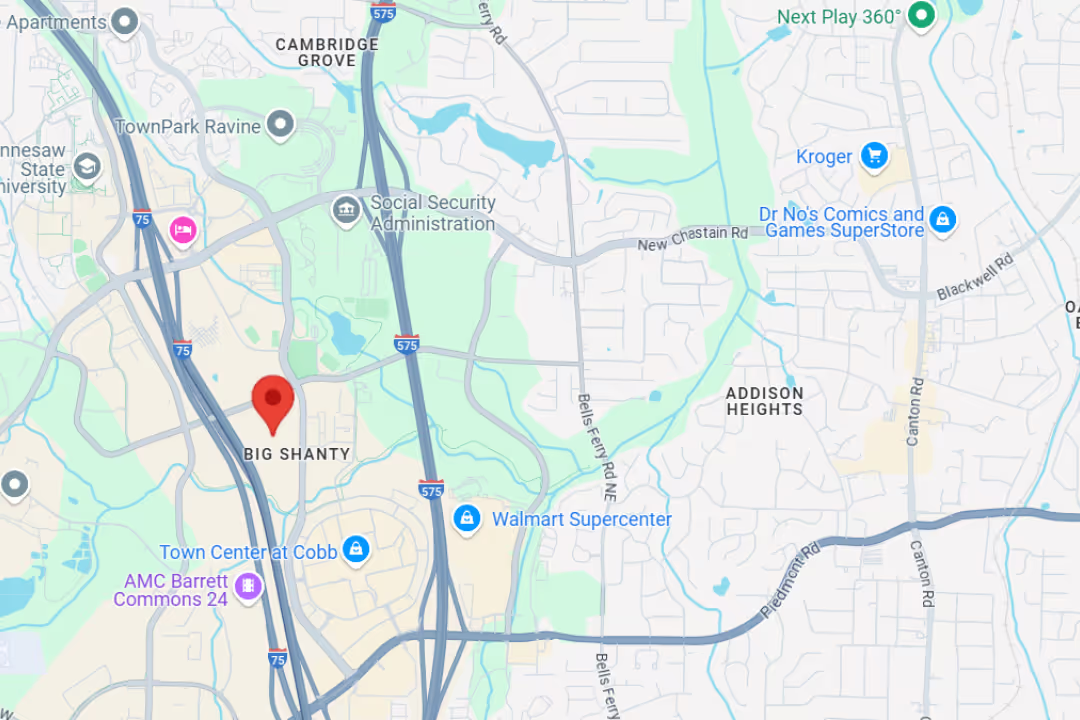
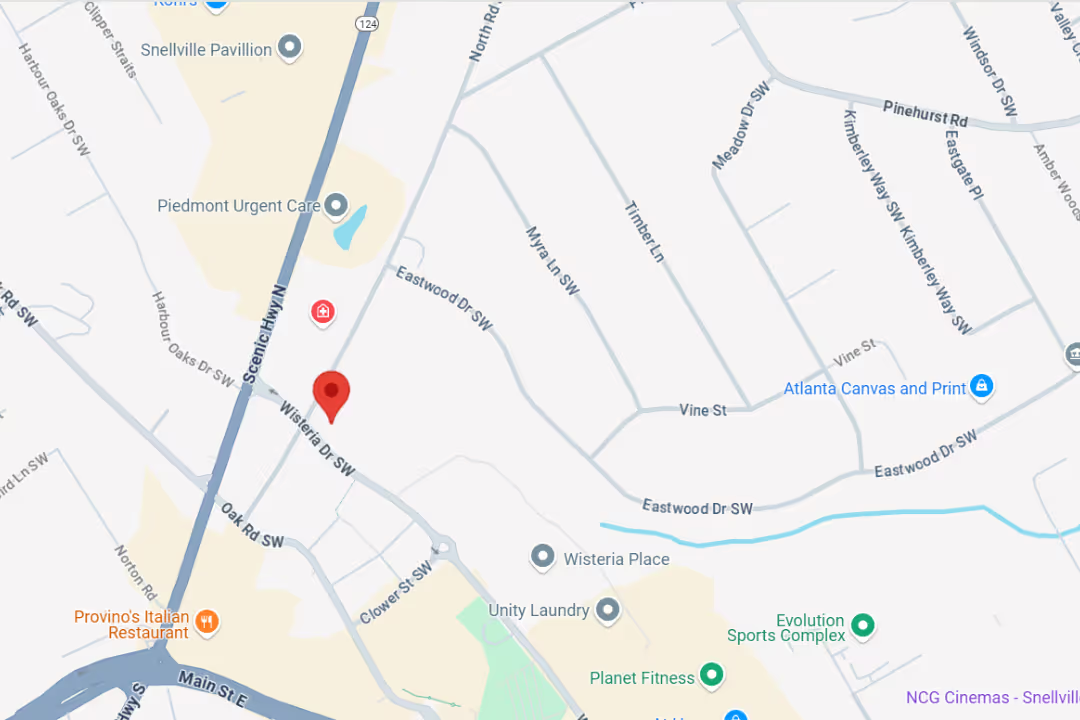
Some knee conditions require same-day imaging or a quick injection to manage inflammation. A practice with multiple Atlanta-area locations, like our Kennesaw, Snellville, Buckhead, and Marietta offices, means you're never far from the care you need.
Knee injuries from car accidents or workplace incidents come with their own paperwork and process. A local practice experienced in workers' compensation and personal injury cases can help you navigate that process while keeping your recovery front and center.
If knee pain is changing how you walk, climb stairs, or get up from a chair, that's a signal worth paying attention to. Compensating for pain often leads to problems elsewhere in the body, including the hips and lower back.
Persistent swelling, a knee that catches or locks, or a feeling that your knee might give out are not things to ignore. These symptoms often point to structural issues inside the joint that need a professional evaluation.
Rest, ice, and over-the-counter medication work for minor strains. When pain lingers past a couple of weeks despite these efforts, it's time to bring in an orthopedic specialist. Waiting longer rarely makes the underlying issue disappear on its own.
We start by watching how your knee moves and where it hurts. This includes range of motion testing, checking for swelling, and identifying areas of tenderness. This hands-on assessment often reveals more than patients expect.
Depending on your symptoms, we may recommend X-rays, MRI, or ultrasound imaging. These tools help us see what's happening beneath the surface, whether that's cartilage wear, a ligament tear, or fluid buildup.
Once we understand what's driving your pain, we build a plan around your specific goals. An active 35 year old runner and a 68 year old grandparent managing arthritis need very different approaches, even with similar symptoms. Our recommendations always reflect your lifestyle, not a one size fits all protocol.
Targeted physical therapy strengthens the muscles supporting your knee and improves overall joint mechanics. This is frequently the foundation of any successful non-surgical treatment plan. It also helps prevent future injuries by correcting movement patterns that put stress on the joint.
Regenerative treatments like platelet-rich plasma and prolotherapy use your body's own healing response to repair damaged tissue. These options can reduce pain and improve function without surgical intervention for many patients. Results vary depending on the condition and its severity.
Corticosteroid or hyaluronic acid injections can reduce inflammation and provide meaningful relief. These are often used alongside physical therapy for a more complete approach. They can also help patients delay or avoid surgery altogether.
Sometimes the simplest adjustments make the biggest difference. A properly fitted brace or a few changes to activity level can relieve pressure on an irritated joint. These strategies are often combined with other treatments rather than used alone.
Advances in orthopedic surgery mean many procedures now require smaller incisions and shorter recovery times than in years past. Arthroscopic surgery, for example, can address many meniscus tears and ligament repairs without a large surgical opening. This often means less pain and a faster return to daily activities.
For patients with advanced arthritis or joint damage, robotic assisted and quad sparing knee replacement techniques offer more precision and less muscle disruption. These approaches are designed to protect surrounding tissue as much as possible. That precision often translates to a smoother recovery process.
Recovery timelines vary based on the procedure and the patient's overall health. Many patients begin walking with assistance within a day or two of surgery. Full recovery, including strength and range of motion, typically continues over several weeks to a few months with consistent physical therapy.
Do I Need a Referral to See an Orthopedic Surgeon?
In many cases, no referral is needed to schedule a consultation with our team. However, requirements can vary depending on your specific insurance plan. Our staff can help verify what your plan requires before your visit.
Will My Insurance Cover a Knee Evaluation?
We accept Medicare and many other insurance plans. Coverage details depend on your specific policy and the treatments recommended. Our team can help you understand your benefits ahead of your appointment.
How Do I Know if It's Arthritis or an Injury?
Arthritis pain tends to build gradually and often worsens with activity or weather changes. Injury related pain usually has a clearer starting point, like a fall or a sudden twist. An evaluation with imaging is the most reliable way to know for certain.
Knee pain doesn't have to be something you simply manage or accept as part of getting older or staying active. With the right evaluation and a treatment plan built around your specific needs, many patients find relief they didn't think was possible. The path forward often looks different than people expect, and that's usually a good thing.
Having a trusted orthopedic team close to home makes that path easier to follow. It means fewer barriers between you and consistent care, and more confidence in the plan you're following. Your knees carry you through daily life, and they deserve care that takes your whole story into account.
You don't have to figure out your next step alone. Our team at Medici Orthopaedics & Spine is ready to help you find relief and get back to moving with confidence.
Locations:
Explore our library of patient support guides covering the conditions we treat, the treatments we offer, and the questions we hear most. Each one is written to help you understand your options and feel confident about your next step. Browse the topics below to learn more, or reach out to our team anytime.

At Medici, you’re more than your MRI.
We take time to hear your story, understand your pain, and create a plan that actually works for you.

Our team delivers specialist care at convenient locations across Metro Atlanta:
Get expert tips on injury recovery, pain relief, joint health, and movement strategies—straight from our Fellowship-Trained team.