There is a specific kind of moment that brings most people to search for knee replacement near them. It might be standing at the bottom of a staircase, quietly dreading the climb. It might be turning down a walk with a spouse or grandchild because the ache simply is not worth it anymore. These moments accumulate quietly until one day, the decision to do something about it feels less like a choice and more like a relief.
When people search for care close to home, they are usually looking for more than convenience. They want a team they can trust, one that understands both the science of joint replacement and the day to day reality of living with knee pain. At Medici Orthopaedics & Spine, we built our approach around a simple idea. Care should be as effective as possible while being as minimally invasive as medically appropriate.
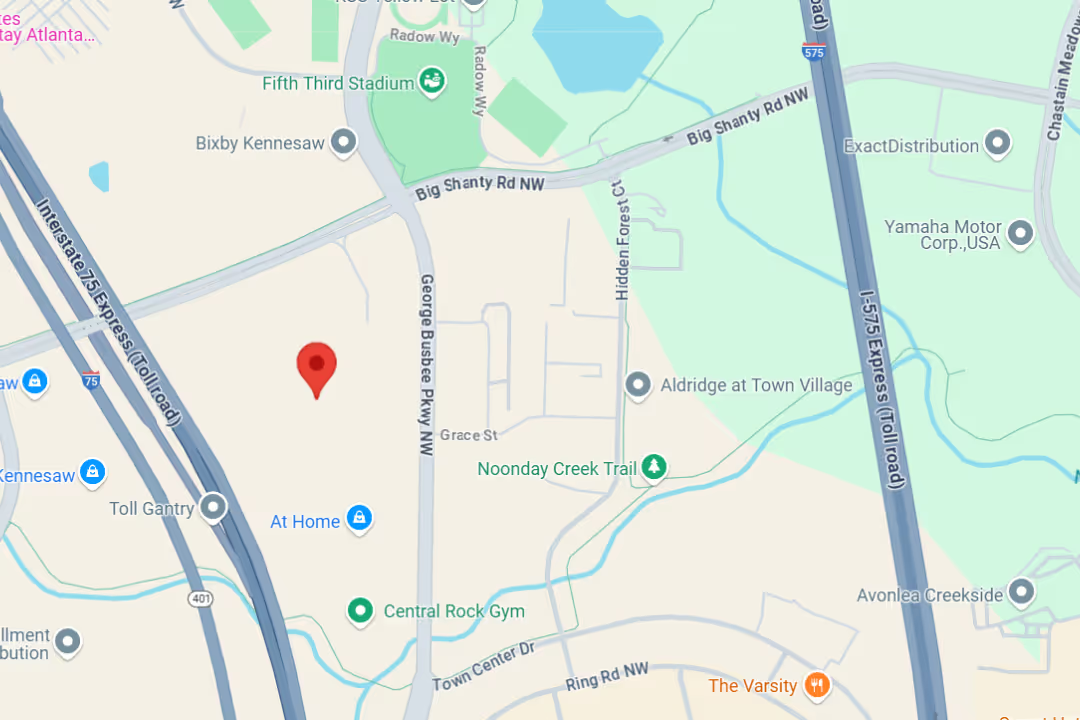
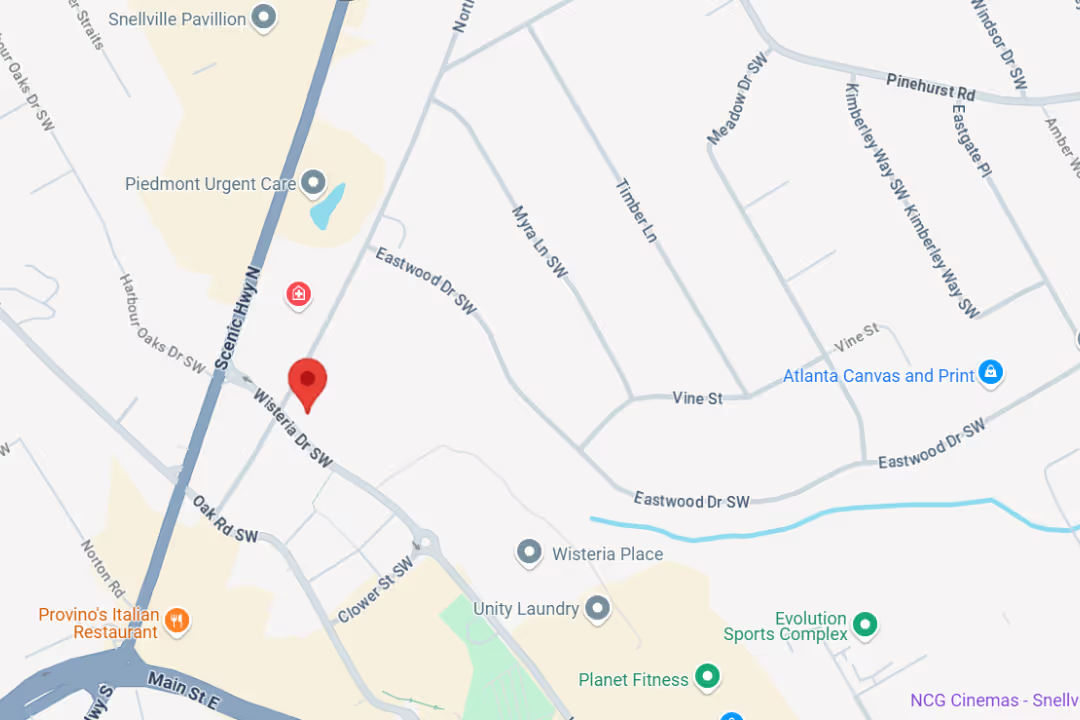
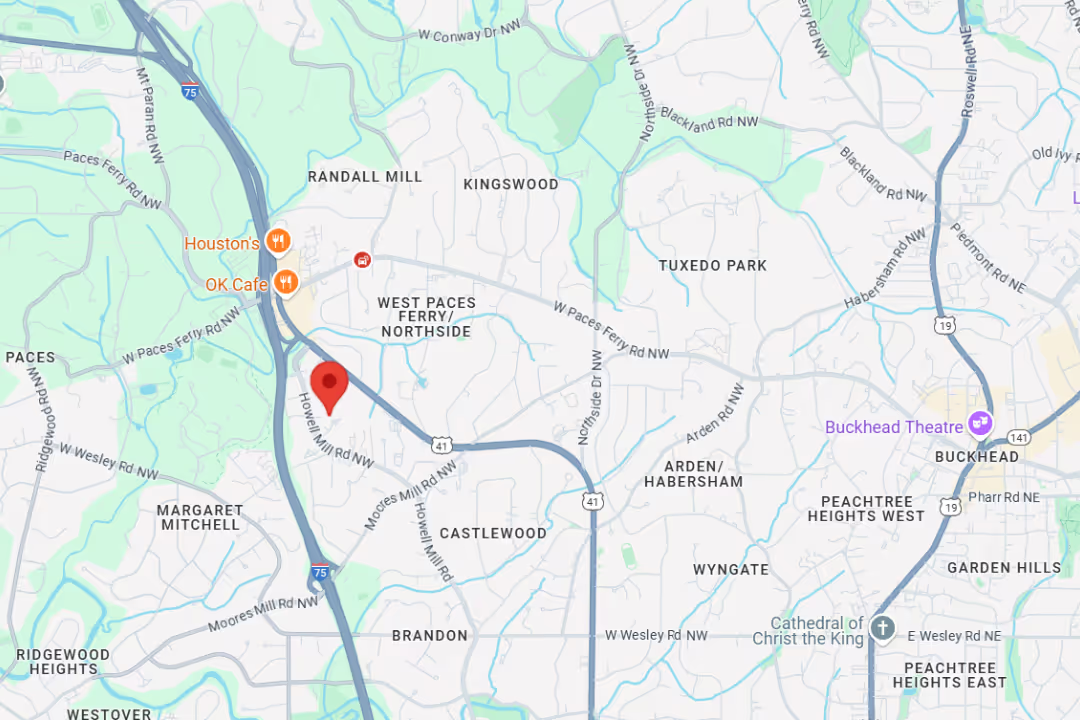
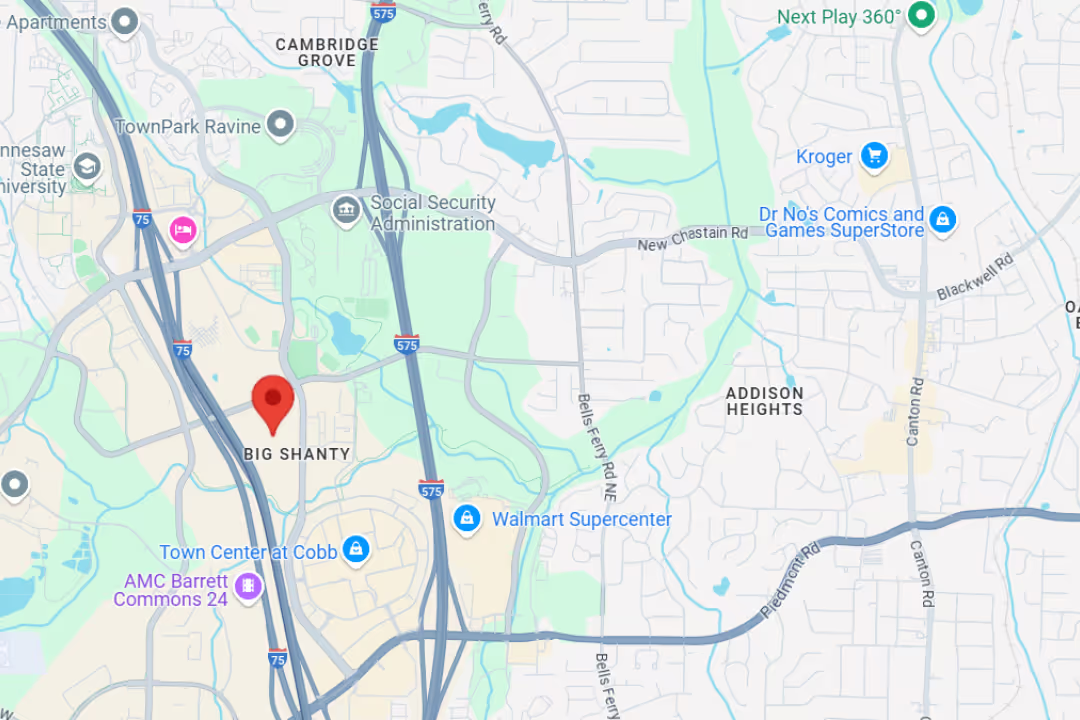
That philosophy shapes everything from how we evaluate a new patient to the surgical techniques we choose. We treat patients across Kennesaw, Marietta, Snellville, and Buckhead, and we bring the same conservative first mindset to every location. Knee replacement is a significant decision, and we want you to feel informed and supported before you ever step into an operating room.
Traditional knee replacement typically involves an incision of eight to ten inches. Minimally invasive techniques can reduce that to four to six inches in many cases. Surgeons also work around the muscle rather than through it whenever possible. This distinction matters more than the incision length alone. Reduced muscle disruption often translates into less post-operative pain and a faster path back to normal movement.
The implants used in minimally invasive surgery are often the same high-quality components used in traditional procedures. What changes is the surgical technique and the instruments used to access the joint. Surgeons rely on specialized tools designed for smaller working spaces. In some cases, robotic assistance provides real-time guidance that increases precision even through a smaller incision.
Chronic knee pain that interferes with walking, climbing stairs, or getting in and out of a car is a meaningful signal. Many patients describe modifying their entire daily routine around their knee. When pain starts dictating your schedule instead of the other way around, it is worth having an evaluation.
We always begin with the least invasive options available, including physical therapy, anti-inflammatory medication, and injections. Some patients find lasting relief through these methods. Others notice the relief becomes shorter lived with each treatment. When conservative care no longer provides meaningful improvement, surgical options become a more reasonable next step.
Knee replacement candidates span a wide age range, and there is no single "right age" for surgery. What matters more is the extent of joint damage, your activity goals, and how much pain affects your quality of life. We evaluate each of these factors individually rather than relying on age alone.
Robotic assistance has become one of the more significant advances in joint replacement over the past decade. During surgery, the system provides the surgeon with detailed, real-time data about the knee's alignment and positioning. This allows for highly precise implant placement, which can improve how the joint feels and functions after healing.
The quadriceps muscle plays a central role in knee movement and stability. Traditional surgery often requires cutting through part of this muscle to access the joint. A quad-sparing approach works around the muscle instead, which many patients find leads to less pain in the early recovery period and a quicker return to walking without assistance.
This technique approaches the knee joint from the side of the leg rather than straight through the front. By working around rather than through key muscle groups, it can reduce swelling and support a smoother early recovery. It is often well suited to patients with specific anatomical considerations that make it the more appropriate choice.
Because these techniques reduce damage to the muscles and soft tissue around the joint, many patients experience less pain in the days immediately following surgery. This can also reduce reliance on stronger pain medications during recovery, which aligns with our broader commitment to less drug-dependent care.
Many patients undergoing minimally invasive knee replacement go home the same day or within a day of surgery. Reduced tissue trauma often supports earlier mobility, which is a key factor in overall recovery speed. Every patient heals differently, but shorter hospital stays are a common benefit associated with these techniques.
Precision matters in joint replacement, and techniques like robotic assistance are designed to support accurate implant alignment. Well-aligned implants tend to function more naturally and may reduce wear over time. The result for many patients is a joint that feels more like their own.
Your first visit includes a thorough discussion of your symptoms, medical history, and daily activity level. We may use imaging, such as X-rays, to assess the extent of joint damage. This is also the point where we discuss whether conservative treatments should be tried first or whether surgical evaluation makes sense now.
On the day of surgery, our team walks you through each step so nothing feels unfamiliar. Most minimally invasive procedures take one to two hours. Patients are typically encouraged to begin gentle movement within hours of surgery, which supports circulation and reduces stiffness.
Physical therapy typically begins within a day or two of surgery and continues for several weeks afterward. This structured rehabilitation plays a major role in regaining strength and range of motion. Most patients return to normal daily activities within four to six weeks, with continued improvement over the following months.
Frequent follow-up visits are a normal part of recovery, particularly in the weeks immediately after surgery. Having a clinic nearby makes it easier to attend physical therapy, address concerns quickly, and stay on track with your recovery plan. Distance should never be a barrier to consistent care.
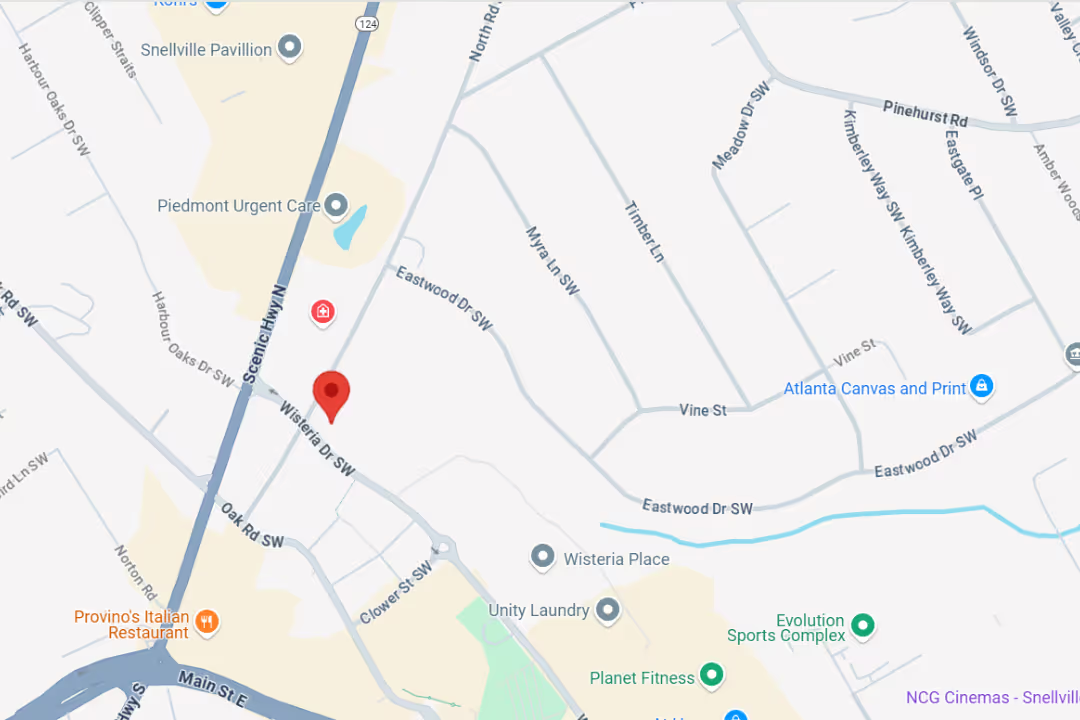
We serve patients throughout the greater Atlanta area, with locations in Kennesaw, Marietta, Snellville, and Buckhead. Our ambulatory surgery centers in Marietta and Snellville allow many procedures to happen close to where our patients already live and work. This local presence supports continuity between your surgeon, your physical therapist, and your primary care team.
Our physicians, Dr. Sonny Dosanjh and Dr. Darren Newfield, bring both surgical expertise and a conservative first philosophy to every case. We do not default to surgery when a less invasive option may serve you just as well. When surgery is the right path, we bring the most advanced minimally invasive techniques available to make that experience as smooth as possible.
Knee pain has a way of narrowing life down to what feels manageable rather than what feels meaningful. Patients tell us they stopped gardening, stopped playing with grandchildren on the floor, or started avoiding stairs entirely. Those are not small losses, even if they can feel that way when pain becomes routine. Restoring the ability to move freely again is often about far more than the joint itself.
Minimally invasive knee replacement has changed what recovery looks like for many patients we see. Shorter hospital stays, less reliance on pain medication, and a faster return to normal activity are not just clinical benefits. They represent real days spent back at work, back on a walking trail, or simply back to an ordinary Tuesday without pain dictating the plan. We take that responsibility seriously with every patient who trusts us with their care.
Deciding whether knee replacement is right for you starts with a conversation, not a commitment. Our team will walk through your imaging, your history, and your goals to help determine the best path forward, whether that means continued conservative treatment or a surgical evaluation. You do not have to figure this out on your own, and you do not have to keep adjusting your life around your knee.
📞 Phone: +1-844-328-4624
🌐 Website: mediciortho.com
Locations:
Explore our library of patient support guides covering the conditions we treat, the treatments we offer, and the questions we hear most. Each one is written to help you understand your options and feel confident about your next step. Browse the topics below to learn more, or reach out to our team anytime.

At Medici, you’re more than your MRI.
We take time to hear your story, understand your pain, and create a plan that actually works for you.

Our team delivers specialist care at convenient locations across Metro Atlanta:
Get expert tips on injury recovery, pain relief, joint health, and movement strategies—straight from our Fellowship-Trained team.