There is a particular kind of exhaustion that comes from living with knee pain long enough. It shows up in small moments, the hesitation before standing up from a chair, the extra few seconds it takes to climb a flight of stairs, the quiet decision to skip a walk you used to look forward to. If you have found yourself typing "knee replacement specialist near me" into a search bar late at night, you are not overreacting. You are paying attention to your own body, and that matters.
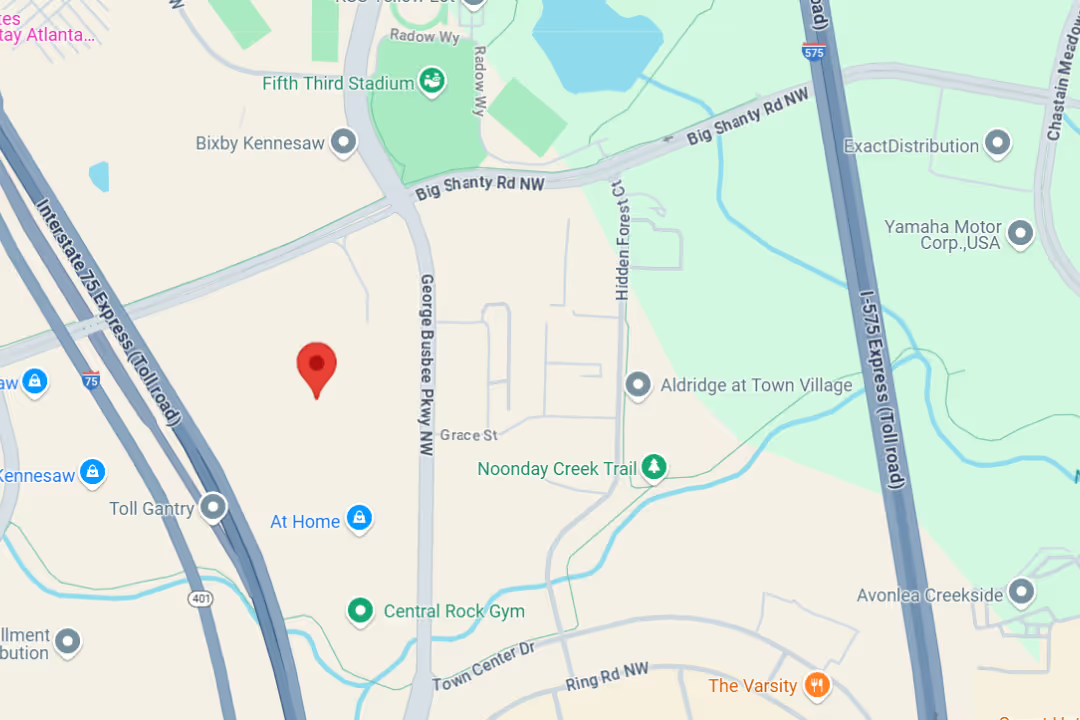
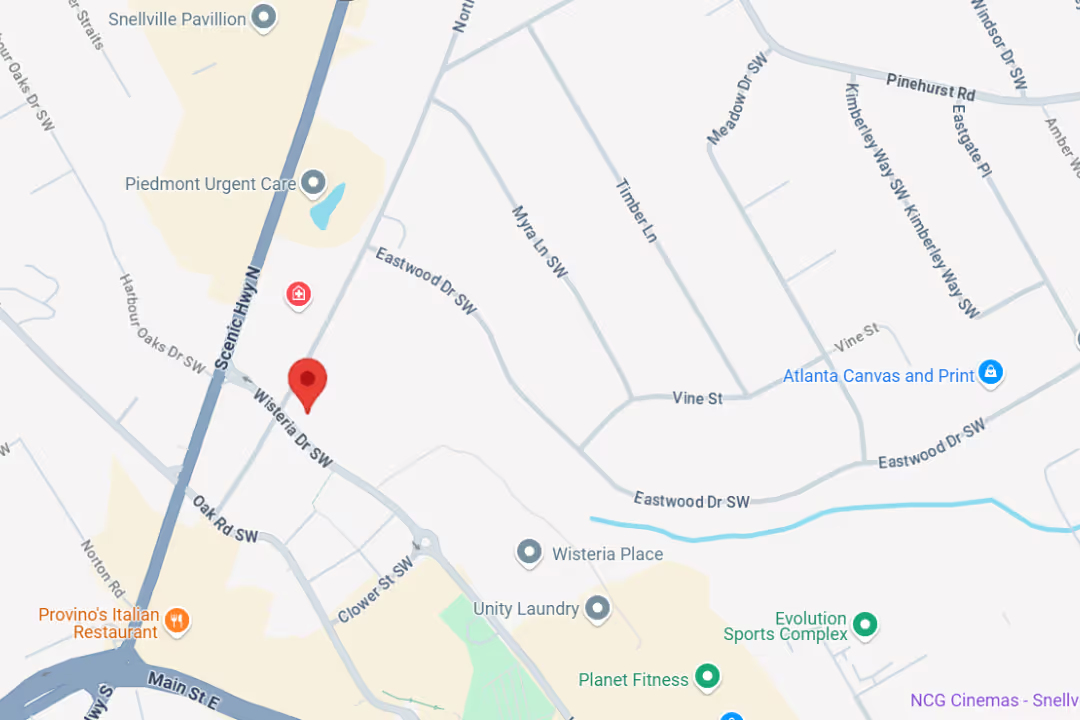
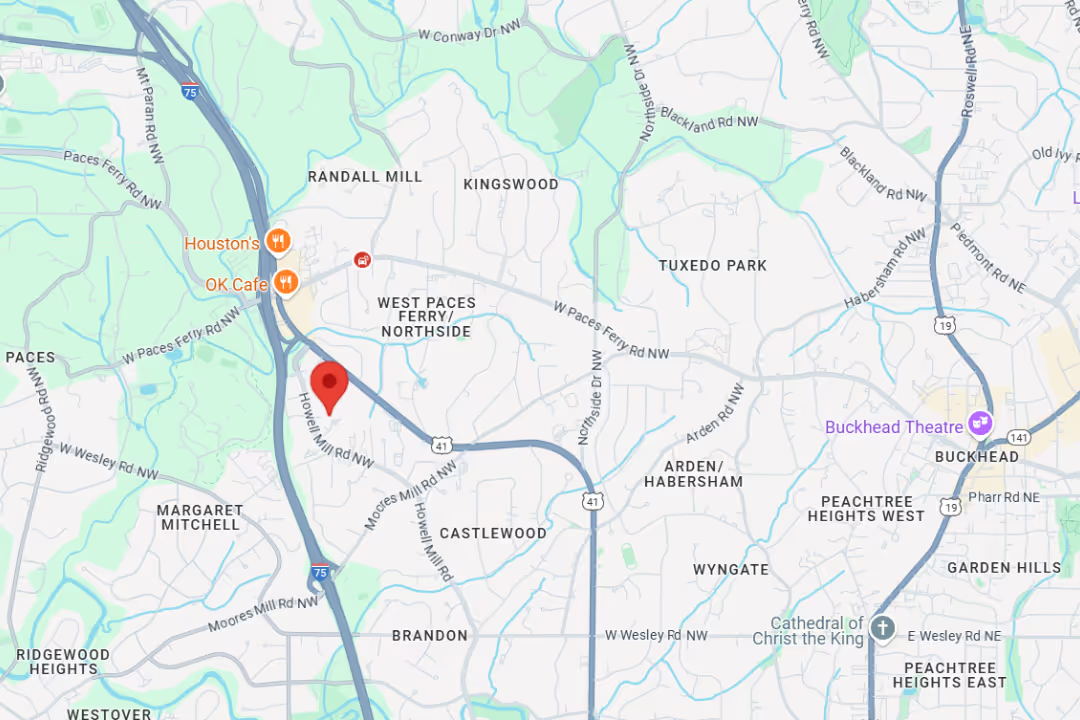
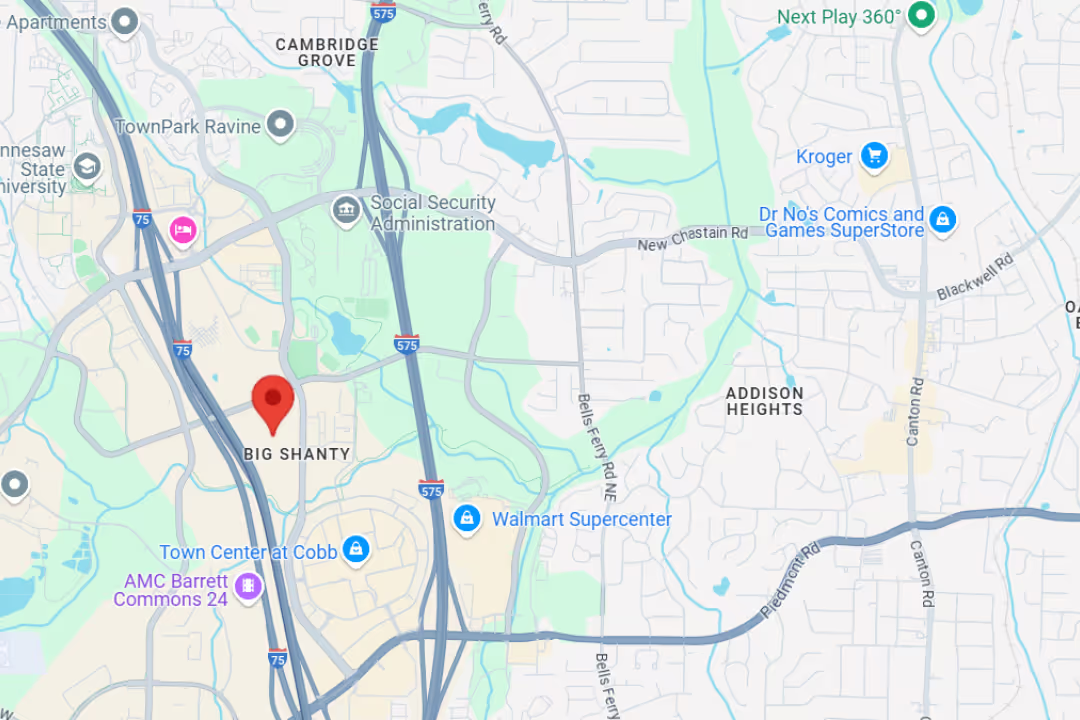
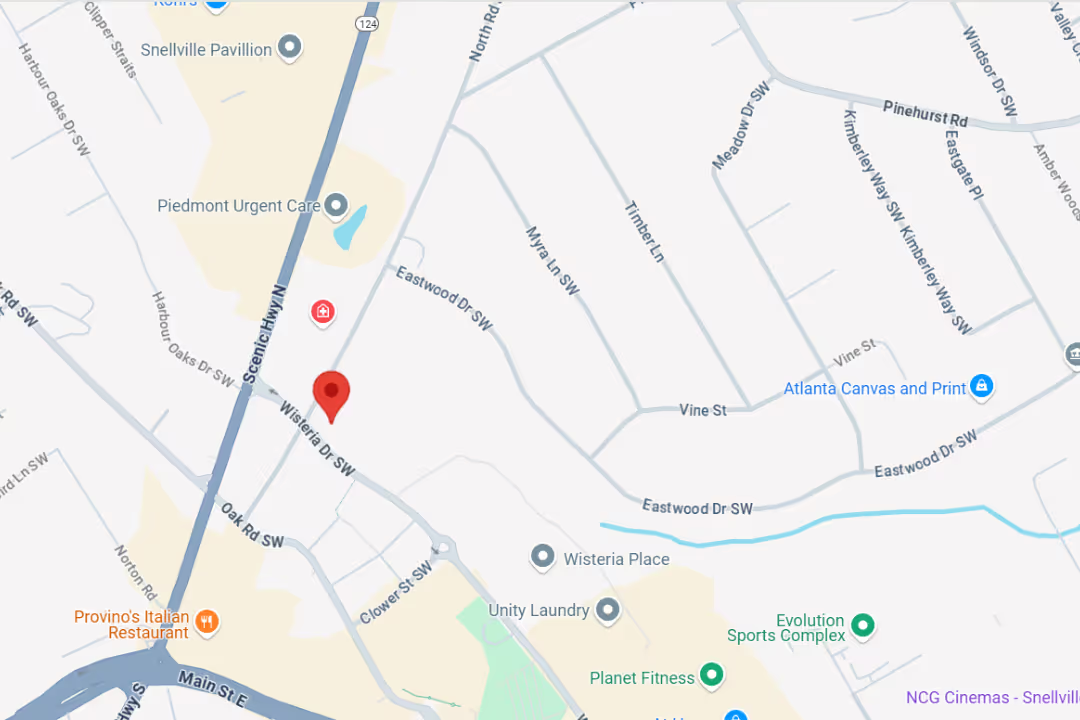
At Medici Orthopaedics & Spine, we work with people across Kennesaw, Snellville, Buckhead, and Marietta who have reached this same point. Some have tried physical therapy for years. Others are newer to the idea and simply want honest answers. Wherever you are in that process, our team is built to meet you there, with real expertise and without pressure toward surgery before it is truly needed.
Most patients do not arrive describing their pain in clinical terms. They describe their daily life instead:
Knee replacement is typically considered after other treatments have been tried without lasting relief. This often includes physical therapy, anti-inflammatory medication, and injections such as corticosteroids or hyaluronic acid. If you have gone through several of these options and your quality of life is still limited, it may be time for a surgical evaluation.
Dr. Sonny Dosanjh leads much of the pain management and conservative treatment side of care at Medici. His philosophy focuses on exploring the most effective, least invasive, and least drug dependent options before surgery is even discussed. This means many patients find meaningful relief without ever needing an operating room.
Depending on the severity and cause of your knee pain, conservative options may include:
This is the most comprehensive option, replacing the entire knee joint surface. It is typically recommended when arthritis or damage affects multiple areas of the knee rather than one isolated section.
For patients whose damage is limited to one compartment of the knee, a partial replacement preserves more of the natural joint. Recovery is often faster, since less tissue is disrupted during the procedure.
Robotic assistance allows the surgical team to plan implant placement with a high degree of precision before the first incision is even made. This technology supports more consistent alignment, which can influence long-term comfort and function.
Your first visit typically includes a physical examination and imaging, such as X-rays, to assess the extent of joint damage. This is also when your surgeon reviews your medical history and any prior treatments you have already tried.
If surgery is recommended, your care team develops a plan specific to your anatomy and goals. This includes selecting the appropriate implant type and, when relevant, using robotic-assisted planning tools.
Procedures take place at Medici's ambulatory surgery centers in Marietta and Snellville. These facilities are designed specifically for orthopedic procedures, which allows for a more streamlined and focused surgical day than a general hospital setting often provides.
Recovery begins almost immediately with guided movement and physical therapy. Your team monitors healing closely in the early weeks, then gradually increases activity as strength and range of motion improve.
How do I find a knee replacement specialist near me?
Look for a board certified orthopedic surgeon with fellowship training in joint reconstruction, ideally within a practice offering both surgical and conservative care.
Is knee replacement covered by insurance?
Most insurance plans, including Medicare, provide coverage for medically necessary knee replacement. Coverage details vary, so confirming with your specific plan is recommended.
How long is recovery after knee replacement?
Recovery timelines range from several weeks for partial replacements to a few months for total knee replacement, depending on the individual and procedure type.
Myth: It's Always a Long, Painful Recovery
Fact: Recovery has changed considerably with modern surgical techniques and minimally invasive options. Many patients are walking with assistance within a day of surgery and continue improving steadily from there.
Myth: You Have to Be Elderly to Need One
Fact: While age related arthritis is common, knee replacement is also performed on younger patients dealing with severe injury, early onset arthritis, or previous joint damage that has not responded to other treatment.
Modern knee replacement techniques prioritize preserving tissue and minimizing hospital time whenever possible. Every patient's timeline differs, but the outdated image of a painful, months long ordeal no longer reflects most cases.
Recovery does not end when you leave the surgery center. Ongoing physical therapy, progress monitoring, and adjustments to your recovery plan all play a role in your long-term outcome. A specialist who remains accessible throughout this period, not just during surgery, makes a meaningful difference.
Medici combines surgical expertise with a genuinely conservative first philosophy under one roof. Patients are not shuffled between disconnected providers. Instead, surgical and non-surgical care work together, guided by the same underlying goal of restoring function with the least invasive approach possible.
Most patients return to normal daily activities within a few months, with continued improvement over the following year. Low impact activities like walking, swimming, and cycling are often encouraged once healing allows.
Maintaining a healthy weight and staying physically active both support the longevity of your new joint. Regular movement, guided by your care team, tends to produce better long-term results than prolonged inactivity.
Physical therapy and periodic check-ins remain part of your care well after the initial recovery period. This ongoing relationship helps catch any concerns early and keeps your progress on track.
Somewhere between the first search for answers and the decision to move forward, most patients describe a shift. The uncertainty that once surrounded every stair and every long walk starts to ease, not because the pain disappeared overnight, but because there was finally a clear plan in place. That shift tends to matter as much as the surgery itself.
Whether your path involves surgery, conservative treatment, or a combination of both, the goal at Medici has always been the same. We want you to move through your days without knee pain dictating your choices. That kind of relief is not abstract. It is measured in stairs climbed without hesitation and mornings that no longer start with stiffness.
If knee pain has been shaping your daily decisions, an evaluation can give you clarity on what comes next. Our team will walk you through every option available, from conservative care to surgical solutions, based on your specific situation.
Medici Orthopaedics & Spine
Locations:
Explore our library of patient support guides covering the conditions we treat, the treatments we offer, and the questions we hear most. Each one is written to help you understand your options and feel confident about your next step. Browse the topics below to learn more, or reach out to our team anytime.

At Medici, you’re more than your MRI.
We take time to hear your story, understand your pain, and create a plan that actually works for you.

Our team delivers specialist care at convenient locations across Metro Atlanta:
Get expert tips on injury recovery, pain relief, joint health, and movement strategies—straight from our Fellowship-Trained team.