There is a strange kind of quiet that follows knee replacement surgery. The pain that once shaped every step is gone, or at least changed into something new and unfamiliar. What comes next, the slow work of learning to trust your knee again, is rarely talked about with the honesty it deserves.
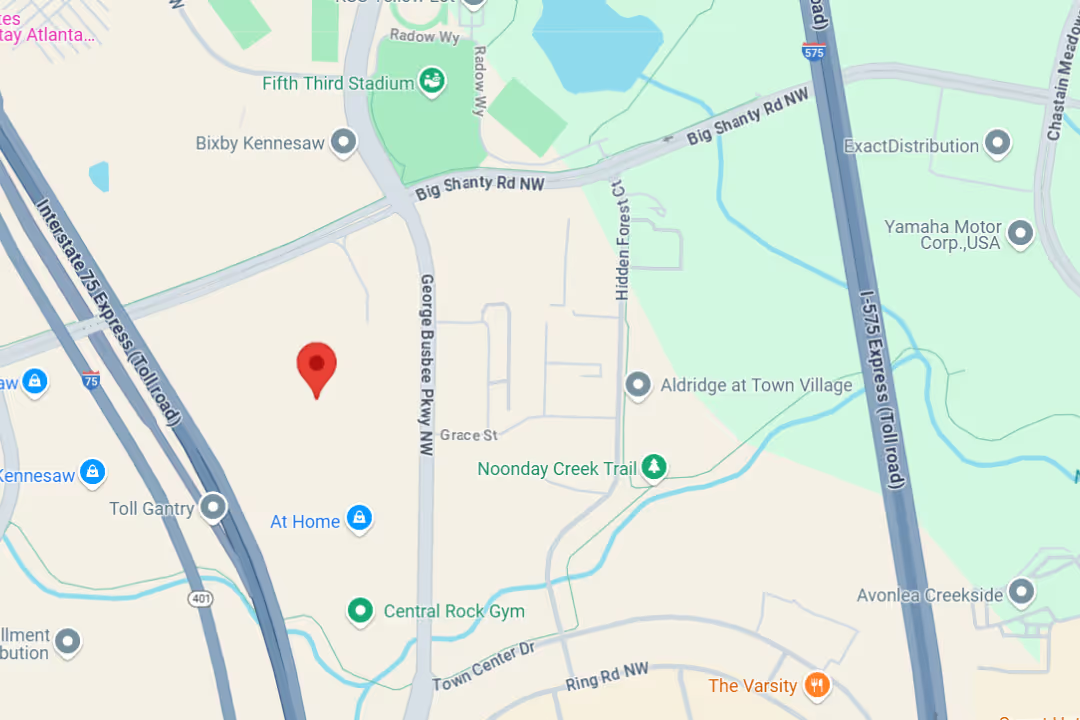
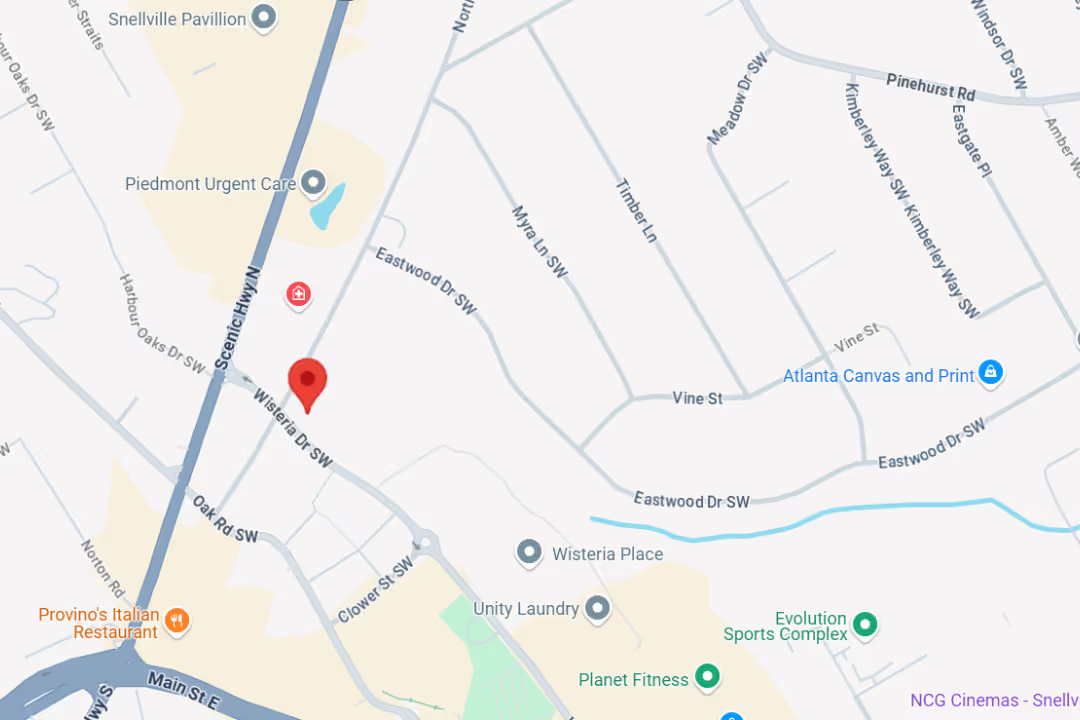
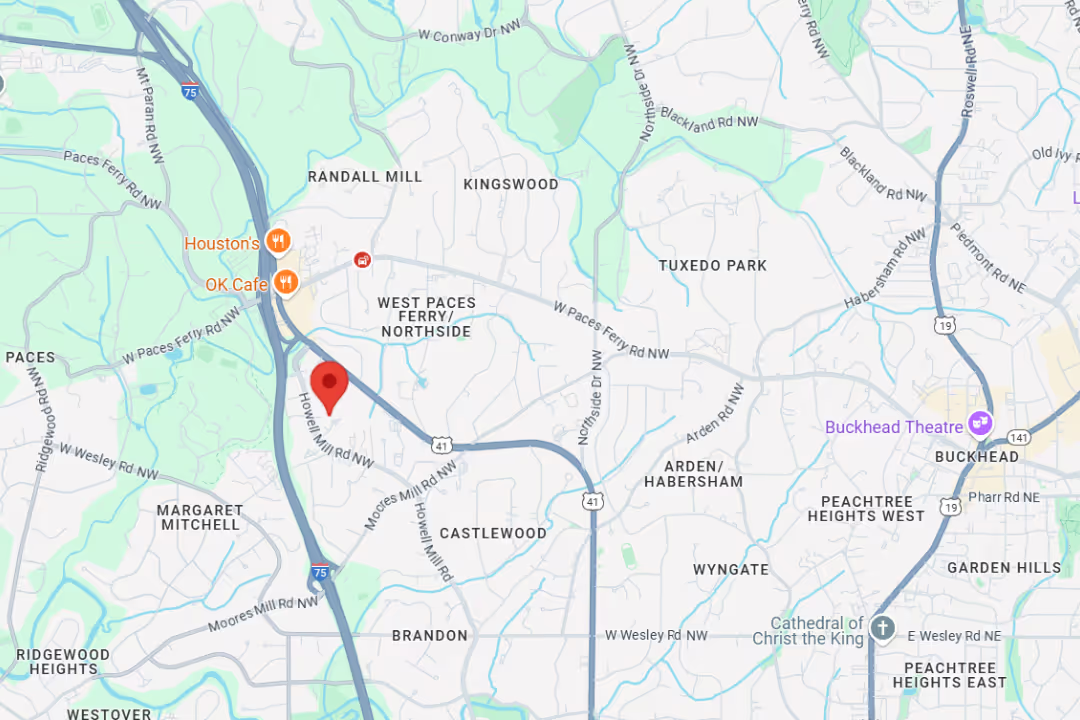
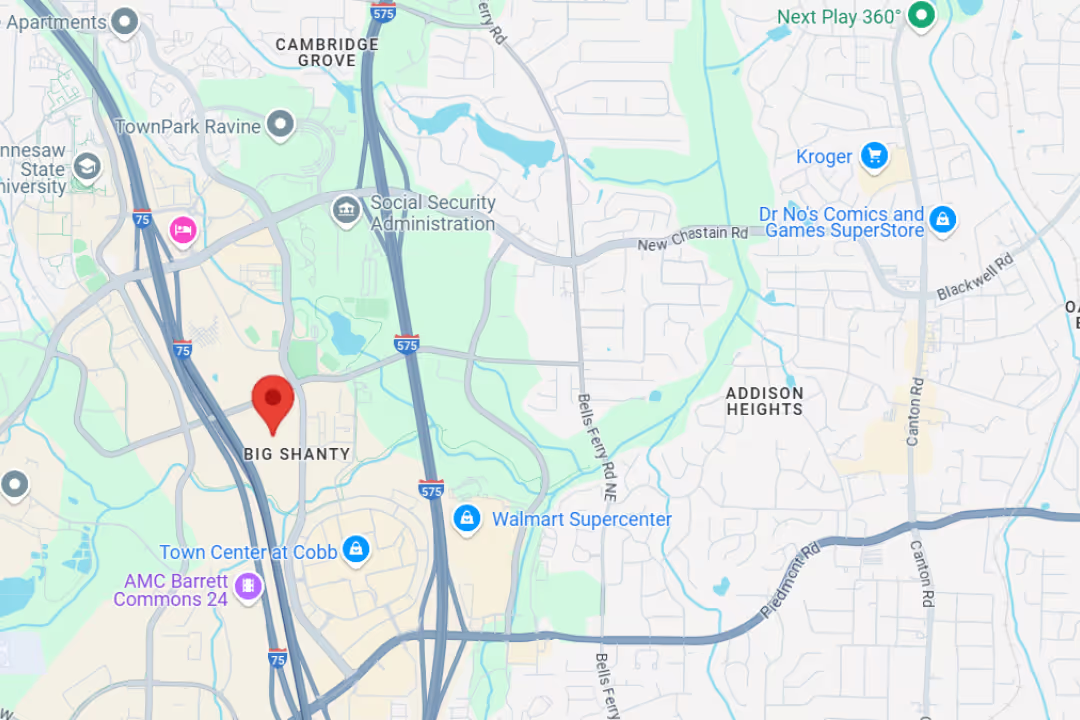
Recovery is not a straight line. Some days feel like real progress, and others feel like you have gone backward. That is normal, and it is exactly why the right physical therapy partner matters so much in the weeks and months after surgery. At Medici Orthopaedics & Spine, we walk alongside patients through every phase of that process, in Kennesaw, Snellville, Buckhead, and Marietta.
After surgery, the tissue around your new joint is healing, swollen, and tight. Scar tissue begins forming almost immediately, and if the knee is not moved consistently, that tissue can limit flexibility later. Muscles that supported the knee before surgery, especially the quadriceps, often weaken quickly during the recovery period.
Patients sometimes assume that rest alone will get them back on their feet. In reality, under-rehabilitated knees are more likely to develop stiffness, chronic swelling, and lingering weakness. Many patients who skip structured therapy report needing additional interventions later to regain motion they lost early on.
Movement in the days immediately following surgery helps prevent blood clots, reduces swelling, and signals to the body that healing tissue needs to remain flexible. Research consistently shows that patients who begin guided movement early tend to reach functional milestones sooner than those who wait.
The first two weeks focus on protecting the healing joint while restoring basic movement. Therapy sessions during this window are often shorter and gentler than what comes later, but they are some of the most important of the entire recovery.
Once initial healing has taken hold, therapy shifts toward rebuilding strength and expanding range of motion. This is often where patients start to feel like themselves again, even if full recovery is still weeks away.
By this stage, many patients are walking without assistive devices and focusing on returning to the activities that matter most to them. Therapy becomes more dynamic, often incorporating movements that mimic real-life demands.
How many weeks of physical therapy are typical after knee replacement? Most patients participate in structured therapy for eight to twelve weeks, though some continue longer depending on their goals and starting point.
When can I expect to walk without a cane? Many patients transition away from assistive devices between three and six weeks, depending on strength, balance, and surgeon guidance.
Is it normal to still have swelling months after surgery? Mild swelling can persist for several months and often improves gradually with continued activity and time.
Your age, activity level, prior fitness, and personal goals all shape how your recovery plan is built. A retired marathoner and a grandmother hoping to keep up with grandkids need very different pacing and priorities, even after the same surgery.
Many patients benefit from combining physical therapy with complementary treatments such as myofascial release or sports massage. These approaches can reduce tightness around the joint, improve circulation, and make active therapy sessions more comfortable and productive.
Dr. Darren Newfield's surgical team and the physical therapy team communicate directly throughout your recovery. This means your therapist understands the specific details of your procedure, and any concerns are addressed quickly rather than getting lost between providers.
Consistent icing, elevation, and gentle movement often reduce the need for heavier pain medication over time. Your therapy team will help you find the balance that keeps you comfortable enough to participate fully in sessions.
It is common to feel hesitant about bending or putting weight on a new joint. This fear, sometimes called kinesiophobia, is addressed through gradual, guided exposure that helps rebuild trust in the knee at a pace that feels safe.
Progress sometimes slows or stalls, especially between weeks four and eight. When this happens, your therapist may adjust exercises, intensity, or frequency to help the body break through the plateau safely.
Warning signs that should prompt a call to your care team:
Recovery works best with consistency, and consistency is easier when appointments do not feel like a burden. Patients who have to travel long distances for therapy are more likely to skip sessions, which can slow overall progress.
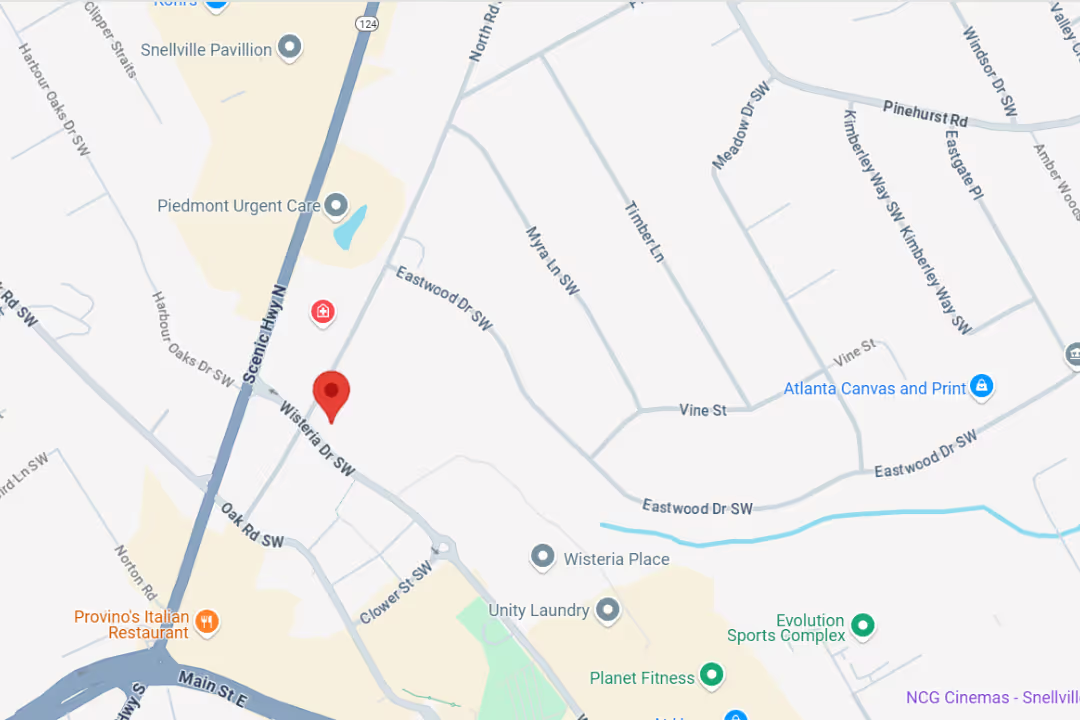
Medici Orthopaedics & Spine serves patients through clinics and surgery centers throughout the greater Atlanta area, including Kennesaw, Snellville, Buckhead, and Marietta. This regional footprint means many patients can find convenient, high-quality care close to home.
Walking without pain, climbing stairs without hesitation, and standing up from a chair without bracing for discomfort often feel like small miracles the first time they happen without a second thought.
Many patients return to gardening, golf, travel, or simply keeping up with grandchildren at the park. Recovery timelines vary, and outcomes are never guaranteed, but many patients report meaningful improvements in the activities that matter most to them.
One patient in her sixties described her recovery as "two steps forward, one step back, and then suddenly forward again." By month three, she was walking her neighborhood loop daily, something she had not done pain free in years. Every recovery has its own rhythm.
Knee replacement recovery asks a lot of patience, but it rewards that patience in ways that are easy to underestimate ahead of time. The version of you that moves without pain, climbs stairs without thinking twice, and gets back to the activities you love is closer than it may feel right now.
You do not have to figure out this process alone. With the right team beside you, one that understands both the surgery and the recovery that follows, the path forward becomes clearer with every session.
If you are preparing for knee replacement surgery or already in the early stages of recovery, Medici Orthopaedics & Spine is here to help you move forward with confidence.
Medici Orthopaedics & Spine
Kennesaw
Explore our library of patient support guides covering the conditions we treat, the treatments we offer, and the questions we hear most. Each one is written to help you understand your options and feel confident about your next step. Browse the topics below to learn more, or reach out to our team anytime.

At Medici, you’re more than your MRI.
We take time to hear your story, understand your pain, and create a plan that actually works for you.

Our team delivers specialist care at convenient locations across Metro Atlanta:
Get expert tips on injury recovery, pain relief, joint health, and movement strategies—straight from our Fellowship-Trained team.