Joint pain rarely announces itself all at once. It shows up as a stiff knee on the second flight of stairs, a shoulder that aches after an afternoon of yard work, or a hip that takes a few extra steps to loosen up in the morning. Most people brush it off, assuming it is just a normal part of getting older or staying active.
That assumption is understandable, but it is often wrong. Joints respond to how they are used, strengthened, and cared for, at almost any age and almost any stage of wear. Waiting until pain becomes severe before addressing it usually means missing the window where the simplest solutions work best. The good news is that strengthening joints and reducing pain is possible well before surgery ever needs to be part of the conversation.
Osteoarthritis develops as cartilage gradually wears down, reducing the cushioning between bones. It is the most common form of arthritis and tends to affect weight bearing joints like the knees, hips, and spine.
Joints rely heavily on the muscles surrounding them for stability. When those muscles are weak or imbalanced, the joint itself absorbs more stress than it is designed to handle. This is especially common in the knees and shoulders, where supporting muscle groups are easy to neglect.
Athletes and physically active individuals often develop joint issues from repetitive motion rather than a single injury. The wear is cumulative, which makes it easy to underestimate until symptoms are already present.
Conditions like rheumatoid arthritis and fibromyalgia involve inflammation that affects joints differently than mechanical wear does. They typically require a different treatment approach than wear related joint pain.
A sprain, fracture, or ligament tear from years ago can leave a joint more vulnerable, even after it feels fully recovered. Scar tissue, subtle instability, or incomplete rehabilitation can all set the stage for pain that resurfaces later in life.
Many people assume that resting a painful joint is the safest choice. In most cases, the opposite is true. Joints depend on movement to circulate synovial fluid, which nourishes cartilage and keeps the joint lubricated. Prolonged inactivity often leads to stiffness, weakness, and slower recovery.
Low impact activities allow joints to stay mobile without added stress. Effective options include:
Muscle acts as a natural shock absorber for joints. Strengthening the muscles around a joint, rather than the joint itself, is one of the most effective ways to reduce pain and prevent further injury. This is especially true for the knees, where quadriceps and hamstring strength directly affects joint load.
A few strength focused habits worth building:
Flexibility and mobility often get overlooked in favor of strength, but the two work together. Tight muscles pull on joints unevenly, which can accelerate wear over time. A regular stretching routine helps joints move through their full, intended range without unnecessary strain.
Useful mobility habits include:
Body weight has a direct, measurable effect on joint stress, particularly in the knees and hips. Every additional pound of body weight translates to several pounds of added pressure on the knees during walking. This is one reason weight management is often discussed alongside joint health, not as a cosmetic issue but a mechanical one.
Diet plays a supporting role in joint health, primarily through its effect on inflammation. While no food reverses joint damage on its own, certain eating patterns can reduce the inflammatory load on the body.
Helpful nutritional habits include:
As covered earlier, excessive rest often worsens joint stiffness rather than resolving it. The instinct to protect a painful joint by avoiding movement entirely is understandable, but it frequently leads to deconditioning and further weakness.
Over the counter pain relievers can help manage symptoms temporarily, but they do not address the underlying cause of joint pain. Long term reliance on medication without addressing strength, mobility, or structural issues often means the pain simply returns once the medication wears off.
Minor, intermittent joint pain is easy to dismiss, especially when it does not interfere with daily life yet. Unfortunately, many joint conditions progress more easily when caught early. Addressing small symptoms sooner typically means simpler, less invasive treatment later.
Generic advice found online is not always suited to an individual's specific joint condition, injury history, or activity level. What helps one person's knee pain may worsen another's, particularly when the underlying causes differ.
Physical therapy provides structured, professionally guided exercise designed around a patient's specific joint issue. Unlike general exercise routines, physical therapy targets the exact muscles and movement patterns contributing to pain, often producing faster, more reliable results.
Joint injections, nerve blocks, and epidural injections can provide direct relief for inflammation and pain at the source. These are often used alongside physical therapy and lifestyle changes rather than as a standalone solution, helping patients move more comfortably while other improvements take hold.
Treatments such as platelet rich plasma (PRP), stem cell therapy, and prolotherapy use the body's own healing mechanisms to support tissue repair. These options are often considered for patients looking to avoid or delay surgery, particularly for tendon, ligament, and joint related wear.
Hyperbaric oxygen therapy increases oxygen delivery to tissues, which can support healing in certain injury and recovery situations. It is typically used as a supportive, adjunctive treatment alongside other therapies rather than a first line solution on its own.
When conservative treatments do not provide enough relief, minimally invasive surgical techniques may be appropriate. These approaches generally involve smaller incisions, shorter recovery times, and less disruption to surrounding tissue compared to traditional surgery, and are considered only after more conservative options have been explored.
Certain symptoms suggest that home strategies alone may not be enough. Consider scheduling an evaluation if you notice:
Joint pain has a way of quietly shrinking a person's world, one skipped activity at a time. It does not have to work that way. The habits and treatments outlined here exist because joints, even ones that have been aching for years, tend to respond well to the right combination of movement, strength, and support.
Progress with joint health rarely comes from one dramatic change. It comes from small, consistent choices that add up over weeks and months. When those efforts plateau, or when pain points to something more significant, a proper evaluation can clarify exactly what the joint needs next.
Every joint tells a different story, and the right plan depends on understanding yours. The team at Medici Orthopaedics & Spine offers a full range of options, from physical therapy and regenerative medicine to advanced surgical care when it is truly needed, all guided by a philosophy of starting with the least invasive, most effective approach available.
Medici Orthopaedics & Spine
Locations:
Explore our library of patient support guides covering the conditions we treat, the treatments we offer, and the questions we hear most. Each one is written to help you understand your options and feel confident about your next step. Browse the topics below to learn more, or reach out to our team anytime.

At Medici, you’re more than your MRI.
We take time to hear your story, understand your pain, and create a plan that actually works for you.

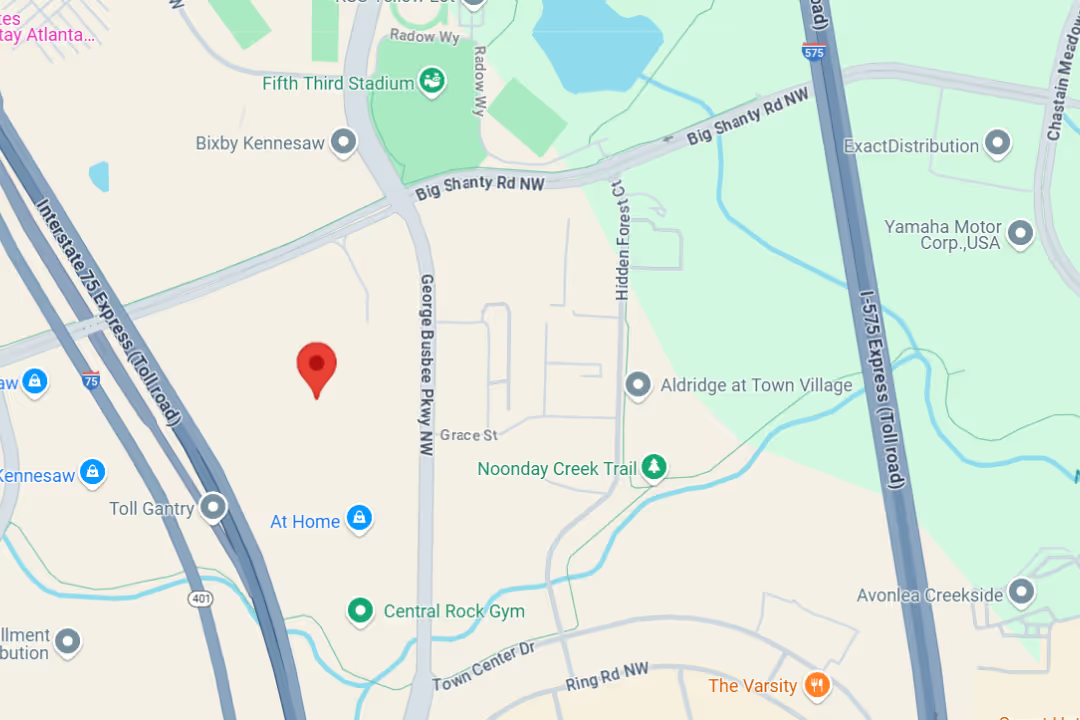
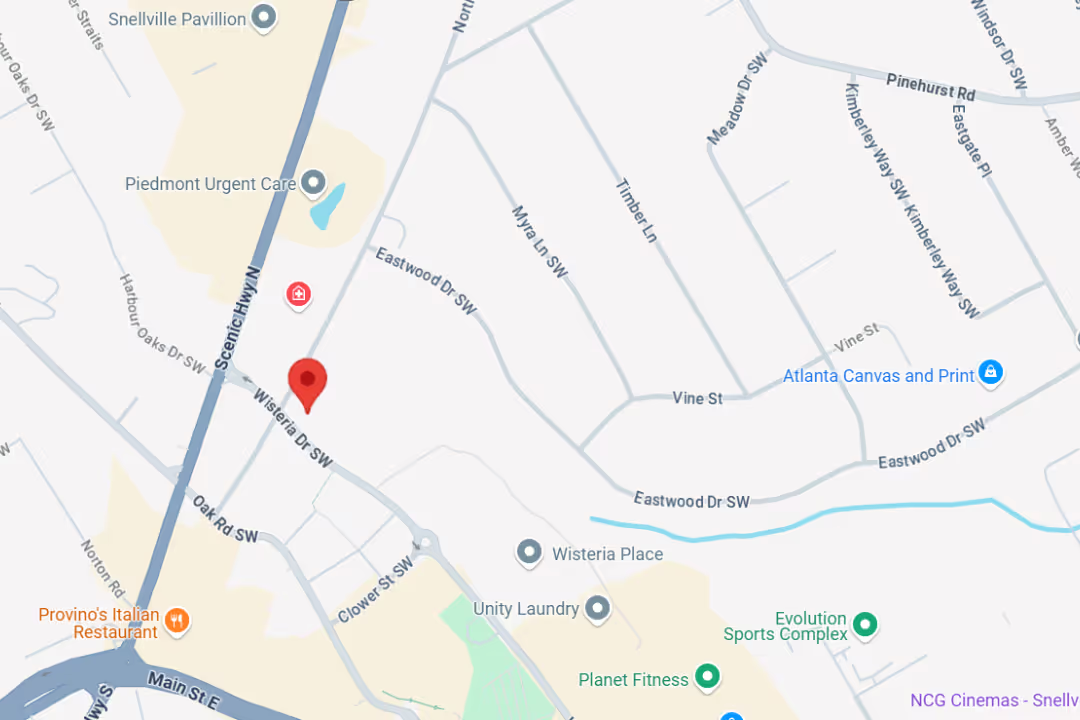
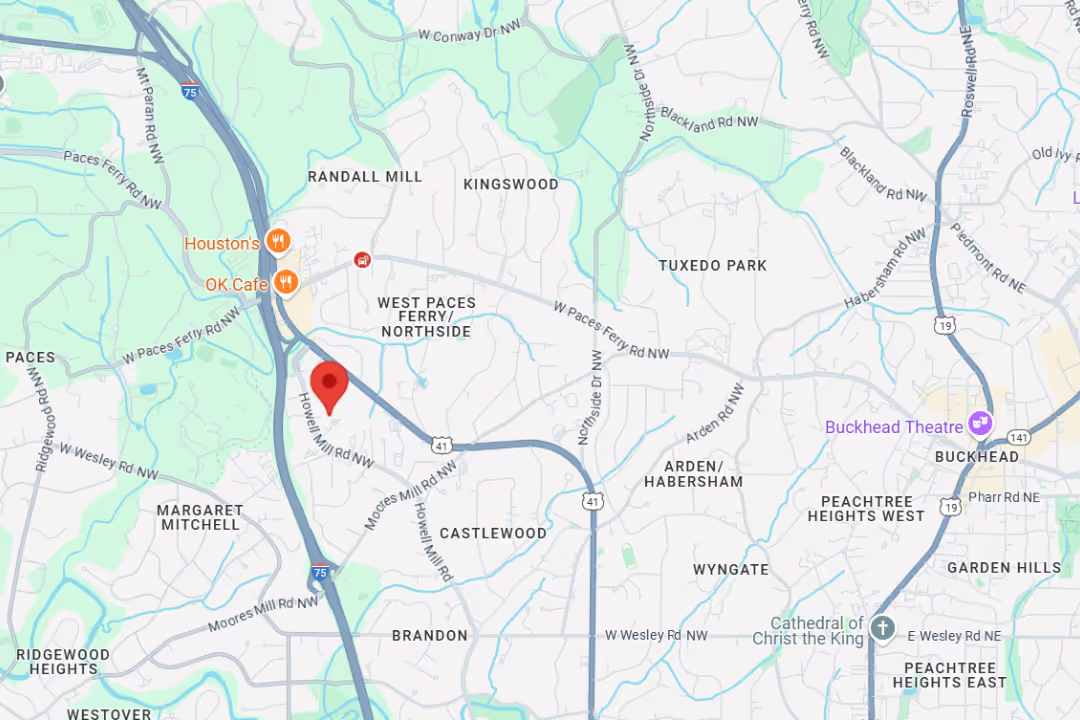
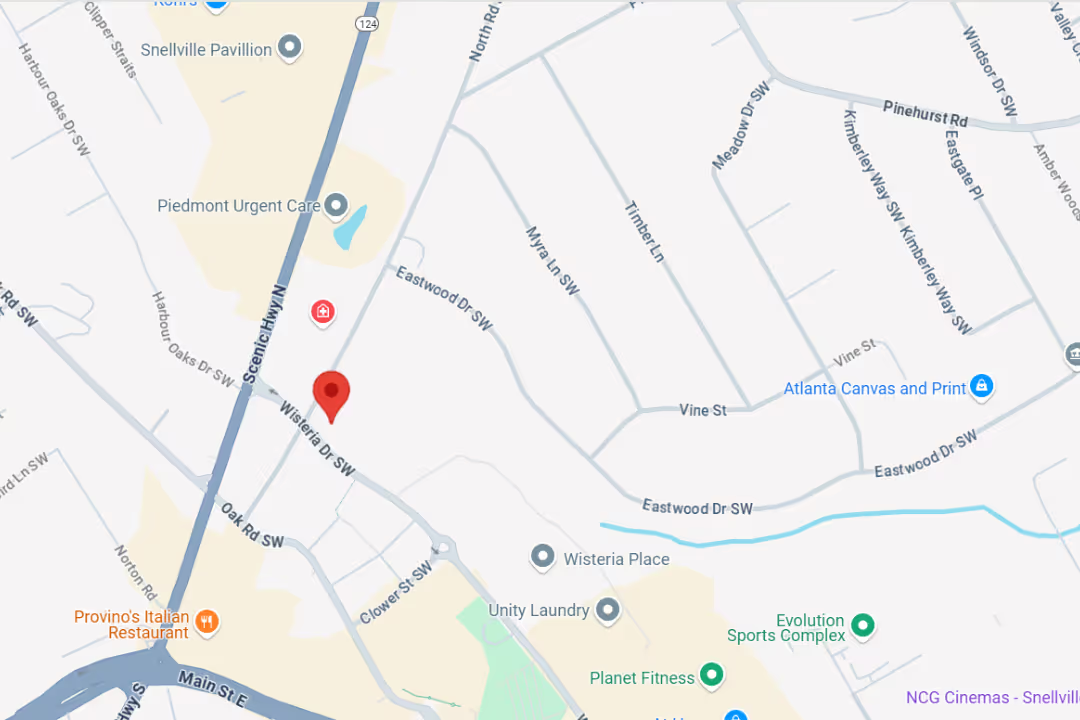
Our team delivers specialist care at convenient locations across Metro Atlanta:
Get expert tips on injury recovery, pain relief, joint health, and movement strategies—straight from our Fellowship-Trained team.