You get out of bed and your lower back feels stiff and sore. Twisting to look behind you in the car or leaning back to reach a high shelf makes it worse. The ache may spread into your buttocks or the backs of your thighs. If this sounds familiar, the small joints along the back of your spine may be part of the problem.
At Medici Orthopaedics & Spine, we help patients across metro Atlanta find the source of their back pain and explore care that starts with the least invasive options. This guide explains what facet joints are, how facet joint injections work, who may be evaluated for them, and how they connect to medial branch blocks and radiofrequency ablation.
Facet joints are the small joints located between each vertebra on the back of the spine. They help guide and limit how your spine bends and twists. Like other joints in the body, they are lined with cartilage and can be affected by arthritis or injury.
When facet joints wear down or become inflamed, they can cause pain in the neck, middle back, or lower back. This is sometimes called facet syndrome. A 2024 review published through the National Library of Medicine reports that facet joint pain occurs in about 27% to 40% of people with low back pain, but it is often overlooked.
According to OrthoInfo from the American Academy of Orthopaedic Surgeons, facet joint injections are often used when pain is caused by degenerative or arthritic conditions or by injury. Age-related wear is a common reason these joints start to hurt.
Facet joints can also be irritated by injury, such as a whiplash injury to the neck or a strain to the lower back. Pain that continues after spine surgery can sometimes come from facet joints near the treated area.
Facet pain may feel tender right over the affected joint. It may get worse when you lean back, twist, or bend to the side. The pain does not have to stay in the spine. It can spread to the shoulders, buttocks, or upper legs, but it usually does not travel below the knee.
See a doctor if back or neck pain lasts for weeks, keeps coming back, or limits your daily life. Get care right away for back pain with new leg weakness, numbness, or changes in bladder or bowel control.
Injections are usually not the first step. A clinical review on facet joint injections from the National Library of Medicine notes that conservative treatment is generally tried for at least 3 months before these injections are considered. That care may include:
Even when injections are used, OrthoInfo notes they are usually one part of a larger treatment program that includes exercise.
Facet joint injections can be used in two ways. A diagnostic injection uses numbing medicine to find out whether a facet joint is the source of pain. If most of the pain goes away for a short time, the joint is likely involved. A therapeutic injection adds a steroid (cortisone) to calm inflammation and may provide longer relief.
The injection is done with X-ray guidance, called fluoroscopy, so the needle goes to the right spot. The basic steps are:
Many people go home the same day. The injection area may feel sore for a day or so. If a steroid is used, it can take a few days to notice an effect. Relief varies a lot from person to person, and it is not guaranteed. Your provider will tell you when you can return to work and normal activities.
Instead of injecting into the joint, a provider may numb the small nerves that carry pain signals from the joint. These are called the medial branch nerves. A medial branch block is mainly used to confirm whether facet joints are causing pain.
If a block shows that these nerves are carrying the pain, the next step may be radiofrequency ablation. This uses heat to interrupt the nerve signals. OrthoInfo notes that the nerve can grow back, so the effect usually lasts several months.
| Treatment | Main Purpose | What to Know |
|---|---|---|
| Facet joint injection | Find the pain source and calm joint inflammation | Medicine goes into or around the joint |
| Medial branch block | Confirm whether facet nerves carry the pain | Numbs the small nerves that serve the joint |
| Radiofrequency ablation | Interrupt pain signals for longer relief | Usually considered after a helpful block; nerves can regrow |
Your provider will ask where your pain is, what makes it better or worse, and what you have already tried. A physical exam may check how your spine moves and which positions trigger pain. Imaging may be reviewed or ordered. If an injection makes sense, your provider will explain the type, the steps, and the risks. To compare other injection options, see our page on lumbar epidural steroid injection effectiveness and our answer on injections used for orthopedic joint pain.
Facet joint pain can make simple movements, like turning or standing up straight, feel hard. Injections are one tool that may help, especially when paired with therapy and exercise. The goal is to calm pain enough for you to move, build strength, and restore quality of life.
If back or neck pain keeps coming back, our team can help you find out where it is coming from. We will review your history, explain whether a facet injection or another option makes sense, and build a plan around your goals.
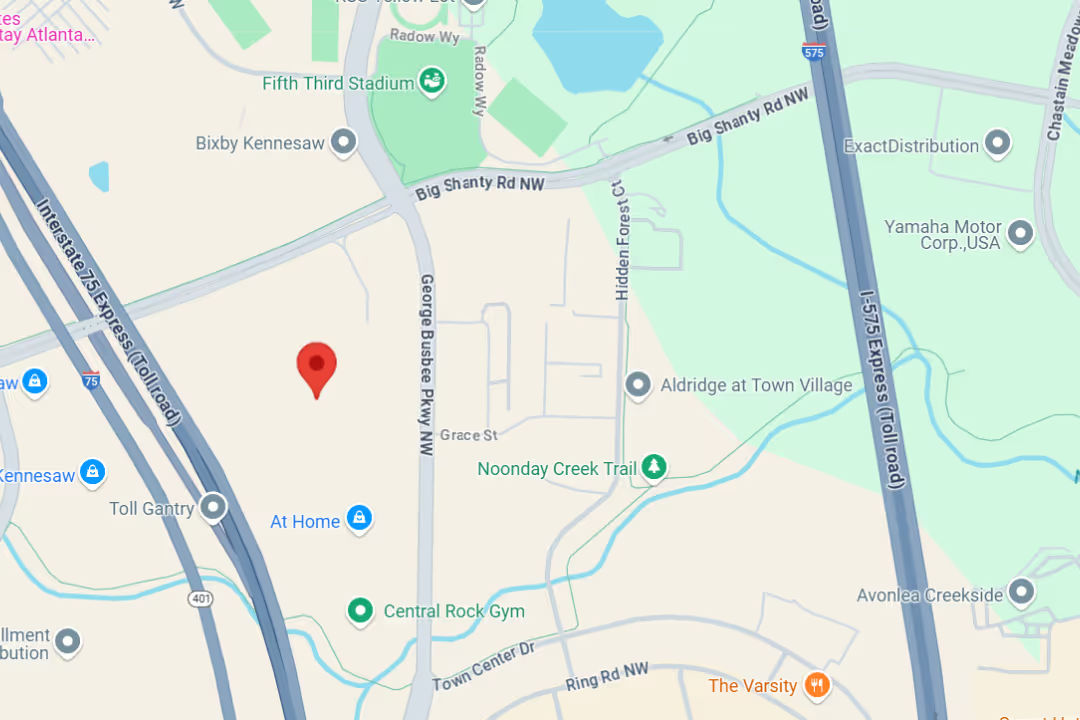
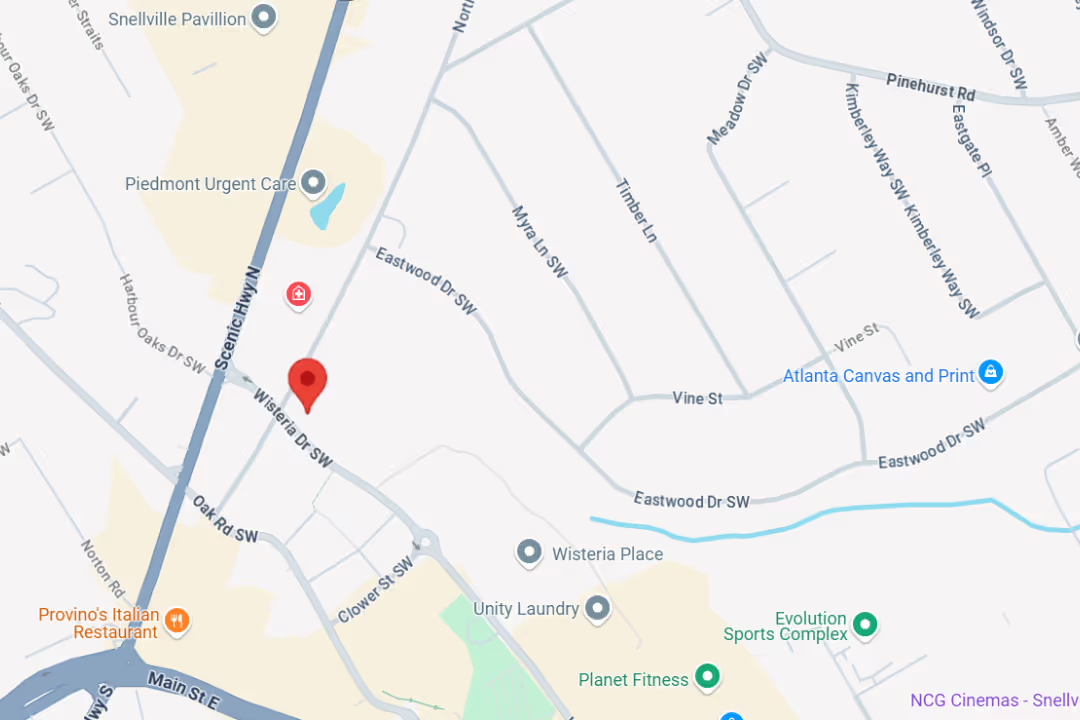
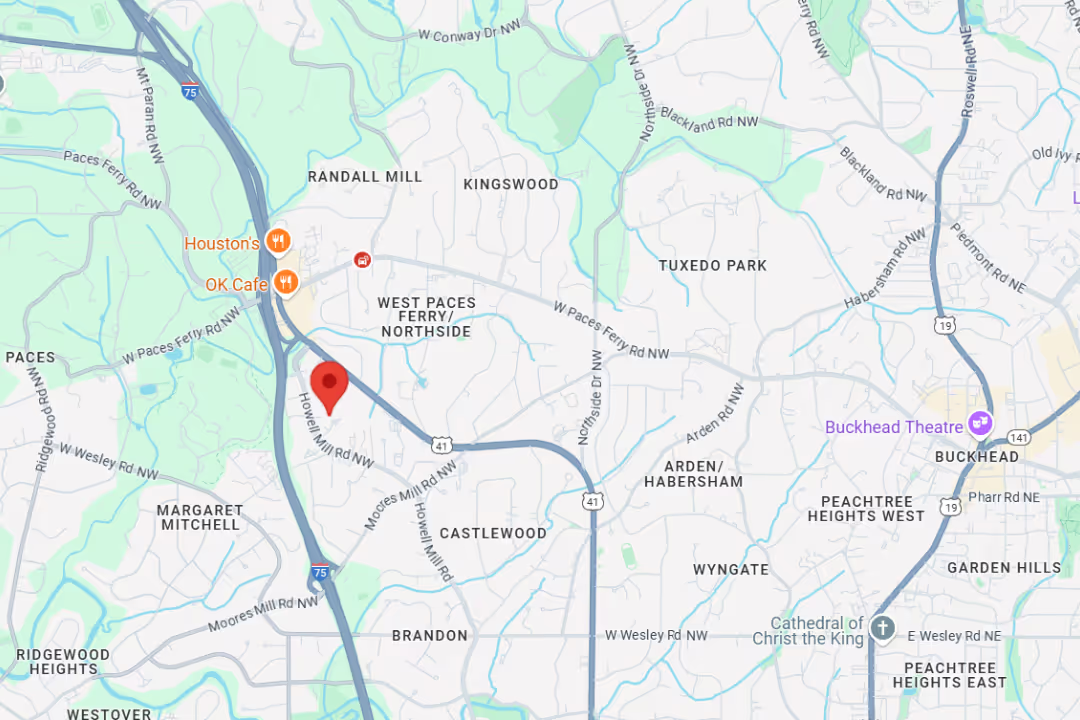
Schedule an evaluation with our spine care team in Kennesaw, Snellville, Marietta, or Buckhead.
Ambulatory Surgery Centers
Marietta: 792 Church Street, Unit 101, Marietta, GA 30060 | (470) 795-8398
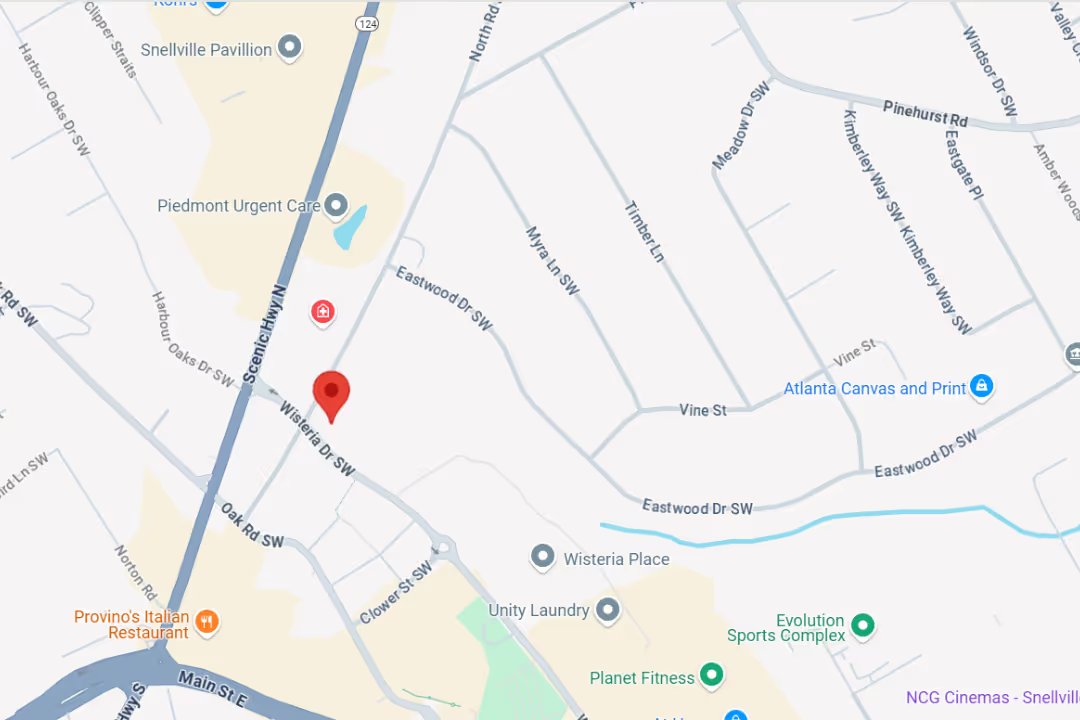
Snellville: 2220 Wisteria Dr, Unit 100, Snellville, GA 30078 | (470) 795-8398
Clinics
Kennesaw: 2911 George Busbee Parkway, Suite 50, Kennesaw, GA 30144 | (770) 545-6404
Snellville: 2220 Wisteria Drive, Unit 101, Snellville, GA 30078 | (470) 645-9297
Buckhead PM&R: 3200 Downwood Circle NW, Suite 520, Atlanta, GA 30327 | (770) 872-7549
📞 +1-844-328-4624 🌐 mediciortho.com
Follow Us
Facebook: facebook.com/MediciOrthopaedicsandSpine
Instagram: @mediciorthoandspine
YouTube: youtube.com/channel/UCJOOMMEtNnvI7-tKln3Umyw
This content is for educational purposes only and does not constitute medical advice. Please consult a qualified provider to discuss your specific situation.
Explore our library of patient support guides covering the conditions we treat, the treatments we offer, and the questions we hear most. Each one is written to help you understand your options and feel confident about your next step. Browse the topics below to learn more, or reach out to our team anytime.

At Medici, you’re more than your MRI.
We take time to hear your story, understand your pain, and create a plan that actually works for you.

Our team delivers specialist care at convenient locations across Metro Atlanta:
Get expert tips on injury recovery, pain relief, joint health, and movement strategies—straight from our Fellowship-Trained team.