Reaching for a coffee cup shouldn't hurt. Neither should turning a doorknob, shaking someone's hand, or lifting a grocery bag. Yet for many people, elbow pain quietly creeps into these small, everyday moments. Eventually it becomes impossible to ignore.
One of the biggest misconceptions we hear at Medici Orthopaedics & Spine is that elbow arthritis means surgery is on the horizon. That's rarely the first step. For many patients, it's never necessary at all. Most elbow pain responds well to conservative, less invasive care, and that's exactly where our approach begins.
The elbow is a hinge joint where three bones meet: the humerus, radius, and ulna. Cartilage cushions these bones so they can glide smoothly during movement. Arthritis, injury, or years of repetitive use can wear that cartilage down. Once it thins, the bones rub together, causing pain, stiffness, and inflammation.
Osteoarthritis is the most common form affecting the elbow. It shows up less often here than in knees or hips. Rheumatoid arthritis, an autoimmune condition, can also target the elbow joint. Both conditions gradually reduce cartilage and joint function over time.
The elbow also relies on a network of ligaments and tendons that stabilize the joint during movement. When these tissues become inflamed or overstretched, they can mimic arthritis symptoms.
Arthritis isn't the only reason elbows hurt. Many patients are surprised to learn how many everyday factors can contribute to elbow pain, including:
Myth: Elbow pain always means you'll eventually need surgery.
Fact: The vast majority of elbow pain, including many arthritis cases, improves significantly with conservative treatment. Surgery is typically considered only after other options have been tried and haven't provided enough relief.
Elbow problems often develop gradually, which makes them easy to dismiss at first. Common symptoms include:
Many patients wait far longer than they should before seeking help. Elbow pain has a way of quietly limiting what people do without them fully noticing. A missed workout here, a favorite hobby set aside there, and eventually pain has reshaped daily routines.
Work tasks, sleep quality, and hobbies are often the first casualties. Recognizing this pattern early can make treatment simpler and more effective.
It's time to schedule an evaluation if you notice:
A thorough evaluation typically starts with a conversation about your symptoms, activity level, and medical history. From there, a physical exam helps assess range of motion, strength, and areas of tenderness. Imaging, such as X-rays, often follows to check for joint damage, bone spurs, or alignment issues. In some cases, an MRI provides a more detailed look at soft tissue, tendons, and cartilage.
Not all elbow pain comes from arthritis. Tendon damage, nerve compression, and ligament injuries can all cause similar symptoms but require very different treatment approaches. An accurate diagnosis helps determine which combination of treatments is most likely to bring lasting relief. It takes the guesswork out of your care.
Two patients can describe nearly identical symptoms and need completely different care plans. One might respond well to bracing and rest, while another needs targeted injections or a referral to a specialist. Taking the time to identify the true source of pain upfront often shortens the entire recovery process.
For many patients, physical therapy is the foundation of elbow pain treatment. Targeted exercises can improve strength, flexibility, and joint stability without surgery. A guided program also helps patients avoid movements that could worsen inflammation while they heal.
Small changes can make a meaningful difference. Bracing may reduce strain during daily activities or sports. Adjusting how you grip tools, type, or lift objects can relieve pressure on an irritated joint. These practical shifts often work well alongside other treatments.
When physical therapy alone isn't enough, injection-based options may help reduce inflammation and support healing, including:
Medication may play a role in managing pain and inflammation, particularly during flare-ups. Our approach favors the lowest effective dose for the shortest necessary time. The goal is always to support healing and function, not long-term dependence on medication.
Most elbow pain treatment plans follow a general progression
For a small number of patients, conservative treatments don't provide enough relief, and it becomes appropriate to discuss surgical options. This conversation is highly individualized. It depends on the severity of joint damage and your overall health. How much pain affects your daily life matters too.
A surgical evaluation isn't a commitment to surgery. It's simply an honest look at every option available, so you can make an informed decision about your own care.
Whether your path forward involves continued conservative care or a referral elsewhere, our team can help you navigate that decision with clarity. We coordinate care across our providers to make sure nothing about your treatment feels disjointed or confusing.
Does elbow arthritis always get worse over time?
Not necessarily. Many patients manage symptoms effectively for years with the right combination of therapy, activity changes, and periodic treatment.
Can I avoid surgery altogether?
Many patients do. Conservative and minimally invasive treatments resolve or significantly improve symptoms for most people with elbow pain.
What does recovery look like after conservative treatment?
Recovery timelines vary by individual and diagnosis. Most patients notice gradual improvement over several weeks of consistent therapy and care.
At Medici, we don't believe in one-size-fits-all treatment plans. Our team combines physical therapy, regenerative medicine, injection-based care, and orthopedic surgical expertise under one roof. This means your care plan can evolve as your needs change, without starting over with a new provider.
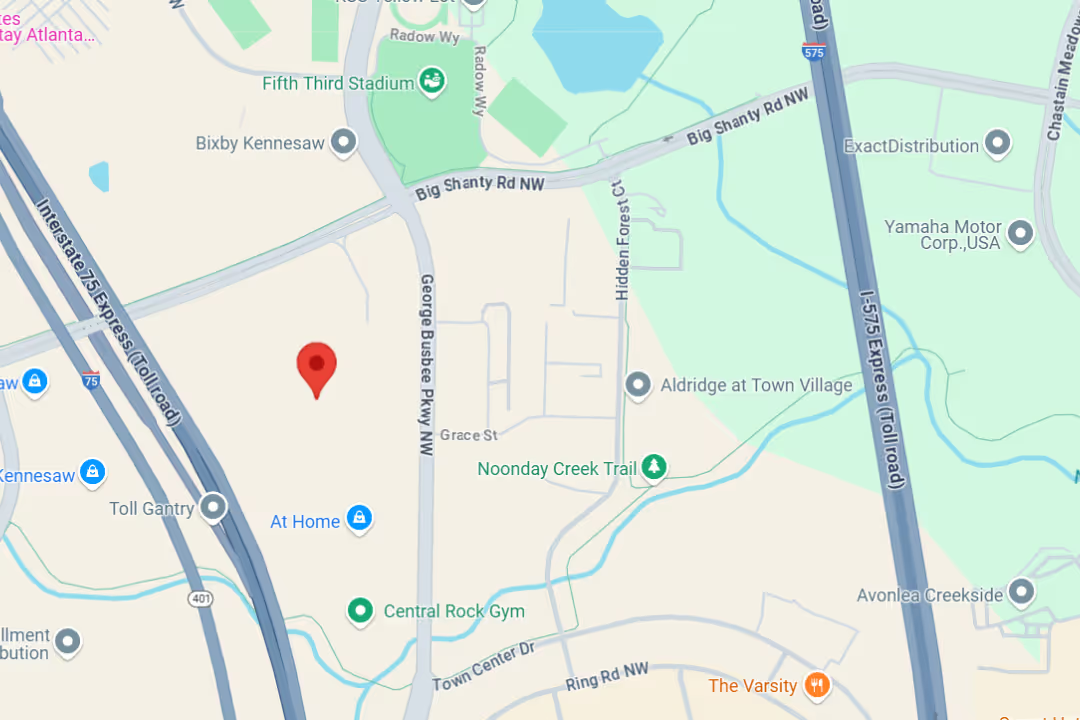
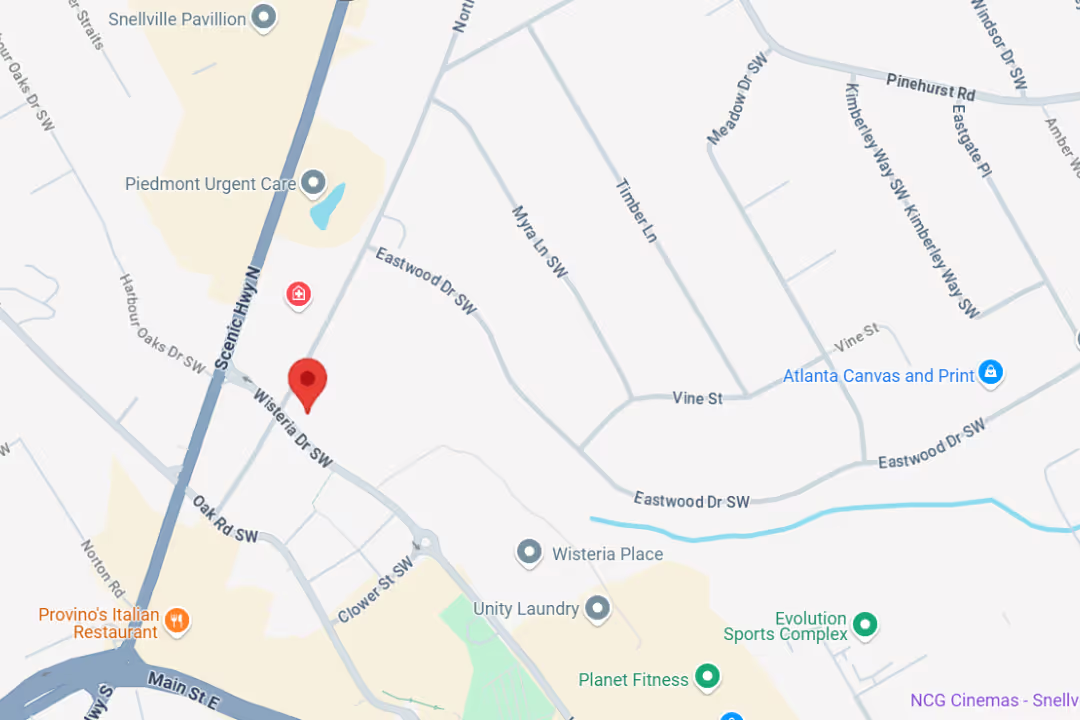
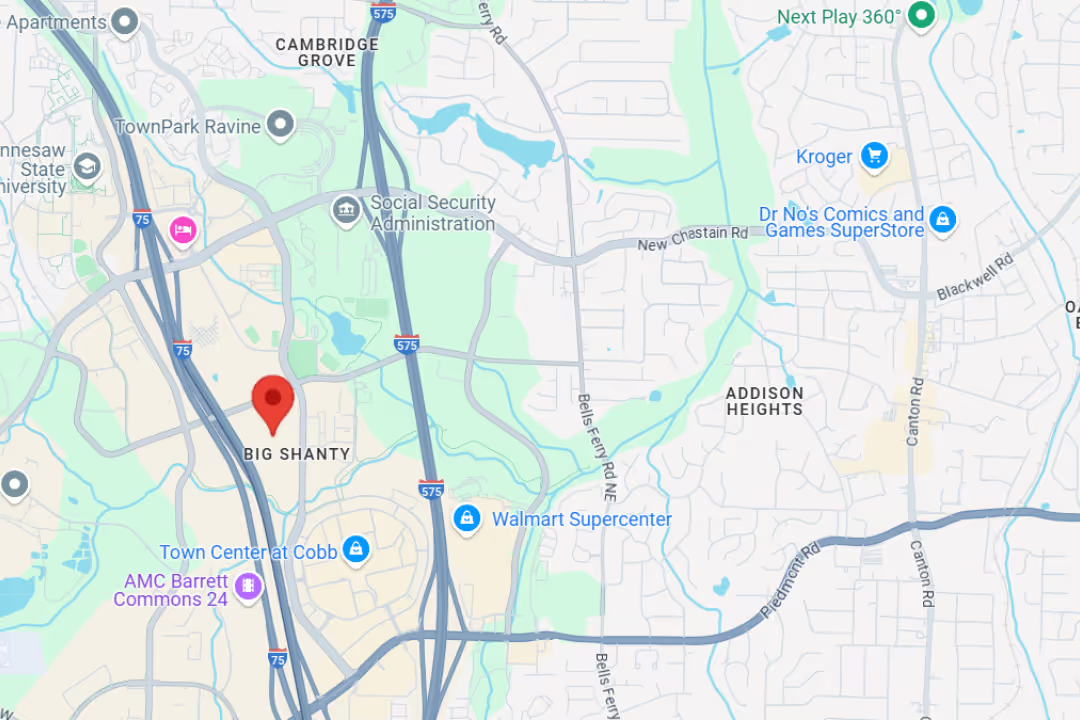
We're proud to serve patients across the greater Atlanta area, with locations in Kennesaw, Snellville, Buckhead, and Marietta. Wherever you're coming from, quality elbow pain care is close to home.
Elbow pain can feel discouraging, especially when it affects things you once did without thinking twice. But an arthritis diagnosis doesn't mean your only options are living with pain or having major surgery.
With the right evaluation and a personalized plan, most patients find a path that restores function and comfort. Surgery often never enters the conversation at all. The most important step is simply understanding what's happening in your joint, and what your realistic options are.
You don't have to guess about what's causing your elbow pain, or what to do about it. The team at Medici Orthopaedics & Spine is ready to listen, evaluate your symptoms, and build a plan centered on your goals.
Ambulatory Surgery Centers
Marietta: 792 Church Street, Unit 101, Marietta, GA 30060 | (470) 795-8398
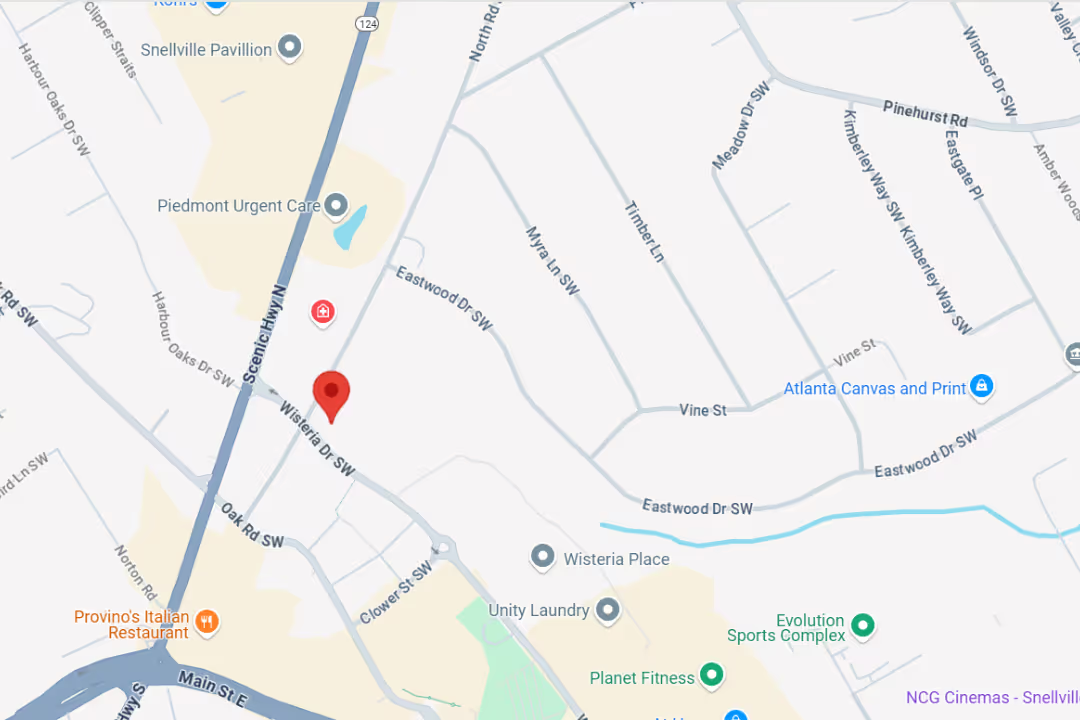
Snellville: 2220 Wisteria Dr, Unit 100, Snellville, GA 30078 | (470) 795-8398
Clinics
Kennesaw: 2911 George Busbee Parkway, Suite 50, Kennesaw, GA 30144 | (770) 545-6404
Snellville: 2220 Wisteria Drive, Unit 101, Snellville, GA 30078 | (470) 645-9297
Follow Us
Facebook: facebook.com/MediciOrthopaedicsandSpine
Instagram: @mediciorthoandspine
YouTube: youtube.com/channel/UCJOOMMEtNnvI7-tKln3Umyw
This content is for educational purposes only and does not constitute medical advice. Please consult a qualified provider to discuss your specific situation.
Explore our library of patient support guides covering the conditions we treat, the treatments we offer, and the questions we hear most. Each one is written to help you understand your options and feel confident about your next step. Browse the topics below to learn more, or reach out to our team anytime.

At Medici, you’re more than your MRI.
We take time to hear your story, understand your pain, and create a plan that actually works for you.

Our team delivers specialist care at convenient locations across Metro Atlanta:
Get expert tips on injury recovery, pain relief, joint health, and movement strategies—straight from our Fellowship-Trained team.