At some point, almost everyone finds themselves typing the same search into their phone late at night: best orthopedic surgeon near me. Maybe it's a knee that's been aching for months, a shoulder that won't lift the way it used to, or a back that flares up every time you bend the wrong way. Whatever brought you here, the pain is real, and so is the uncertainty about who to trust with it.
Here's something a lot of people don't realize until they're already sitting in an exam room. The right orthopedic surgeon isn't just someone skilled with a scalpel. The right surgeon is someone who first asks whether surgery is even necessary, and who has real options to offer if it isn't. That distinction changes everything about how your care unfolds.
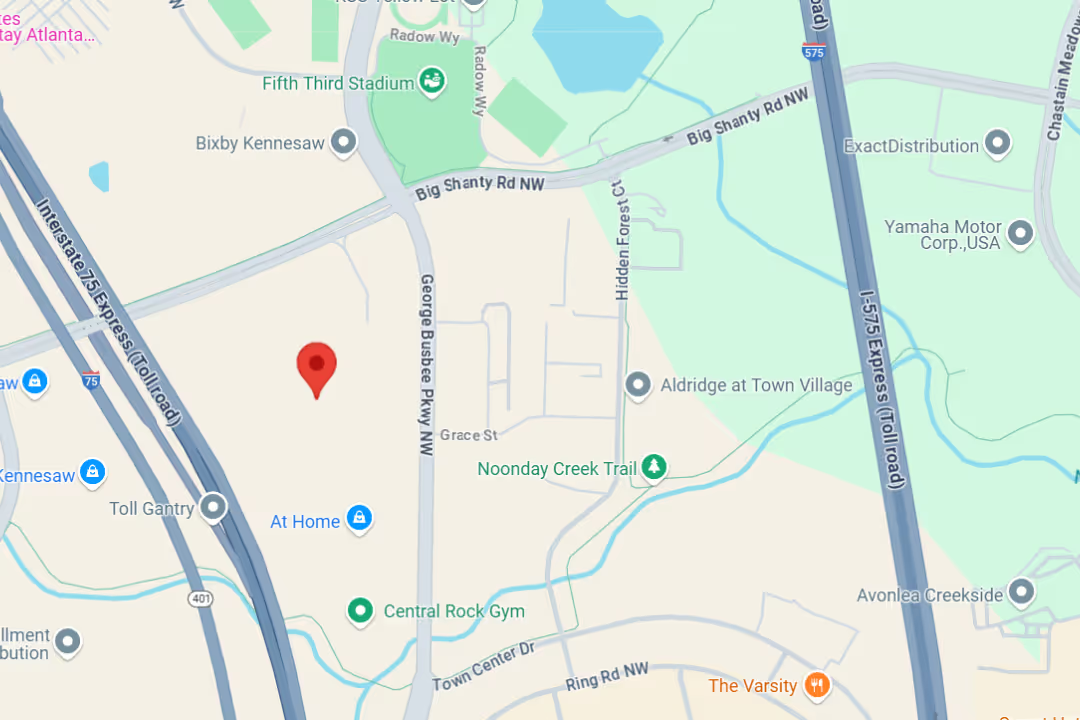
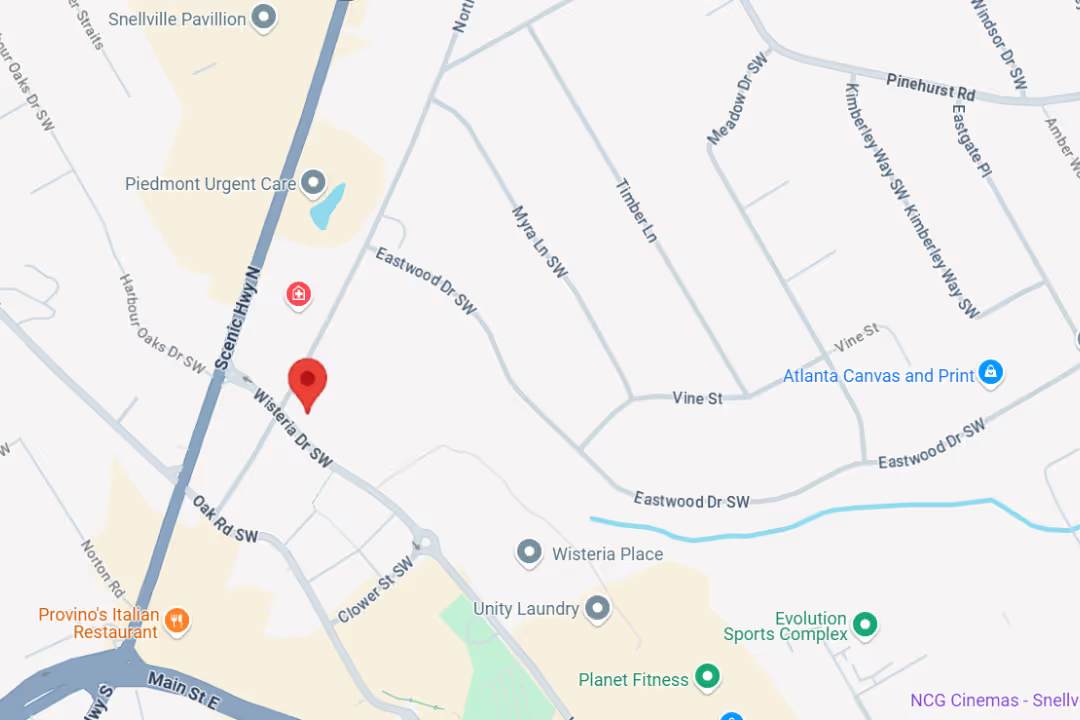
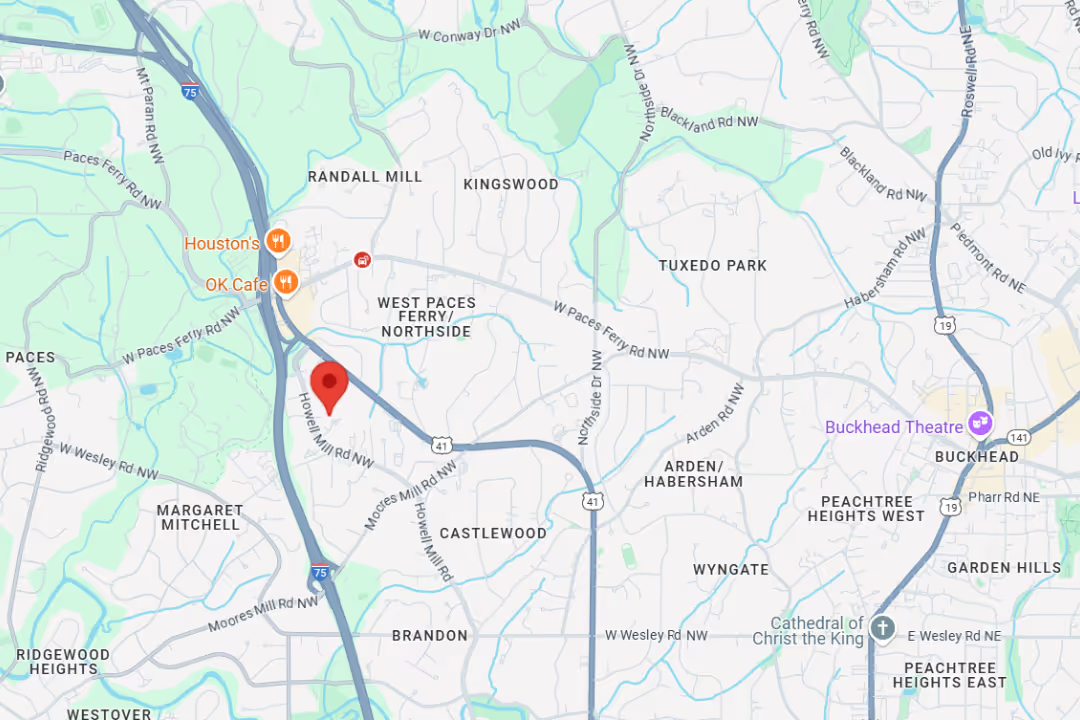
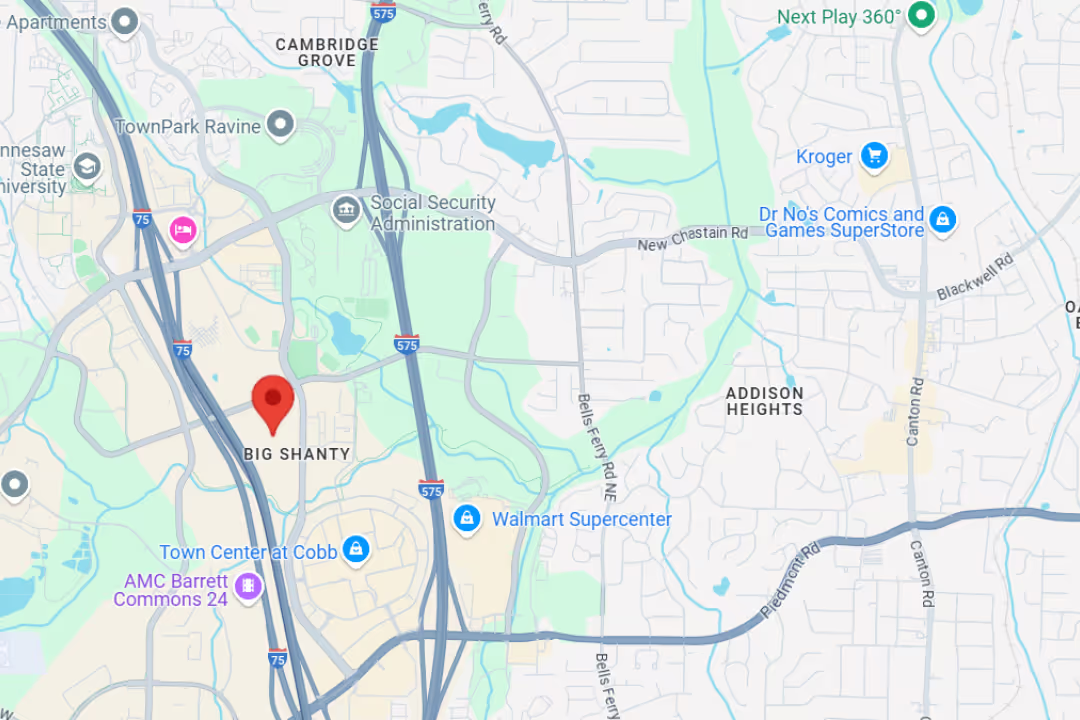
We built this piece around the questions we hear most often from new patients across our Kennesaw, Snellville, Marietta, and Buckhead locations. Our hope is that by the end, you'll have a clearer sense of what to look for, what to ask, and what a genuinely patient-first orthopedic practice actually looks like from the inside.
Physical therapy remains one of the most effective tools for building strength, restoring mobility, and reducing pain without medication or procedures. Myofascial release, which targets tension and restriction in the connective tissue surrounding muscles, often complements physical therapy well. Many patients notice meaningful improvement within a few weeks of consistent, guided sessions.
Injections can offer targeted relief when inflammation or nerve irritation is the primary driver of pain. Epidural steroid injections are commonly used for spine-related pain and sciatica. Joint injections can reduce inflammation directly at the source, whether that's a knee, shoulder, or hip. Nerve blocks interrupt pain signals at a specific location, which can provide both diagnostic information and real relief.
Regenerative medicine has become one of the more exciting developments in orthopedic care over the past decade. Platelet-rich plasma (PRP) therapy uses concentrated platelets from your own blood to support healing in damaged tissue. Prolotherapy involves injecting a solution that stimulates the body's natural repair process in weakened ligaments or tendons.
Stem cell therapy takes this a step further by introducing cells that may help regenerate damaged tissue rather than simply reducing inflammation around it. Many patients who want to avoid or delay surgery find real value in these options, particularly for joint and tendon issues that haven't responded fully to more conservative measures.
For some patients, especially those managing chronic pain from conditions like fibromyalgia, neuropathy, or post-surgical pain, medication management plays an important supporting role. Our approach focuses on the lowest effective dose and the shortest necessary duration, always with the goal of reducing dependence over time rather than increasing it.
Spinal cord stimulation is a more advanced option for patients with chronic pain that hasn't responded well to other treatments. A small device delivers mild electrical pulses that interrupt pain signals before they reach the brain. It's not the first step for most patients, but it can be a genuinely life-changing option for the right candidate.
Most patients try physical therapy, injections, medication, or regenerative treatments first, often for weeks or months. If pain continues to limit daily function despite consistent conservative care, or if imaging shows structural damage that won't improve without intervention, surgery may become the more realistic option. A few signs worth paying attention to include:
When surgery is appropriate, the specific procedure depends heavily on the condition and the patient. Joint replacement, particularly for the knee and hip, remains one of the most common and most successful orthopedic surgeries performed today. Minimally invasive spine surgery addresses issues like herniated discs or spinal stenosis through smaller incisions than traditional open procedures.
Other common procedures include rotator cuff repair, ACL reconstruction, and arthroscopic surgery for joint issues that require direct visualization and repair. Each of these has evolved significantly over the past decade, with most now offering shorter recovery windows than patients often expect.
How Do You Approach Non-Surgical Treatment First?
Ask directly what non-surgical options they'd try before recommending surgery, and how long they typically give those treatments before reassessing. A vague answer here is often a signal worth paying attention to.
What Does Recovery Actually Look Like, Surgical or Not?
Recovery timelines vary widely depending on the treatment and the individual. A trustworthy surgeon will give you a realistic picture, including setbacks that are common, rather than an overly optimistic estimate designed to make the decision easier.
Will I See the Surgeon or Mostly Staff?
Some larger practices rotate patients through physician assistants or nurse practitioners with limited direct surgeon involvement. There's nothing wrong with a collaborative care team, but you should know upfront how much direct access you'll have to your actual surgeon.
A good sign in any consultation is a provider who asks detailed questions about your pain, your daily life, and your goals before offering a treatment plan. If the recommendation comes before the questions do, that's worth noticing.
You should walk out of a consultation understanding why a particular path was recommended, not just what it is. A provider who takes time to explain the reasoning behind non-surgical and surgical options alike is one who respects your role in the decision.
This one is hard to quantify but easy to feel. The best providers remember details about your life, your work, and your goals, not just your chart number.
Rather than treating each therapy in isolation, we often combine physical therapy, injections, and regenerative medicine because they tend to reinforce one another. A patient recovering from a joint injury might benefit from PRP therapy alongside targeted physical therapy, for example, rather than choosing just one.
Our physicians actively work to identify conservative and regenerative options before recommending surgery, and only escalate when those approaches genuinely aren't enough. This isn't a marketing line. It's built into the mission that guides every treatment plan we create.
Dr. Sonny Dosanjh leads our practice with a focus on interventional pain management and a conservative-first philosophy. Dr. Darren Newfield brings orthopedic surgical expertise, particularly in minimally invasive techniques, for patients who do need surgical care. Together, they represent both ends of the treatment spectrum under one roof.
If there's one thing worth remembering from all of this, it's that the best orthopedic surgeon isn't defined by how many procedures they perform. It's defined by how carefully they consider whether a procedure is even the right answer for you.
Pain has a way of making people feel like they need to act fast and settle for the first available appointment. We understand that urgency, but we also believe patients deserve a team that slows down enough to get the diagnosis and the plan right. That means real conversations, real options, and a genuine effort to help you avoid surgery when possible, and to prepare you well for it when it isn't.
You don't have to figure out whether surgery is necessary on your own, and you don't have to keep living with pain that's limiting your life. Our team at Medici Orthopaedics & Spine is here to walk through your options with you, from physical therapy and regenerative medicine to advanced surgical care when it's genuinely needed.
Call us at +1-844-328-4624 or visit mediciortho.com to schedule an evaluation.
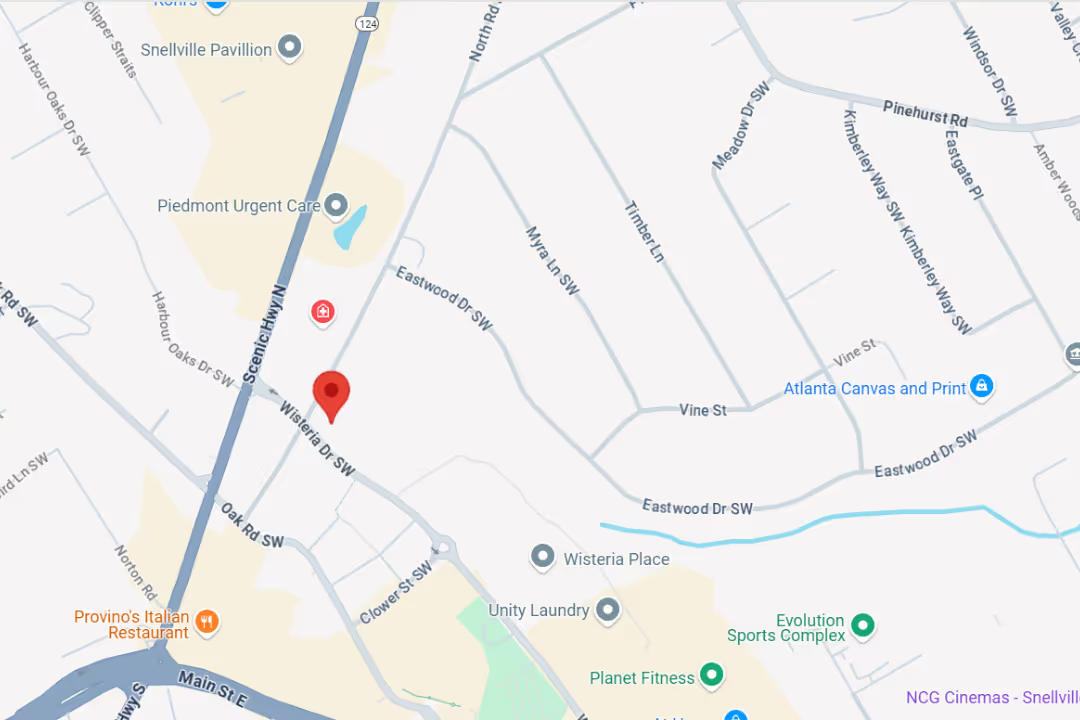
Our Locations:
Explore our library of patient support guides covering the conditions we treat, the treatments we offer, and the questions we hear most. Each one is written to help you understand your options and feel confident about your next step. Browse the topics below to learn more, or reach out to our team anytime.

At Medici, you’re more than your MRI.
We take time to hear your story, understand your pain, and create a plan that actually works for you.

Our team delivers specialist care at convenient locations across Metro Atlanta:
Get expert tips on injury recovery, pain relief, joint health, and movement strategies—straight from our Fellowship-Trained team.