The temporomandibular joints (TMJ) are among the most active joints in your body—engaging every time you talk, eat, yawn, or even express emotion. When these joints become inflamed, misaligned, or strained, the result can be temporomandibular joint disorder, commonly known as TMJ disorder or TMD. This condition affects millions of people and can make the simplest tasks—like chewing or speaking—unexpectedly painful.
TMJ dysfunction impacts more than just the jaw. It can cause:
As stress levels rise, postural habits shift due to more screen time, and dental alignment issues become increasingly common, TMJ problems are becoming more widespread—especially among adults who grind or clench their teeth subconsciously.
At Medici Orthopaedics & Spine, we believe TMJ disorders should be treated with a non-invasive, patient-centered approach. Rather than masking symptoms with temporary fixes, our team focuses on understanding the root cause of your pain. TMJ is not just a dental issue—it often involves muscles, nerves, posture, and the cervical spine. By identifying the full picture, we help patients throughout Georgia find relief that lasts.
TMJ disorders can stem from a variety of musculoskeletal, dental, and behavioral factors. Because the jaw, neck, and facial muscles work together as a unit, dysfunction in one area often affects the others. Understanding the source of your pain is the first step toward long-term relief.
Tight or overworked jaw muscles can create pain, stiffness, and limited movement. This tension often develops from stress, posture issues, or unconscious habits.
Grinding or clenching—especially at night—places significant strain on the jaw joints and surrounding muscles. Over time, this leads to inflammation, soreness, and TMJ dysfunction.
Stress-related habits such as clenching, grinding, or tightening facial muscles contribute significantly to TMJ disorders.
Osteoarthritis, rheumatoid arthritis, or joint wear from years of use can inflame the TMJ and reduce smooth movement.
When the upper and lower teeth don’t come together properly, the jaw joint is forced to overcompensate—leading to stress, pain, and clicking or popping.
A direct blow to the jaw, whiplash, or other injuries can disrupt joint alignment or cause inflammation.
Forward head posture—common from long hours at computers or phones—can strain the neck and jaw muscles. Because the jaw and cervical spine share muscular and nerve pathways, neck issues often contribute to TMJ pain.
At Medici Orthopaedics & Spine, we take a diagnostic-first approach to TMJ disorders. Instead of assuming the cause, we perform a detailed evaluation to pinpoint the true source of your symptoms—whether muscular, joint-related, postural, or nerve-driven.
We examine how your jaw interacts with your neck, shoulders, and posture to understand the complete biomechanical picture.
We assess how wide you can open, jaw tracking, symmetry, and any deviations or clicking during movement.
Gentle palpation helps identify areas of muscle tightness, trigger points, and inflammation.
Since TMJ dysfunction often begins in the neck, we evaluate alignment, muscle balance, and mobility to spot contributing patterns.
If structural issues or joint degeneration are suspected, imaging helps us visualize the TMJ, surrounding tissues, and cervical spine with precision.
We consider stress, bruxism, bite issues, muscle imbalances, trauma, posture, and lifestyle habits that may be fueling your pain.
We walk you through our findings in clear, relatable terms so you understand your condition and what’s driving your symptoms. From there, we create a personalized, non-invasive treatment plan tailored to your unique needs.
At Medici Orthopaedics & Spine, our goal is to treat TMJ disorders using the least-invasive, most effective methods available. Because TMJ pain often involves muscles, posture, nerves, and joint mechanics—not just the jaw itself—our treatment plans are integrative and tailored to each patient’s specific needs.
Physical therapy is one of the most effective non-surgical treatments for TMJ disorders. Our therapists focus on restoring natural jaw mechanics, reducing muscle strain, and addressing postural issues that feed into jaw dysfunction.
Our approach includes:
This targeted combination helps reduce pain, prevent flare-ups, and restore functional movement.
TMJ pain often stems from muscle tension—not just the joint. That’s why manual therapy is a key part of Medici’s treatment approach.
Our hands-on therapies include:
This therapy is especially effective for patients with clenching, grinding, or stress-related jaw tension.
Some TMJ conditions benefit from dental support, especially when grinding or bite misalignment contributes to pain.
We use and coordinate:
This integrated approach ensures the jaw, teeth, muscles, and spine are treated together—not separately.
Medici prioritizes drug-sparing, safe, and conservative medication use.
Options may include:
Medication is used as a supportive tool—not the primary solution.
For patients with severe inflammation, muscle spasms, or nerve irritation, targeted injections can provide quick relief.
Medici offers:
These options are minimally invasive and often used alongside physical therapy for best results.
Because stress is one of the most common triggers of TMJ flare-ups, we integrate supportive strategies into your treatment plan.
These include:
Supporting emotional and physical wellness creates a more complete and lasting recovery.
Medici is one of the few practices offering HBOT for TMJ-related conditions.
HBOT benefits include:
HBOT often works synergistically with physical therapy and manual therapy.
Posture plays a major role in TMJ function. Poor workstation habits, prolonged screen time, and forward-head posture all contribute to jaw strain.
We provide:
These small changes can create dramatic improvements in comfort and mobility.
TMJ disorders can affect every aspect of daily life—from speaking and eating to sleeping and working. At Medici Orthopaedics & Spine, we specialize in identifying the true source of TMJ pain and providing effective, non-surgical treatment options that restore comfort, mobility, and function.
Our integrative approach ensures that your jaw, neck, posture, and overall musculoskeletal health are all evaluated and supported. Whether your symptoms are new or long-standing, our team delivers thoughtful, compassionate care designed to help you regain control of your daily life.
If jaw pain, headaches, facial tightness, or clicking are holding you back, we’re here to help you find long-lasting relief with personalized, conservative treatment that works.
Main Line: +1-844-328-4624
Kennesaw Clinic: (770) 545-6404
Marietta ASC: (470) 795-8398
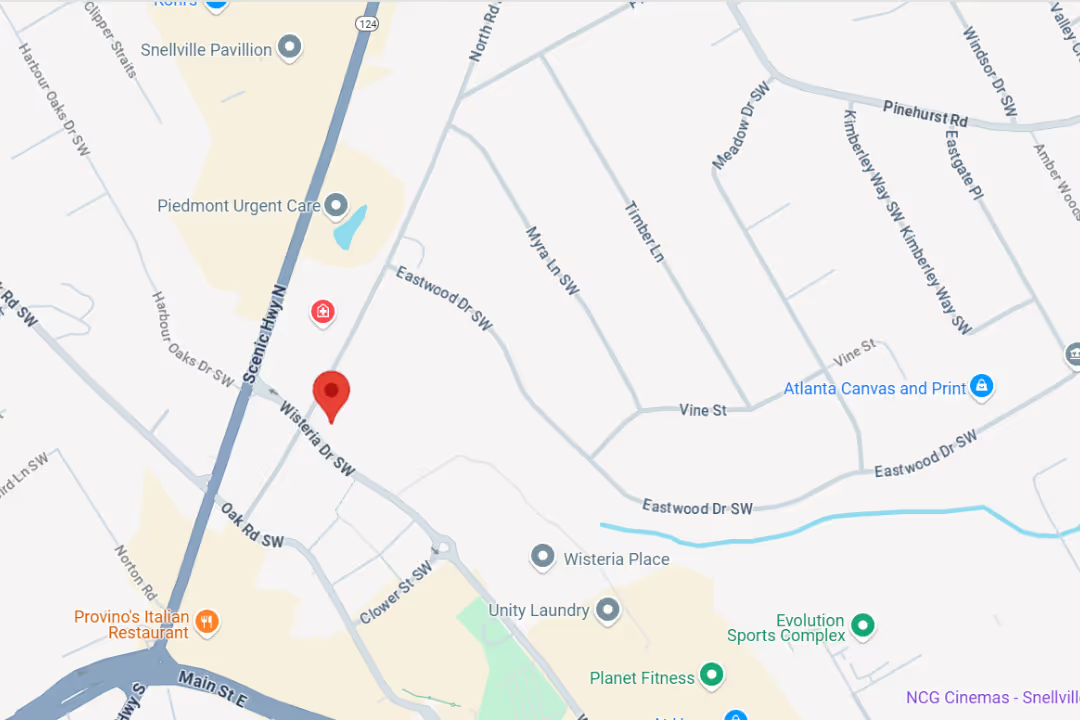
Snellville Clinic/ASC: (470) 645-9297
Buckhead PM&R: (770) 872-7549
At Medici, you’re more than your MRI.
We take time to hear your story, understand your pain, and create a plan that actually works for you.

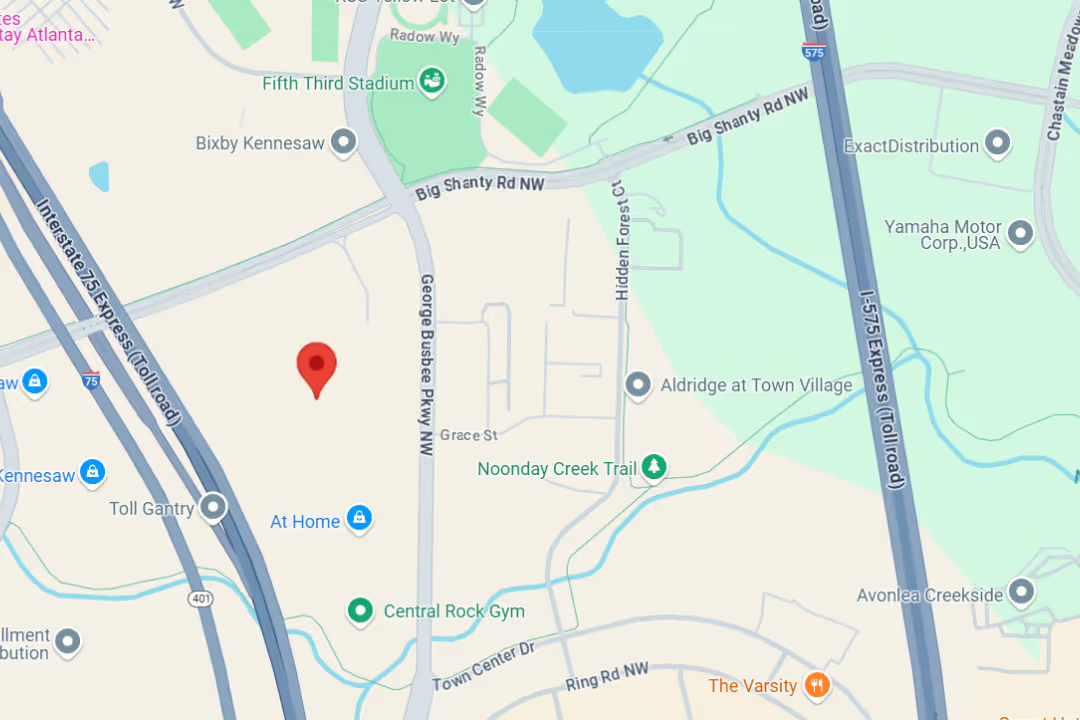
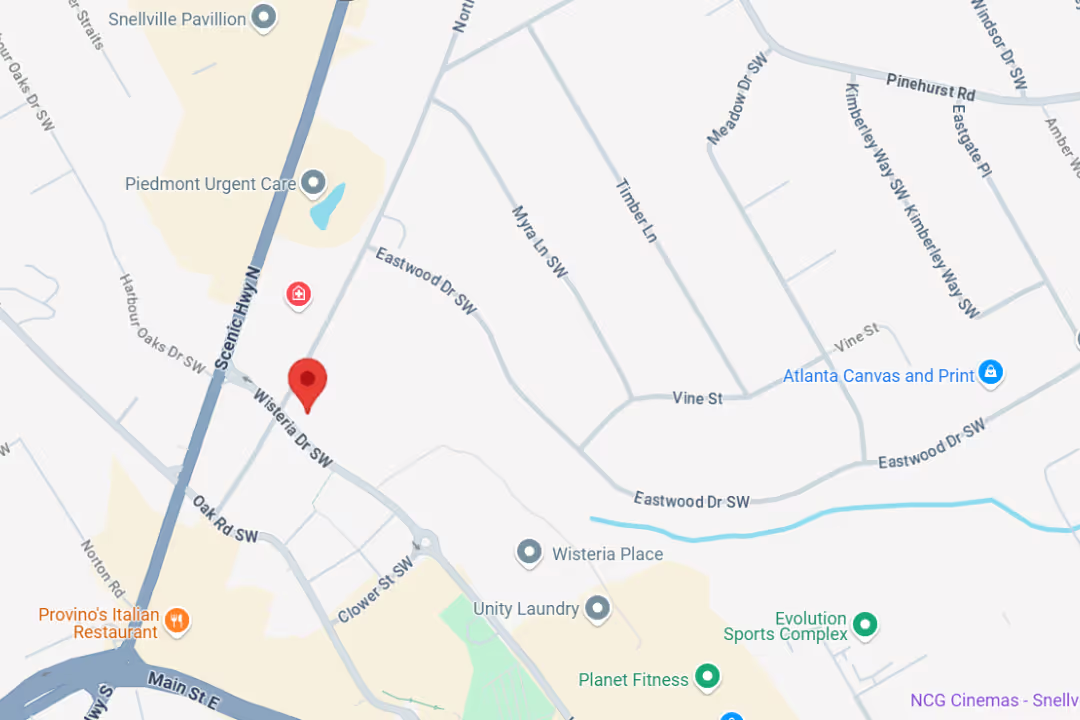
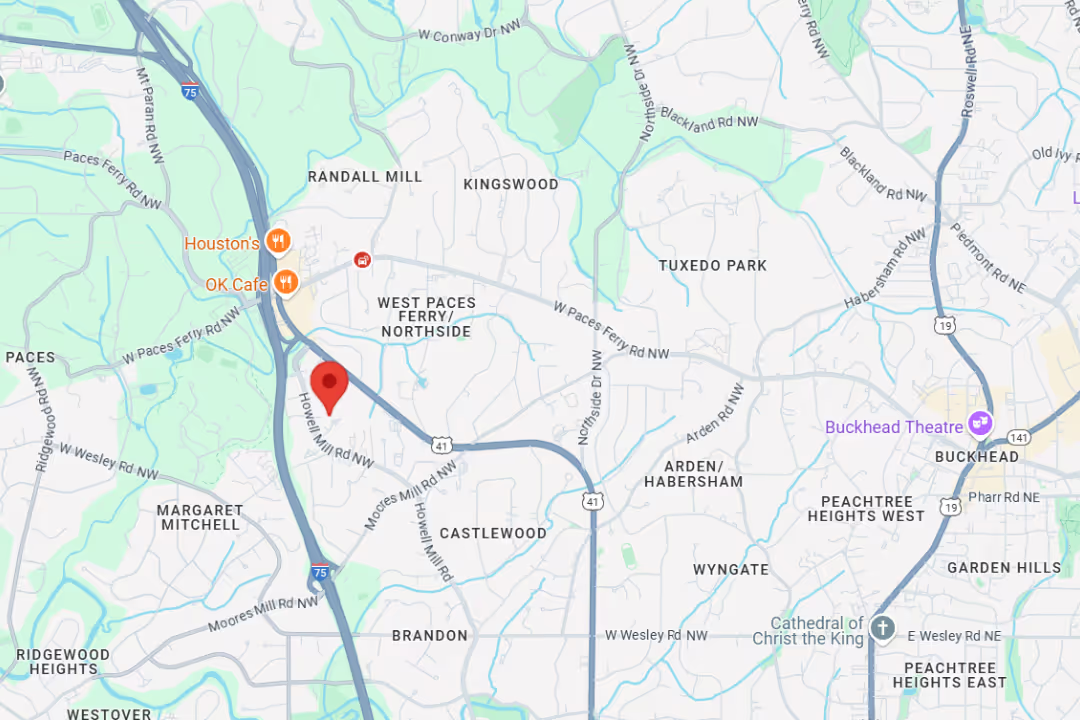
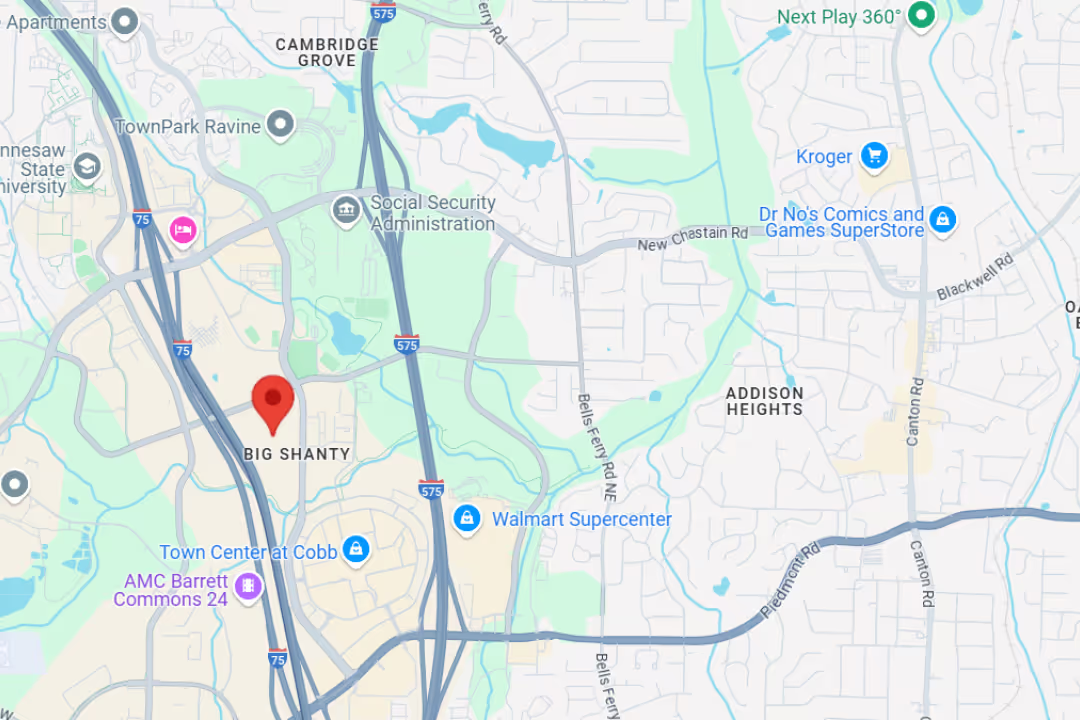
Our team delivers specialist care at convenient locations across Metro Atlanta:
Get expert tips on injury recovery, pain relief, joint health, and movement strategies—straight from our Fellowship-Trained team.