Pain is one of the most complex experiences the human body can produce—and one of the most commonly misunderstood. For many patients, especially those dealing with chronic conditions, pain management becomes a long journey filled with different medications, treatments, and evolving symptoms. Along the way, it can become difficult to distinguish what is truly causing the pain.
A common challenge in modern care is the cycle of treating symptoms rather than addressing root causes. When pain persists, medications are often adjusted or added, sometimes without fully identifying whether the original issue is still the primary driver. Over time, this can lead to a layered treatment approach that may not actually resolve the underlying problem.
In some cases, medications themselves can introduce new symptoms—such as muscle aches, nerve sensations, fatigue, or discomfort—that closely resemble or even worsen the original pain. This overlap can make it increasingly difficult to tell whether the condition is progressing or if the treatment is contributing to the problem.
That’s why identifying whether pain is primary (coming from an injury or condition) or medication-related is so important. With the right evaluation and guidance, patients can break out of this cycle and move toward a more effective, targeted approach to relief.
Opioids are often prescribed for moderate to severe pain, particularly after injury or surgery. While they can provide short-term relief, they also come with significant risks.
Considerations include:
Nonsteroidal anti-inflammatory drugs (NSAIDs) are commonly used to reduce inflammation and pain, but they are not without side effects—especially with prolonged use.
Potential concerns include:
Medications used for nerve-related pain—such as anticonvulsants or certain antidepressants—can be highly effective, but they may also alter how the body perceives sensation.
Common side effects include:
These medications are often used to relieve muscle tension or improve sleep, but they can also mask symptoms without addressing the root cause.
Potential effects include:
One of the most common outcomes is the “medication cascade,” where new prescriptions are added to manage the side effects of existing ones.
This can result in:
As medications accumulate, so do their effects on the body.
This may include:
When the focus shifts to managing symptoms rather than identifying the root cause, true recovery can be delayed.
This can lead to:
As symptoms persist, there may be a tendency to increase dosages or rely more heavily on medications.
This can result in:
The first step is a detailed and holistic evaluation of the patient’s condition.
This includes:
A key part of specialist care is evaluating whether current medications are helping—or contributing to the problem.
This process involves:
Rather than focusing only on symptoms, a pain management specialist works to uncover the true source of discomfort.
This may include:
Once the source of pain is identified, treatment can be focused and intentional.
A comprehensive plan may include:
Targeted procedures can provide relief directly at the source of pain without affecting the entire body.
These may include:
Movement-based therapy is a cornerstone of long-term recovery.
Benefits include:
For certain conditions, regenerative therapies can support healing at a deeper level.
These treatments focus on:
Sustainable pain relief often requires changes beyond clinical treatments.
These strategies may include:
True pain relief begins with understanding the source. When pain is properly identified—whether it stems from an injury, inflammation, nerve involvement, or even medication-related effects—treatment becomes more focused, effective, and sustainable.
Treating side effects alone can lead to a frustrating cycle of ineffective care. Adding medications to counteract other medications often increases complexity without delivering meaningful improvement. Over time, this approach can mask the real issue while introducing new challenges.
A comprehensive, expert-guided approach changes that trajectory. By carefully evaluating symptoms, medications, and underlying conditions, pain management specialists can distinguish between true pain and treatment-related effects—leading to more precise and effective care.
Focusing on root causes empowers patients to regain control of their health. Instead of chasing symptoms, patients can move forward with clarity, confidence, and a treatment plan designed for long-term relief and improved quality of life.
If you feel like your pain is being managed—but not truly improving—it may be time to take a closer look at what’s really causing your symptoms.
At Medici Orthopaedics & Spine, we specialize in identifying the difference between true pain and medication-related side effects. Our goal is to help you achieve meaningful, lasting relief with the least invasive and least medication-dependent approach possible.
Schedule your consultation today:
🌐 Website: https://www.mediciortho.com/
📞 Phone: +1-844-328-4624
Visit one of our convenient locations:
Marietta Ambulatory Surgery Center
792 Church Street, Unit 101
Marietta, GA 30060
(470) 795-8398
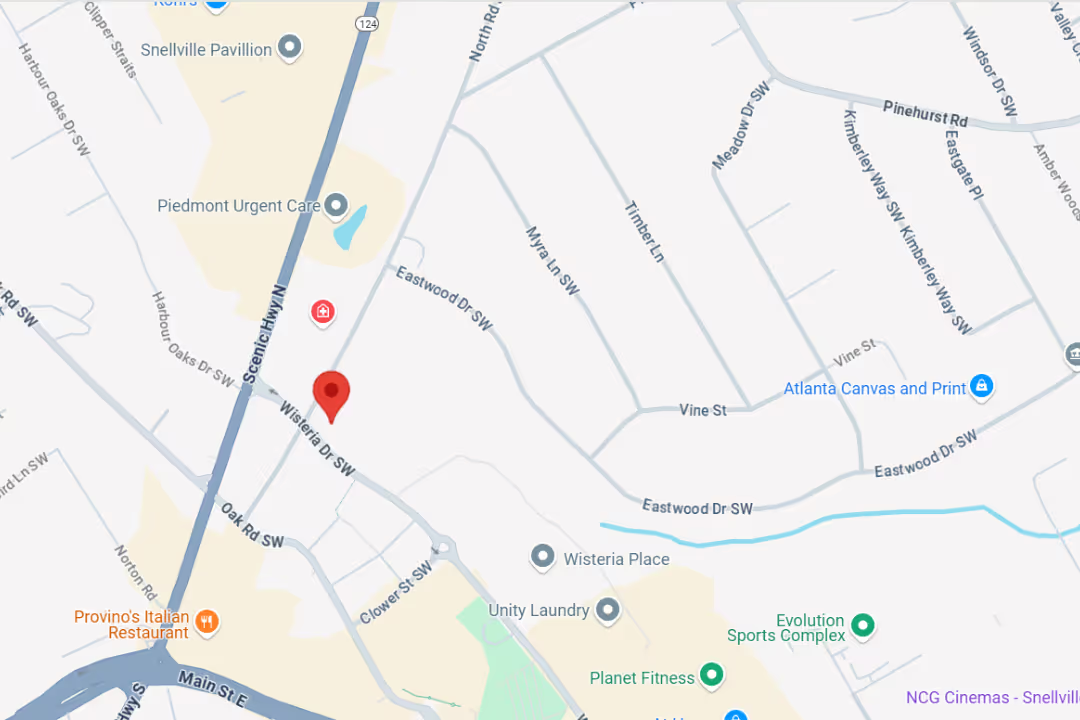
Snellville Ambulatory Surgery Center
2220 Wisteria Dr, Unit 100
Snellville, GA 30078
(470) 795-8398
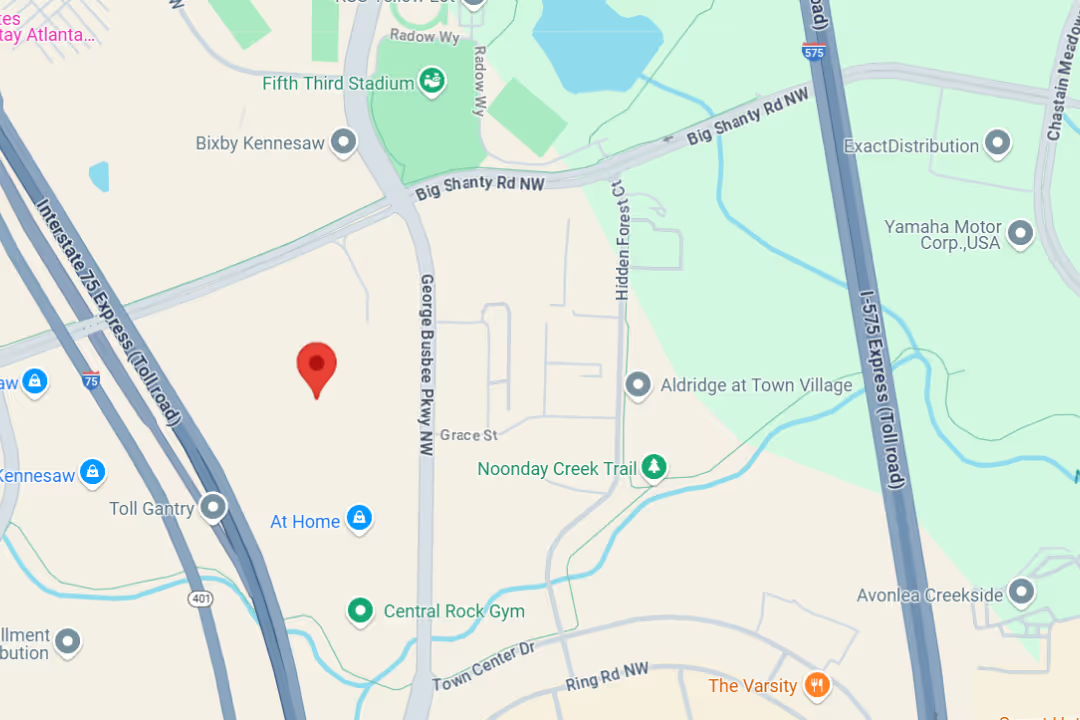
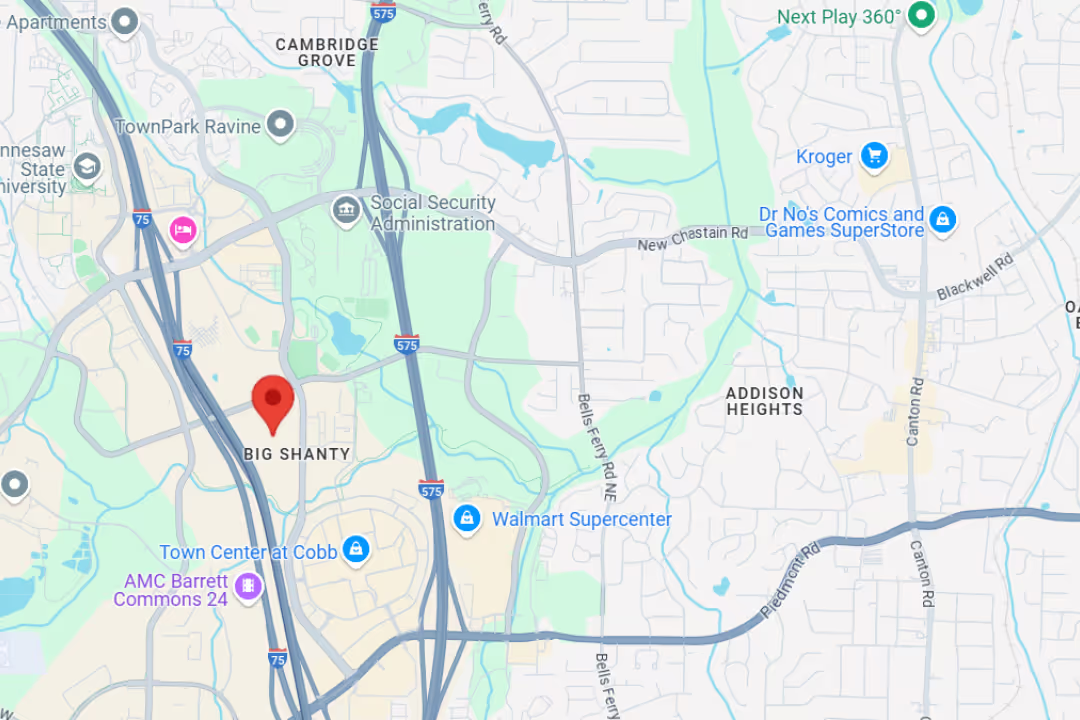
Kennesaw Clinic
2911 George Busbee Parkway, Suite 50
Kennesaw, GA 30144
(770) 545-6404
Snellville Clinic
2220 Wisteria Drive, Unit 101
Snellville, GA 30078
(470) 645-9297
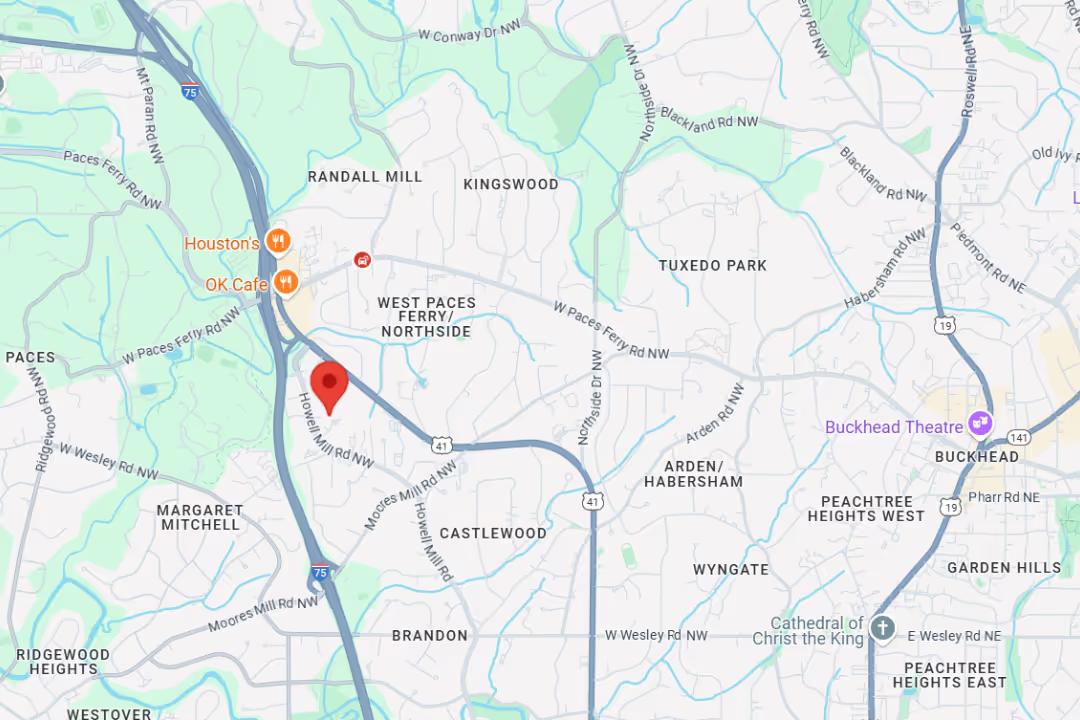
Buckhead PM&R
3200 Downwood Circle NW, Suite 520
Atlanta, GA 30327
(770) 872-7549
At Medici, you’re more than your MRI.
We take time to hear your story, understand your pain, and create a plan that actually works for you.

Our team delivers specialist care at convenient locations across Metro Atlanta:
Get expert tips on injury recovery, pain relief, joint health, and movement strategies—straight from our Fellowship-Trained team.