Finishing a marathon is a huge accomplishment—your body just did something extraordinary. And the hours (and days) afterward can feel… very real. Heavy legs. Tight calves and hips. Sore quads. Stiffness getting out of the car. Random cramps. A little swelling in the feet or ankles. Deep fatigue. Even poor sleep despite being exhausted, because your nervous system is still “buzzing” from race day.
If that’s you, you’re not alone. Post-marathon soreness is common, and it doesn’t mean you “broke” something—it usually means your muscles and connective tissues are recovering from a big workload. The upside is that smart recovery can reduce lingering tightness, help you move more comfortably, and support a safer return to training.
One option many runners look for is a post-marathon sports massage near Kennesaw. Massage can be a great part of recovery—but it’s not a magic reset button. Timing and technique matter, especially right after a race when tissues are irritated and inflamed. At Medici Orthopaedics & Spine, our goal is to help active adults recover with an approach that’s effective and least invasive—supporting function, mobility, and quality of life with the right tools at the right time.
Runners often report that their legs feel less “wooden” and more mobile afterward—especially in the calves, quads, and hip region. This can make daily movement (stairs, walking, sitting-to-standing) feel far less miserable.
Marathon fatigue can shorten and stiffen tissues temporarily. Massage can support comfortable mobility in:
Delayed onset muscle soreness (DOMS) often peaks 24–72 hours after a marathon. Massage may reduce DOMS for some runners, particularly when the work is recovery-focused rather than overly deep.
Runners rarely load perfectly evenly for 26.2 miles. Small form changes can lead to certain muscles “taking over.” Post-marathon sports massage can help calm common compensation patterns involving:
After race-day adrenaline and nervous system activation, some runners feel wired even when exhausted. Massage can help the body shift into a calmer state, supporting:
Massage is most valuable when it helps you move well enough to do the next right things—gentle mobility, easy walking, and (later) strength work—without your body feeling stuck or guarded.
If you choose to get work done the same day, keep it light and calming:
This is when many athletes do best with gentle-to-moderate work, depending on soreness:
Once soreness is settling and you’re moving more normally, deeper trigger point or myofascial work can be helpful—if there are no injury red flags:
A good therapist should ask about:
Common post-marathon targets include:
Calves work nonstop for 26.2—propelling you forward, stabilizing the ankle, and absorbing impact.
Many runners describe a “tight IT band,” but the pain is often tied to how the hip, thigh, and knee are loading.
Sustained hip flexion (and fatigue) can leave hip flexors short and cranky, which often shows up as low back stiffness.
Post-race, the Achilles and plantar fascia can feel tight, “creaky,” or tender—sometimes from pure overload, sometimes from form changes late in the race.
Quads often take a beating from hills, braking, and late-race fatigue.
Contact a medical professional if you notice:
Post-race soreness is incredibly common—especially after 26.2 miles. Heavy legs, tight calves, stiff hips, and DOMS don’t mean you did something wrong; they usually mean your body is doing exactly what it’s supposed to do: repairing and rebuilding. The difference between “I’m still wrecked two weeks later” and “I’m back to moving well” often comes down to smart recovery.
The best results from post-marathon sports massage come from three things: proper timing, runner-specific techniques (not generic deep tissue), and paying attention to red flags that suggest something more than normal soreness. If you’re generally sore and stiff, massage can be a supportive tool that helps you move better and sleep better—so you can return to training more safely. If something feels sharp, worsening, or abnormal, an evaluation can help you protect your body and avoid turning a small issue into a bigger setback.
If you’re looking for a recovery-focused post-marathon sports massage near Kennesaw, we’d love to help you bounce back with a plan that fits your body and your running goals. At Medici Orthopaedics & Spine, we take a coordinated approach—supporting mobility and recovery, and offering clear guidance if your symptoms suggest an injury that needs more than massage.
Main Contact: +1-844-328-4624
Website: https://www.mediciortho.com/
Medici Orthopaedics & Spine – Kennesaw
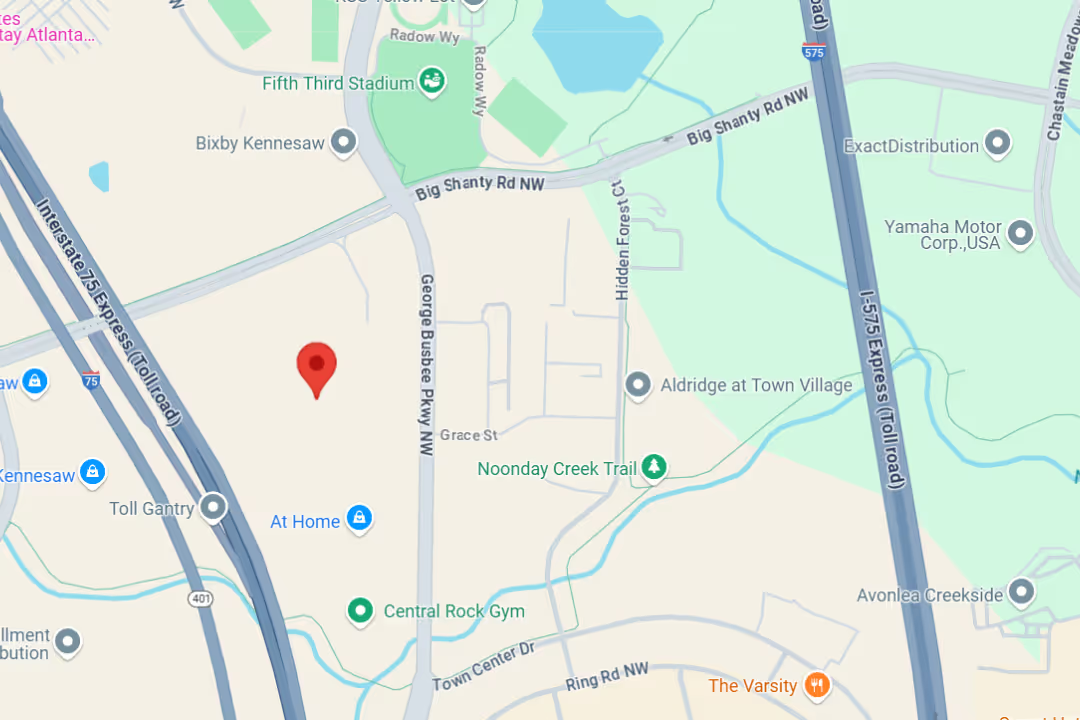
2911 George Busbee Parkway, Suite 50, Kennesaw, GA 30144
(770) 545-6404
At Medici, you’re more than your MRI.
We take time to hear your story, understand your pain, and create a plan that actually works for you.
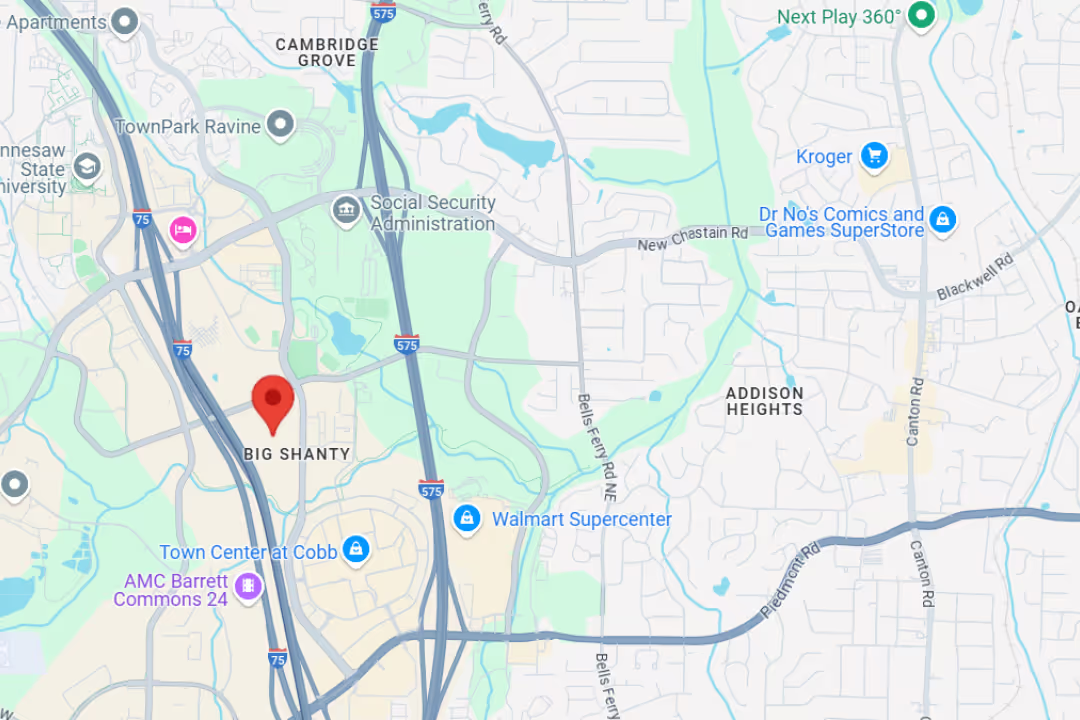
Our team delivers specialist care at convenient locations across Metro Atlanta:
Get expert tips on injury recovery, pain relief, joint health, and movement strategies—straight from our Fellowship-Trained team.