Chronic nerve pain can be incredibly disruptive—and frustrating—especially when it lingers long after a spine surgery or injury. Nerves are delicate structures, and even when the spine has been stabilized or repaired, irritated or damaged nerves may continue sending pain signals. This can lead to burning, tingling, shooting, or radiating discomfort that persists despite a patient’s best efforts with medication, physical therapy, or injections.
This is where Spinal Cord Stimulation (SCS) offers real hope. SCS is a proven, long-term treatment option for chronic nerve-related pain, using gentle electrical pulses to interrupt pain signals before they reach the brain. But before moving toward a permanent implant, every patient undergoes an SCS trial—a temporary, reversible test that allows you to “try on” the therapy and see how well it reduces your pain.
At Medici Orthopaedics & Spine, we specialize in minimally invasive, drug-sparing pain solutions. Our approach to SCS trials is rooted in compassionate listening, thoughtful diagnostics, and a deep understanding of nerve pain. We believe you should feel empowered, informed, and supported through every step of your treatment journey.
Your body communicates with your brain through a vast network of nerves. When everything is functioning properly, these nerves send accurate messages—touch, movement, temperature, and pain.
But when nerves become injured, compressed, or inflamed, they can send constant pain signals, even when no ongoing injury exists. This is why some patients continue to experience severe discomfort long after surgery, injections, or physical therapy. Once a nerve becomes overly sensitive, it may keep “misfiring,” making your body feel pain that doesn’t match the severity of the underlying condition.
A spinal cord stimulator works by gently influencing the nerves that carry pain messages to the brain. It does this through:
Spinal cord stimulation is especially effective for chronic nerve-based pain conditions such as:
Everyone responds to neurostimulation a little differently. What provides excellent relief for one patient may offer less improvement for another.
The trial allows you to:
During the trial, you’ll learn how the stimulation feels and how easily it can be adjusted.
You will work with your Medici care team to:
The goal of the trial isn’t just pain reduction—it’s improved quality of life. Patients often notice changes in:
A successful SCS trial typically provides at least 50% reduction in pain—but at Medici, we look beyond numbers.
We evaluate your improvement holistically by asking:
Your journey begins with a thorough evaluation, including:
The trial procedure itself takes place in one of our Medici facilities and is typically completed within an hour.
Here’s how it works:
Most trials last 3–7 days, giving you enough time to test the therapy during your normal routine.
During this period, you’ll:
To keep the temporary leads secure, you’ll avoid:
One of the first steps is comparing your pain levels before the trial to your symptoms during it.
We look at:
Your personal experience matters just as much as the data.
We’ll discuss:
Your specialist also evaluates how your pain responded during real-life situations.
This can include:
If the trial shows promising results, your Medici care team will make a recommendation based on a holistic assessment, including:
If your trial is successful, you may choose to move forward with the permanent spinal cord stimulator implant. This is a minimally invasive outpatient procedure completed through small incisions.
During implantation:
Recovery after the permanent implant is typically straightforward.
You can expect:
For many patients, a successful spinal cord stimulator provides years of meaningful relief. Benefits often include:
Chronic nerve pain can feel overwhelming—especially when you’ve already tried multiple treatments without meaningful relief. But you do not have to continue living with discomfort that limits your movement, your sleep, or the activities you once enjoyed.
A Spinal Cord Stimulator (SCS) trial offers a safe, reversible, highly effective way to discover whether advanced neurostimulation can finally help you feel like yourself again. It’s a chance to test-drive real relief before committing to a long-term therapy, empowering you with knowledge, clarity, and hope.
We take the time to diagnose thoroughly, explain clearly, and treat compassionately—so you can move forward with confidence.
If you’re ready to explore long-term solutions for chronic nerve pain, we’re here to help.
At Medici, you’re more than your MRI.
We take time to hear your story, understand your pain, and create a plan that actually works for you.

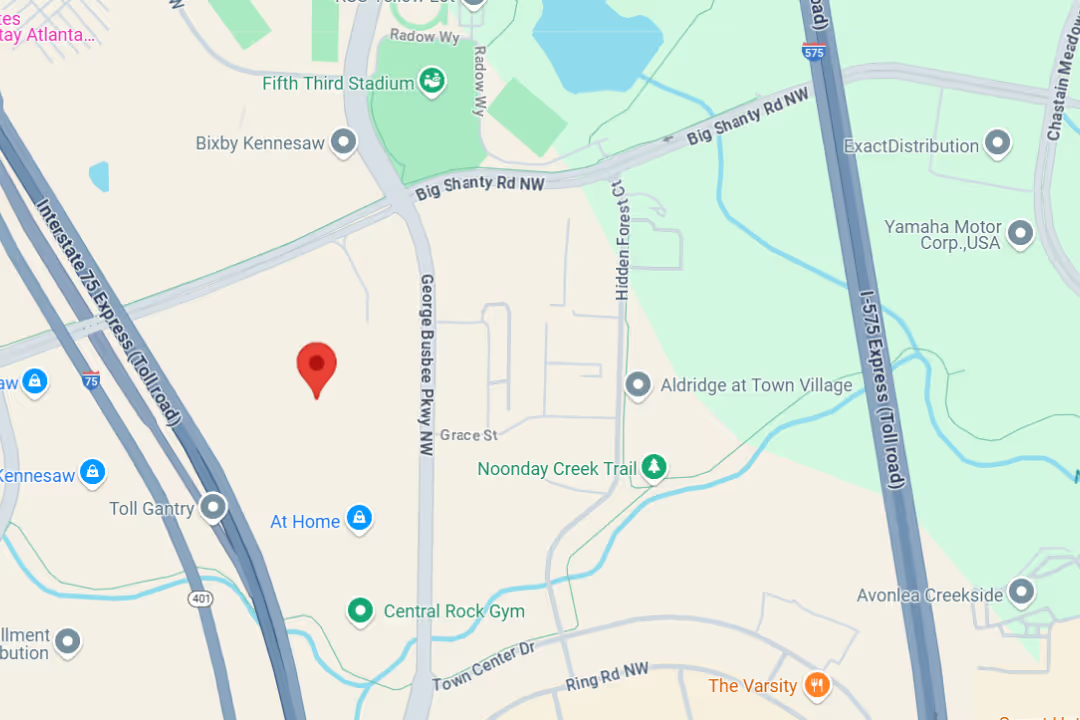
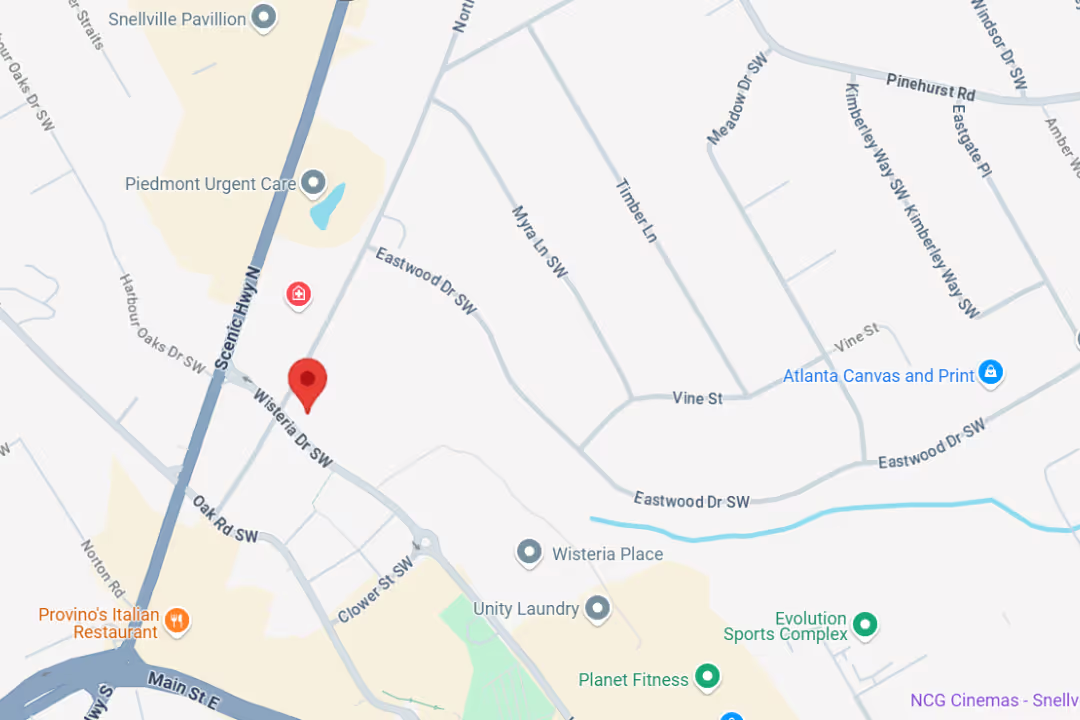
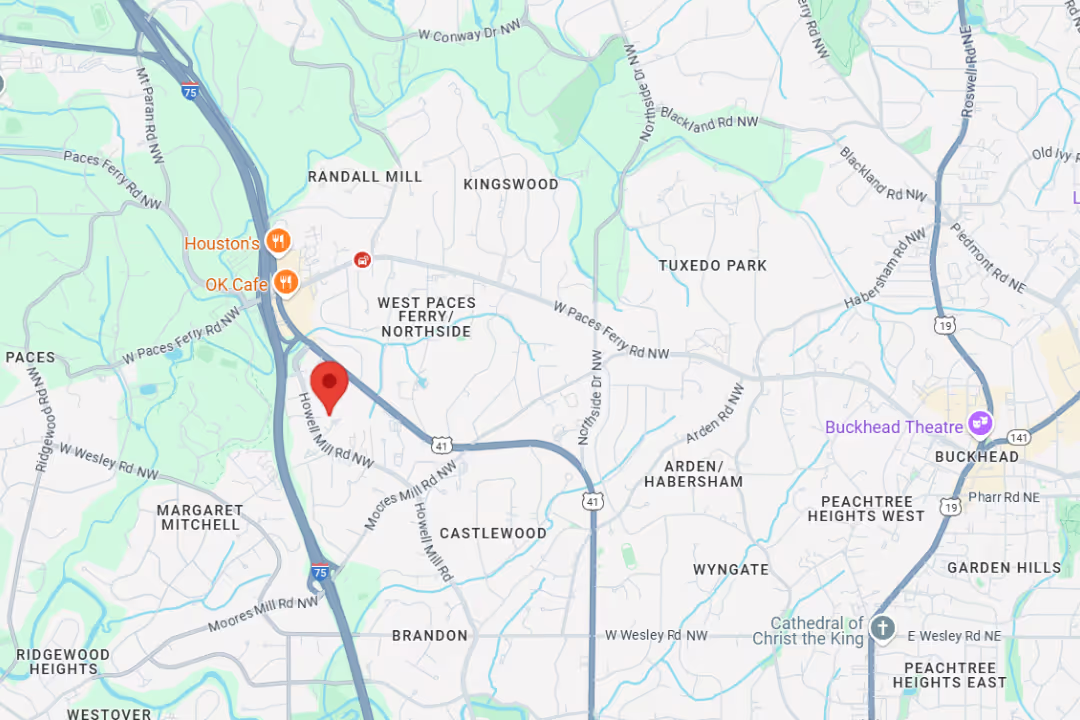
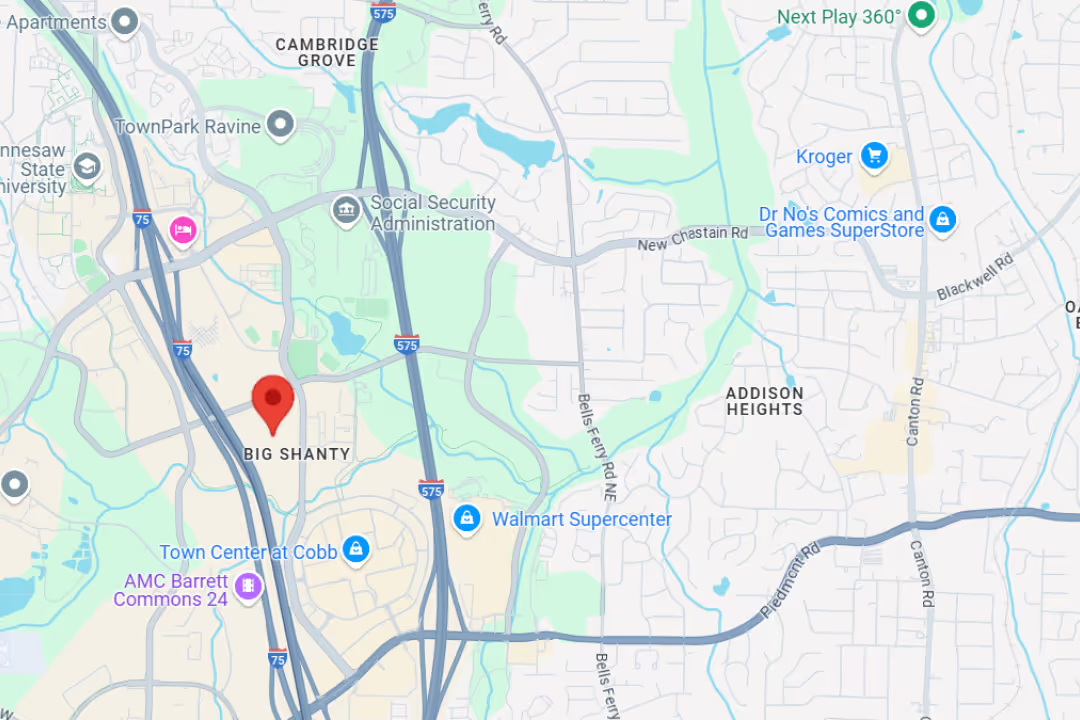
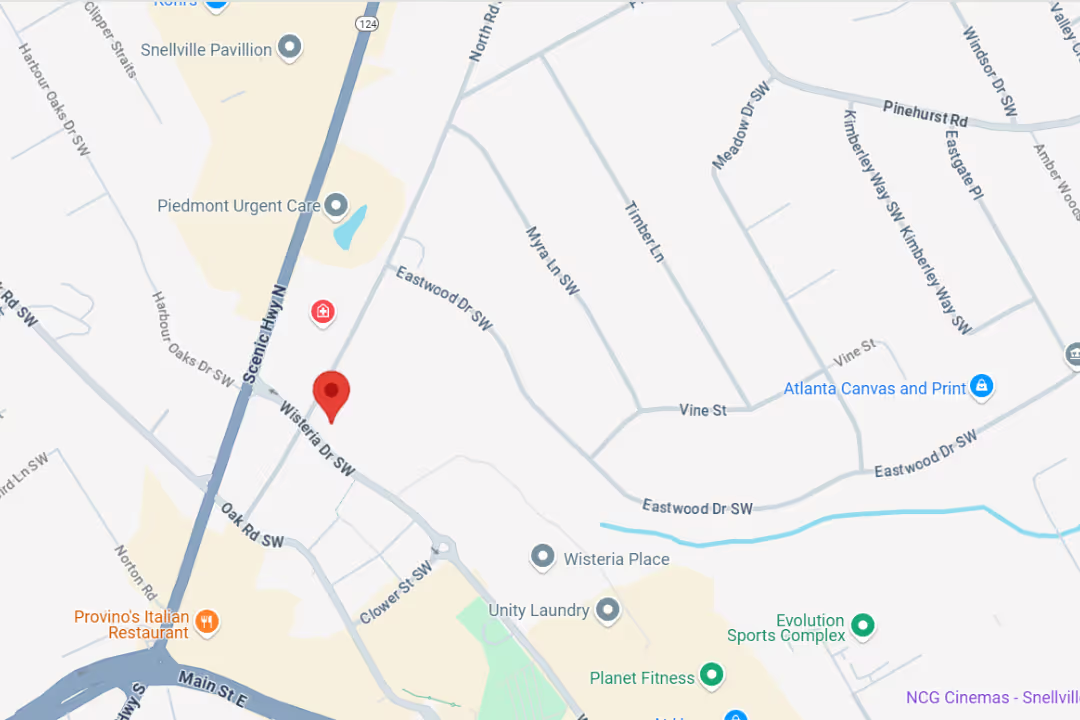
Our team delivers specialist care at convenient locations across Metro Atlanta:
Get expert tips on injury recovery, pain relief, joint health, and movement strategies—straight from our Fellowship-Trained team.