Lower back pain can wear on you in ways that are hard to explain until you have lived with it. It can make simple things feel complicated, like getting out of bed, sitting through work, walking through the grocery store, or enjoying time with family. When pain starts moving into the hips, buttocks, legs, or feet, it can become even more concerning because it may point to irritation or pressure on nerves in the lower spine.
At Medici Orthopaedics & Spine, we know most patients are not looking for “more treatment” just for the sake of treatment. They are looking for answers. They want to understand what is causing the pain, what can be done about it, and whether there is a way to feel better without jumping straight into a major procedure or relying heavily on medication.
For some patients, minimally invasive lumbar surgery in GA may be part of the answer. For others, the best first step may be physical therapy, injections, medication management, interventional spine care, regenerative medicine, or a combination of treatments that work together. The Medici team is committed to helping patients find the most effective, least invasive, least drug-dependent path medically available to restore quality of life.
Minimally invasive lumbar surgery is a type of lower back surgery performed through smaller incisions using specialized instruments and advanced visualization techniques. The lumbar spine refers to the lower portion of the back, an area that carries much of the body’s weight and is often involved in chronic back pain, sciatica, and nerve compression.
Rather than making a larger incision and moving more muscle out of the way, minimally invasive techniques are designed to reach the affected area with less disruption to surrounding tissues. The exact procedure depends on the patient’s diagnosis, anatomy, symptoms, and imaging results.
Traditional open spine surgery may require a larger incision and more muscle dissection to reach the spine. Minimally invasive lumbar surgery uses a more targeted approach. In many cases, this may allow the surgeon to access the problem area while preserving more of the surrounding muscle and soft tissue.
Potential differences may include:
The goal of lumbar spine surgery is to address the underlying problem that is causing pain, nerve irritation, weakness, or loss of function. In many cases, that means relieving pressure on a spinal nerve, removing damaged disc material, creating more room in the spinal canal, or stabilizing a portion of the spine.
For patients, the real goal is much more personal. It may be:
Minimally invasive lumbar decompression is designed to relieve pressure on spinal nerves in the lower back. This pressure may come from spinal stenosis, thickened ligaments, bone spurs, or other changes that narrow the space around the nerves.
When nerves are compressed, patients may feel pain, numbness, tingling, heaviness, or weakness in the legs. Some people find it difficult to stand or walk for long periods. Decompression surgery focuses on creating more room for the affected nerves so they can function with less irritation.
This type of procedure may be considered when:
A minimally invasive discectomy may be used to treat a herniated lumbar disc that is pressing on a nerve. During this type of procedure, the surgeon removes the portion of disc material that is irritating or compressing the nerve.
For many patients, the most frustrating symptom is not only back pain. It is the radiating leg pain, commonly called sciatica, that can make sitting, standing, walking, or driving difficult.
A minimally invasive discectomy may be discussed when a patient has:
A laminectomy is a procedure that removes part of the lamina, which is a section of bone at the back of the vertebra. In the lumbar spine, this may be done to create more space for compressed nerves.
A minimally invasive laminectomy uses smaller access points and specialized tools to reach the affected area. This approach may be used for certain patients with spinal stenosis or nerve compression.
Patients who may benefit from this type of procedure often describe symptoms such as:
Lumbar fusion is a procedure designed to stabilize part of the spine. In select cases, a minimally invasive fusion may be recommended when there is instability, significant degeneration, certain types of spondylolisthesis, or other structural problems that cannot be addressed with decompression alone.
Fusion is not needed for every patient with back pain. It is a more involved decision and requires careful evaluation. The Medici team considers whether the spine is unstable, whether nerve compression is present, and whether the patient’s symptoms match the structural findings.
A minimally invasive fusion may be considered when:
Some minimally invasive lumbar procedures use endoscopic or tubular techniques. These methods allow the surgeon to reach the affected area through a smaller working channel instead of a larger open incision.
With tubular techniques, small dilators may be used to gently separate muscle fibers rather than cutting through larger areas of muscle. Endoscopic techniques may use a small camera to help visualize the surgical area.
Potential advantages may include:
Lower back pain can take over more of life than people realize. At first, it may be an occasional ache. Then it starts changing how you sit, how you walk, how you sleep, and how much you can do in a day. When pain begins traveling into the legs or feet, it can become even more disruptive and concerning.
For some patients, minimally invasive lumbar surgery in GA may offer a way to relieve nerve pressure, improve function, and move toward a better quality of life. But surgery should never feel like the only conversation. The right care begins with listening, diagnosis, and a plan that makes sense for the individual patient.
You deserve care that is clear, compassionate, and built around helping you get back to your life. Whether you are dealing with chronic lower back pain, sciatica, spinal stenosis, a herniated disc, or pain after a previous spine procedure, Medici is here to help you understand your options and take the next step with confidence.
If you have been searching for minimally invasive lumbar surgery in GA, we invite you to contact Medici Orthopaedics & Spine. Our team will take the time to listen, evaluate your symptoms, review your options, and help you find a treatment plan focused on restoring your quality of life.
To schedule an appointment or learn more, call Medici Orthopaedics & Spine today.
Main Contact: +1-844-328-4624
Website: https://www.mediciortho.com/
Ambulatory Surgery Centers
Marietta
792 Church Street, Unit 101
Marietta, GA 30060
(470) 795-8398
Snellville
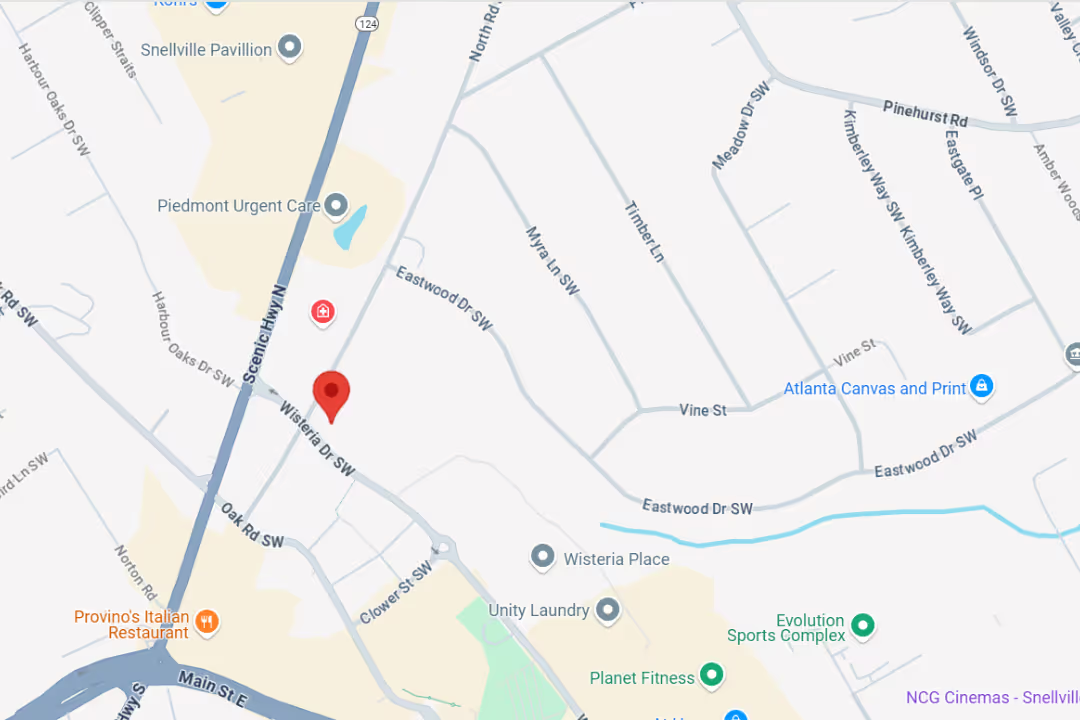
2220 Wisteria Dr, Unit 100
Snellville, GA 30078
(470) 795-8398
Clinics
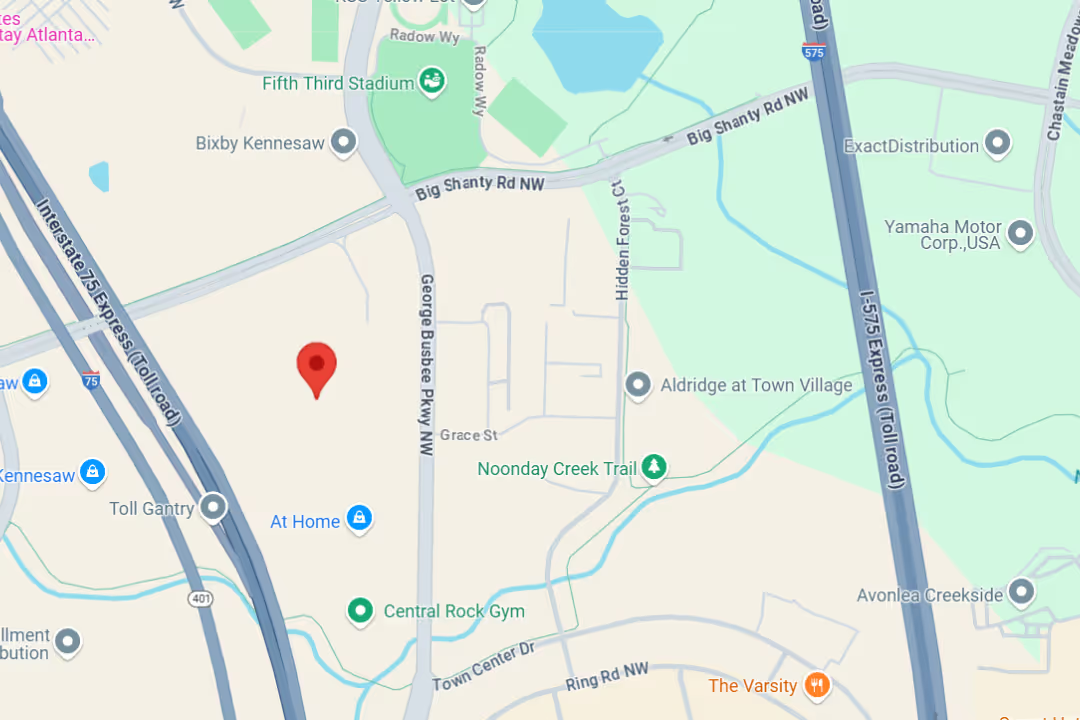
Kennesaw
2911 George Busbee Parkway, Suite 50
Kennesaw, GA 30144
(770) 545-6404
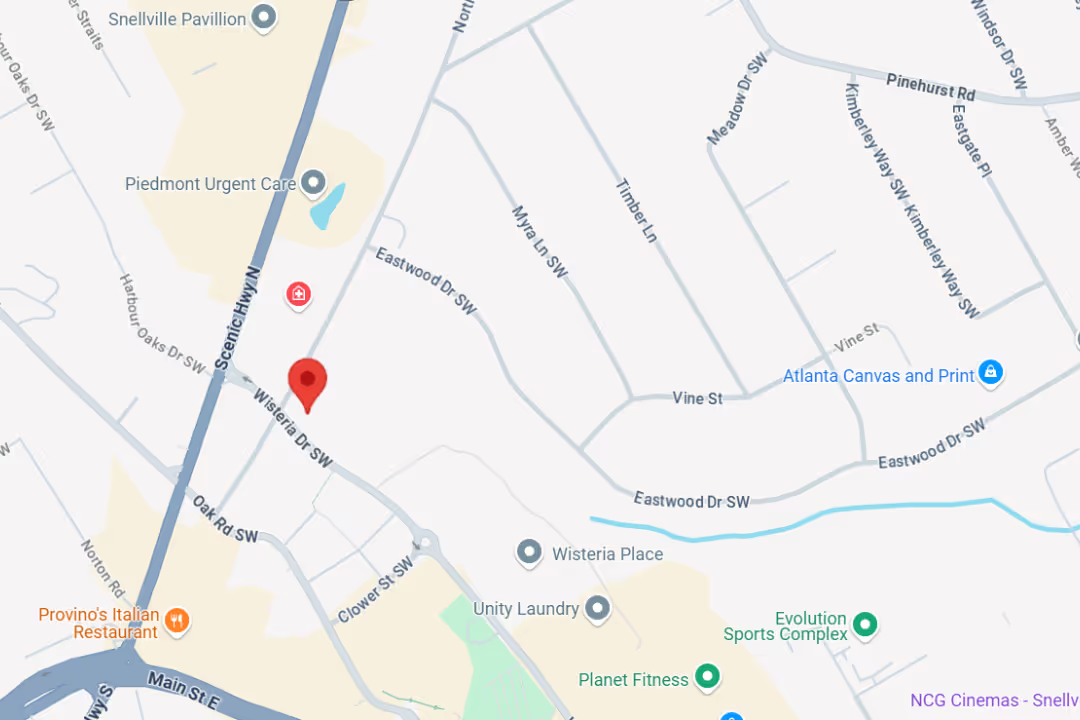
Snellville
2220 Wisteria Drive, Unit 101
Snellville, GA 30078
(470) 645-9297
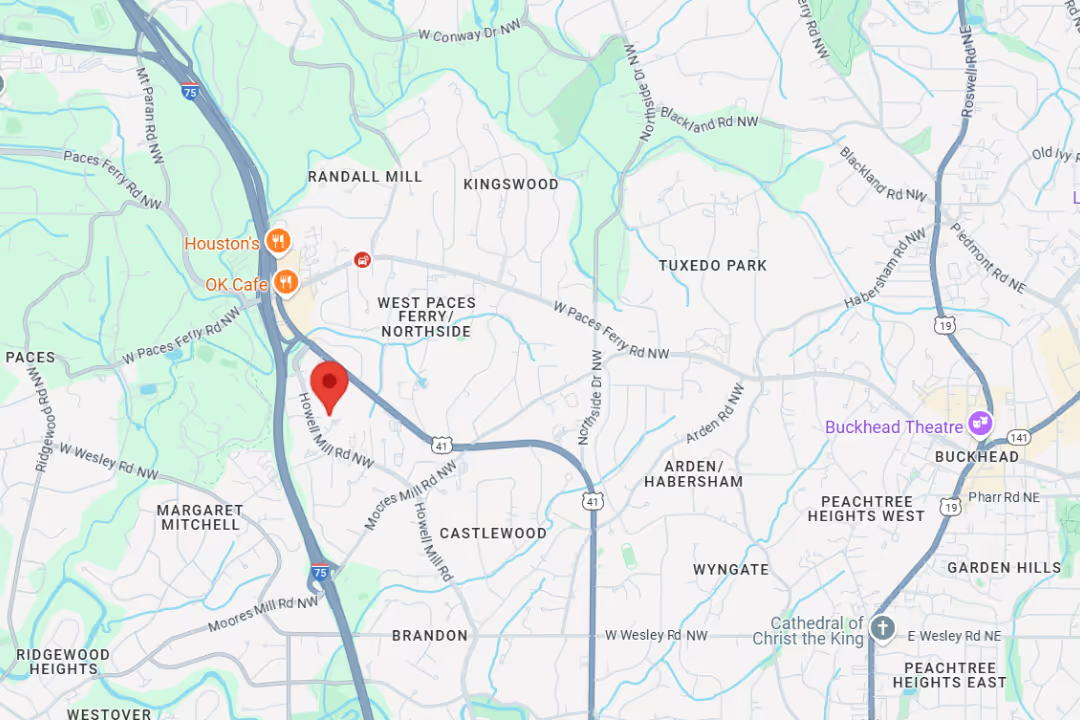
Buckhead PM&R
3200 Downwood Circle NW, Suite 520
Atlanta, GA 30327
(770) 872-7549
Explore our library of patient support guides covering the conditions we treat, the treatments we offer, and the questions we hear most. Each one is written to help you understand your options and feel confident about your next step. Browse the topics below to learn more, or reach out to our team anytime.

At Medici, you’re more than your MRI.
We take time to hear your story, understand your pain, and create a plan that actually works for you.

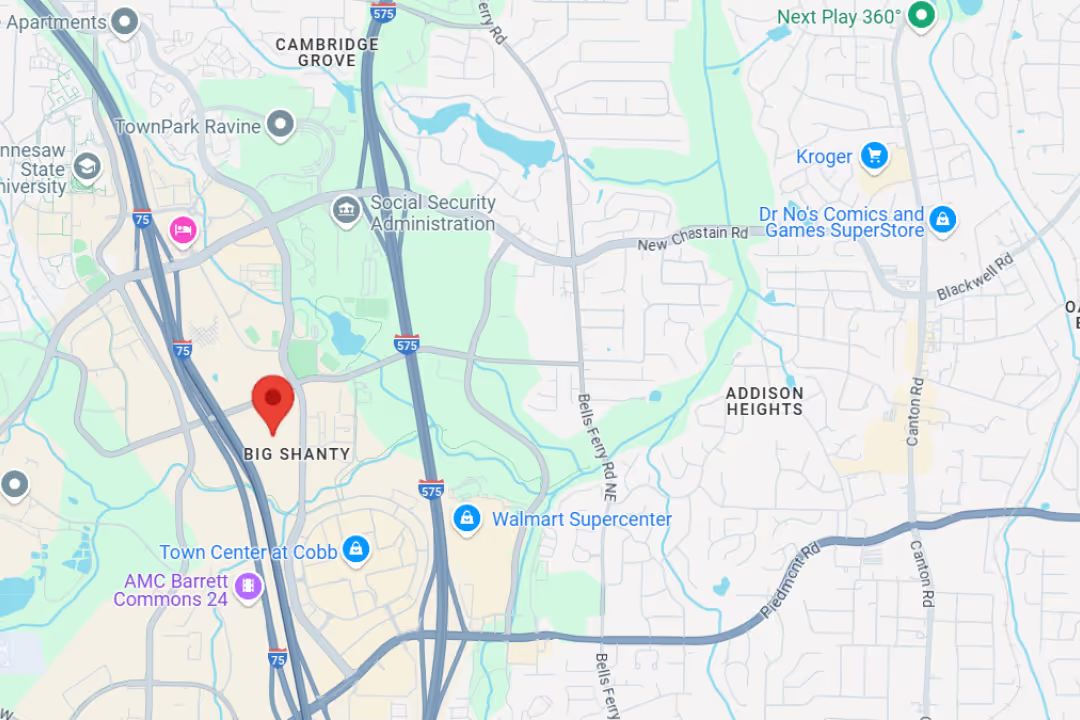
Our team delivers specialist care at convenient locations across Metro Atlanta:
Get expert tips on injury recovery, pain relief, joint health, and movement strategies—straight from our Fellowship-Trained team.