Recovering from an injury, surgery, or long-standing pain condition isn’t always a straight line. You may be doing everything you’re supposed to do—taking your medications, going to physical therapy, resting, following instructions—and still feel like you’re stuck. Pain lingers, swelling hangs on, fatigue won’t lift, and everyday life at work, at home, and with family feels harder than it should. Sleep suffers, your independence can slip, and it’s easy to start wondering, “Is this as good as it’s going to get?”
You’re not alone in that frustration. Many patients reach a point where standard care helps, but not quite enough. They’re not looking for major surgery or more powerful pain pills—they’re looking for advanced, non-surgical options that can safely support their body’s own healing processes and help them move forward again.
That’s where hyperbaric oxygen for recovery can play a role. Hyperbaric oxygen therapy (HBOT) uses a special pressurized chamber to deliver higher levels of oxygen to your body than you can get from normal breathing. That extra oxygen can help support tissue repair, reduce inflammation, and improve healing in areas that are struggling to recover.
At Medici Orthopaedics & Spine, we offer hyperbaric oxygen therapy as part of a comprehensive, minimally invasive, least drug-dependent recovery program. Our focus is always the same: to help you return to the activities, roles, and routines that matter most to you—with more comfort, better function, and a clearer path forward.
Hyperbaric oxygen therapy is a medical treatment that takes place in a specially designed, pressurized chamber. During a session, you relax inside the chamber while breathing medical-grade oxygen.
Under normal conditions, you breathe air that contains about 21% oxygen at normal room pressure. In HBOT:
That combination—higher pressure plus higher oxygen levels—allows more oxygen to dissolve directly into your bloodstream and body fluids. This means oxygen can be delivered more efficiently to tissues, including areas that may not be getting enough due to swelling, injury, or limited blood flow.
It’s helpful to understand the difference between:
While HBOT may show up in wellness discussions, it is first and foremost a medical treatment, not just a trend. At Medici Orthopaedics & Spine, it is overseen by trained professionals, with careful screening and monitoring to make sure it’s used safely and appropriately for each patient.
With HBOT, the increased pressure allows more oxygen to dissolve directly into your blood and body fluids—not just carried by red blood cells. This can help:
Oxygen plays a major role in how cells:
By improving oxygen availability, HBOT can help support the cells responsible for tissue repair and regeneration, giving them a better environment to do their work.
In certain situations, increased oxygen and pressure may help:
For patients, this may translate into less stiffness and discomfort over time, especially when combined with physical therapy and other treatments.
In some medically appropriate cases, higher oxygen levels can help the body and certain medications work more effectively against specific types of infection. This is particularly relevant in tissue that has poor circulation and needs extra support.
In everyday terms, all of these biological effects can help:
HBOT is not a magic button—but when used in the right situation, it can be a powerful ally in the healing process.
HBOT may help support healing, reduce lingering inflammation, and complement physical therapy as you regain strength and mobility.
For athletes and active individuals, HBOT can sometimes be added to a recovery plan for:
The goal is to support tissue repair and help you get back to safe activity as efficiently as possible, always in coordination with rehab and medical guidance.
As part of a multidisciplinary plan, HBOT may be considered for certain chronic pain or inflammatory conditions, including:
Here, the focus is on improving tissue health and oxygenation, which may help reduce pain drivers and make other treatments more effective.
In some patients, specific areas of the body struggle with:
By delivering more oxygen to these stressed tissues, HBOT can sometimes support better healing conditions and help break through plateaus in recovery.
Hyperbaric oxygen therapy may not be appropriate for certain patients, including those with:
That’s why we always perform a thorough health screening and physician review before starting HBOT. If we determine it isn’t a good fit, we’ll explain why and discuss alternative ways to support your recovery.
Before recommending HBOT, we take a comprehensive look at your situation, including:
If you feel like your recovery has stalled—whether after an injury, surgery, or months of chronic pain—you’re not out of options. There are still advanced, minimally invasive treatments that can help your body move forward, even when it feels like you’ve hit a wall. You don’t have to simply accept pain, swelling, and limited function as your new normal.
When it’s thoughtfully selected and closely supervised, hyperbaric oxygen for recovery can be a powerful tool. By giving your body higher levels of oxygen in a controlled, medical setting, HBOT can support healing tissues, help reduce pain and inflammation, and improve how you move, work, and participate in rehab. The key is using it as part of a smart, individualized plan—not as a quick fix.
At Medici Orthopaedics & Spine, our commitment is to help you move, work, and live more fully with a comprehensive, least drug-dependent approach. We look at the whole picture—your history, your goals, your daily life—and build a recovery plan that may include hyperbaric oxygen therapy alongside physical therapy, manual treatments, and other minimally invasive options.
If you’re ready to explore whether hyperbaric oxygen for recovery can help you heal more fully and comfortably, the Medici team is here to walk that next step with you.
Main Line: +1-844-328-4624
Website: https://www.mediciortho.com/
Clinics
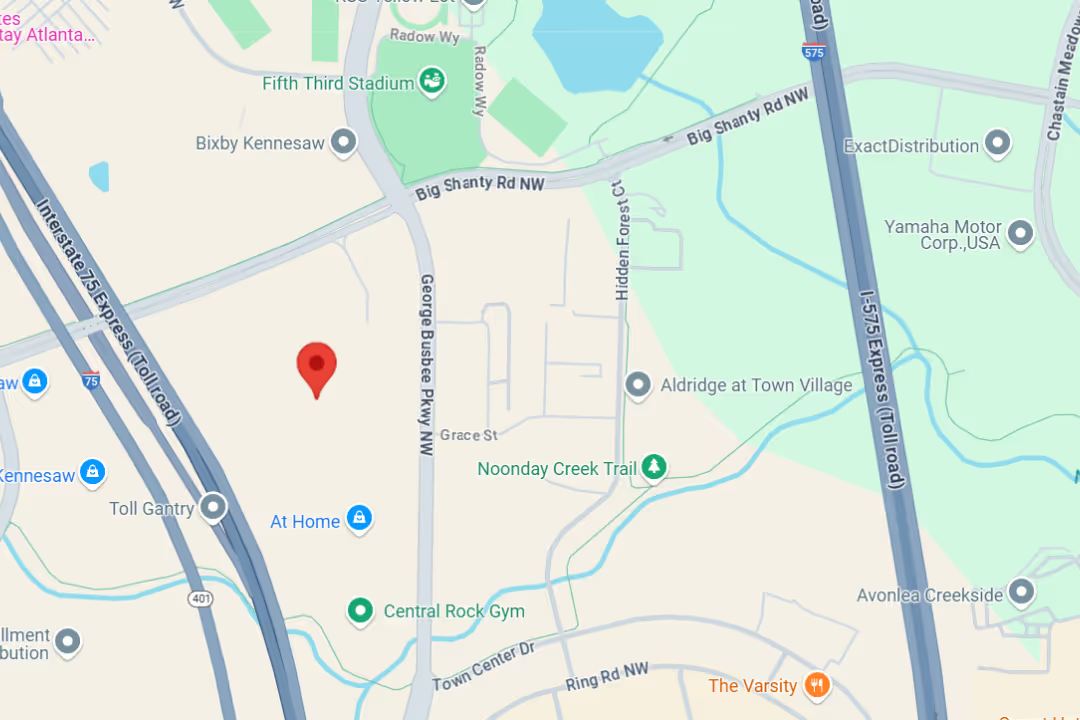
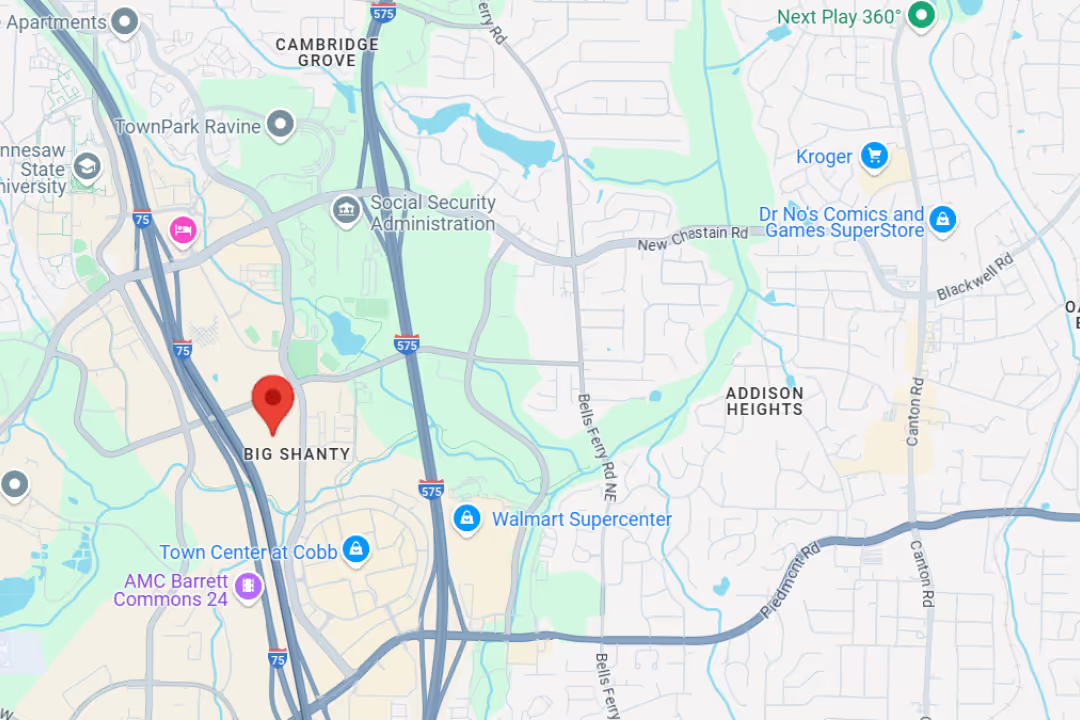
Kennesaw
2911 George Busbee Parkway
Suite 50
Kennesaw, GA 30144
(770) 545-6404
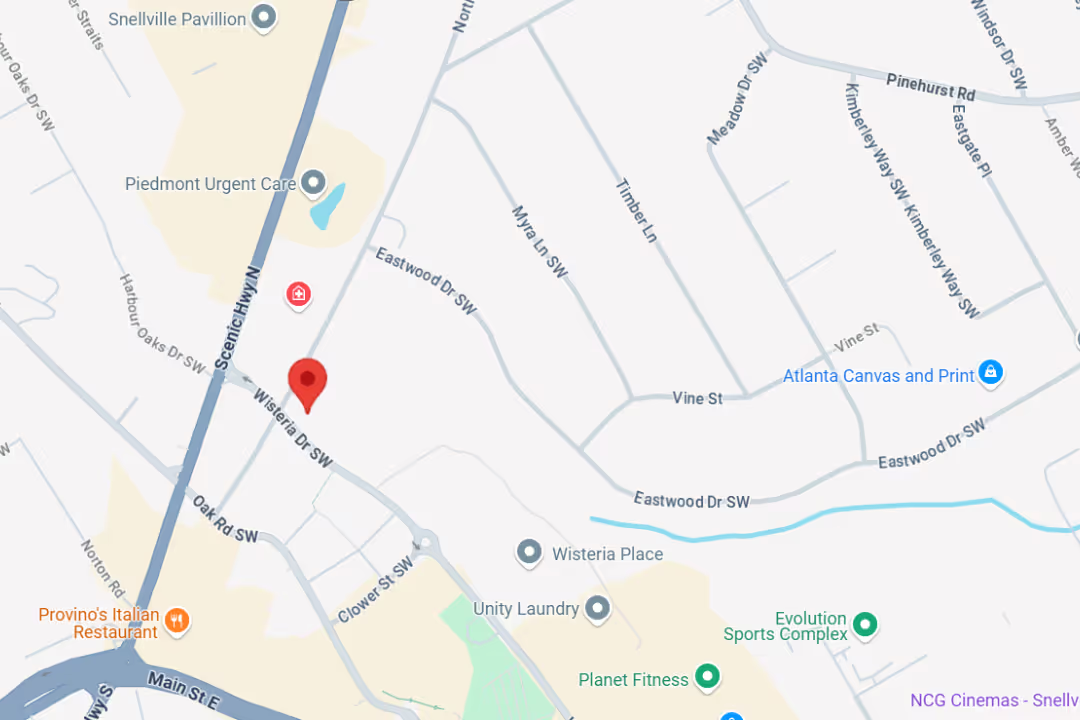
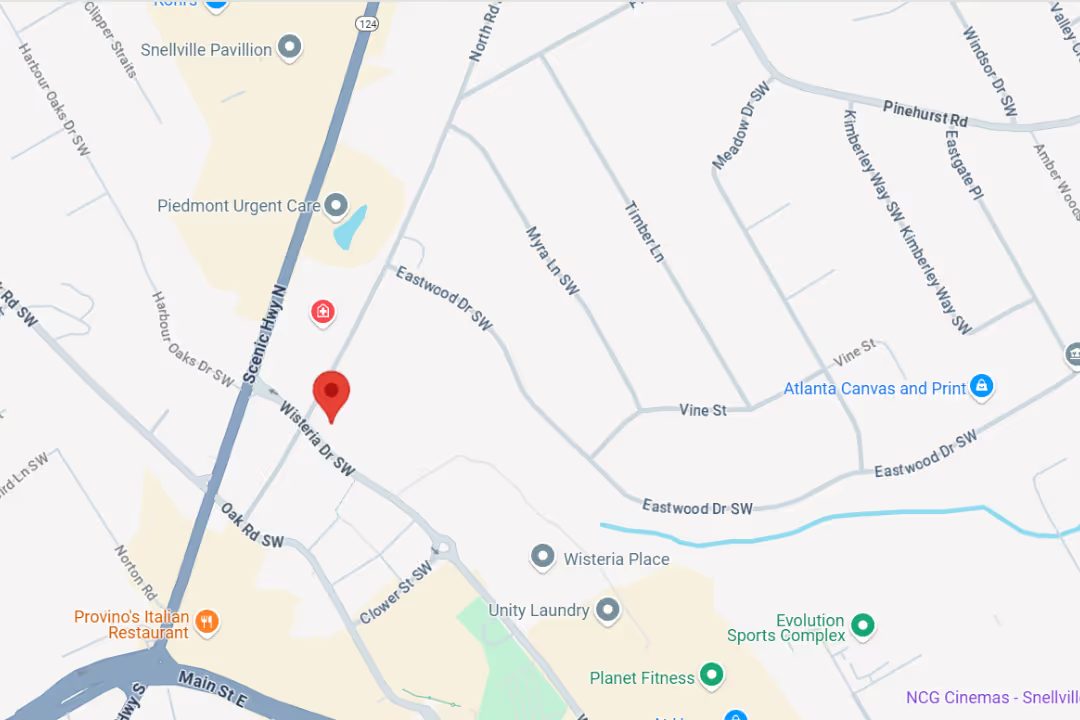
Snellville Clinic
2220 Wisteria Drive
Unit 101
Snellville, GA 30078
(470) 645-9297
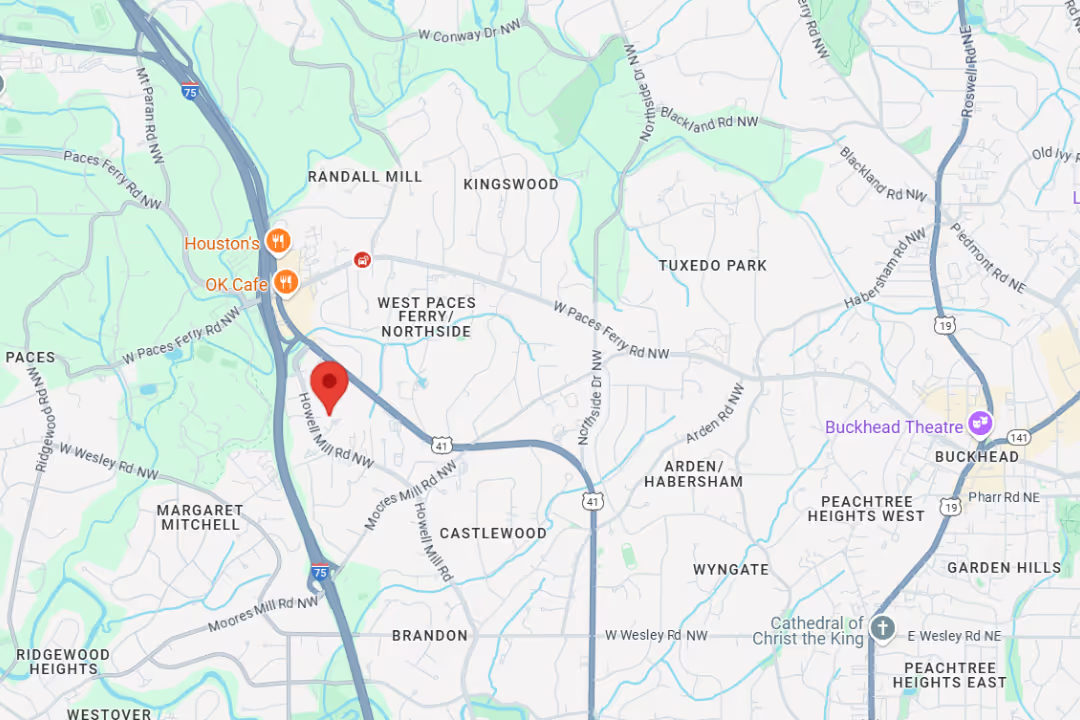
Buckhead PM&R
3200 Downwood Circle, NW
Suite 520
Atlanta, GA 30327
(770) 872-7549
At Medici, you’re more than your MRI.
We take time to hear your story, understand your pain, and create a plan that actually works for you.

Our team delivers specialist care at convenient locations across Metro Atlanta:
Get expert tips on injury recovery, pain relief, joint health, and movement strategies—straight from our Fellowship-Trained team.