How to Relieve Phantom Limb Pain

Phantom limb pain can be one of the most confusing and distressing experiences after an amputation. You know the limb is gone, yet the pain feels very real—like burning, cramping, or electric shocks coming from a hand, arm, leg, or foot that isn’t physically there anymore. That disconnect between what you see and what you feel can be deeply unsettling.

This pain can touch every part of life. It can make it harder to sleep, get comfortable with a prosthesis, return to work, or stay as independent as you’d like. Simple daily tasks, hobbies, and time with loved ones can feel overshadowed by sensations you can’t see or easily explain.

You deserve to know this clearly: phantom limb pain is real, medically recognized, and not in your imagination. It’s a known condition involving the nerves, spinal cord, and brain—and you are absolutely not alone in experiencing it.

At Medici Orthopaedics & Spine, we specialize in complex pain conditions like phantom limb pain. Our team is focused on providing the most effective, least invasive, least drug-dependent care possible, building a plan that respects both your body and your goals so you can move forward with more comfort and confidence.

How Medici Evaluates Phantom Limb Pain

Thorough Medical History

Your visit begins with a detailed conversation about your health and amputation history, including:

  • Details of the amputation – when it happened, why it was needed, and how it was performed.
  • Pain patterns before and after surgery – whether you had significant pain in the limb before it was removed, when phantom pain started, and how it has changed over time.
  • Prior injuries, surgeries, or nerve conditions – including back problems, neuropathy, or previous nerve damage that might be contributing to your current symptoms.
  • Prosthetic use and fit – how often you use your prosthesis, how comfortable it is, whether it causes pressure points, and whether certain positions or movements worsen your pain.

Focused Physical Examination

Next, we perform a gentle, focused exam to understand how your body is responding to the amputation and to phantom limb pain:

  • Residual limb (stump) health
    We check the skin, scar tissue, and underlying tissues for areas of irritation, breakdown, or tenderness.
  • Nerve sensitivity and trigger areas
    We look for spots that reproduce or intensify phantom sensations—this can point to neuromas or hypersensitive nerves that may benefit from specific treatments.
  • Musculoskeletal pain elsewhere
    We examine your back, hips, and remaining limb, since these areas often work harder to compensate and may develop their own pain patterns. Reducing this extra strain can significantly lower your overall pain load.

Non-Drug Techniques to Help Relieve Phantom Limb Pain

Mirror Therapy and Visual Feedback

Mirror therapy is a simple but surprisingly effective technique for some patients.

  • A mirror is placed so that it reflects your remaining limb, making it appear as though both limbs are present.
  • As you move the existing limb, your brain “sees” two limbs moving comfortably and symmetrically.

This visual feedback can help “trick” the brain into updating its body map, sometimes reducing the mismatch between what your brain expects and what it feels. Over time, this can lead to decreased phantom limb pain.

Desensitization and Residual Limb Care

The residual limb is often highly sensitive, and calming that sensitivity can ease both stump pain and phantom pain. Approaches may include:

  • Gentle touch and massage
    Gradually introducing light touch, massage, or different textures to the residual limb can help desensitize overactive nerve endings.
  • Texture exposure
    Using soft cloths, towels, or other gentle surfaces in a controlled way can teach the nerves that these sensations are safe, reducing overreaction.
  • Proper skin care and stump hygiene
    Keeping the residual limb clean, dry, and protected helps prevent irritation and infections that can trigger or worsen pain.
  • Addressing neuroma-related tenderness
    If a nerve knot (neuroma) is suspected, we may recommend specific treatments—such as targeted injections or other interventions—to calm these hypersensitive areas.

Relaxation and Breathing Techniques

Stress and anxiety can significantly amplify pain signals, especially in conditions like phantom limb pain where the nervous system is already on high alert.

We teach simple tools such as:

  • Deep, diaphragmatic breathing – slowing the breath to signal safety to the nervous system.
  • Guided relaxation or visualization – mentally shifting focus away from pain and into calmer, more neutral sensations.
  • Grounding exercises – techniques that anchor you in the present moment, reducing the mental spiral that often follows sudden pain jolts.

Physical Therapy & Rehabilitation for Phantom Limb Pain

Strengthening and Mobility

After an amputation, the rest of your body works harder. Strengthening and mobility work help rebalance that load.

Therapy may focus on:

  • Strengthening the core and remaining limbs
    Strong core muscles and a strong remaining leg or arm help reduce strain on your spine, hips, and shoulders. Less mechanical strain often means less pain overall.
  • Improving posture and alignment
    Exercises and hands-on guidance to correct slumping, leaning, or twisting that may have developed as you adjusted to the amputation.
  • Maintaining mobility
    Gentle stretches and range-of-motion exercises keep joints and muscles moving well, lowering the risk of secondary pain sources.

Prosthetic Training and Gait Optimization

A prosthesis that doesn’t fit well or isn’t aligned correctly can aggravate both residual limb pain and phantom limb pain.

At Medici, we:

  • Work closely with prosthetists to address fit issues, pressure points, and alignment problems.
  • Provide gait training to help you:
    • Walk more smoothly and efficiently
    • Reduce limping or compensatory movements
    • Minimize stress on the spine, hips, and remaining limb

Neuromuscular Re-education

Neuromuscular re-education is about teaching your brain and body to move together in a more natural, less painful way.

This may include:

  • Targeted exercises that challenge coordination and control
  • Balance and stability drills
  • Specific movement patterns designed to replace painful, compensatory habits

Interventional Pain Management Options at Medici

Nerve Blocks

Nerve blocks are injections of local anesthetic, sometimes combined with other medications, placed around specific nerves that are contributing to phantom or residual limb pain.

  • By numbing these nerves for a period of time, we can reduce or temporarily stop pain signals traveling toward the spinal cord and brain.
  • In some patients, repeated or carefully timed nerve blocks can help “reset” overly sensitive pathways, leading to longer-lasting reductions in pain even after the numbing medicine wears off.

Epidural or Spinal Injections 

In other cases, we find that pain is being reinforced by nerve irritation higher up in the spine. When imaging or examination suggests that nerve roots or spinal pathways are involved, epidural or spinal injections may be considered.

These injections can:

  • Deliver anti-inflammatory medication close to irritated nerve roots.
  • Help calm “upstream” contributors to phantom limb pain.
  • Reduce additional nerve irritation that keeps pain circuits switched on.

Imaging-Guided Precision

To keep procedures as safe and accurate as possible, we often use ultrasound or fluoroscopy (live X-ray) guidance.

  • Imaging allows us to see the structures we’re treating in real time.
  • This improves precision, helps avoid nearby tissues, and ensures medication is delivered exactly where it is needed.

Neuromodulation & Advanced Options for Severe Phantom Limb Pain

Spinal Cord Stimulation (SCS)

Spinal Cord Stimulation uses a small device, somewhat like a pacemaker for pain, to send low-level electrical impulses to the spinal cord.

  • These signals modulate pain messages before they reach the brain, often transforming sharp, intense pain into a more tolerable sensation.
  • For certain patients with phantom limb pain, SCS can significantly reduce day-to-day pain levels and improve sleep, mood, and function.

Importantly, SCS is never a leap of faith—you don’t move straight to permanent implantation. There is a trial process first:

  1. Temporary leads are placed near the spinal cord.
  2. You try the system for several days to see how much relief it provides.
  3. If you experience meaningful improvement and feel it supports your goals, then a longer-term device may be considered.

Dorsal Root Ganglion (DRG) Stimulation (If Appropriate)

In some complex pain conditions, including certain cases of phantom limb pain, Dorsal Root Ganglion (DRG) stimulation may be an option.

  • The DRG is a cluster of nerve cells that acts like a key junction for specific pain pathways.
  • DRG stimulation targets these precise areas, allowing for more focused modulation of pain signals from certain parts of the body.

Take the Next Step Toward More Manageable Phantom Limb Pain

Phantom limb pain can feel strange, isolating, and deeply discouraging—but it is real, it is recognized, and it is treatable. You do not have to simply “live with it” or pretend it’s not there. Your experience makes sense in the context of how the nervous system works, and there are ways to turn the volume down on that pain.

At Medici Orthopaedics & Spine, we are committed to providing advanced, minimally invasive, and least drug-dependent care for patients living with phantom limb pain. That means combining the best of modern pain science—medications when appropriate, non-drug therapies, interventional options, and neuromodulation when needed—into a plan that’s tailored to you.

If phantom limb pain has been controlling your days and nights, we’re here to help you take the next step toward relief—with compassion, expertise, and a plan built around you.

Contact Medici Orthopaedics & Spine

Main Line: +1-844-328-4624
Website: https://www.mediciortho.com/

Clinics

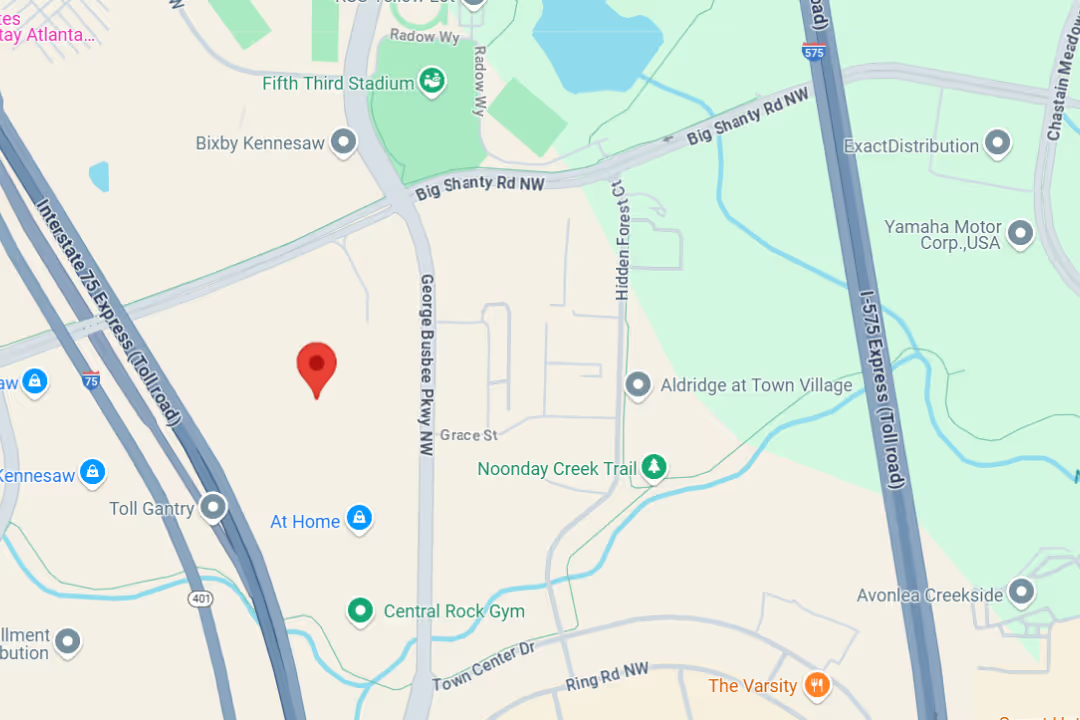
Kennesaw
2911 George Busbee Parkway
Suite 50
Kennesaw, GA 30144
(770) 545-6404

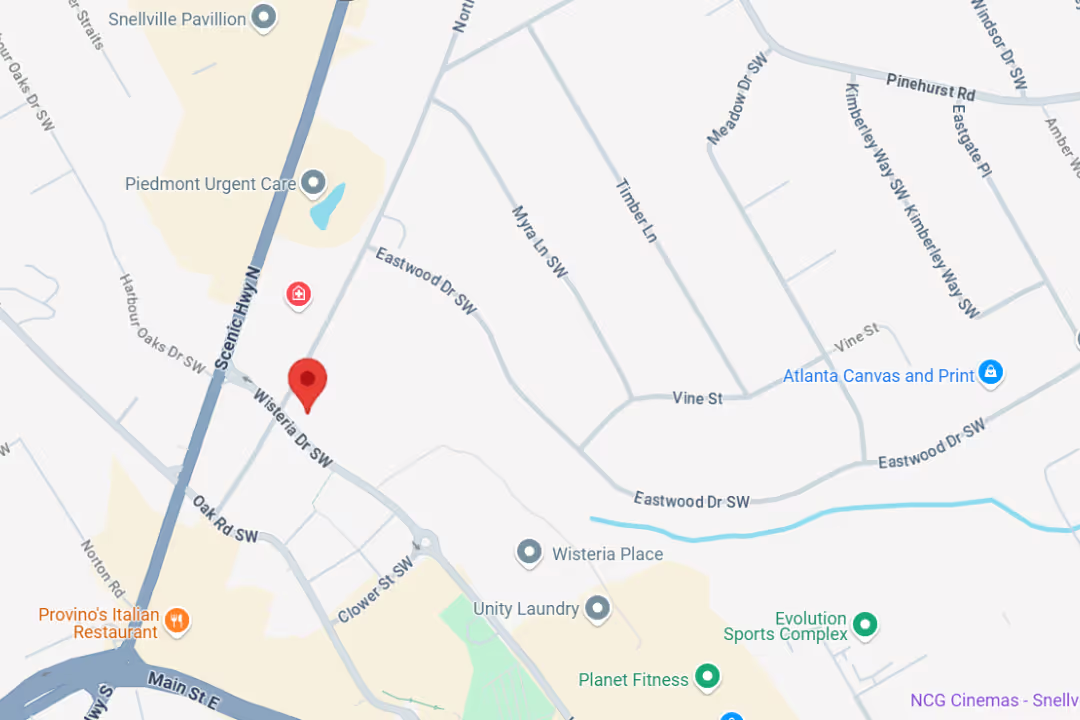
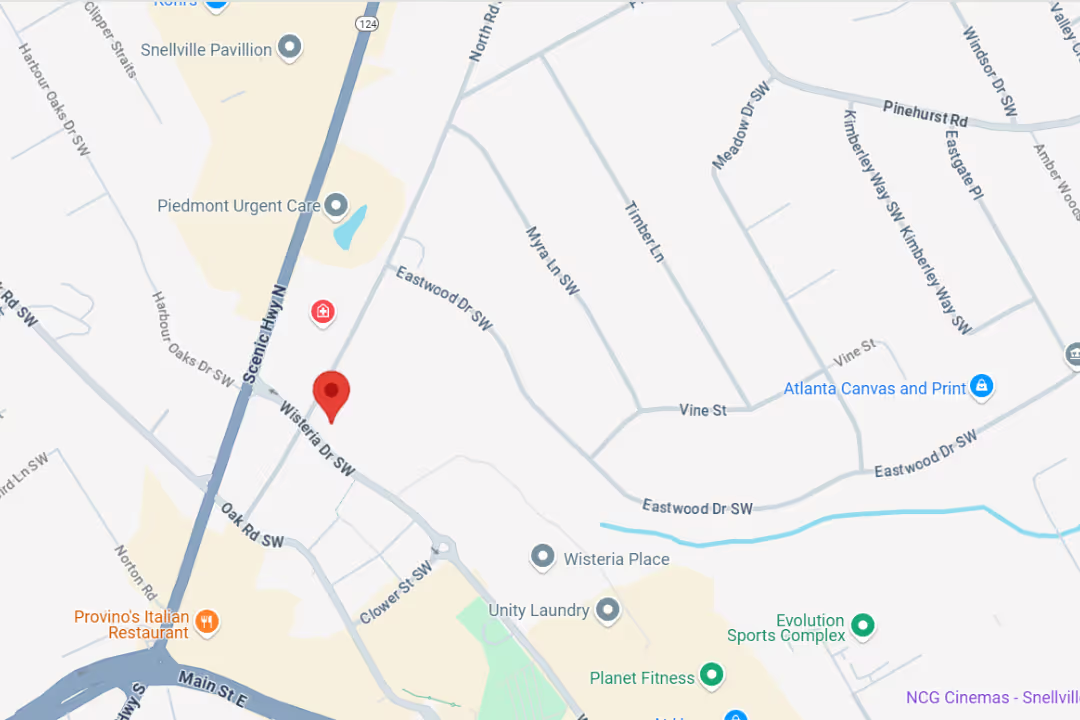
Snellville Clinic
2220 Wisteria Drive
Unit 101
Snellville, GA 30078
(470) 645-9297

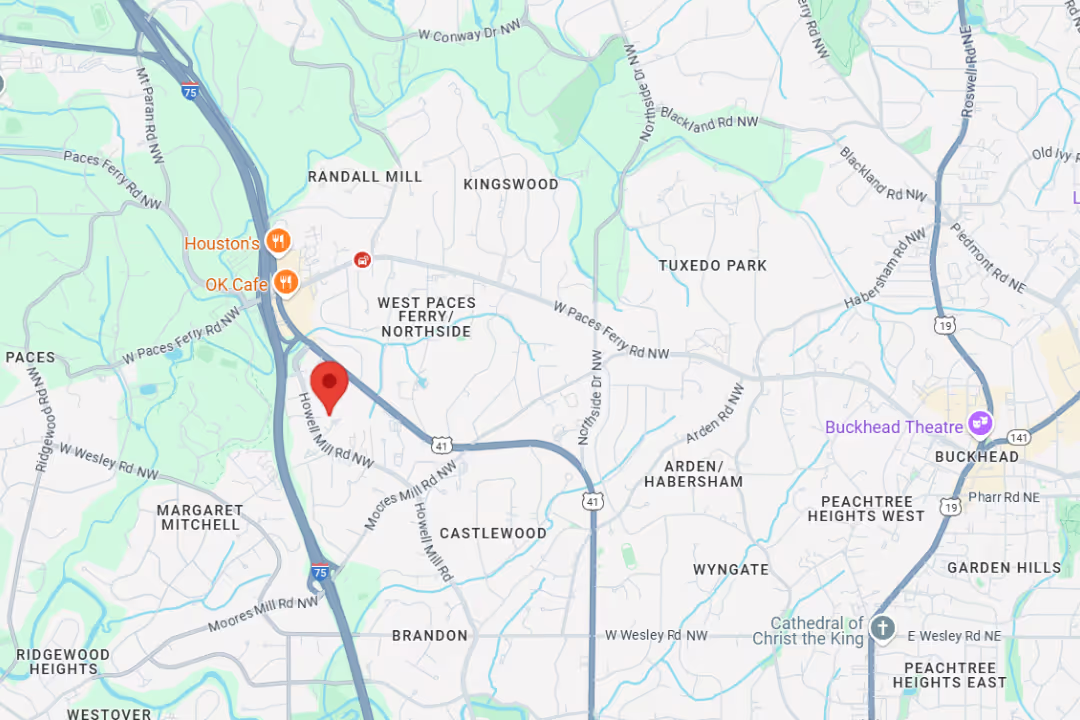
Buckhead PM&R
3200 Downwood Circle, NW
Suite 520
Atlanta, GA 30327
(770) 872-7549

Ambulatory Surgery Centers

Marietta ASC
792 Church Street
Unit 101
Marietta, GA 30060
(470) 795-8398

Snellville ASC
2220 Wisteria Dr
Unit 100
Snellville, GA 30078
(470) 795-8398

Tired of Feeling
Like Just Another
Chart?

At Medici, you’re more than your MRI.
We take time to hear your story, understand your pain, and create a plan that actually works for you.