Carpal tunnel syndrome can start with something small—maybe a little tingling in your fingers at night, a hand that feels numb when you wake up, or wrist discomfort after typing, driving, gripping, or using tools. At first, it may seem like something you can stretch, shake out, or ignore.
But when those symptoms keep coming back, they can begin to affect your sleep, your work, and the simple things you do every day. Buttoning a shirt, holding your phone, typing at a computer, or picking up a cup can become frustrating when your hand doesn’t feel strong or steady.
At Medici Orthopaedics & Spine, we understand that most patients don’t want surgery unless it’s truly necessary. The good news is that many cases of mild to moderate carpal tunnel syndrome may improve with non-surgical care, especially when symptoms are evaluated early and treated thoughtfully.
Our approach is personal, practical, and focused on helping you feel better with the least invasive treatment plan medically appropriate. We take the time to understand what’s causing pressure on the nerve, how it’s affecting your life, and what options may help you get back to using your hands with more comfort and confidence.
Carpal tunnel syndrome happens when the median nerve becomes compressed as it travels through the wrist. This nerve helps provide feeling and function to parts of the hand, including the thumb, index finger, middle finger, and part of the ring finger.
The “carpal tunnel” is a narrow passageway in the wrist. When tissues in or around that space become swollen, irritated, or crowded, pressure can build around the nerve. That pressure is what leads to the familiar numbness, tingling, pain, or weakness many patients experience.
Carpal tunnel syndrome may be related to:
Carpal tunnel syndrome can feel different from person to person, but symptoms often follow a recognizable pattern. Many patients notice symptoms at night first, then gradually begin feeling them during daytime activities.
Common symptoms include:
Carpal tunnel syndrome often progresses gradually. At first, symptoms may come and go. You might feel tingling after a long workday or wake up with numb fingers once in a while. But if pressure on the median nerve continues, the nerve can become more irritated.
Symptoms may worsen because of:
Wrist splinting is often one of the first non-surgical treatments recommended for carpal tunnel syndrome. The goal is simple: keep the wrist in a neutral position so there is less pressure on the median nerve.
Many people unknowingly sleep with their wrists bent, which can make numbness and tingling worse at night. A properly fitted night splint helps protect the wrist while you sleep and may reduce those middle-of-the-night symptoms that cause you to wake up and shake out your hand.
Wrist splinting may help by:
For many patients, carpal tunnel symptoms are aggravated by repetitive wrist and hand positions. That doesn’t mean you have to stop working, typing, driving, or doing the things you need to do. It means we look for small changes that reduce stress on the nerve.
Helpful adjustments may include:
Therapy can be an important part of non-surgical carpal tunnel treatment. A guided therapy plan may help improve wrist mobility, reduce irritation, and support healthier movement patterns.
Depending on your symptoms, therapy may include:
Inflammation can increase pressure in the carpal tunnel and make symptoms feel worse. For some patients, anti-inflammatory support may be part of the plan to calm irritation and reduce discomfort.
This may include:
When symptoms are more persistent or interfering with sleep, work, or daily activities, a targeted corticosteroid injection may be considered. This type of injection is designed to reduce inflammation around the median nerve inside the carpal tunnel.
A corticosteroid injection may help:
One of the most practical things you can do for carpal tunnel symptoms is become more aware of wrist position throughout the day and night. The median nerve is often more irritated when the wrist is bent for long periods.
Try to keep your wrist as neutral as possible during activities such as:
Hands are built for movement, but they also need recovery—especially when your daily routine involves repetitive motion. Short, consistent breaks can help reduce strain before symptoms flare.
Helpful strategies may include:
Carpal tunnel symptoms don’t always come from repetitive motion alone. Sometimes, other health factors can increase swelling, inflammation, or nerve sensitivity.
Contributing factors may include:
Carpal tunnel syndrome can be frustrating because it affects something you use all day, every day—your hands. When tingling, numbness, pain, or weakness begins interfering with sleep, work, driving, typing, or daily tasks, it can quickly become more than a minor inconvenience.
The encouraging news is that surgery is not always the first step. Many patients with mild to moderate symptoms may benefit from non-surgical options like bracing, therapy, activity changes, ergonomic support, and targeted injections when appropriate. With the right plan, it may be possible to calm the nerve, reduce symptoms, and improve hand function.
If you’re dealing with wrist pain, hand numbness, tingling, weakness, or symptoms that wake you at night, Medici Orthopaedics & Spine is here to help.
Our team offers thoughtful, minimally invasive care for carpal tunnel syndrome and other hand, wrist, nerve, and pain conditions. We focus on helping patients relieve symptoms, restore function, and return to daily life with the least invasive treatment plan medically appropriate.
📞 Call us today: +1-844-328-4624
🌐 Visit us online: https://www.mediciortho.com/
Marietta Surgery Center
792 Church Street, Unit 101
Marietta, GA 30060
(470) 795-8398
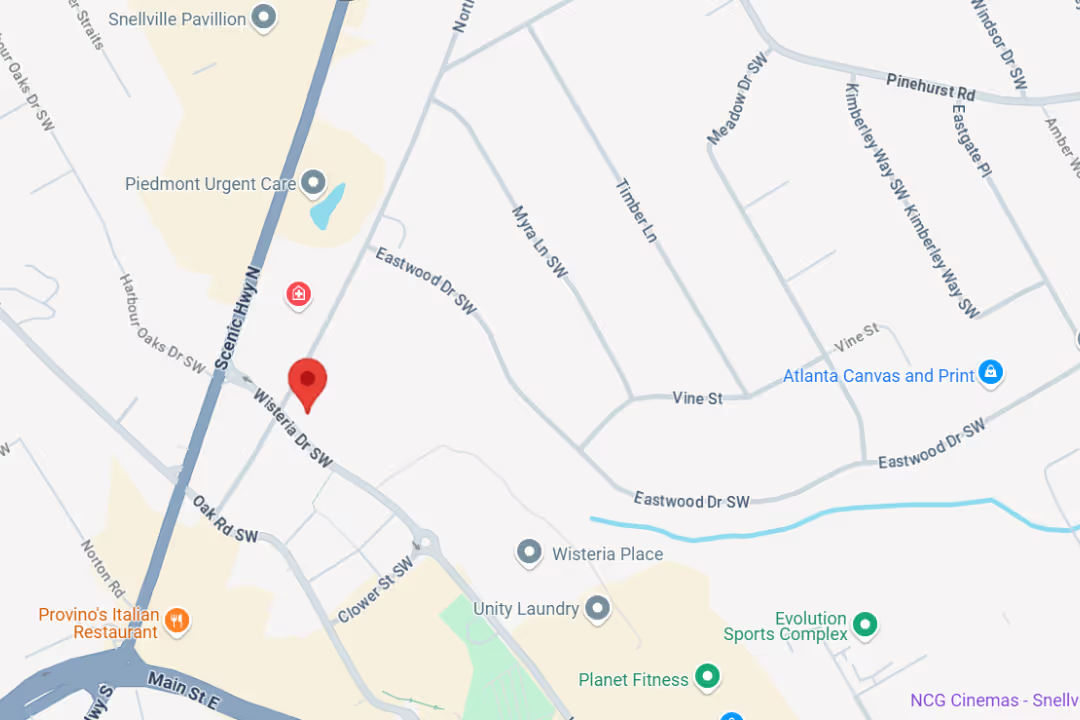
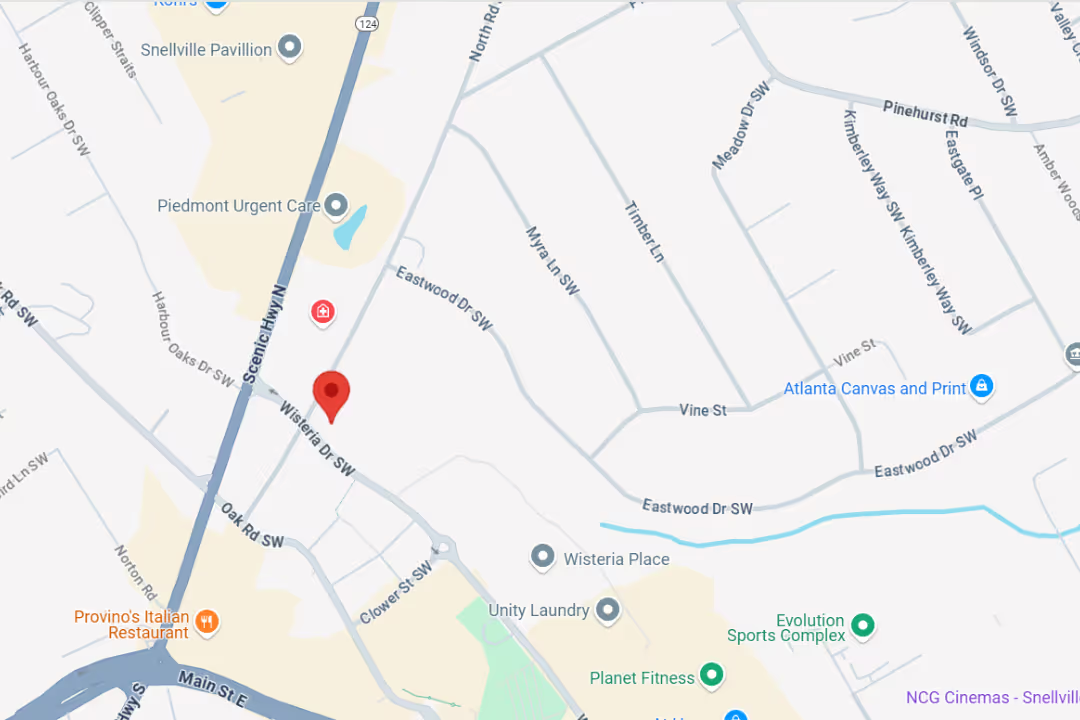
Snellville Surgery Center
2220 Wisteria Dr, Unit 100
Snellville, GA 30078
(470) 795-8398
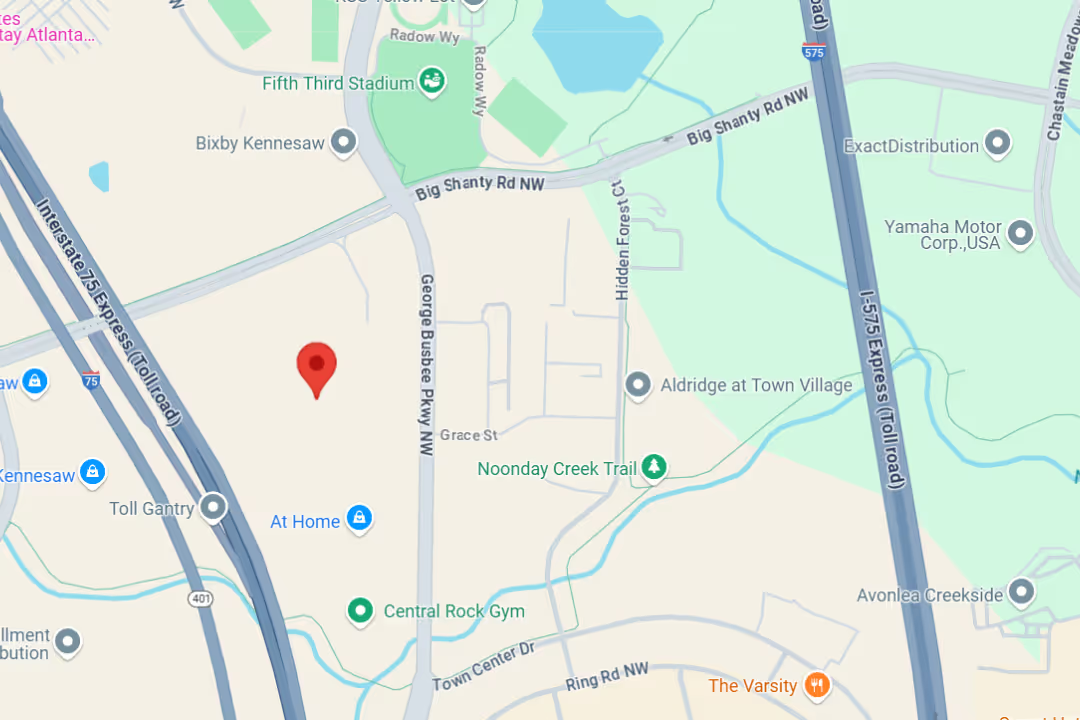
Kennesaw Clinic
2911 George Busbee Parkway, Suite 50
Kennesaw, GA 30144
(770) 545-6404
Snellville Clinic
2220 Wisteria Drive, Unit 101
Snellville, GA 30078
(470) 645-9297
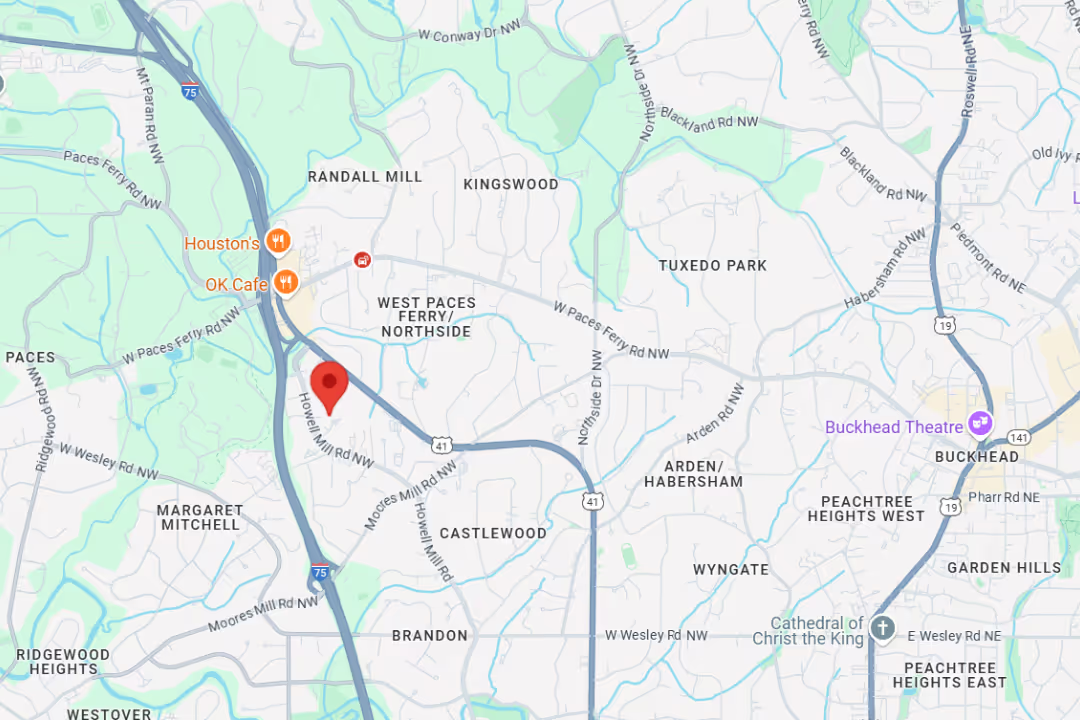
Buckhead PM&R
3200 Downwood Circle NW, Suite 520
Atlanta, GA 30327
(770) 872-7549
At Medici, you’re more than your MRI.
We take time to hear your story, understand your pain, and create a plan that actually works for you.

Our team delivers specialist care at convenient locations across Metro Atlanta:
Get expert tips on injury recovery, pain relief, joint health, and movement strategies—straight from our Fellowship-Trained team.