It often starts with something small. A dull ache after a round of golf. Trouble reaching for something on the top shelf. A nagging discomfort that shows up at night and makes it hard to find a comfortable sleeping position. Most people brush it off at first, assuming they strained something or slept wrong. But when the pain doesn't go away, or when it starts to interfere with the things you do every day, it's worth paying closer attention.
Shoulder pain is one of the most common musculoskeletal complaints, and rotator cuff injuries are among the most frequent causes. The frustrating part is how quietly they can develop. Many people spend months compensating, adjusting, and working around their shoulder before they ever get a real answer about what's happening inside the joint. By the time they seek care, the injury has sometimes progressed further than it needed to.
The rotator cuff is a group of four muscles and their connecting tendons that surround the shoulder joint. Together, they hold the head of the upper arm bone (the humerus) securely within the shallow socket of the shoulder blade (the glenoid). Without the rotator cuff doing its job, the shoulder simply would not function as the highly mobile joint it is.
An acute tear happens suddenly, typically as the result of a specific traumatic event. Common causes include:
Degenerative tears develop gradually over time as the tendon tissue weakens and breaks down. They are far more common than acute tears and are closely associated with:
A partial tear means the tendon has been damaged and frayed but has not been torn completely through. The tendon is still attached; it is simply compromised in its integrity and strength. Partial tears are often candidates for conservative management, though they can progress to full tears if left untreated or if the underlying stress on the tendon continues.
A full-thickness tear is a complete rupture of the tendon from one side to the other. In some cases, the tendon has pulled entirely away from the bone where it attaches. Full-thickness tears are generally associated with greater weakness and may be more likely to require surgical repair, particularly in younger, more active patients or in cases where strength and function are significantly affected.
For many rotator cuff injuries, a structured conservative program is the starting point and may ultimately be all that is needed. This typically includes:
When conservative measures need additional support, interventional treatments can make a meaningful difference. Options at Medici include:
For patients with full-thickness tears that have not responded to conservative care, those with acute traumatic tears causing significant weakness, or active individuals with high physical demands, surgical repair may be the most appropriate path. Medici is home to experienced rotator cuff surgeons and shoulder orthopedic surgeons who bring a precise, minimally invasive approach to surgical care when it is genuinely needed.
PRP therapy involves drawing a small sample of the patient's own blood, processing it to concentrate the growth factors found in platelets, and injecting that concentrate directly into the injured tendon tissue. These growth factors may help stimulate the body's natural repair response, reduce inflammation, and support tissue regeneration over time.
Stem cell therapies and prolotherapy are additional regenerative options that may be appropriate for certain patients. These treatments work by introducing biological signals or irritants that prompt the body to increase its healing response in the targeted area.
The most common approach for rotator cuff repair today is arthroscopic surgery, a minimally invasive technique in which the surgeon uses a small camera and specialized instruments inserted through tiny incisions. Arthroscopic repair is associated with less trauma to surrounding tissue, reduced post-operative pain, and faster recovery compared to traditional open surgery.
During arthroscopic rotator cuff repair, the surgeon reattaches the torn tendon to the bone using small anchors and sutures. Any frayed tissue, bone spurs, or inflamed bursa contributing to the problem are typically addressed at the same time.
Most rotator cuff repairs are performed on an outpatient basis, meaning patients go home the same day. Medici operates ambulatory surgery centers in Marietta and Snellville, providing patients with a focused, comfortable surgical environment without the complexity and cost of a hospital stay.
Recovery varies significantly based on the size of the tear, the treatment approach, and the individual patient. General expectations include:
Physical therapy is not optional during rotator cuff recovery. A structured program progressively rebuilds range of motion, strengthens the rotator cuff and surrounding muscles, retrains movement patterns, and ensures the shoulder is functioning safely before activity levels are increased. Working with an experienced physical therapist, ideally one familiar with shoulder rehabilitation, makes a substantial difference in how well and how quickly patients recover.
Beyond formal therapy sessions, patients can support their recovery by:
Rotator cuff injuries are among the most treatable shoulder conditions in orthopedics. With the right evaluation and the right team, most patients find a path to meaningful relief, whether that means a structured rehabilitation program, an injection or regenerative therapy, or a surgical repair that finally allows the shoulder to heal properly.
The Medici Orthopaedics & Spine team is here to help you understand what is going on with your shoulder and what your real options are. Whether you are dealing with a fresh injury, chronic pain that has never been properly evaluated, or a rotator cuff tear that has already been diagnosed and you are wondering what comes next, our physicians and care team are ready to meet you where you are.
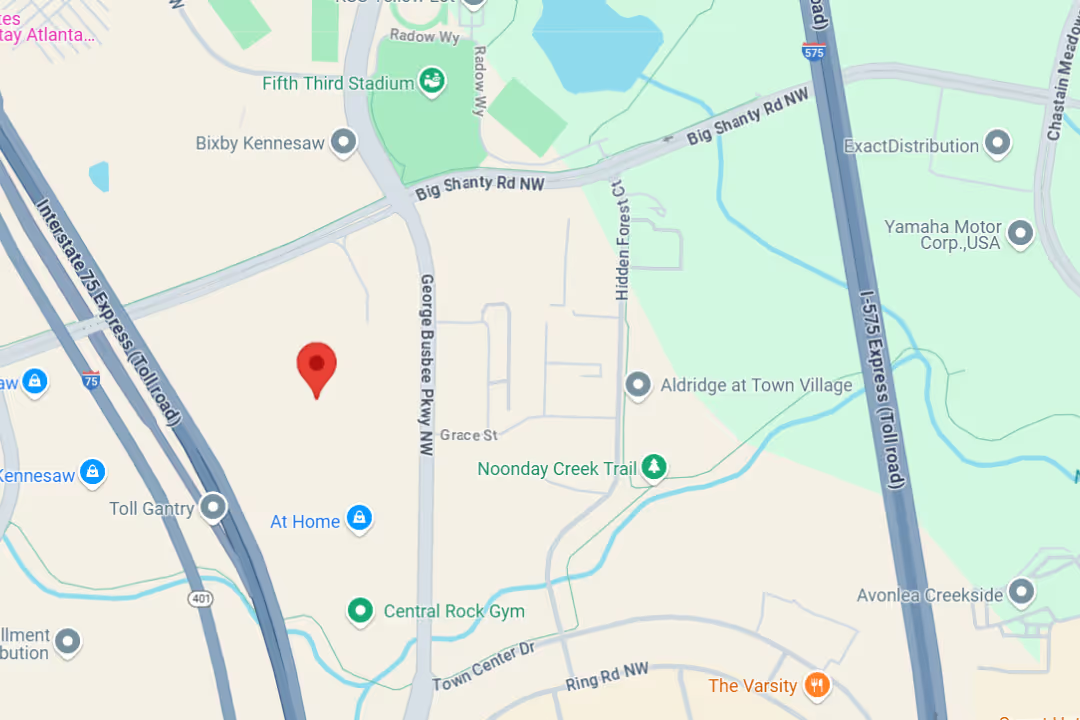
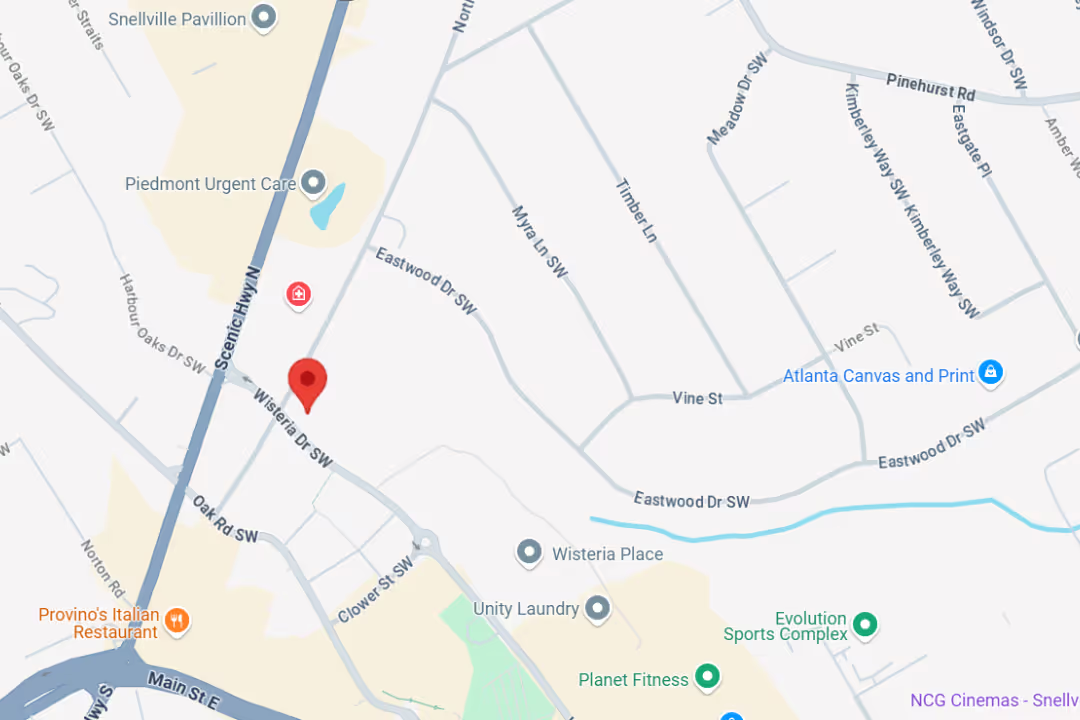
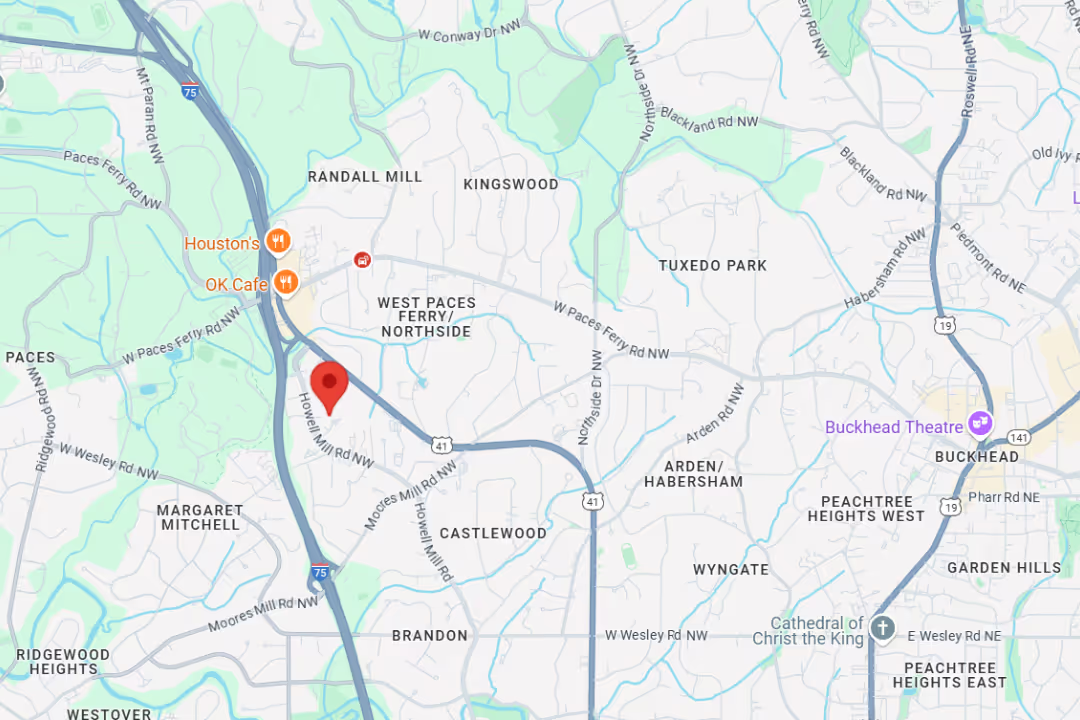
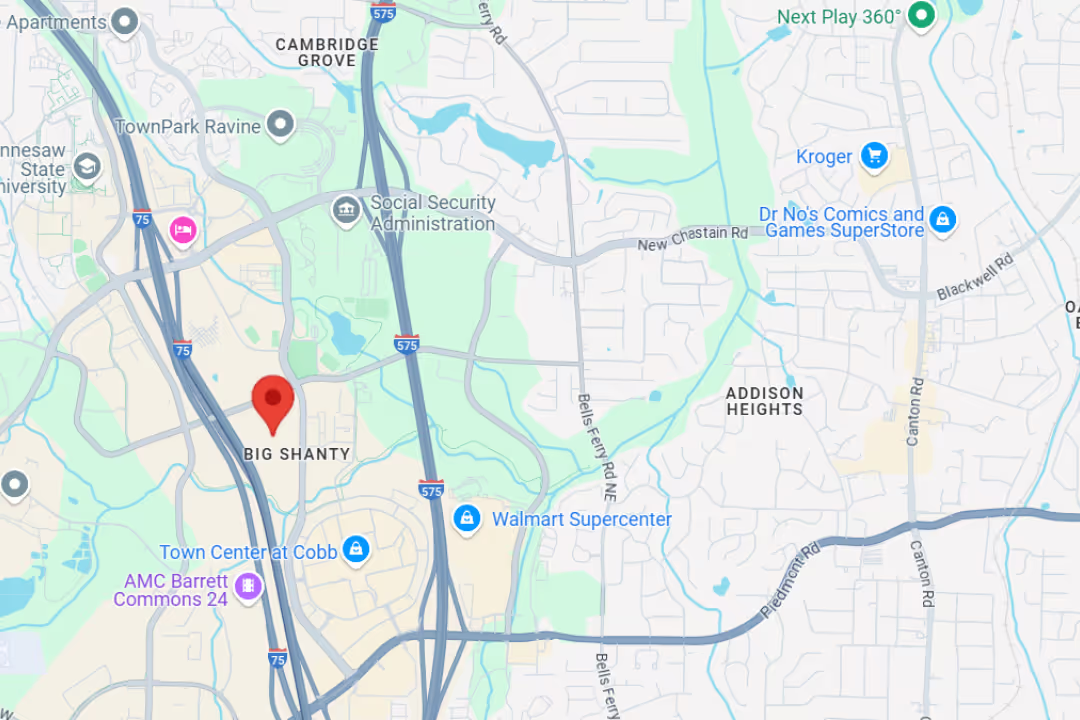
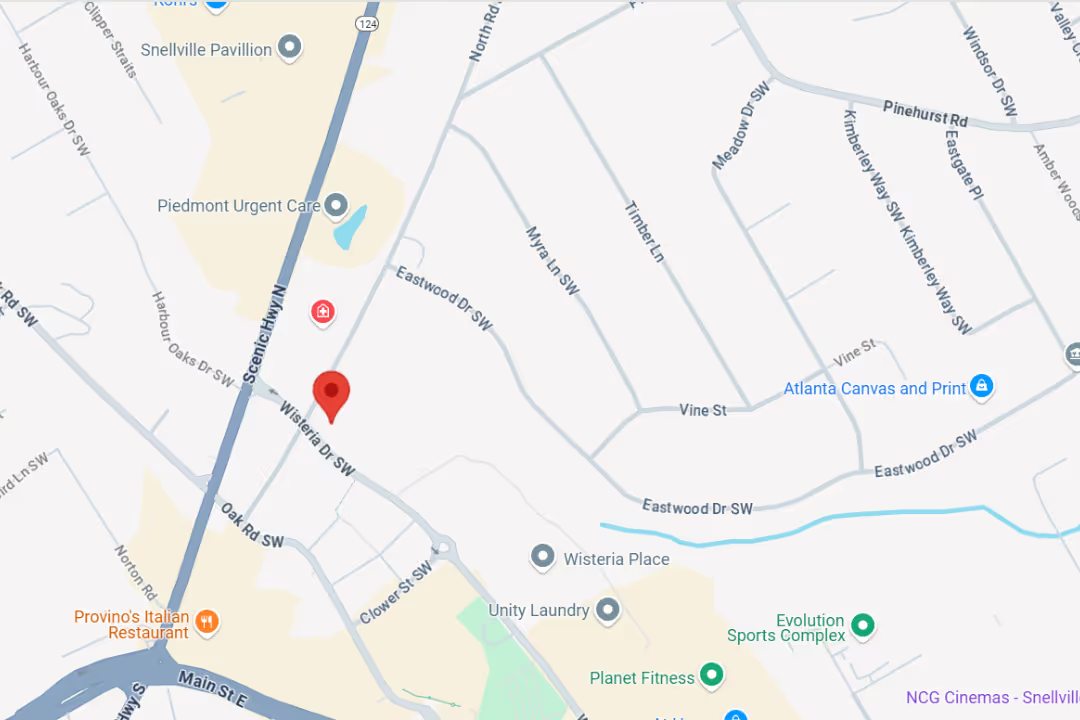
We see patients at clinic locations in Kennesaw, Snellville, and Buckhead (Atlanta), with ambulatory surgery centers in Marietta and Snellville for patients who need procedural care. We accept Medicare and many other insurance plans.
At Medici, you’re more than your MRI.
We take time to hear your story, understand your pain, and create a plan that actually works for you.

Our team delivers specialist care at convenient locations across Metro Atlanta:
Get expert tips on injury recovery, pain relief, joint health, and movement strategies—straight from our Fellowship-Trained team.