Physical Therapy for Work Injuries Near You in Georgia

A work injury doesn’t just hurt at work. It follows you home. It’s the back pain that makes you dread getting in and out of the car. The shoulder that screams when you reach for something on a shelf. The neck stiffness that turns into headaches by midday. Suddenly, normal routines—driving, sleeping through the night, exercising, carrying groceries, keeping up with kids—feel like obstacles you have to plan around.

If you’re in that place, you’re not alone—and you’re not stuck. Many work injuries improve with the right plan, especially when physical therapy is matched to the actual injury and the real demands of your job. At Medici Orthopaedics & Spine, we support Georgia workers with coordinated, least-invasive care aimed at restoring function safely—so you can return to work with more confidence, not just less pain.

What Counts as a “Work Injury” and Why Early Care Matters

Common Types of Work Injuries

A “work injury” isn’t only a dramatic accident. It can be a single event—or something that builds up over time. Some of the most common include:

  • Lifting injuries (back/neck strain)
    Picking up a box, moving equipment, transferring a patient, or lifting awkwardly can overload the spine and surrounding muscles.
  • Repetitive strain injuries (shoulder, elbow, wrist)
    Reaching, gripping, scanning, typing, twisting tools, or overhead work can irritate tendons and joints gradually until one day it becomes undeniable.
  • Slip/trip/fall injuries
    Falls can cause sprains, bruising, joint irritation, and sometimes nerve symptoms—especially if you land hard or twist during the fall.
  • Overuse and tendon irritation
    Even without one clear incident, repetitive load can inflame tendons and create painful movement patterns that worsen the longer you compensate.
  • Motor vehicle accidents while working
    If driving is part of the job, collisions can lead to whiplash, back pain, shoulder injuries, and lingering stiffness that affects function.

Why “Pushing Through” Can Backfire

A lot of hardworking people try to tough it out. The problem is that the body adapts—and not always in a helpful way.

  • Compensation patterns can create secondary pain
    If your back hurts, you may shift weight to one side. If your shoulder hurts, you may move differently through your neck and upper back. Over time, the “workaround” becomes a second problem.
  • Inflammation and deconditioning
    When you move less to avoid pain, strength and endurance drop. That makes the area more sensitive and easier to flare—even with normal activity.
  • Risk of prolonged recovery
    The longer a painful pattern becomes “your normal,” the more time it can take to unwind it. Early, targeted care can prevent that snowball effect.

Benefits of Early, Targeted Physical Therapy

When PT is started early and built around your injury and job tasks, it can change the entire trajectory of recovery.

  • Pain reduction and mobility restoration
    The first goal is often to calm irritated tissues and restore comfortable range of motion—so your body stops feeling “locked up.”
  • Improved strength and stability
    PT isn’t just stretching. The right strengthening plan rebuilds support where you need it—core stability, shoulder control, hip strength, grip endurance, and more.
  • Safer return to work with fewer re-injuries
    A strong plan prepares you for real work demands, so you’re not returning to the same tasks with the same vulnerabilities.

The Most Common Work-Related Conditions Physical Therapy Treats

Back Injuries

Work-related back pain can look similar on the surface but behave very differently depending on the driver.

  • Low back strain often involves muscle and soft tissue overload—pain with bending, lifting, or prolonged positions.
  • Disc irritation may cause pain with sitting, bending, or repeated flexion, and can flare with coughing or sneezing.
  • Sciatica-like symptoms can include pain, tingling, numbness, or weakness traveling into the leg, often signaling nerve irritation.

Neck Injuries

Neck pain after a work incident or repetitive strain can create a chain reaction: stiffness, headaches, shoulder tension, and reduced tolerance for driving or desk work.

Common patterns include:

  • whiplash-type symptoms,
  • posture-related strain,
  • headaches linked to neck muscle tension.

Shoulder Injuries

Shoulder injuries are especially common in jobs involving lifting, carrying, reaching, pushing/pulling, or overhead work.

PT often addresses:

  • rotator cuff irritation
  • impingement-type pain
  • tendonitis and overload patterns

Elbow, Wrist, and Hand Injuries

Repetitive gripping, tool use, typing, scanning, or assembly work can inflame tendons and irritate nerves.

PT may help with:

  • tennis elbow / golfer’s elbow
  • carpal tunnel-type symptoms
  • tendon irritation in the forearm and wrist

Hip, Knee, and Ankle Injuries

Lower-body injuries often show up after falls, twisting incidents, or repetitive standing and walking—especially on hard surfaces.

PT frequently treats:

  • strains and sprains
  • meniscus-like symptoms (selected cases)
  • tendinopathies and overuse patterns

How Physical Therapy Helps: What You’re Actually Doing in PT

Pain Relief and Tissue Calming

Manual Therapy and Mobility Work (As Appropriate)

Depending on your injury, your therapist may use hands-on techniques to help reduce stiffness and improve motion. That can include targeted work for:

  • tight, guarded muscles after a lifting injury
  • restricted joints that are changing how you move
  • areas that are overworking to compensate for the painful region

Myofascial Techniques

Myofascial pain is common after work injuries, especially when you’ve been compensating for weeks. Myofascial techniques can help address:

  • tight bands and trigger points
  • tissue sensitivity that makes normal movement feel threatening
  • soreness that spreads beyond the original injury site

Modalities When Helpful (Heat/Ice, Etc.)

Heat, ice, electrical stimulation, or other modalities may be used depending on the clinic plan and the stage of injury. These aren’t the main event—but they can help reduce symptoms enough to make movement and strengthening more productive.

Restoring Mobility

Joint and Soft-Tissue Mobility

PT focuses on restoring motion where you need it most—whether that’s:

  • hip mobility so the low back isn’t doing all the bending
  • shoulder mobility so the neck doesn’t overcompensate
  • ankle mobility so the knee or hip isn’t overloaded

Movement Pattern Correction

Sometimes your pain persists because the body has learned a protective pattern: twisting instead of hinging, shrugging instead of reaching, limping instead of loading evenly. PT helps retrain these patterns so you’re not repeatedly re-irritating the same tissues at work and at home.

Building Strength and Resilience

Core Stability, Hip/Shoulder Stability, Progressive Loading

Strength in PT is not “random gym exercises.” It’s targeted loading built around what your job requires:

  • core endurance for lifting, carrying, and prolonged standing
  • hip strength for back, knee, and SI joint support
  • shoulder and scapular stability for pushing/pulling and overhead work

Conditioning and Endurance Work for Job Demands

Many workers feel “fine” for 20 minutes and then fall apart. That’s often an endurance issue, not weakness alone. PT may include conditioning work so you can tolerate:

  • long shifts
  • repeated tasks
  • walking/standing duration
  • climbing, squatting, reaching, and transitional movements

Retraining Function for Real Work Tasks

Safe Lifting Mechanics

You’ll learn how to lift and load in a way that protects healing tissues:

  • hip hinge strategies
  • bracing techniques
  • how to reduce strain during repetitive lifting

Pushing, Pulling, and Carrying

These movements often flare work injuries because they load the whole chain—shoulders, core, hips, and knees. PT progressively rebuilds capacity so you can handle these tasks with less strain and better mechanics.

Overhead Reaching

Overhead work is a common trigger for shoulder and neck injuries. Therapy often includes:

  • shoulder blade control
  • rotator cuff strengthening
  • mobility work
  • gradual progression into overhead tolerance

Standing Tolerance, Walking Tolerance, Ladder/Stair Readiness

For many Georgia workers, success looks like:

  • standing through a shift without constant shifting
  • walking a job site without limping
  • climbing stairs confidently
  • feeling safe on ladders (when relevant)

Get Back to Work Safely With the Right PT Plan in Georgia

You don’t have to “tough it out” or guess your way through recovery after a work injury. When you’re hurt, it’s easy to fall into survival mode—moving less, pushing through pain, hoping it settles on its own. But many work injuries improve with a plan that restores mobility, strength, and job-specific function—often without major procedures—when therapy is targeted to the real injury and the demands of your job.

At Medici Orthopaedics & Spine, we help Georgia workers move from uncertainty to a clear, step-by-step recovery plan. If you’re ready for answers, schedule an evaluation so our team can identify the pain generator, coordinate your care, and build a least-invasive return-to-work plan with physical therapy at the center—focused on getting you back to work safely and staying there.

Contact Medici Orthopaedics & Spine

Clinics

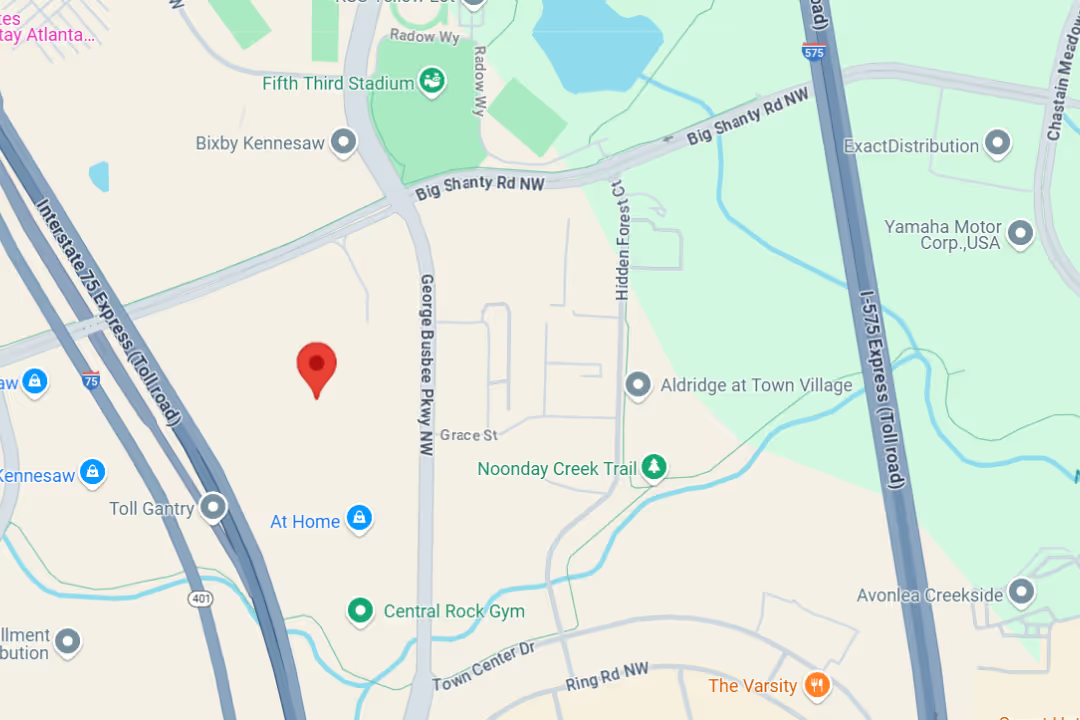
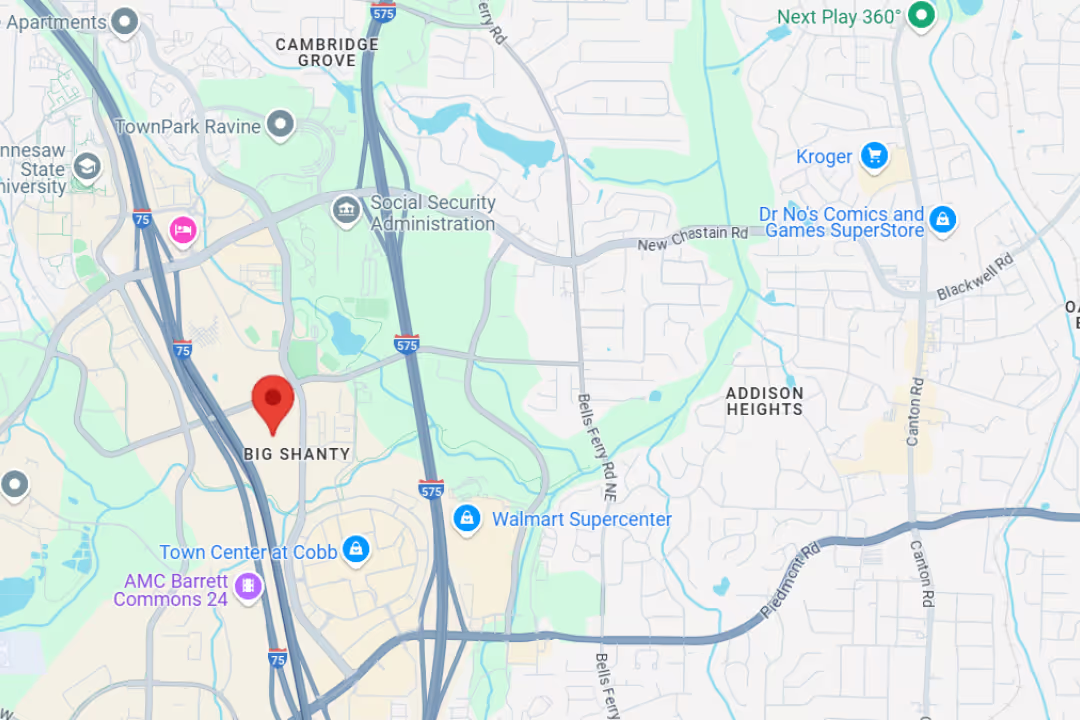
Kennesaw

2911 George Busbee Parkway, Suite 50

Kennesaw, GA 30144

(770) 545-6404

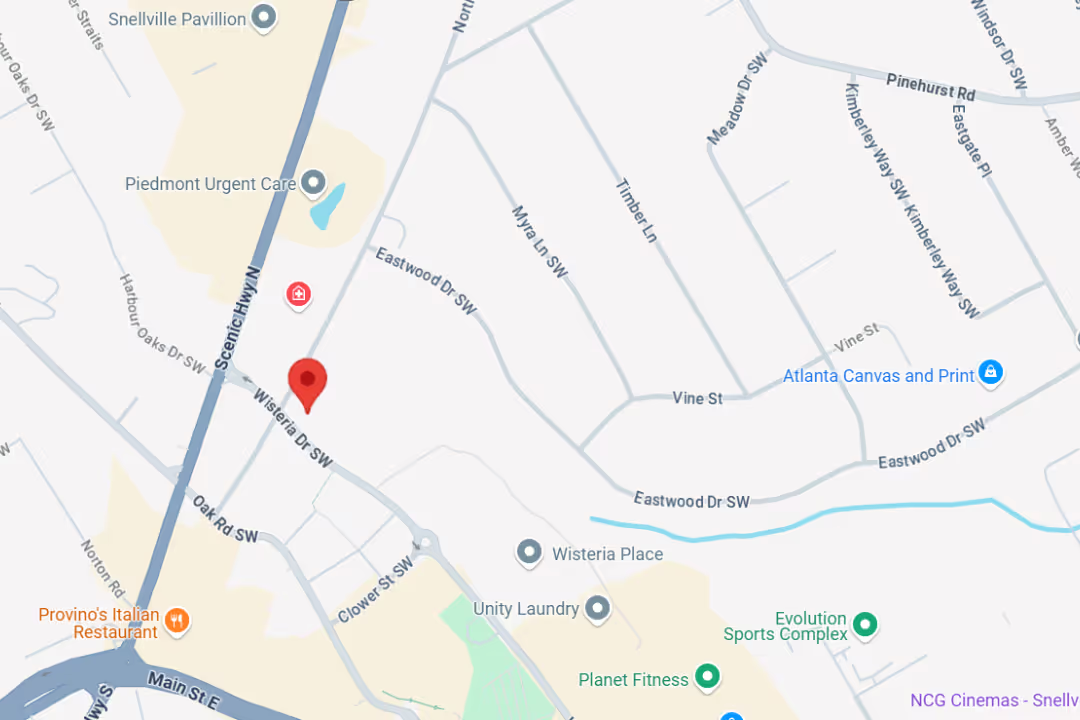
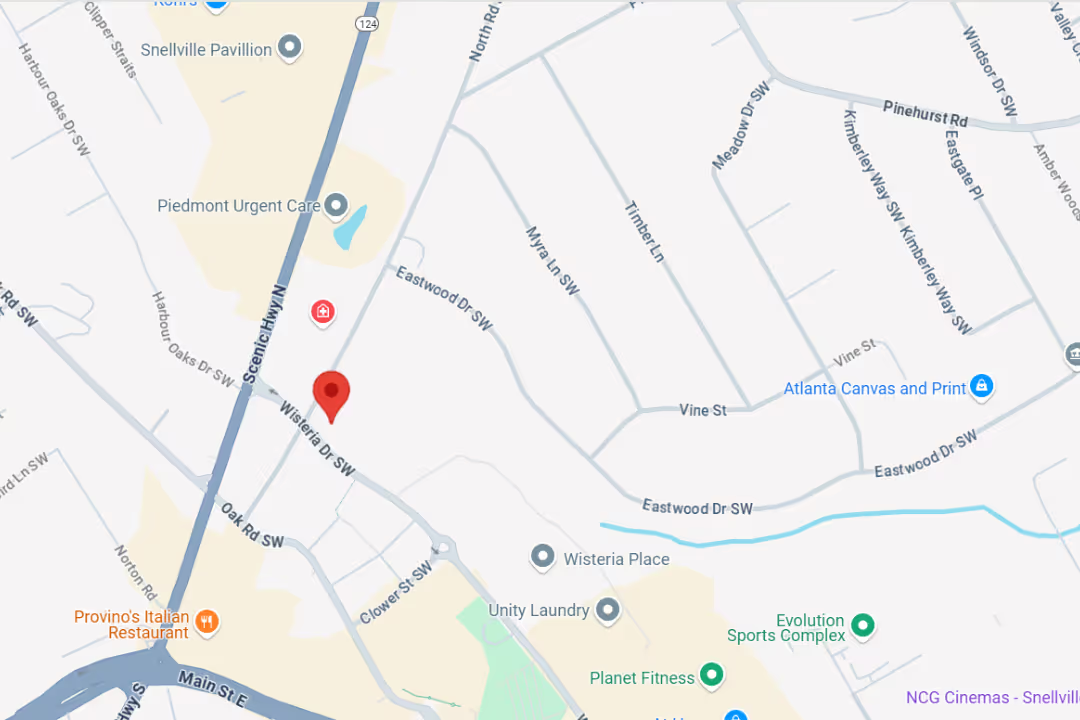
Snellville

2220 Wisteria Drive, Unit 101

Snellville, GA 30078

(470) 645-9297

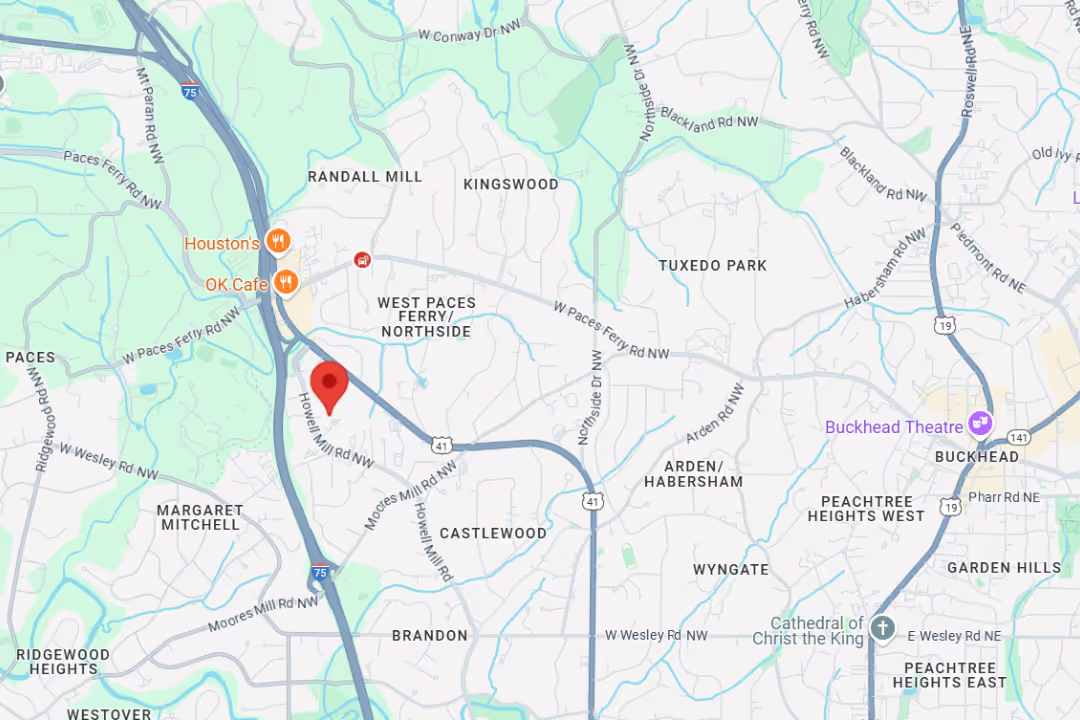
Buckhead PM&R

3200 Downwood Circle, NW, Suite 520

Atlanta, GA 30327

(770) 872-7549

Tired of Feeling
Like Just Another
Chart?

At Medici, you’re more than your MRI.
We take time to hear your story, understand your pain, and create a plan that actually works for you.