Chronic pain touches every part of life—your ability to work, move, sleep, and even enjoy the moments that should feel simple. It affects you physically, but it also wears on your emotions, your energy, and your sense of well-being. Many individuals living with long-term pain understandably search for natural, sustainable ways to feel better without relying solely on medications or invasive treatments.
Understanding how the body responds to stress, movement, inflammation, and rest is essential. Chronic pain is rarely the result of just one issue—it’s the combined effect of how your nervous system processes pain, how your muscles and joints move, how you sleep, what you eat, and how your body handles stress. The good news is that small, consistent lifestyle changes can make a profound difference, helping you regain comfort and mobility over time.
At Medici Orthopaedics & Spine, we are committed to minimally invasive, whole-person care. Our approach focuses on restoring long-term quality of life by supporting your body’s natural ability to heal—through movement, improved function, reduced inflammation, and healthier daily habits.
Gentle, Consistent Movement
Why Movement Helps Pain
Movement affects pain in several powerful ways:
- Improves circulation: Increased blood flow delivers oxygen and nutrients to tissues, helping them repair and reducing soreness.
- Reduces stiffness: Regular motion prevents muscles and joints from becoming tight or rigid, which often worsens pain.
- Supports joint health: Movement stimulates lubrication in your joints, helping them function smoothly and comfortably.
Types of Gentle Exercise
You don’t need a strenuous workout routine to feel better. Simple, low-impact activities can significantly improve mobility and comfort:
- Walking: A foundational exercise that boosts circulation, mood, and overall movement tolerance.
- Stretching routines: Enhances flexibility and reduces muscular tension that contributes to pain.
- Low-impact aerobic exercise: Activities like cycling or water aerobics support cardiovascular health without joint stress.
- Yoga and tai chi: Slow, mindful movement helps regulate the nervous system, reduce stress, and gently build strength.
How to Start Slowly and Safely
When living with chronic pain, pacing is essential.
- Graded activity progression: Start with small amounts of movement, then gradually increase duration or intensity as your body adapts.
- Listening to your body’s signals: Pain flares can be minimized by stopping before fatigue or discomfort sets in.
Strength & Stability Training
Reducing Injury Risk
Strong muscles protect vulnerable joints, tendons, and ligaments. Even mild strengthening can:
- Improve balance
- Support proper mechanics
- Reduce the risk of sprains or strains
Supporting the Spine and Joints
Chronic pain often stems from instability or weakness in key areas such as the core, hips, or shoulders. Strength training helps:
- Stabilize the spine
- Support proper alignment
- Reduce compensations that create additional pain
Benefits for Posture and Biomechanics
Good posture isn’t about standing perfectly straight—it’s about balanced muscles that support efficient movement. Strength training:
- Corrects muscular imbalances
- Improves body mechanics
- Reduces strain during everyday tasks
How Small Strength Gains Improve Daily Comfort
You don’t need heavy weights or intense workouts to see benefits. Even a 5–10% increase in strength can improve:
- Walking comfort
- Ability to lift household items
- Stability when climbing stairs
- Overall endurance
Anti-Inflammatory Nutrition
Foods That Reduce Inflammation
Incorporating nutrient-dense, whole foods can naturally calm inflammation and support tissue healing:
- Fresh vegetables and fruits: Rich in antioxidants that protect cells and reduce inflammatory stress.
- Omega-3 rich foods: Salmon, walnuts, flaxseed, and chia seeds help balance inflammation in the body.
- Lean proteins: Chicken, turkey, fish, beans, and lentils provide building blocks for muscle repair.
- Herbs and spices: Turmeric, ginger, garlic, cinnamon, and rosemary offer natural anti-inflammatory benefits.
Foods That May Worsen Pain
Certain foods can trigger inflammation or make symptoms more intense:
- Processed foods: Highly refined ingredients can amplify inflammatory pathways.
- Excess sugar: Spikes blood sugar and contributes to inflammatory stress.
- Excessive alcohol: Can disrupt sleep and irritate tissues.
- High inflammatory fats: Found in fried foods, some packaged snacks, and processed meats.
Hydration’s Role in Pain Relief
Hydration impacts nearly every system involved in pain:
- It supports joint lubrication.
- It improves muscle function.
- It helps flush inflammatory byproducts from tissues.
Building Sustainable Eating Habits
The goal isn’t dieting—it’s creating eating patterns you can maintain. Strategies include:
- Planning meals that include colorful produce
- Making gradual swaps instead of drastic changes
- Keeping healthy snacks accessible
- Paying attention to how different foods affect your body
Better Sleep Hygiene
Why Poor Sleep Increases Pain
Several physiological processes link poor sleep with intensified pain:
- Nervous system sensitization: Lack of restorative sleep heightens sensitivity, making your body more reactive to pain signals.
- Hormonal imbalances: Sleep deprivation affects hormones that regulate inflammation, stress, and healing.
Habits That Improve Sleep
Small changes in routine can make a significant impact:
- Consistent bedtime routine: Going to bed and waking at the same time helps regulate your internal clock.
- Limiting screens: Reducing blue light an hour before bed supports melatonin production.
- Creating a calming sleep environment: Cool temperatures, low lighting, and minimal noise promote deeper, restorative rest.
Addressing Pain That Disrupts Sleep
Chronic pain can interrupt sleep, creating a cycle where poor rest worsens pain and pain worsens sleep. Strategies to break this cycle may include:
- Gentle stretching or relaxation before bed
- Supportive pillows or ergonomic mattresses
- Heat or cold therapy for specific painful areas
- Coordinated treatment through physical therapy or minimally invasive care
Stress Reduction & Nervous System Regulation
How Stress Intensifies Pain
Stress triggers the body’s “fight-or-flight” response, which can:
- Tighten muscles
- Increase inflammation
- Heighten nerve sensitivity
- Disrupt sleep
- Reduce the body’s ability to recover
Techniques That Calm the Nervous System
Certain practices directly support relaxation and help restore balance:
- Deep breathing: Slow, steady breaths activate the parasympathetic nervous system, reducing tension and easing pain.
- Meditation: Even a few minutes a day can decrease stress hormones and improve emotional resilience.
- Guided relaxation: Audio-guided body scans or relaxation scripts help loosen muscles and quiet the mind.
- Grounding exercises: Techniques that focus on the senses—like noticing sounds, textures, or temperature—help bring the body out of stress mode and into a calmer state.
Mindfulness for Long-Term Pain Management
Mindfulness teaches the brain to observe sensations without reacting to them immediately. Over time, this can:
- Reduce pain-related anxiety
- Improve emotional regulation
- Increase tolerance for daily activities
- Create a calmer internal environment
Finding Daily Practices That Fit Your Lifestyle
Not every method works for every person. The key is choosing stress-reducing practices that you can maintain. Options may include:
- Short breathing sessions during breaks
- Gentle yoga in the morning
- A quiet evening routine
- Journaling before bed
- Brief meditation using an app
Posture & Body Mechanics Awareness
Impact of Poor Posture on Pain
Poor posture places unnecessary stress on the spine, hips, neck, and shoulders. Over time, this can lead to:
- Muscle fatigue
- Compressed joints
- Increased stiffness
- Tension headaches
- Aggravation of existing injuries
Ergonomics at Work, Home, and During Exercise
A few intentional adjustments help keep your body in healthier alignment:
- At work:
- Chair height that supports your spine
- Feet flat on the floor
- Screen at eye level to reduce neck strain
- At home:
- Supportive seating
- Avoiding long periods of slouching
- Incorporating movement breaks
- During exercise:
- Proper form to avoid compensations
- Attention to joint alignment
- Using the right equipment or support
Small Adjustments That Reduce Strain
Often, simple changes make the biggest difference:
- Keeping shoulders relaxed instead of lifted
- Distributing weight evenly when standing
- Engaging core muscles lightly when bending or lifting
- Taking short breaks to reset posture throughout the day
Take the First Step Toward Natural, Lasting Pain Relief
Living with chronic pain can feel exhausting, overwhelming, and at times discouraging. When you’ve tried various treatments or felt unheard in the past, it’s easy to believe that lasting relief may be out of reach. But meaningful improvement is possible—especially when you have the right plan, the right tools, and the right team supporting you.
Natural, sustainable pain relief doesn’t come from a single change but from a holistic approach that honors how your body heals. With consistent lifestyle habits and thoughtful clinical guidance, many individuals find themselves moving with greater ease, feeling less tension, and regaining the parts of life they’ve been missing.
At Medici Orthopaedics & Spine, we’re committed to helping you build a personalized, minimally invasive path forward—one grounded in whole-person care and long-term wellness. Our team is here to listen, guide, and walk beside you as you take the next steps toward greater comfort and strength.
Medici Orthopaedics & Spine
📞 Main Contact: +1-844-328-4624
🌐 Website: https://www.mediciortho.com/
Ambulatory Surgery Centers:
• Marietta – 792 Church Street, Unit 101, Marietta, GA 30060 — (470) 795-8398
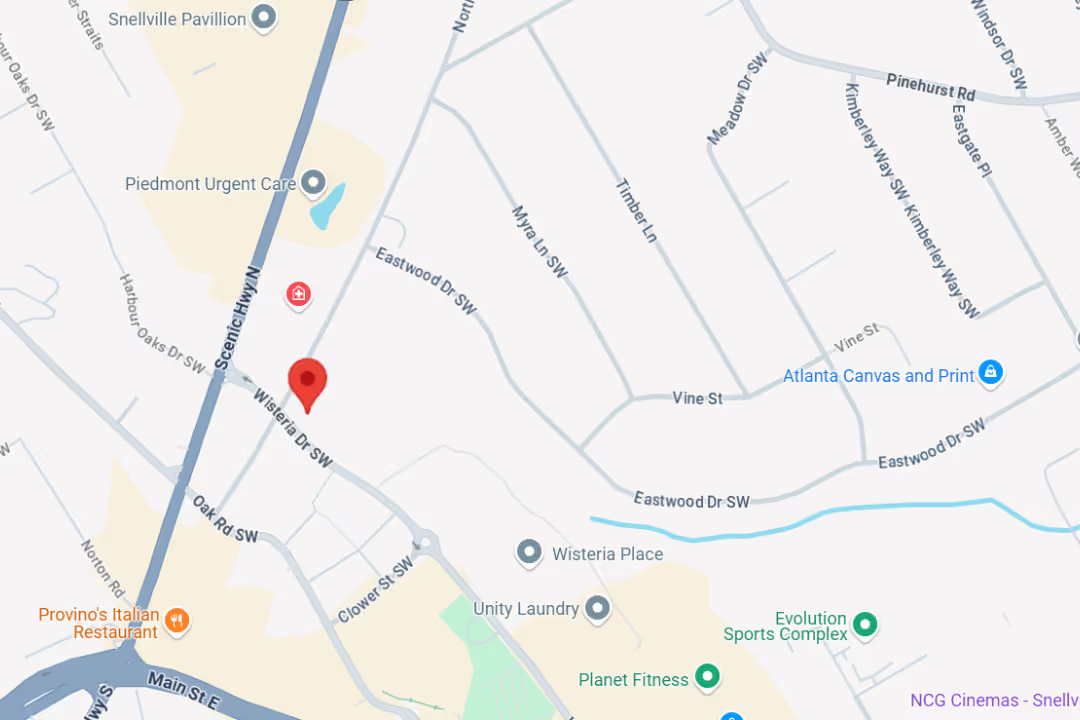
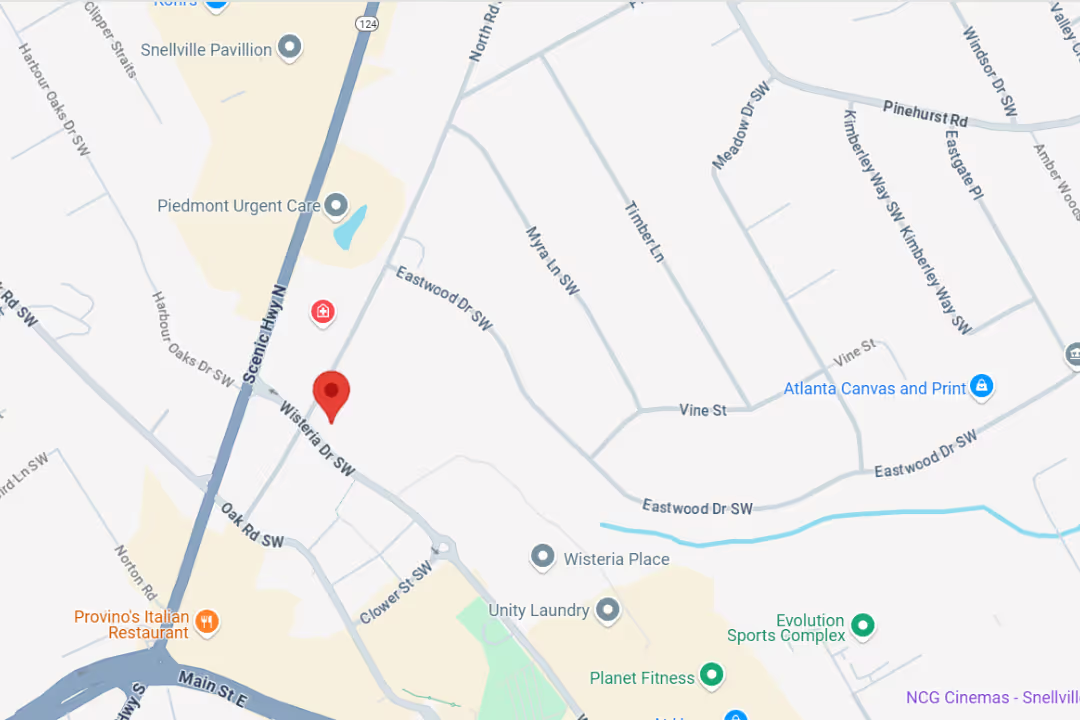
• Snellville – 2220 Wisteria Dr, Unit 100, Snellville, GA 30078 — (470) 795-8398
Clinics:
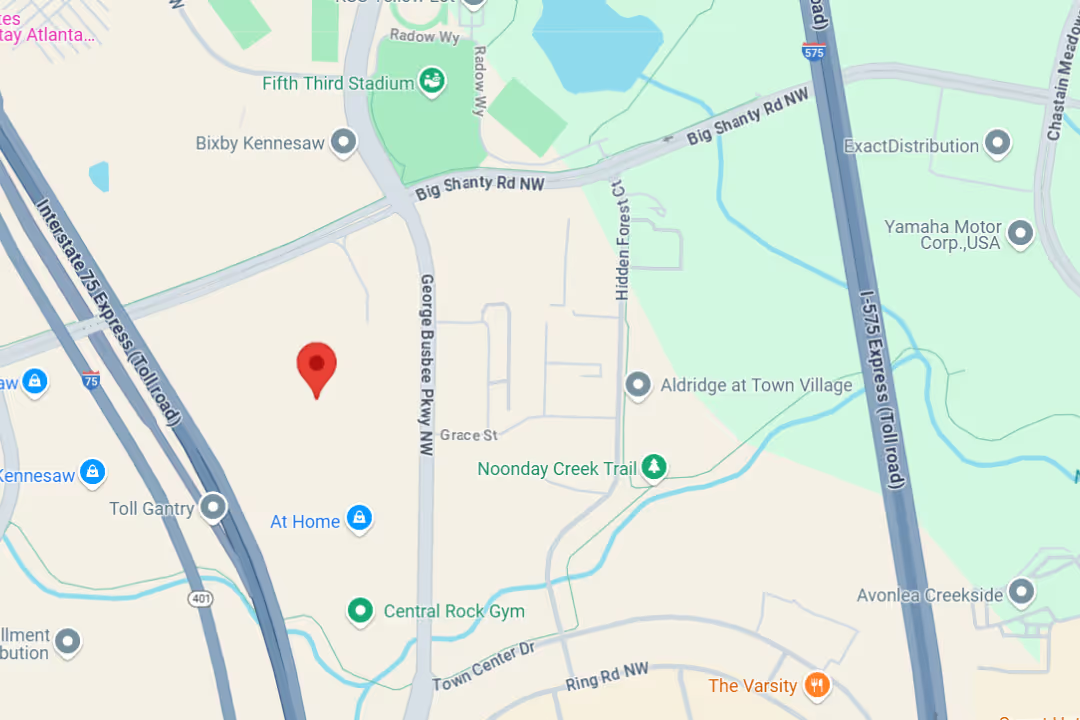
• Kennesaw – 2911 George Busbee Parkway, Suite 50, Kennesaw, GA 30144 — (770) 545-6404
• Snellville – 2220 Wisteria Drive, Unit 101, Snellville, GA 30078 — (470) 645-9297
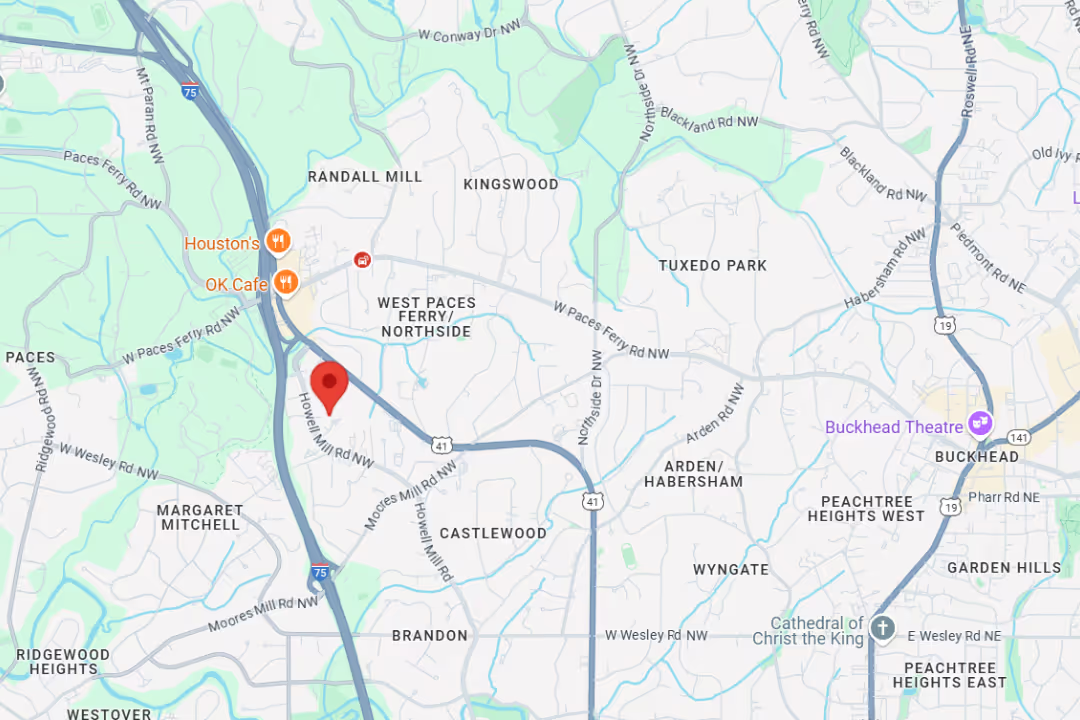
• Buckhead PM&R – 3200 Downwood Circle, NW, Suite 520, Atlanta, GA 30327 — (770) 872-7549