It’s one of the most common and frustrating experiences patients face: you’re actively receiving treatment, doing everything you’ve been told, yet the pain never fully goes away. Maybe it improves for a few hours or days, only to return just as strong. Over time, that cycle can leave you feeling stuck and unsure of what’s actually working.
For many people, the confusion grows when symptoms begin to change rather than resolve. The pain might move to a different area, feel slightly different, or come and go unpredictably. It can make you question whether you're truly healing—or just managing the symptoms temporarily.
There’s a subtle but critical difference between real healing and short-term relief. Understanding that difference can completely change the direction of your recovery. Because at the end of the day, it’s not just about feeling better for a moment—it’s about addressing what’s actually causing the pain in the first place.
Treating a side effect often means focusing on the symptom most commonly pain—without fully addressing what’s causing it. While this approach can provide relief, it’s usually temporary.
This might include:
In many cases, patients feel better briefly, but the underlying problem remains unchanged. This creates a cycle where relief is dependent on ongoing treatment rather than true healing.
Root cause treatment takes a deeper, more comprehensive approach. Instead of asking “How do we stop the pain?” the question becomes “Why is this pain happening in the first place?”
This involves:
The goal is not just relief, but long-term improvement—helping the body heal in a way that reduces the likelihood of the pain returning.
Understanding whether your treatment is addressing symptoms or the root cause can significantly impact your long-term health.
When only symptoms are treated, patients may experience:
On the other hand, addressing the root cause can lead to more sustainable outcomes, improved mobility, and a better overall quality of life.
One of the clearest signs is relief that doesn’t last. You may feel better immediately after treatment, but the pain returns within hours or days.
This often looks like:
If you find yourself needing more medication—or stronger doses—to get the same level of relief, it may be a sign that the underlying issue hasn’t been addressed.
Warning signs include:
Pain that moves or changes can indicate that your body is compensating rather than healing.
You might notice:
True healing should lead to better movement, strength, and daily function—not just reduced pain.
If your treatment isn’t improving your ability to:
…it may be time to reassess whether the current approach is addressing the real issue.
In many healthcare environments, appointments are limited to just a few minutes. This makes it difficult to fully understand a patient’s condition beyond surface-level symptoms.
As a result:
This can lead to quick fixes that provide temporary relief but fail to address the underlying issue.
Medication is often one of the fastest ways to manage pain, but it doesn’t always solve the problem causing it.
In these cases:
While medication has its place, relying on it alone can keep patients in a cycle of symptom management instead of true recovery.
When care is spread across multiple specialists who aren’t communicating effectively, it can create a disjointed experience for the patient.
This often leads to:
Without coordination, it becomes much harder to identify the root cause and develop a strategy that actually resolves it.
A thorough evaluation goes beyond a quick check of symptoms. It looks at the full picture of how your body is functioning.
This includes:
Most importantly, it identifies contributing factors that may not be immediately obvious—such as muscle imbalances, joint dysfunction, or nerve involvement.
Pain isn’t always as straightforward as it seems. What you feel in one area of your body may actually be coming from somewhere else.
A deeper understanding involves:
No two patients are exactly alike, and treatment shouldn’t be either. Once an accurate diagnosis is made, care should be tailored to your specific condition, lifestyle, and goals.
Effective plans include:
Physical therapy is a cornerstone of root-cause treatment because it actively works to correct the issues contributing to pain.
It helps by:
Over time, this leads to more sustainable improvements in both pain and function.
For patients dealing with spine-related pain, targeted interventions can provide precise and effective relief.
These treatments:
By addressing the problem at its source, they go beyond generalized pain management.
Regenerative therapies focus on enhancing the body’s ability to heal itself rather than simply suppressing symptoms.
This approach:
It represents a more forward-thinking strategy for patients seeking lasting results.
When structural issues are involved, minimally invasive procedures can offer effective solutions without the risks of major surgery.
Benefits include:
These procedures are designed to correct underlying problems while allowing patients to return to their normal lives as quickly as possible.
True recovery doesn’t come from simply masking symptoms—it comes from identifying and addressing the root cause of your pain. While short-term relief can feel encouraging, lasting results require a deeper understanding of what your body is trying to tell you.
With the right approach, it’s possible to restore function, reduce pain in a meaningful way, and regain control over your daily life. Healing becomes more than a cycle of relief it becomes a path forward.
If you’ve been going through treatment but still feel like something isn’t quite right, you’re not alone and you don’t have to settle for temporary relief. At Medici Orthopaedics & Spine, we take a deeper, more comprehensive approach to diagnosing and treating pain.
Contact Medici Orthopaedics & Spine today:
Locations:
Marietta Surgery Center
792 Church Street, Unit 101
Marietta, GA 30060
(470) 795-8398
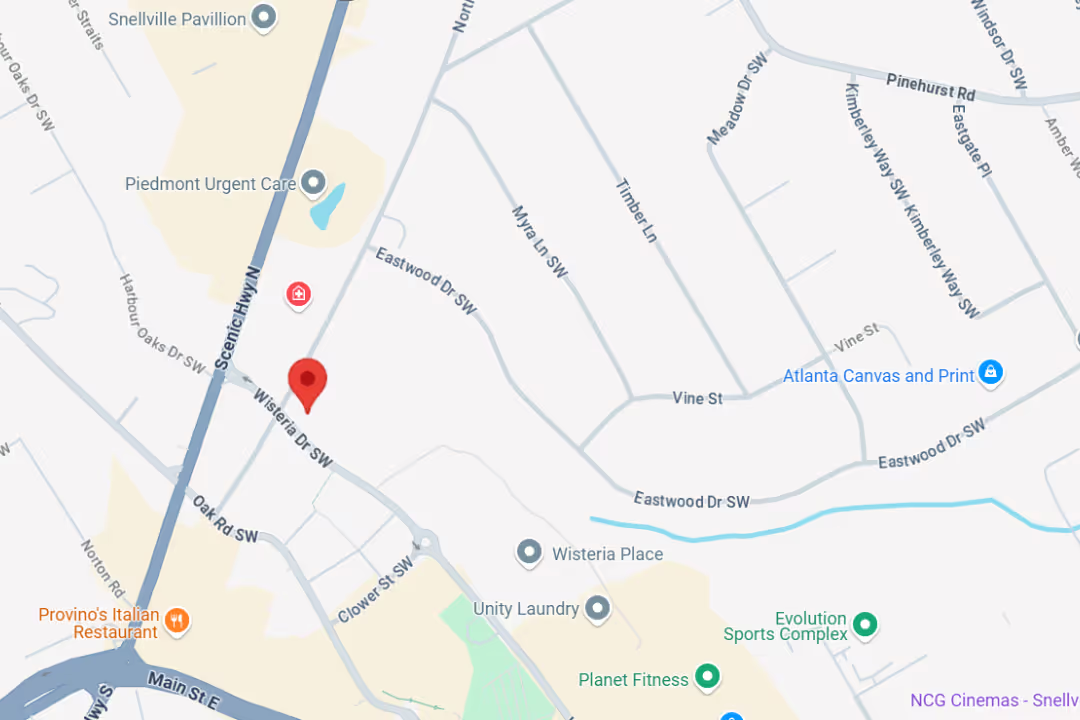
Snellville Surgery Center
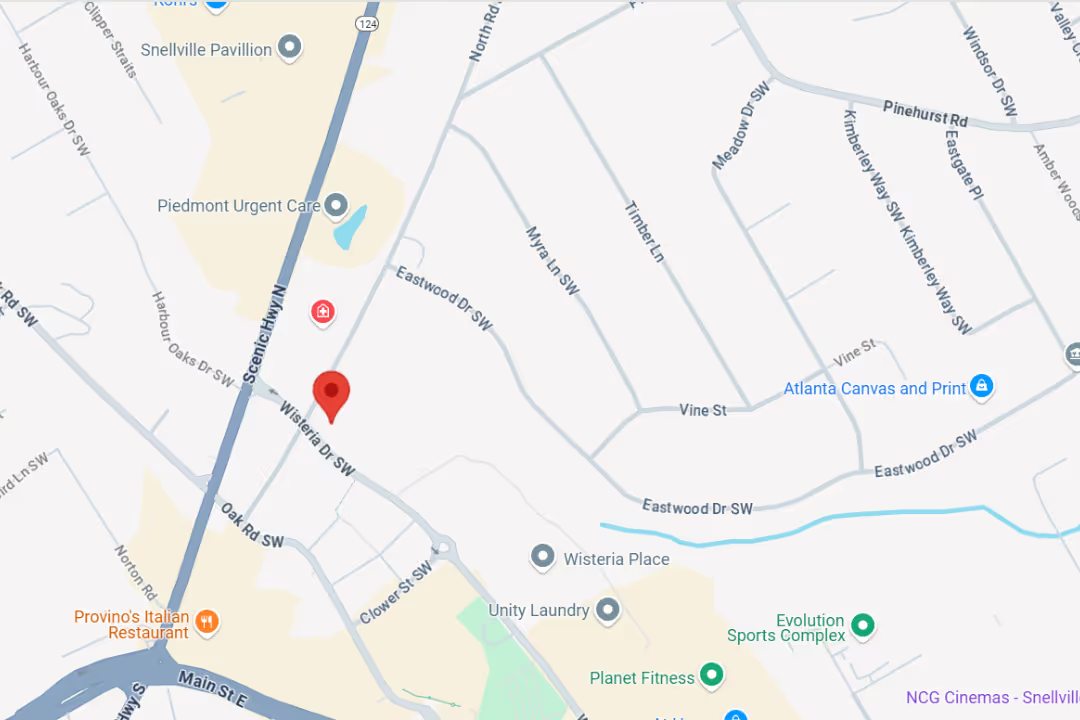
2220 Wisteria Dr, Unit 100
Snellville, GA 30078
(470) 795-8398
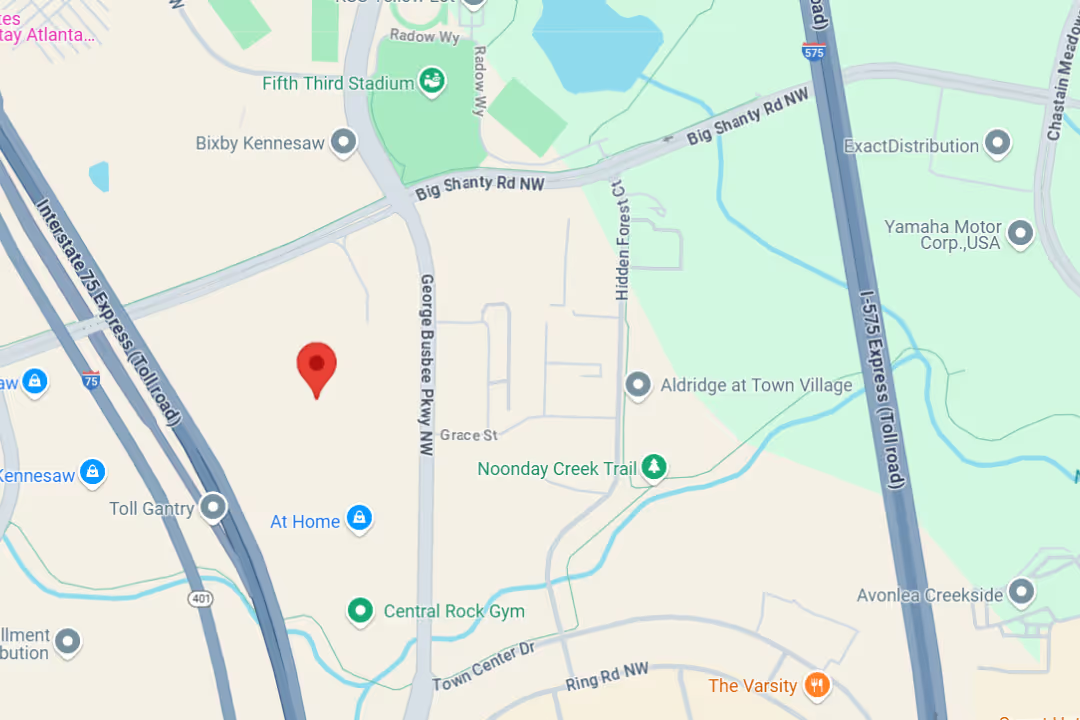
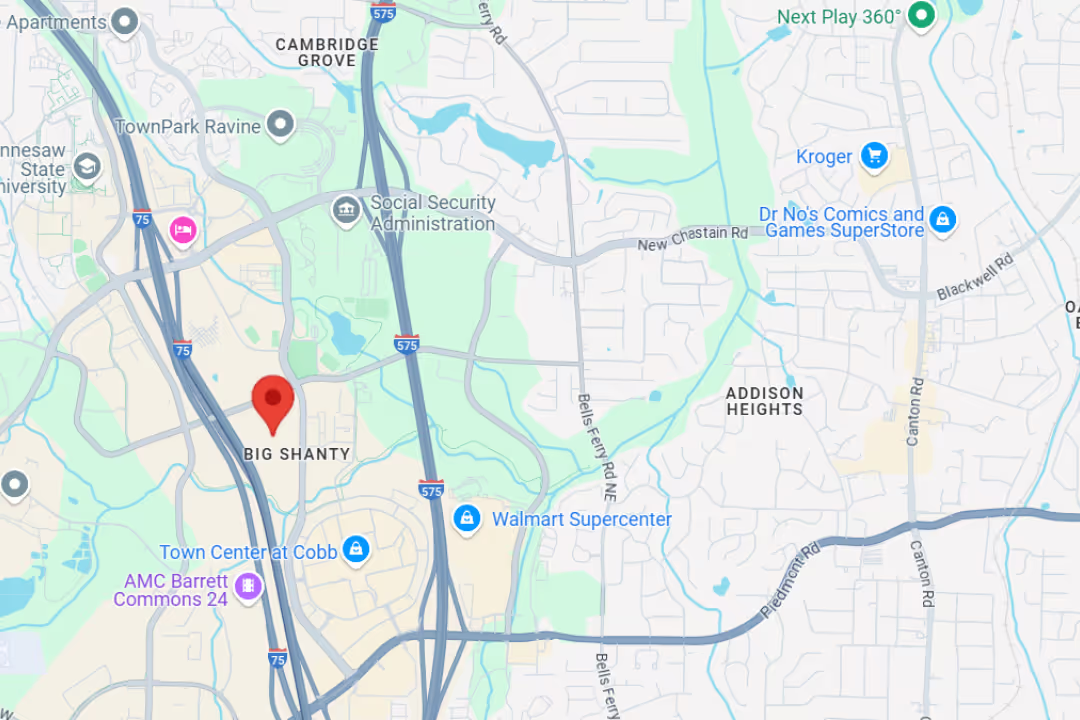
Kennesaw Clinic
2911 George Busbee Parkway, Suite 50
Kennesaw, GA 30144
(770) 545-6404
Snellville Clinic
2220 Wisteria Drive, Unit 101
Snellville, GA 30078
(470) 645-9297
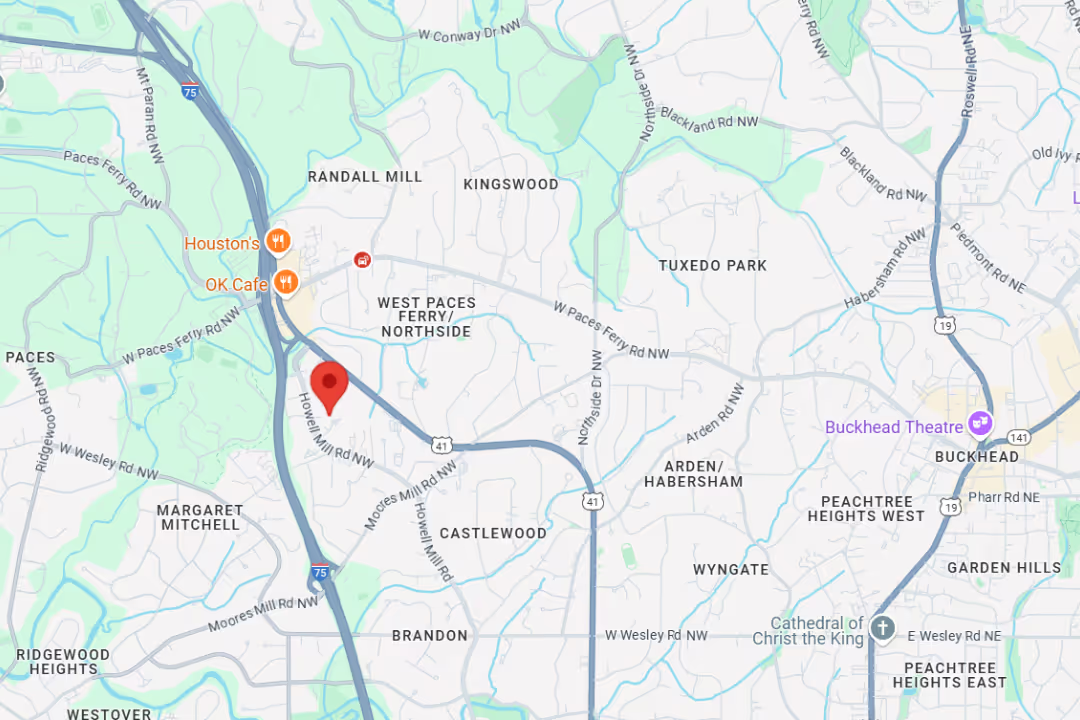
Buckhead PM&R
3200 Downwood Circle NW, Suite 520
Atlanta, GA 30327
(770) 872-7549
At Medici, you’re more than your MRI.
We take time to hear your story, understand your pain, and create a plan that actually works for you.

Our team delivers specialist care at convenient locations across Metro Atlanta:
Get expert tips on injury recovery, pain relief, joint health, and movement strategies—straight from our Fellowship-Trained team.