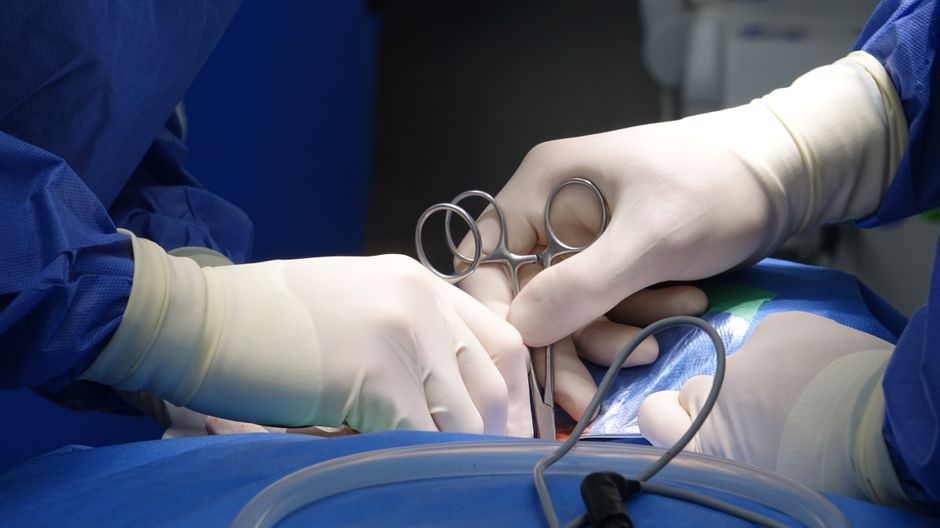
Interventional spine and pain management is a branch of medicine that treats chronic and acute pain using minimally invasive, non-surgical procedures — targeting the root cause of pain rather than just masking symptoms.
Here's a quick overview of what it involves:
Chronic pain is far more common than most people realize. It affects 1 in 5 adults in the United States and is the leading cause of disability worldwide. According to the National Spine Health Foundation, 1 in 3 people will experience back or neck pain at some point in their lifetime.
Yet for many patients, the path to relief has been frustrating — bouncing between medications that mask symptoms or being told surgery is the only option. Interventional care offers a third path.
At Medici Orthopaedics & Spine, the focus is on finding the specific source of your pain and treating it directly — with precision, and without unnecessary surgery or heavy medication.
This guide walks you through exactly what to expect from an interventional spine and pain clinic: the conditions treated, the procedures available, the patient experience, and how to know if this approach is right for you.
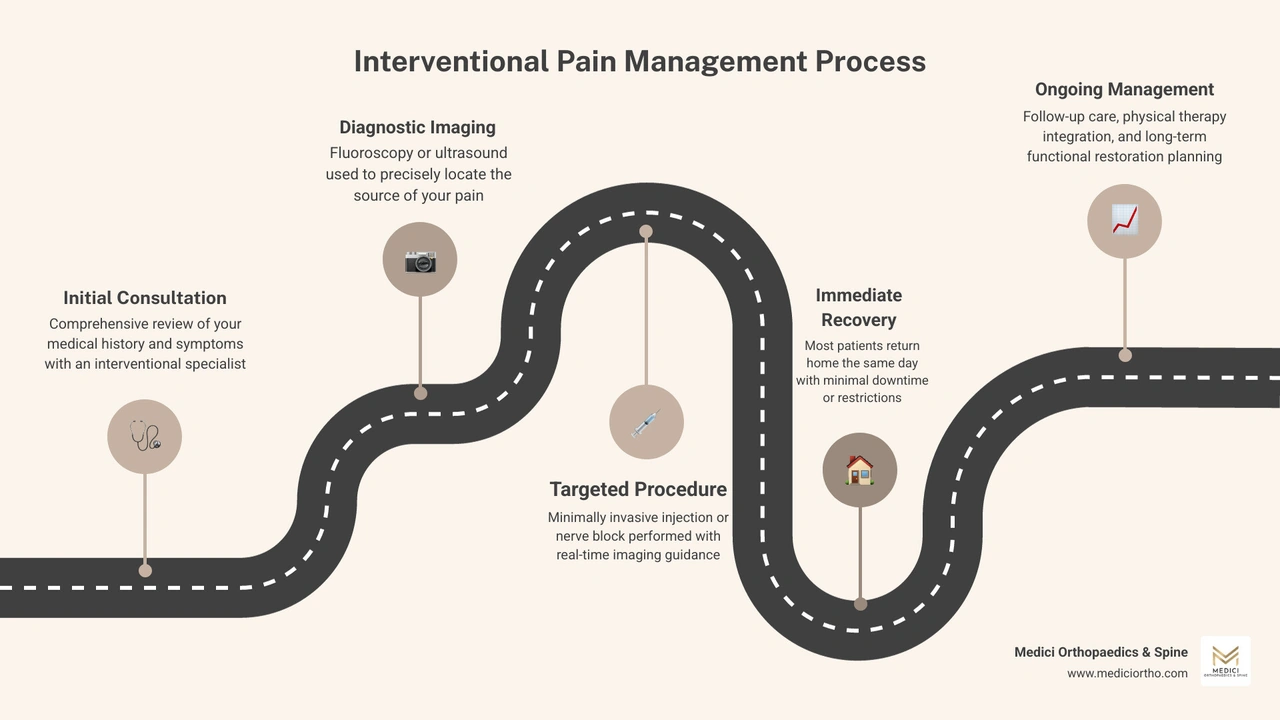
When we talk about interventional spine and pain management, we are describing a specialized field of medicine focused on diagnosing and treating pain right at its source. Unlike traditional approaches that might rely solely on oral pain medications or jump straight to major surgery, interventional care uses precisely targeted, minimally invasive techniques.
At Medici Orthopaedics & Spine, we believe in a comprehensive, non-surgical care model. Our goal is to bridge the gap between conservative treatments (like basic rest or hot/cold therapy) and major open-back surgeries. By utilizing advanced imaging technologies such as fluoroscopy (live X-ray) and ultrasound, we can pinpoint the exact nerve, joint, or spinal disc responsible for your discomfort and deliver relief directly to that spot.
This multidisciplinary approach is designed with two primary goals in mind: functional restoration and opioid minimization. We want to help you regain your mobility and get back to doing what you love, without the need for long-term, habit-forming medications. By integrating therapies that work synergistically, we address the physical, functional, and neurological aspects of chronic pain. To explore how we build these comprehensive programs, you can read more about our approach to Pain Management.
For many years, patients suffering from severe chronic back or neck pain felt they had only two choices: live with the pain while taking pills, or undergo major spinal surgery. Interventional care completely changes this dynamic.
Most interventional procedures are performed on an outpatient basis. This means you can have your treatment done and return to the comfort of your own home the very same day. Instead of general anesthesia, which carries its own set of risks and requires a lengthy recovery, we typically use local anesthesia. This keeps you comfortable and awake, allowing for a much safer and faster recovery.
Furthermore, interventional techniques offer unparalleled diagnostic precision. Often, an MRI shows multiple wear-and-tear areas in the spine, but it cannot tell us which one is actually causing your pain. By performing highly targeted diagnostic nerve blocks, we can "test" specific areas. If your pain temporarily disappears after we numb a specific nerve, we have found the exact culprit.
To help you visualize the key differences, here is a comparison between interventional treatments and traditional open spine surgery:
| Feature | Interventional Spine & Pain Care | Traditional Open Spine Surgery |
|---|---|---|
| Setting | Outpatient (same-day discharge) | Inpatient (requires hospital stay) |
| Anesthesia | Local anesthesia or light sedation | General anesthesia |
| Incision Size | Needle punctures or tiny micro-incisions | Large incisions requiring stitches |
| Recovery Time | Hours to a few days | Weeks to several months |
| Risk Profile | Extremely low risk of infection or bleeding | Higher risk of complications, scarring, and blood loss |
| Primary Goal | Pinpoint and interrupt pain signals; restore function | Modify spinal anatomy structurally |
We do not view pain through a single lens. Chronic pain is complex; it affects your muscles, your nerves, your mental well-being, and your daily habits. That is why we champion a collaborative, patient-centered care model.
When you work with us, your treatment plan is not limited to a single procedure. We coordinate closely with physical therapists, rehabilitation specialists, and other medical experts to create a holistic recovery plan. For example, an epidural injection can reduce your pain enough to allow you to actively participate in physical therapy. The physical therapy then strengthens your core and stabilizes your spine, preventing the pain from returning.
By combining advanced interventional procedures with tailored physical medicine, we help you build better pain-coping skills, improve your physical endurance, and achieve lasting functional restoration.
The human spine is an incredibly complex structure of bones, joints, ligaments, nerves, and discs. When any of these components become irritated, damaged, or compressed, the result can be debilitating pain. Interventional specialists are uniquely trained to identify and treat these specific issues. You can learn more about the breadth of these targeted therapies by reviewing our guide to Interventional Spine Treatments.
As we age, our spinal discs—the rubbery cushions between our vertebrae—can lose their water content, flatten, or tear. This is known as degenerative disc disease. If a disc tears, its soft inner gel can push outward, causing a herniated disc.
When this herniated material presses against nearby spinal nerves, it causes nerve compression and radiculopathy. If this happens in your lower back, it often results in sciatica—a sharp, shooting pain that radiates down your buttock and into your leg.
These conditions can make simple movements like bending over or sitting at a desk feel impossible. Fortunately, interventional techniques are highly effective at reducing the localized inflammation around these compressed nerves, giving the body time to naturally heal and reabsorb the herniated disc material.
Another common source of chronic pain is spinal stenosis, which is a narrowing of the spinal canal. This narrowing puts pressure on the spinal cord and nerves, often causing pain, numbness, or cramping in your legs when you walk or stand for long periods.
Additionally, just like your knees or hips, the small joints connecting your vertebrae—called facet joints—can develop arthritis. This facet arthropathy leads to localized, aching pain in the neck or lower back that typically worsens when you twist or bend backward.
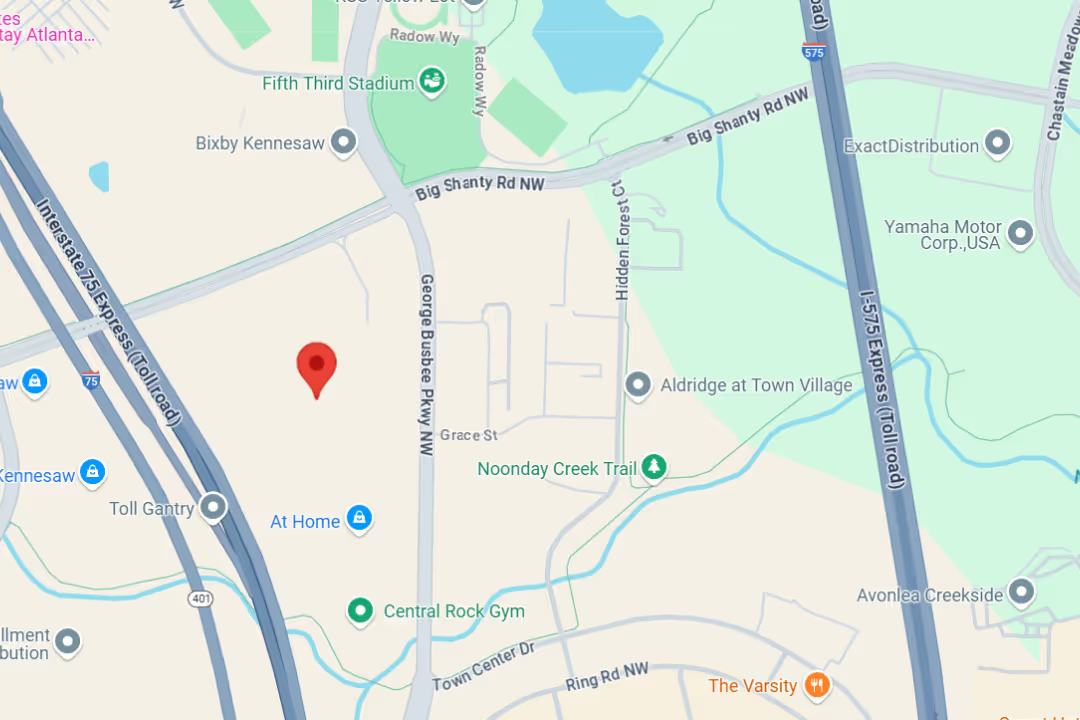
If you are experiencing these symptoms in the Metro Atlanta area, we provide targeted diagnostics and localized therapies to relieve this pressure. Residents can explore specialized resources and find relief through our dedicated Interventional Spine Treatment in Kennesaw.
Interventional treatments utilize cutting-edge medical technology to deliver relief directly to the painful area. All of these procedures are performed with extreme care, utilizing real-time imaging to ensure maximum safety and accuracy.
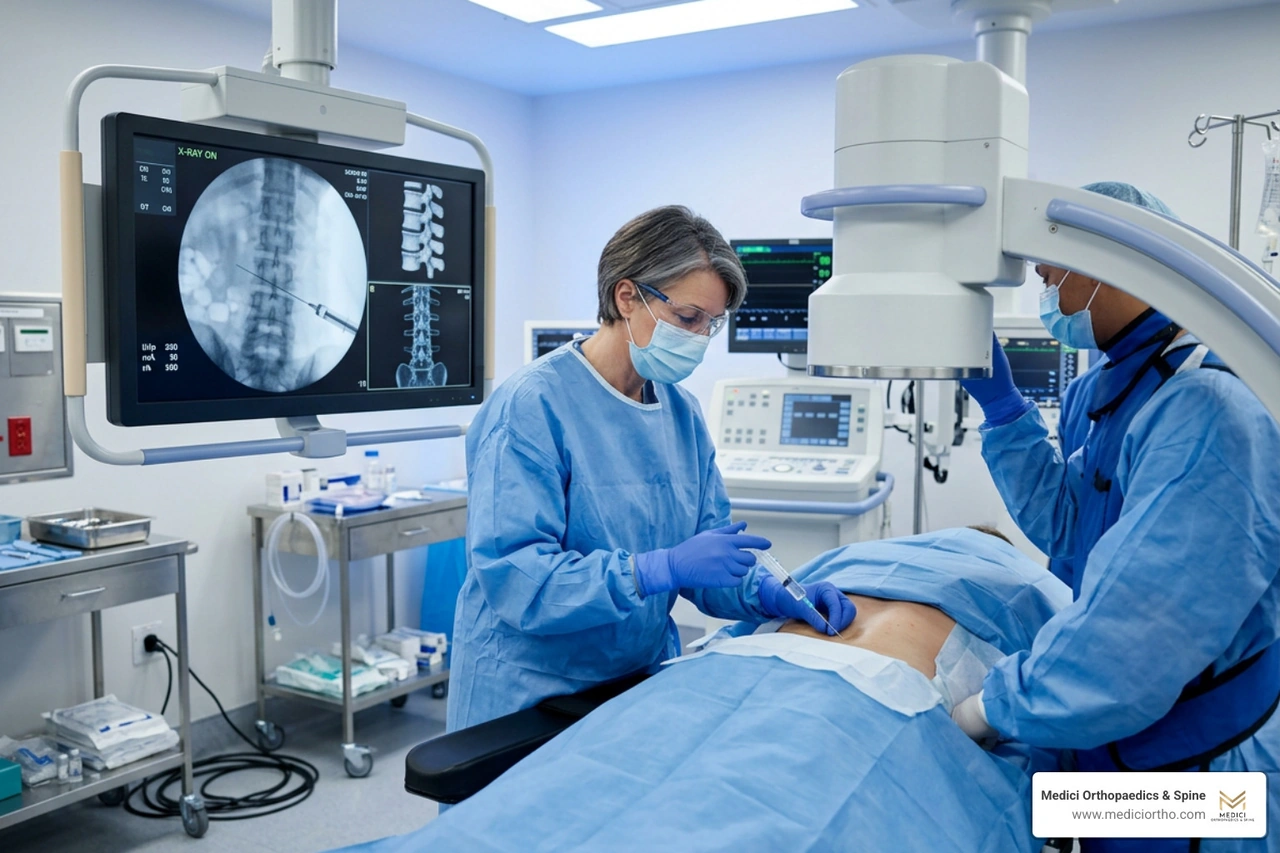
Among the most common and effective tools in our arsenal are targeted injections and nerve blocks. These include:
These procedures are highly effective at breaking the cycle of chronic pain, allowing you to return to normal activities and rehabilitation programs.
For patients dealing with complex, stubborn nerve pain—such as failed back surgery syndrome or complex regional pain syndrome (CRPS)—traditional treatments may not be enough. In these cases, we often recommend advanced neuromodulation, specifically spinal cord stimulation.
A spinal cord stimulator acts like a "pacemaker for pain." It is an FDA-approved device that sends mild electrical impulses to the spinal cord, interrupting pain signals before they can reach your brain. Instead of feeling pain, patients typically feel a gentle, soothing sensation or simply experience a significant reduction in their overall pain.
The best part of this technology is that it begins with a temporary trial. During a spinal cord stimulator trial, we place temporary leads under the skin for a few days. You get to "test drive" the device in your daily life. If your pain is reduced by 50% or more and your quality of life improves during the trial, we can then discuss a permanent, outpatient implant.
We know that seeking treatment for chronic pain can feel overwhelming. That is why we make your journey with us as clear, transparent, and supportive as possible.
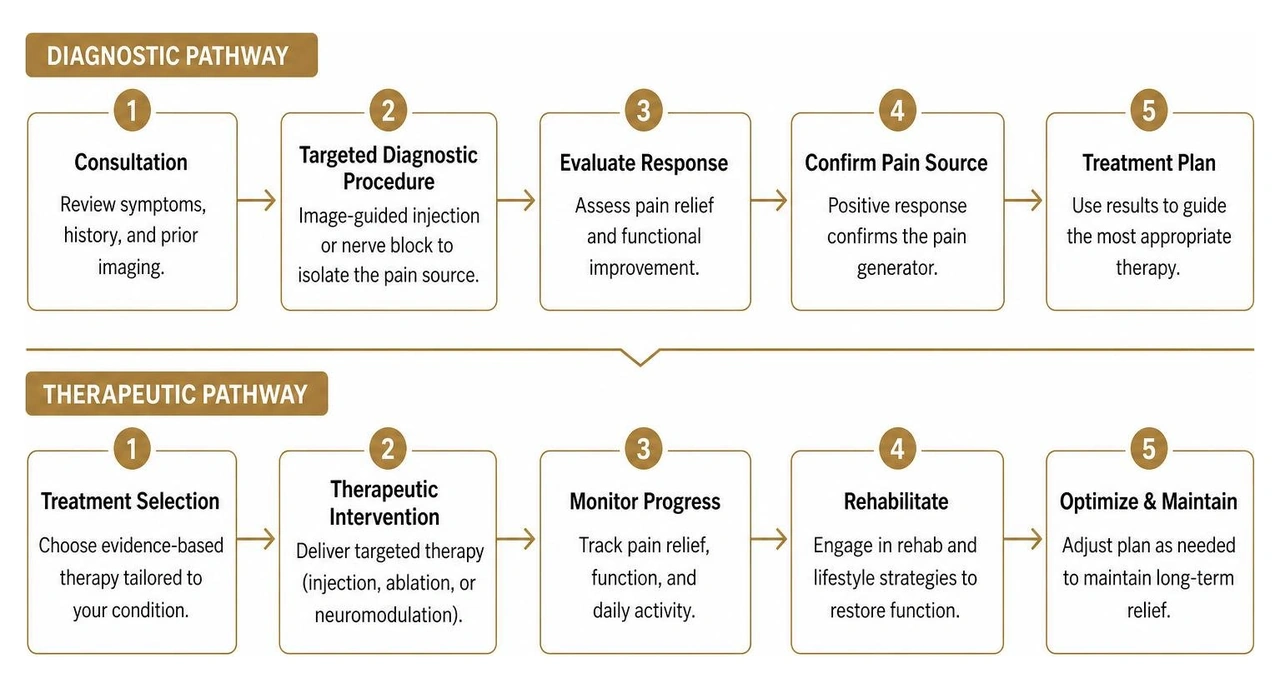
Your first step toward relief begins with a comprehensive evaluation. When you visit us, we do not just look at your scans; we listen to your story.
During your initial consultation, we will:
If you are ready to take this step, you can find a dedicated interventional pain specialist in Georgia at one of our convenient locations.
Because interventional procedures are minimally invasive, the risks are remarkably low compared to open surgery. However, as with any medical procedure, there are a few things to keep in mind.
Some patients experience temporary soreness or mild bruising at the injection site for 24 to 48 hours. Serious complications, such as infection, bleeding, or nerve irritation, are extremely rare because we perform these procedures under strict sterile conditions using precise imaging guidance.
Most patients can return to light activities the day after their procedure. We will provide you with detailed, easy-to-follow post-procedure instructions, which may include avoiding strenuous exercise or hot tubs for a brief period. We also coordinate follow-up care to monitor your progress and adjust your treatment plan as you heal.
The duration of pain relief varies depending on the specific procedure and your individual body.
Our primary goal is to fix the underlying cause of your pain, not just mask it with medication. We focus heavily on minimizing opioid dependence by offering highly effective, non-opioid alternatives. The vast majority of our patients find that they do not need prescription opioids after their procedures; instead, they manage any temporary, mild soreness with standard over-the-counter pain relievers or ice.
We believe that every patient is unique. To find the right plan, we combine a detailed physical exam with diagnostic imaging and, when necessary, diagnostic nerve blocks. This allows us to confirm exactly where your pain is coming from. We then build your plan around your specific lifestyle, medical history, and personal recovery goals, incorporating synergistic therapies like physical therapy to ensure the best possible outcome. If you are looking for expert guidance, you can connect with the best pain management doctors in Georgia.
Living with chronic pain can make your world feel very small, but you do not have to navigate this journey alone. At Medici Orthopaedics & Spine, led by our CEO and owner Dr. Sonny Dosanjh, M.D., we are committed to helping you reclaim your life. Through our patient-centered, non-surgical orthopedic care, we focus on restoring your quality of life using the most effective, least invasive, and least drug-dependent methods available today.
Whether you are dealing with persistent back pain, neck stiffness, or radiating nerve pain, we are here to help you find lasting relief.
Ready to take the first step toward a life without limits? You can easily schedule an appointment with our team of specialists.
https://www.mediciortho.com/support/best-pain-management-doctors-in-marietta
We look forward to partnering with you on your path to recovery!
At Medici, you’re more than your MRI.
We take time to hear your story, understand your pain, and create a plan that actually works for you.

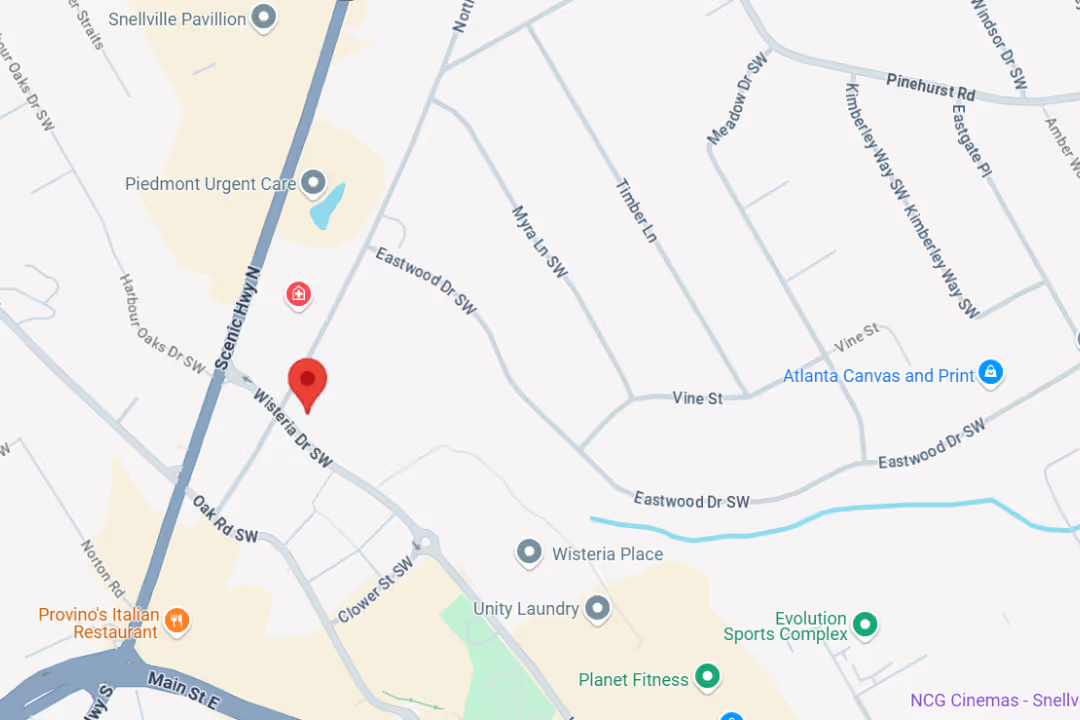
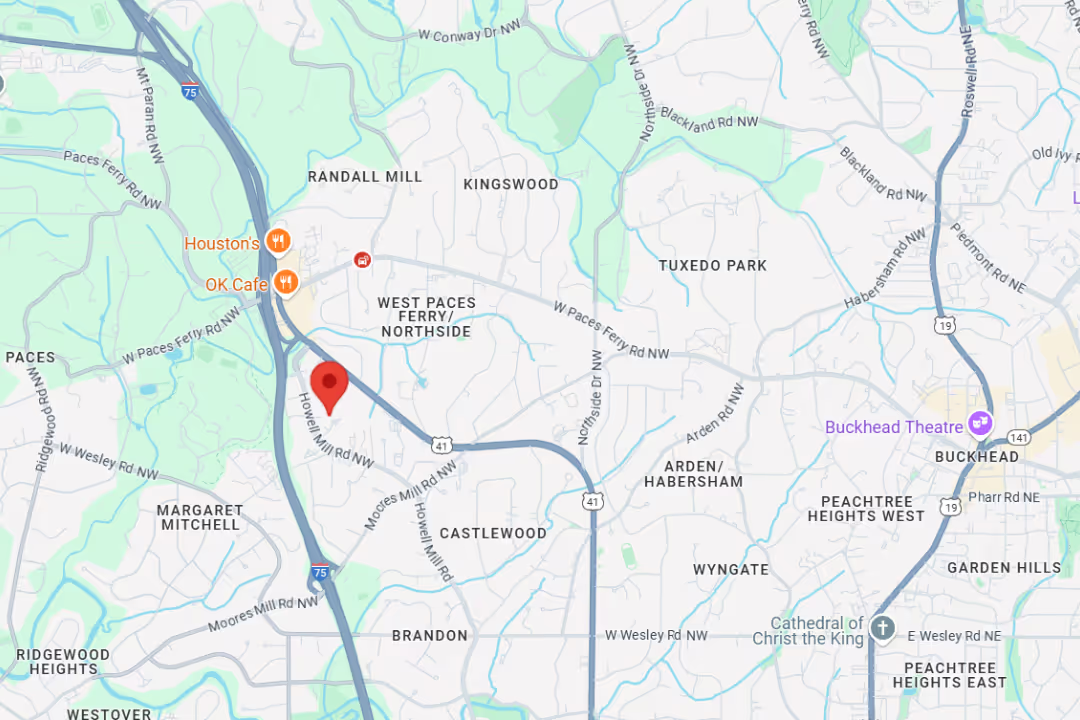
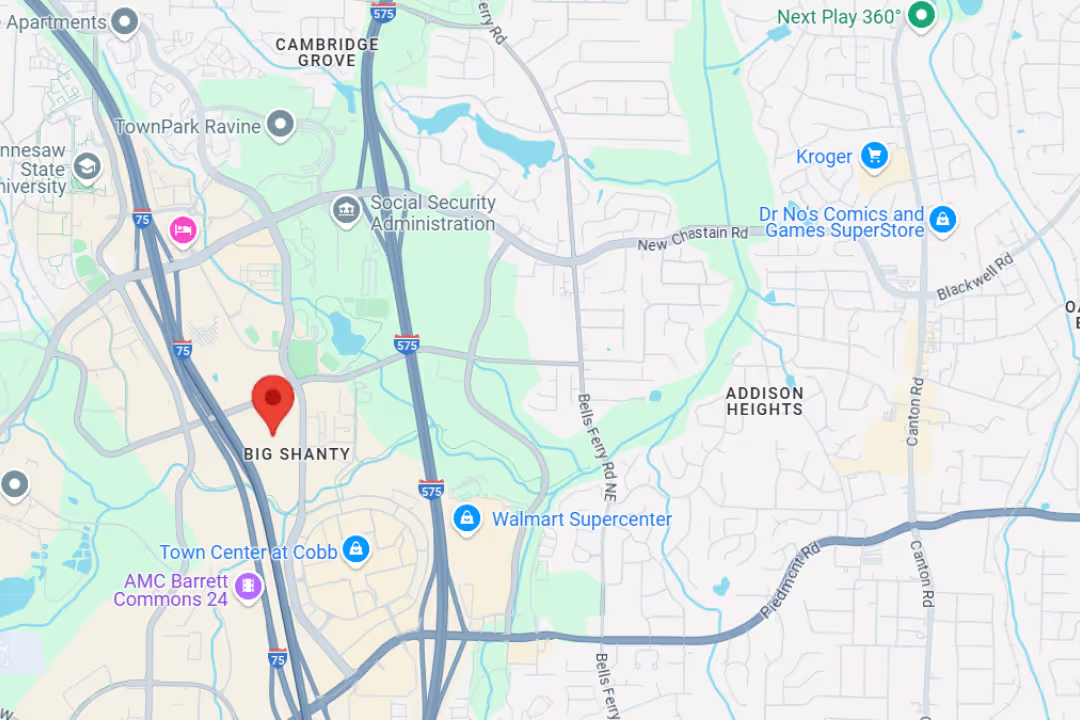
Our team delivers specialist care at convenient locations across Metro Atlanta:
Get expert tips on injury recovery, pain relief, joint health, and movement strategies—straight from our Fellowship-Trained team.