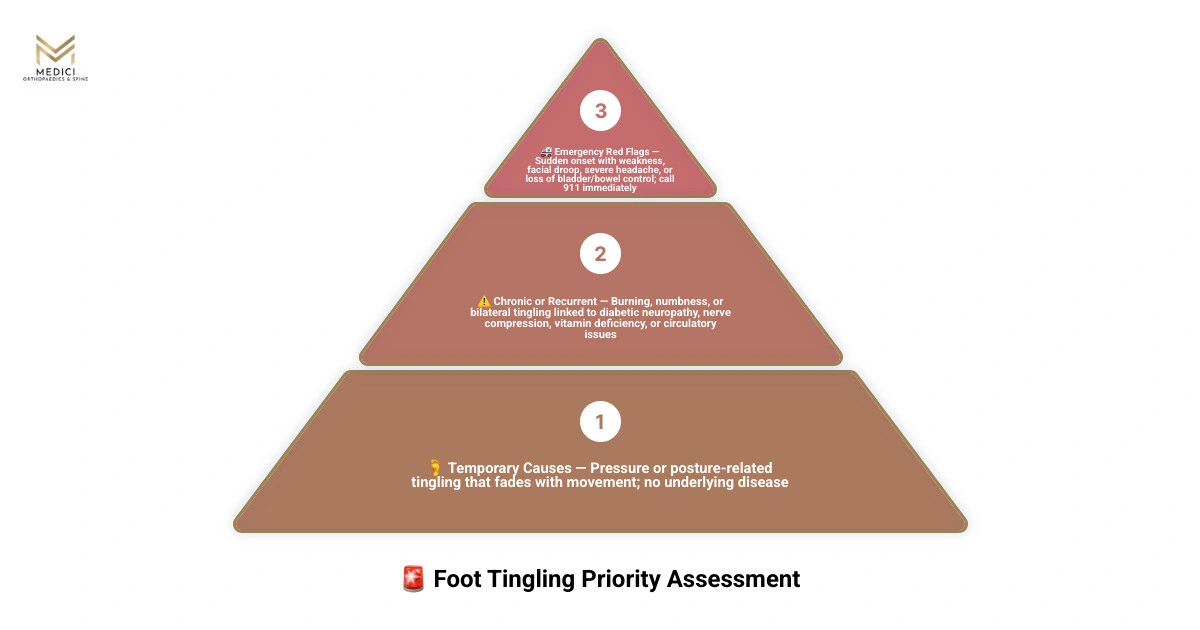
Foot tingling is often a short-lived "pins and needles" feeling caused by pressure on a nerve, such as sitting cross-legged or wearing tight shoes. But when it keeps coming back, affects both feet, or comes with burning, numbness, weakness, or back pain, it may point to a nerve, spine, circulation, or metabolic health issue.
Quick guide:
| Pattern | What it may mean |
|---|---|
| Tingling that fades after moving | Temporary nerve pressure |
| Burning or numbness in both feet | Peripheral neuropathy, often linked to diabetes, alcohol use, or vitamin deficiency |
| Tingling that travels from the back down one leg | A pinched spinal nerve or sciatica |
| Tingling with cold, pale, or blue skin | A blood-flow problem needing prompt evaluation |
| Sudden tingling with weakness, facial drooping, severe headache, or loss of bladder/bowel control | A medical emergency - call 911 |
Persistent symptoms deserve attention. Diabetes is a leading cause of peripheral neuropathy, and nerve symptoms often begin in the toes and feet. Foot tingling can also result from nerve compression near the ankle, a herniated disc, poor circulation, thyroid or kidney disease, medication effects, infections, and vitamin deficiencies.
I am Sonny Dosanjh, M.D., a board-certified Physical Medicine and Rehabilitation physician and fellowship-trained pain specialist who evaluates foot tingling related to neuropathy, sciatica, spine conditions, injuries, and chronic pain. Understanding the pattern of your symptoms is the first step toward finding the source.
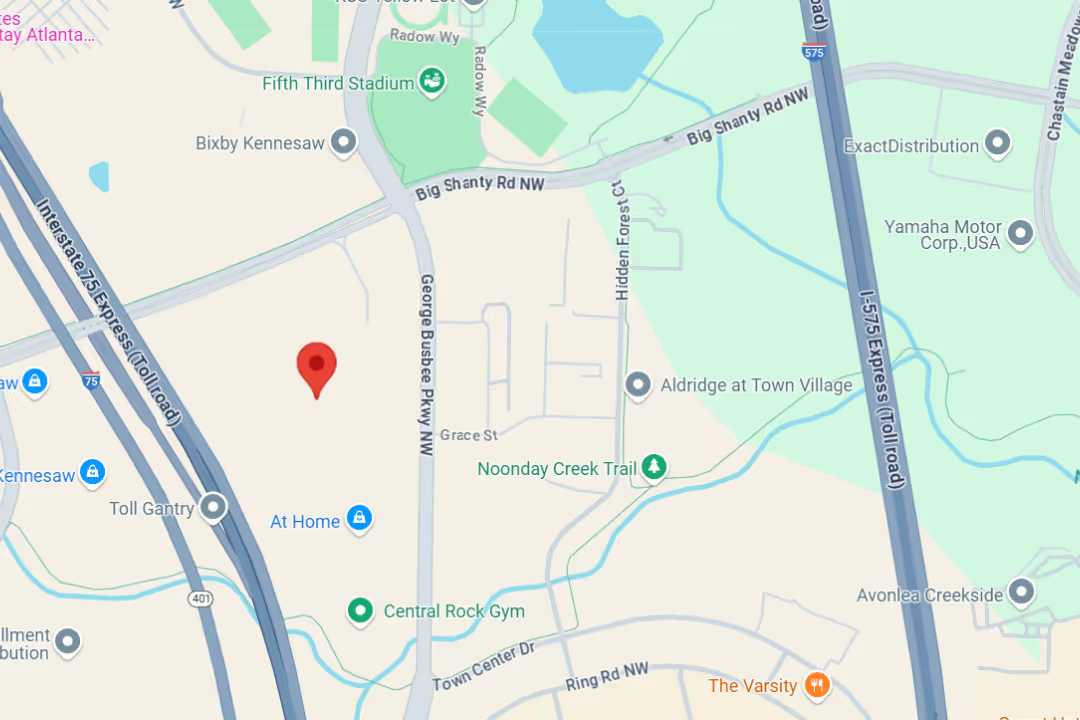
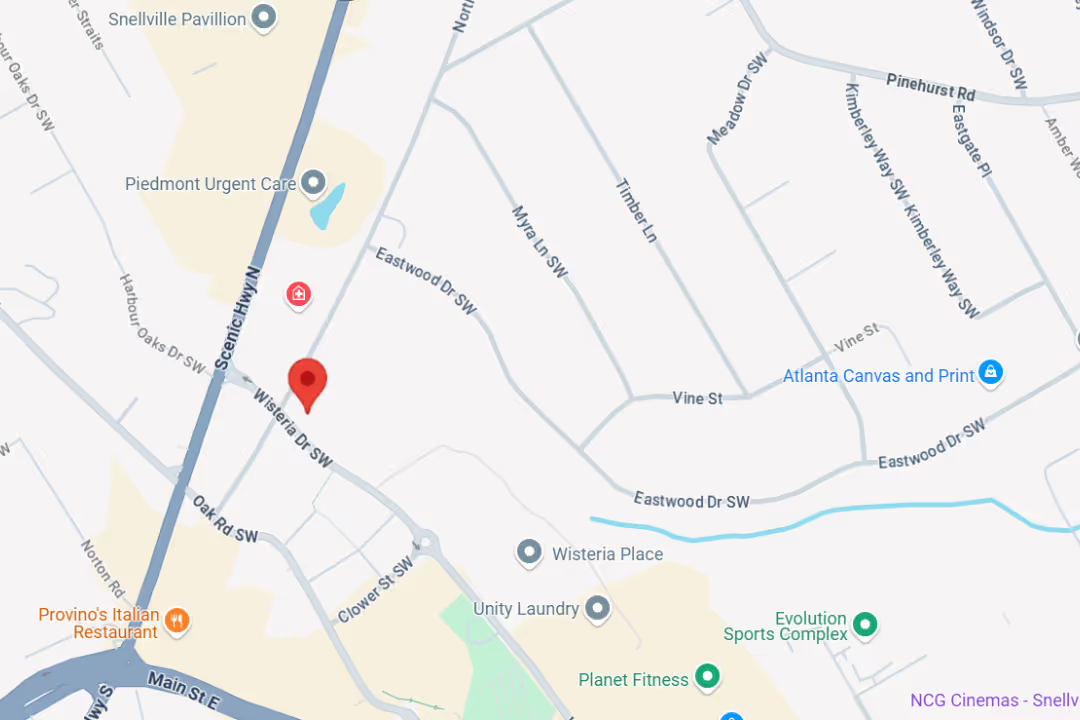
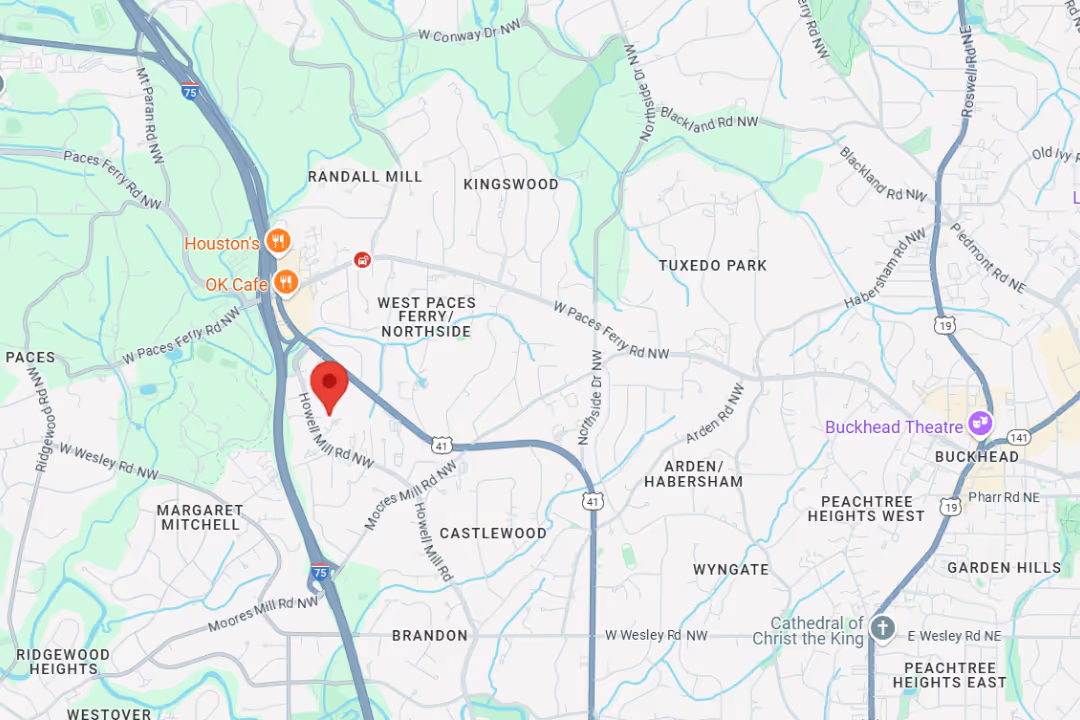
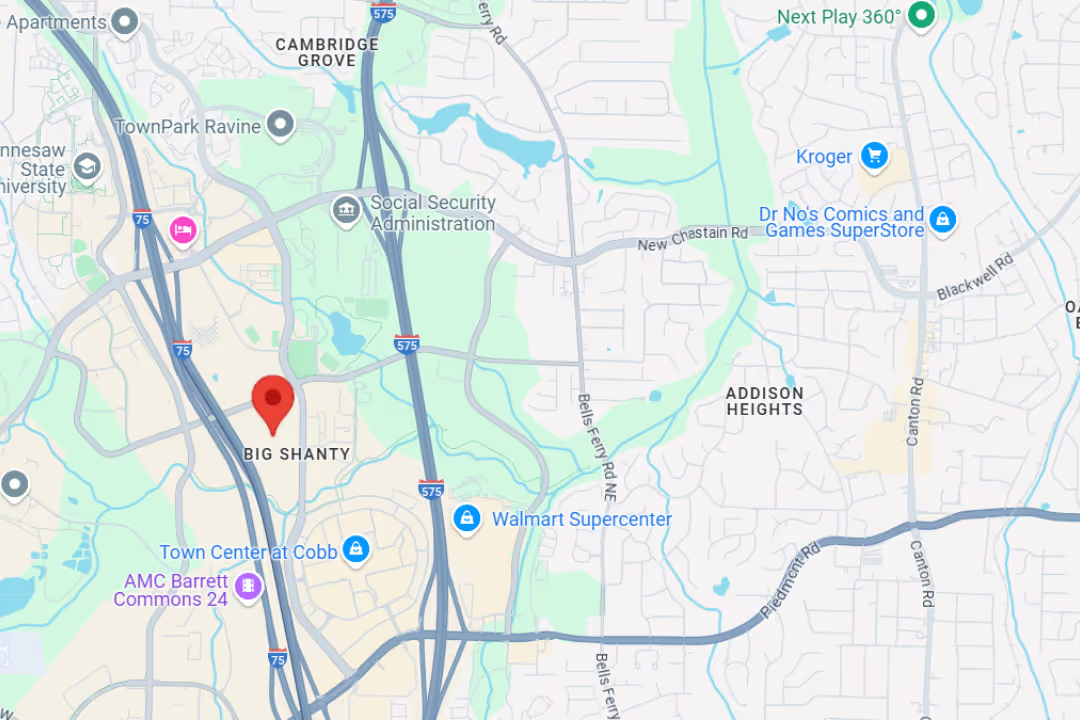
When patients visit our clinics across Metro Atlanta—whether in Snellville, Marietta, Kennesaw, or Buckhead—they often ask why their toes feel like they are "asleep" or humming with an unpleasant electric prickle. The medical term for this sensation is paresthesia.
To effectively address foot tingling, we first need to determine whether the problem originates from local mechanical compression, systemic metabolic disease, or structural vascular failure. A broad range of conditions can disrupt normal nerve function, making a comprehensive evaluation essential to understanding causes of numbness and tingling.
Metabolic imbalance remains one of the primary drivers of persistent paresthesia. Over half of all individuals diagnosed with diabetes eventually develop peripheral nerve dysfunction, with early damage usually concentrating in the longest nerve fibers of the lower extremities.
When blood sugar levels remain elevated over extended periods, delicate microvascular blood vessels supplying oxygen to small-fiber sensory nerves become impaired. Deprived of oxygen, these nerve fibers misfire, transmitting aberrant signals that patients describe as burning, crawling, or prickling sensations in both feet.
Beyond hyperglycemia, several metabolic and nutritional disruptions trigger peripheral nerve breakdown:
For those managing systemic blood sugar issues, exploring structured diabetic neuropathy management options early can help prevent irreversible structural nerve axon degradation. Additional details on peripheral nerve conditions can be found in detailed clinical research on causes of foot paresthesia.
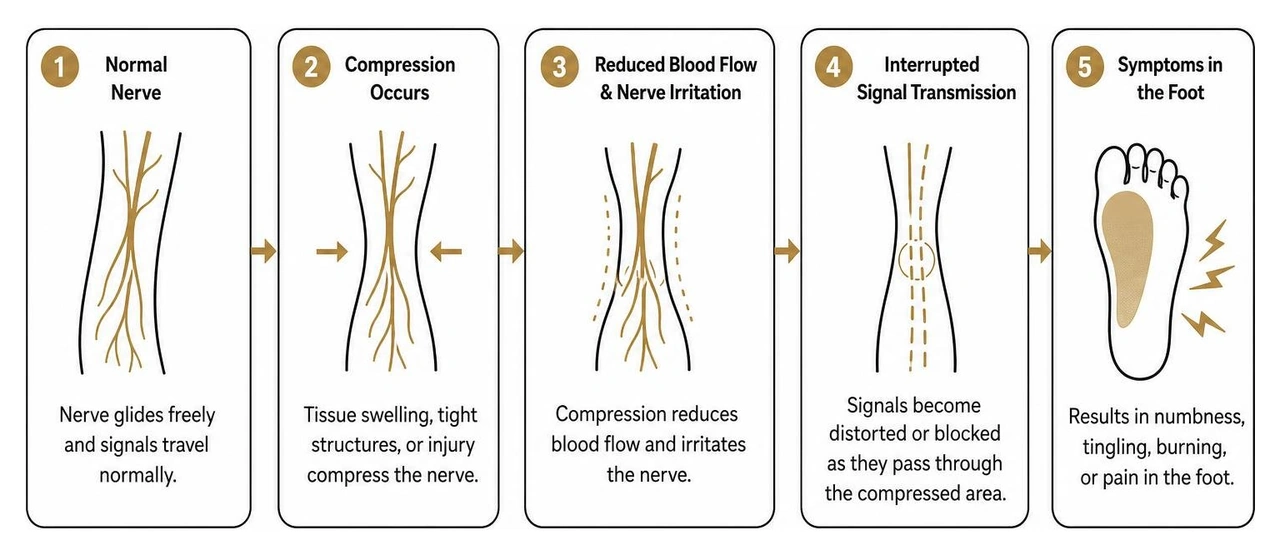
Nerves act like biological electrical wires. When squeezed or compressed along their anatomical path, signal transmission degrades, resulting in localized numbness, tingling, or weakness.
Your nerves require continuous, oxygen-rich blood flow to function properly. When arterial or capillary microcirculation degrades, nerves suffer cellular distress and misfire.
Peripheral Artery Disease (PAD), caused by plaque build-up in peripheral arteries, severely restricts nutrient delivery to the lower legs and feet. Circulatory paresthesia is frequently accompanied by cold skin, pale or bluish discoloration, hair loss on the lower limbs, and cramp-like muscle aches (claudication) during light walking.
Focusing on restoring optimal microcirculation and adopting natural ways to boost peripheral circulation can support nerve tissue healing and relieve exercise-induced leg discomfort.
While most instances of foot tingling stem from benign posture changes or manageable chronic conditions, sudden paresthesia can occasionally signal a critical medical emergency requiring urgent clinical intervention.
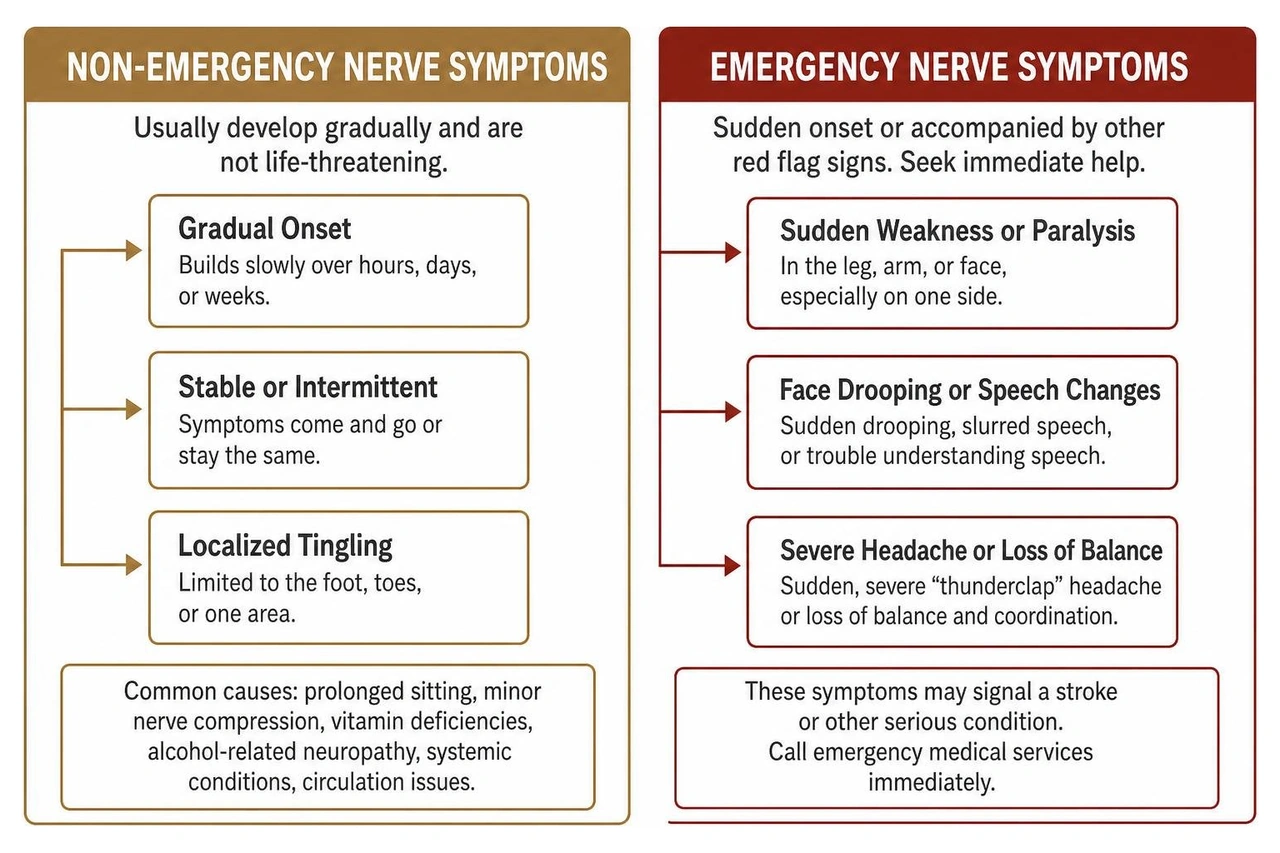
You should call emergency medical services immediately if lower extremity tingling onset is sudden and accompanied by any of the following symptoms:
Distinguishing between routine sensory changes and high-risk medical events is critical for patient safety:
| Feature | Mild / Temporary Paresthesia | Emergency Neurological Red Flag |
|---|---|---|
| Onset | Gradual or position-dependent | Sudden, unexpected, or rapidly evolving |
| Distribution | Confined to toes, feet, or localized nerve path | Spreads rapidly up legs or involves face and arm |
| Motor Impact | Mild stiffness; normal strength intact | Muscle drop, foot drag, or sudden inability to stand |
| Systemic Signs | Absent; vital signs remain normal | Slurred speech, severe confusion, or bowel/bladder loss |
| Relief Factors | Shifts with walking, stretching, or posture adjustment | Does not improve with position changes or physical movement |
At Medici Orthopaedics & Spine, accurate care begins with pinpointing the precise source of nerve irritation. Because foot paresthesia can stem from the lumbar spine, ankle entrapments, microvascular disease, or metabolic issues, we utilize a thorough diagnostic approach.
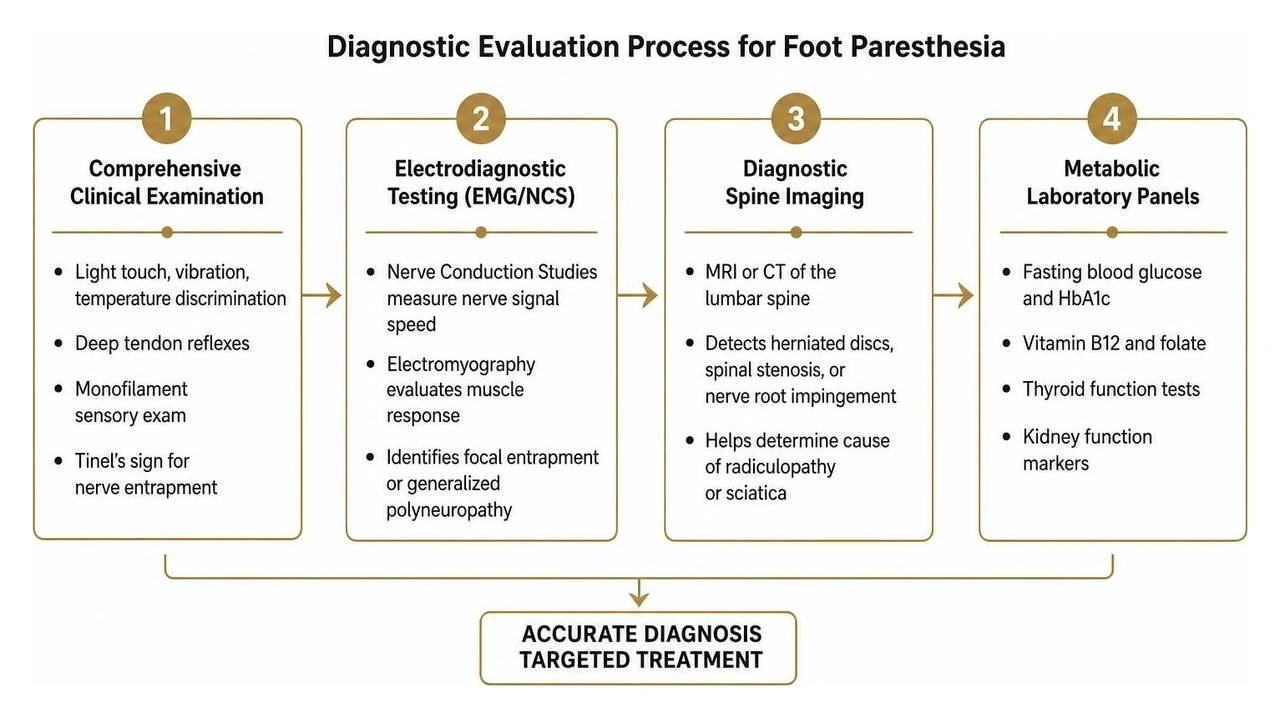
Patients seeking specialized, listening-oriented care across Atlanta, Snellville, Marietta, or Kennesaw can benefit from consulting a nerve pain specialist near Atlanta to build a clear diagnostic roadmap.
Effective management of foot tingling requires a personalized approach targeting the underlying cause rather than relying solely on temporary symptom masking. Our core philosophy emphasizes non-surgical, least-invasive, and non-opioid solutions to help restore long-term mobility and comfort.
For chronic neuropathic distress resistant to basic conservative care, advanced interventional options can help interrupt pain signals and support nerve recovery:
Alongside medical care, everyday habits play an important role in maintaining nerve health:
Discover practical strategies by reading about effective treatments for foot burning and tingling.
Many patients notice that foot paresthesia intensifies when settling into bed. During quiet evening hours, quiet surroundings reduce everyday sensory distractions, making nerve sensations like buzzing, burning, or tingling more noticeable.
Additionally, resting heart rate and blood pressure naturally drop, which can lower peripheral circulation to distant small-fiber nerves. Sleeping postures that compress the lower back or ankle can also aggravate existing nerve irritation.
High blood pressure (hypertension) does not usually directly cause localized nerve tingling, but it remains a primary risk factor for vascular disease and microvascular damage. Uncontrolled hypertension damages small blood vessels, restricting nutrient delivery to peripheral nerves over time.
Additionally, certain cardiovascular medications can occasionally produce mild paresthesia as a secondary effect, making a comprehensive medication review worthwhile.
Early peripheral nerve changes usually begin subtly in the tips of the longest toes before spreading across the foot. Common initial symptoms include:
Ongoing foot tingling is your body's way of signaling that a peripheral nerve, spinal root, or blood vessel requires attention. Ignoring persistent symptoms can allow underlying nerve damage to progress unnecessarily.
At Medici Orthopaedics & Spine, led by Dr. Sonny Dosanjh, M.D., our expert team is committed to helping you regain your quality of life through comprehensive, non-surgical pain management. With modern Ambulatory Surgery Centers in Marietta and Snellville, alongside advanced clinics in Kennesaw, Snellville, and Buckhead, we deliver localized, compassionate care tailored to your daily needs.
If recurring tingling, burning, or numbness in your feet is disrupting your routine, schedule a comprehensive evaluation for neuropathy and neuralgia with our team today to take the first step toward lasting comfort and mobility.
At Medici, you’re more than your MRI.
We take time to hear your story, understand your pain, and create a plan that actually works for you.

Our team delivers specialist care at convenient locations across Metro Atlanta:
Get expert tips on injury recovery, pain relief, joint health, and movement strategies—straight from our Fellowship-Trained team.