Surgery is a part of life for many people—whether it’s a joint replacement, a spine procedure, a ligament repair, or a minor outpatient operation. No matter how routine the procedure may be, one concern almost everyone shares is the same: “How bad will the pain be afterward?” Post-surgical pain is a normal part of healing, but it can still feel intimidating, especially if you’ve heard difficult stories from friends or family.
What often gets overlooked is that good pain control is not optional—it’s essential. When pain is managed well, patients move sooner, breathe more deeply, rest more comfortably, and participate in physical therapy more effectively. This leads to fewer complications, better emotional well-being, and a smoother overall recovery. Toughing it out doesn’t speed the healing process; in fact, it can slow everything down.
The encouraging news is that modern post-surgical pain management can be highly effective without relying heavily on opioids. By using a multimodal approach—combining different, minimally invasive strategies that work together—patients can stay more alert, more mobile, and more in control of their recovery.
At Medici Orthopaedics & Spine, our team focuses on advanced, non-addictive pain management options designed to make recovery safer, more comfortable, and more sustainable, so patients can heal with confidence rather than fear.
A large part of post-surgical pain is driven by inflammation. Reducing that inflammation safely can dramatically improve comfort.
Not all pain after surgery is the same. When nerve tissue is irritated or involved in the surgical area, patients may experience burning, tingling, sharp, or electrical sensations.
Neuropathic pain medications are designed to calm misfiring nerves and reduce hypersensitivity. They are especially helpful in:
After orthopedic or spine surgery, muscles around the surgical site may tighten or go into spasm as they adapt to new alignment or protect the area. This muscle tension can be a major contributor to pain.
Muscle relaxants and antispasmodics:
When used appropriately and for a limited duration, they can significantly enhance function.
Sometimes, treating pain right where it occurs is the most efficient approach.
Peripheral nerve blocks involve injecting numbing medication around a specific nerve or group of nerves that supply sensation to the surgical area.
They are commonly used for:
For certain lower-body surgeries—such as hip, knee, and some abdominal or pelvic procedures—epidural or spinal anesthesia may be used:
The result is better pain management with less grogginess and a smoother early recovery.
Surgeons can also inject numbing medication directly around the surgical site during the procedure.
This extended relief can significantly reduce the amount of oral medication a patient needs while the body begins its natural healing process.
In some cases, pain lingers beyond the expected healing window and begins to interfere with daily life. When this happens, interventional procedures can be used to:
Early, guided physical therapy is essential for:
A skilled therapist helps patients move just enough—and in the right ways—to promote healing without overloading the surgical site.
After surgery, muscles and connective tissues can become tight, guarded, or restricted by scar tissue.
Physical therapy may also incorporate supportive tools such as:
These modalities complement exercise and manual therapy, helping patients feel more comfortable as they progress.
Regenerative treatments aim to support the body’s own healing mechanisms:
They are particularly valuable when lingering inflammation or tendon/joint irritation complicates the healing process.
Hyperbaric Oxygen Therapy involves breathing concentrated oxygen in a pressurized chamber:
For some post-surgical patients, HBOT can ease pain, speed healing, and improve overall tissue health—especially when recovery feels slower than expected.
In a subset of patients, pain persists long after spine surgery or other major procedures, even after standard therapies have been tried. In these cases, spinal cord stimulation (SCS) can be an important option.
This approach is generally reserved for those with chronic post-surgical or post-laminectomy pain but can be life-changing when appropriate.
You don’t have to choose between living with uncontrolled pain or accepting all the risks of heavy opioid use. Modern, multimodal pain management combines non-opioid medications, regional anesthesia, physical therapy, interventional procedures, regenerative options, and supportive therapies to provide both comfort and safety. The result is clearer thinking, better mobility, and a smoother path back to your normal life.
At Medici Orthopaedics & Spine, we’re committed to helping you recover with confidence. Whether you’re preparing for surgery or still struggling with pain afterward, our team can design a personalized, opioid-sparing plan that fits your procedure, your body, and your goals. We listen, we explain your options in plain language, and we partner with you every step of the way so you’re never left to “tough it out” alone.
📍 Ambulatory Surgery Centers
• Marietta: 792 Church Street, Unit 101, Marietta, GA 30060 — (470) 795-8398
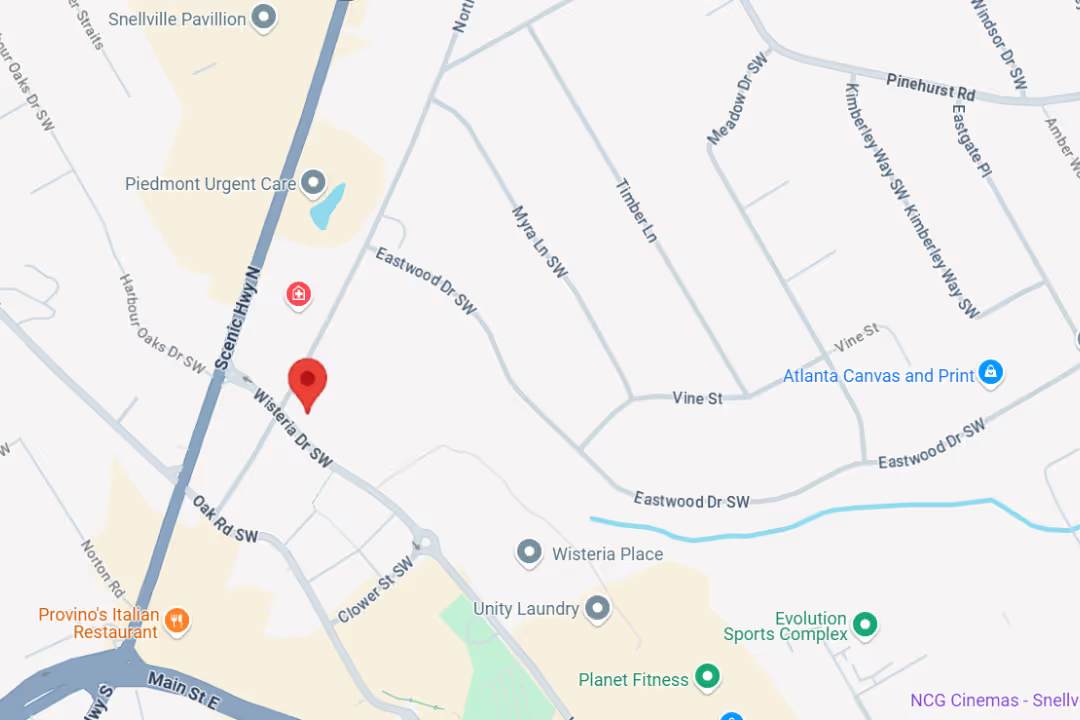
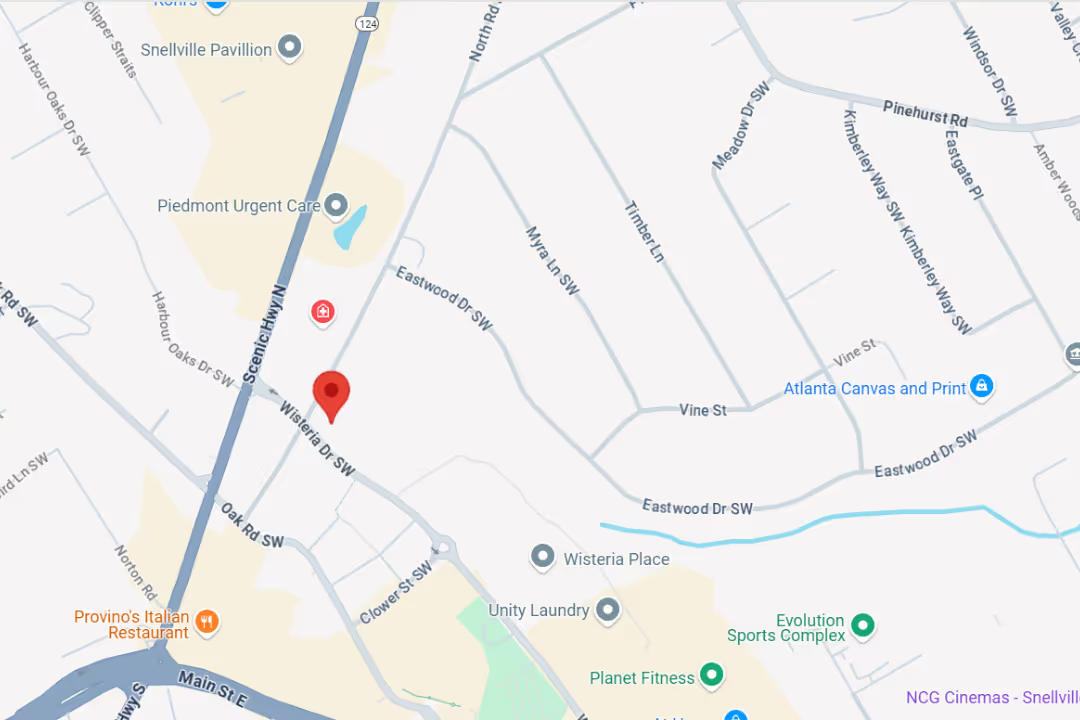
• Snellville: 2220 Wisteria Dr, Unit 100, Snellville, GA 30078 — (470) 795-8398
📍 Clinics
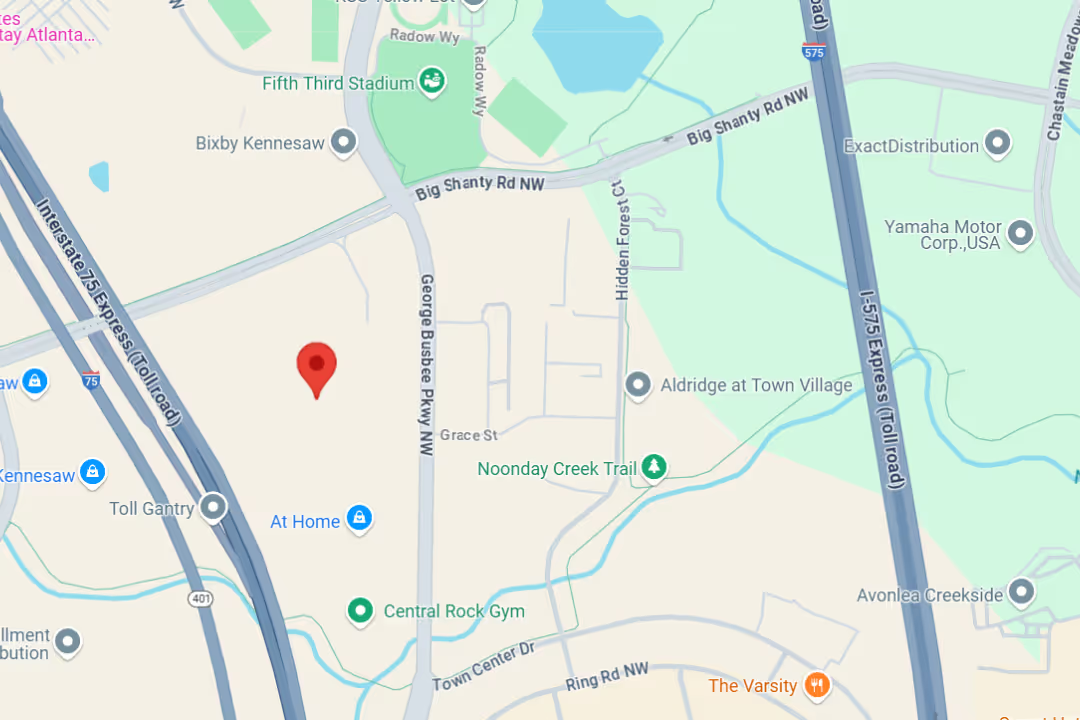
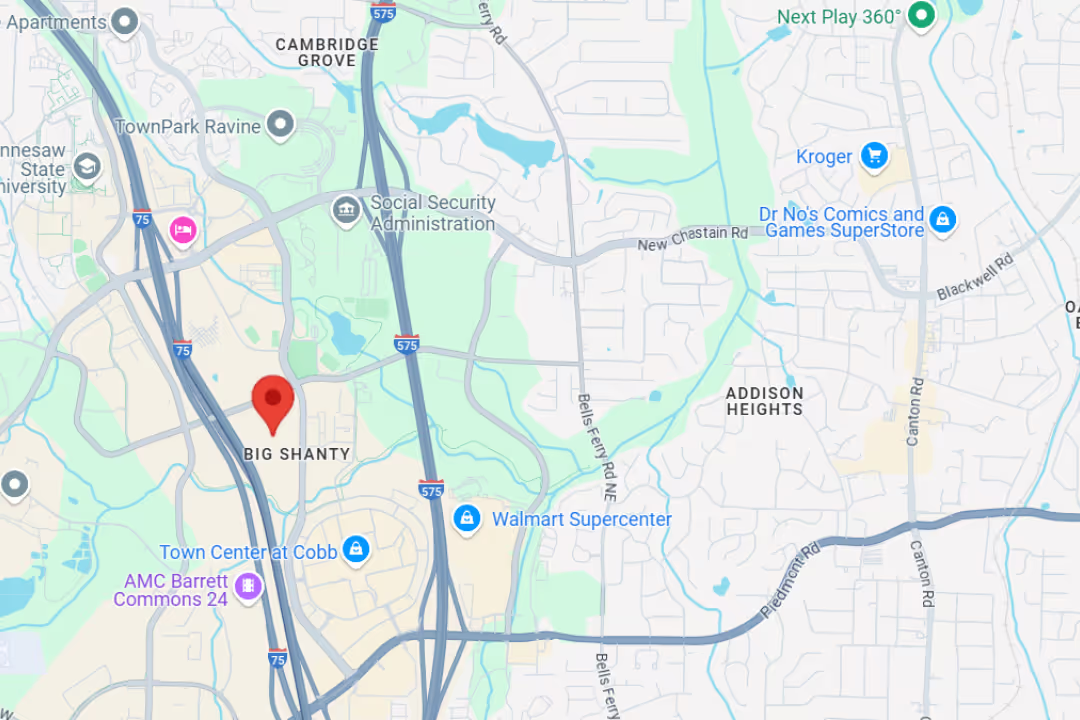
• Kennesaw: 2911 George Busbee Parkway, Suite 50, Kennesaw, GA 30144 — (770) 545-6404
• Snellville: 2220 Wisteria Drive, Unit 101, Snellville, GA 30078 — (470) 645-9297
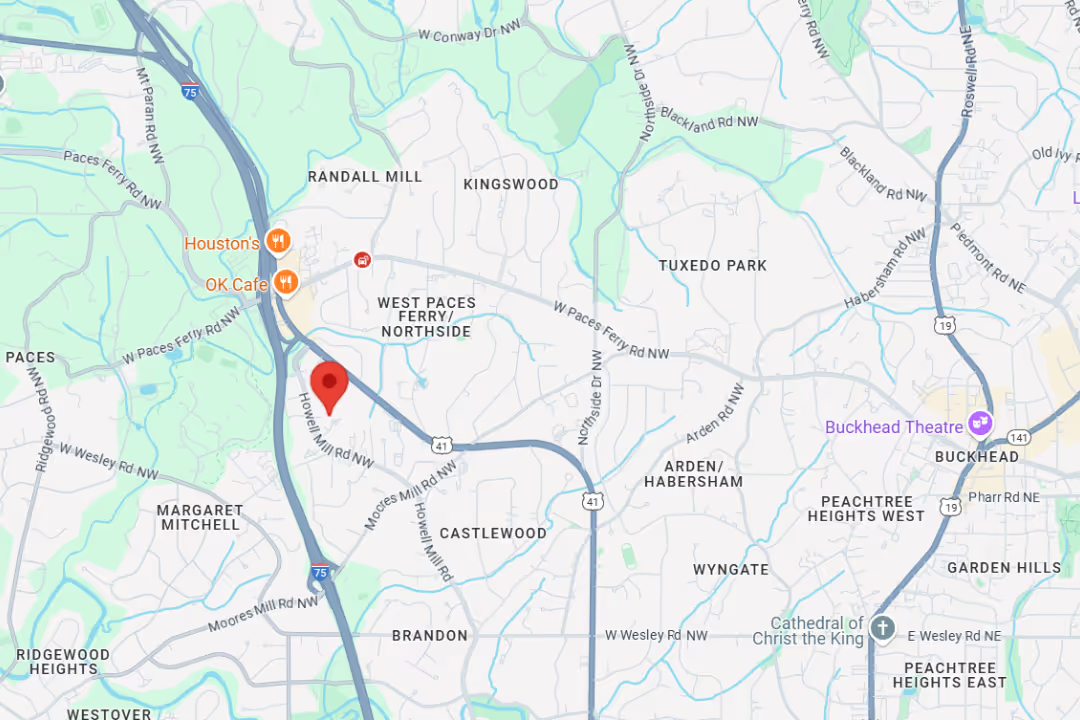
• Buckhead PM&R: 3200 Downwood Circle, NW, Suite 520, Atlanta, GA 30327 — (770) 872-7549
🌐 Website: https://www.mediciortho.com/
📞 Main Contact: +1-844-328-4624
At Medici, you’re more than your MRI.
We take time to hear your story, understand your pain, and create a plan that actually works for you.

Our team delivers specialist care at convenient locations across Metro Atlanta:
Get expert tips on injury recovery, pain relief, joint health, and movement strategies—straight from our Fellowship-Trained team.