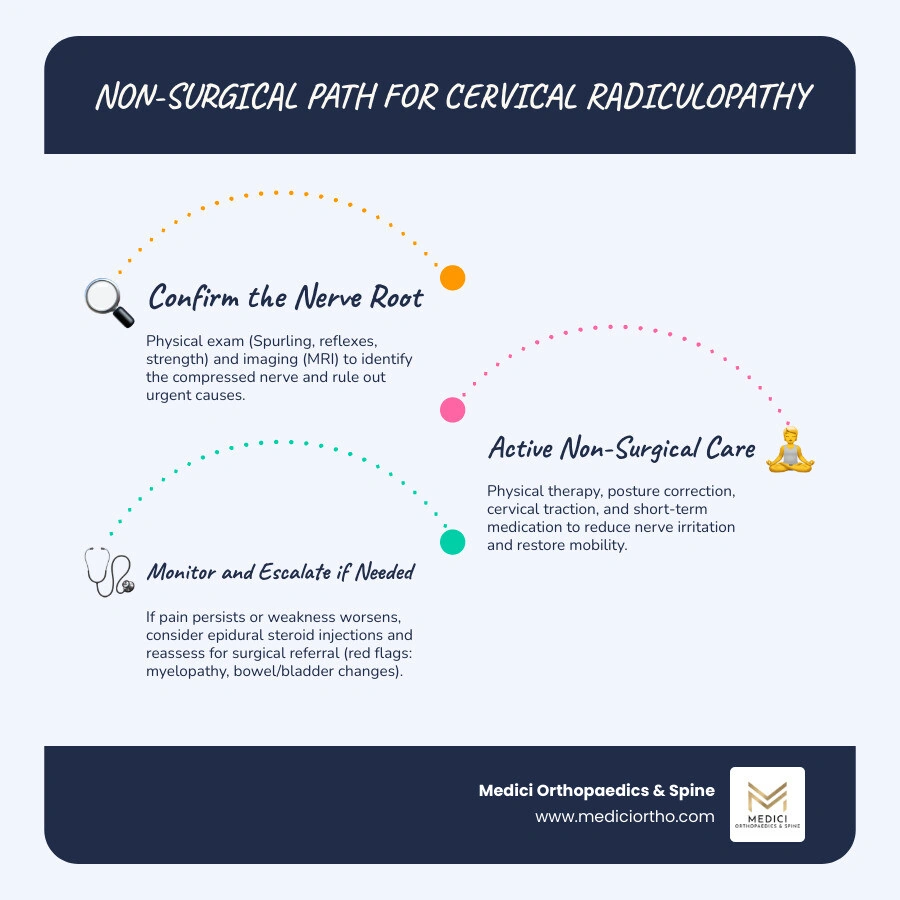
Most people with cervical radiculopathy can improve without surgery. Start with a proper exam to confirm the affected nerve, stay gently active, and use a personalized plan that may include physical therapy, posture changes, medication for short-term symptom control, and supervised cervical traction. If pain does not improve or function worsens, targeted injections and further testing may be appropriate.
Cervical radiculopathy, often called a pinched nerve in the neck, happens when a nerve root becomes irritated or compressed by a herniated disc, age-related joint changes, bone spurs, or narrowing around the nerve. It can cause burning pain, tingling, numbness, or weakness that travels from the neck into the shoulder, arm, or hand.
The outlook is often encouraging: roughly 88% of patients improve within four weeks of nonoperative care. Still, new or worsening weakness, trouble with balance or hand coordination, or bowel or bladder changes need prompt medical evaluation.
I am Sonny Dosanjh, M.D., a board-certified Physical Medicine and Rehabilitation physician and fellowship-trained pain specialist who helps patients explore evidence-based options for cervical radiculopathy without surgery. At Medici Orthopaedics & Spine, my focus is finding the true source of nerve pain and building the least invasive plan that can help restore movement, comfort, and confidence.
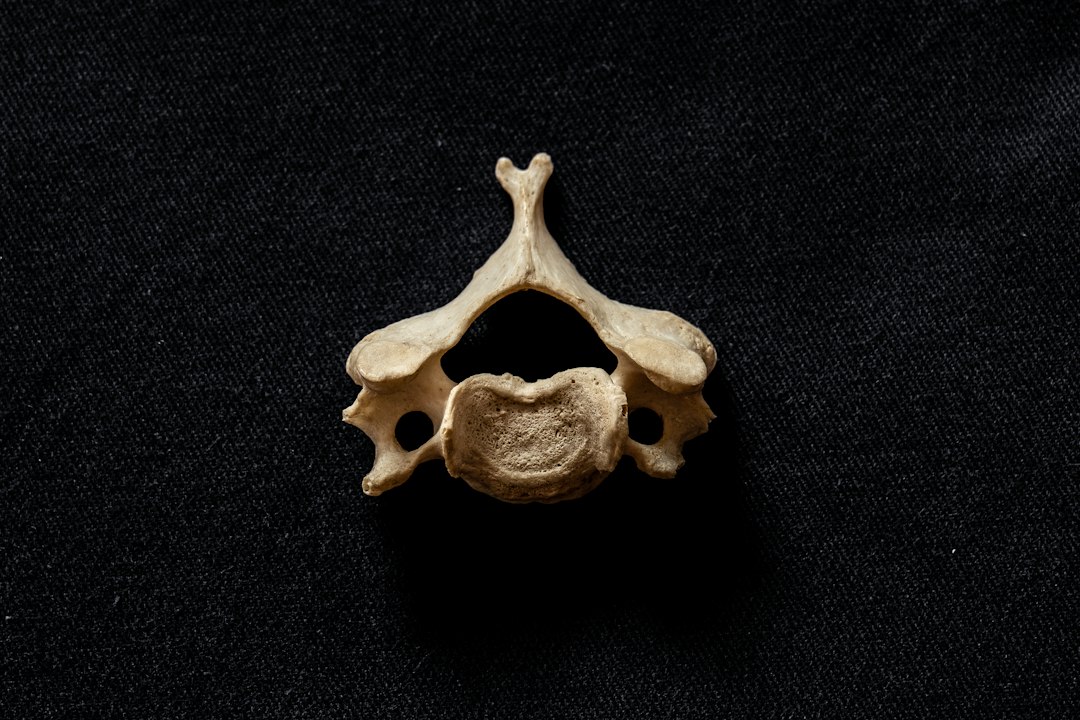
The cervical spine contains seven vertebrae (C1 to C7) that protect the spinal cord and support head movement. Branching out from the spinal cord through small bony openings called neural foramina are eight pairs of cervical spinal nerves (C1 to C8). When an exiting nerve root becomes compressed or chemically irritated by local inflammatory mediators, cervical radiculopathy develops.
The annual incidence of cervical radiculopathy is approximately 107 per 100,000 men and 64 per 100,000 women, peaking in adults aged 50 to 54. The most common anatomical causes include:
These structural changes produce distinctive patterns depending on which nerve level is compressed:
Understanding the cervical radiculopathy pinched nerve dynamic allows us to map your symptoms directly to the underlying spinal anatomy. Clinicians categorize these degenerative conditions using specific medical billing classifications such as cervical spondylosis with radiculopathy ICD-10. It is also vital to rule out peripheral entrapments, as differentiating cervical radiculopathy from peripheral nerve entrapments like carpal tunnel or cubital tunnel syndrome prevents unnecessary procedures.
Diagnosing cervical nerve irritation starts with a thorough physical examination rather than relying solely on scans. A skilled clinician performs specific provocative orthopedic maneuvers:
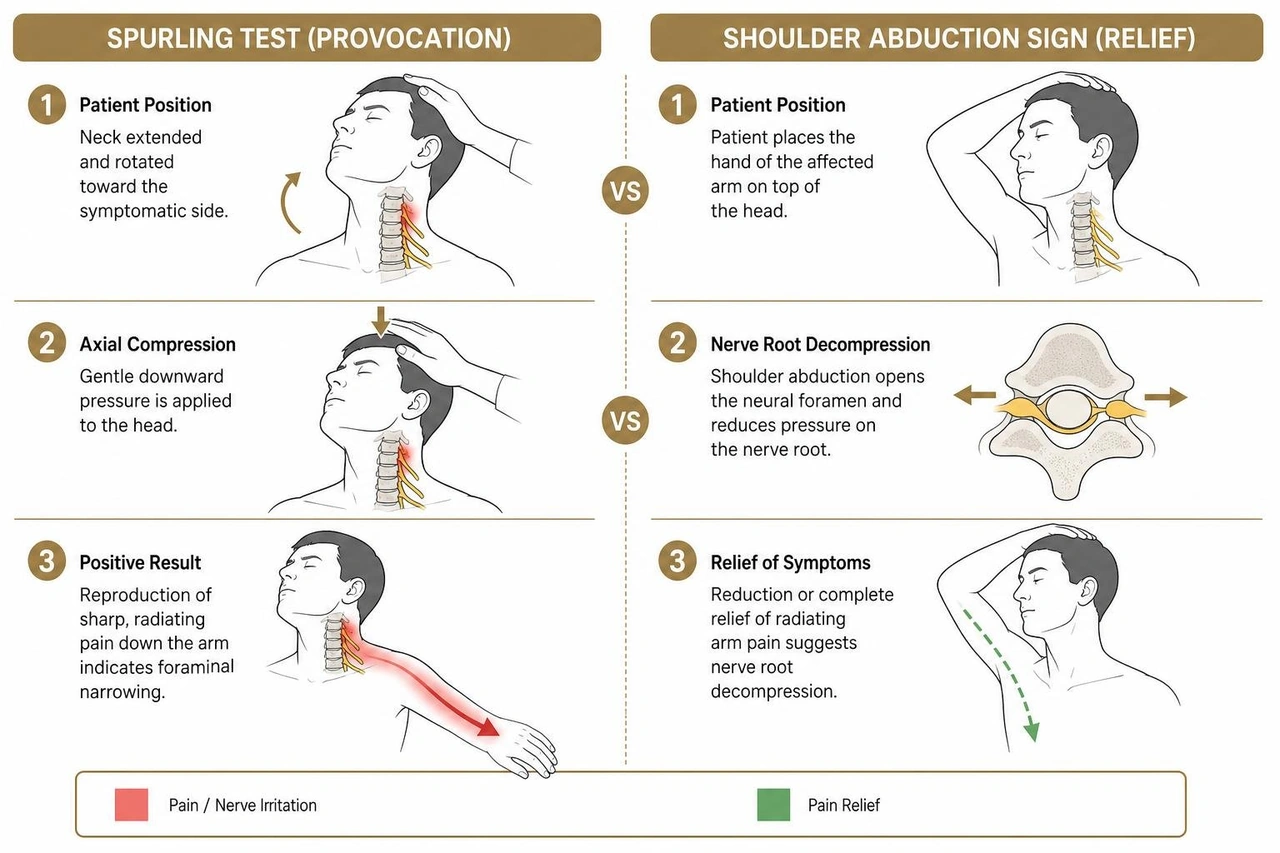
Clinicians also evaluate deep tendon reflexes, dermatomal sensation to light touch, and myotomal muscle strength. While advanced imaging can be helpful, evidence-based diagnosis of cervical radiculopathy guidelines caution against ordering immediate MRIs for uncomplicated acute neck pain. Studies show that up to 57% of completely asymptomatic adults over 64 have disc herniations on MRI, and 65% of asymptomatic people aged 50 to 59 exhibit degenerative radiographic changes.
Magnetic resonance imaging (MRI) or electromyography with nerve conduction studies (EMG/NCS) are reserved for cases with progressive motor deficits, suspected red flags, or symptoms that fail to improve after 4 to 6 weeks of dedicated conservative care, properly coded using a cervical radiculopathy ICD-10 guide.
Active movement and structured physical rehabilitation form the foundation of conservative care. When nerve roots are irritated, surrounding muscles frequently spasm as a protective response, creating secondary entrapments that worsen pain.

A comprehensive rehabilitation protocol progresses through distinct phases:
Integrating specialized physical therapy with ergonomic adjustments—such as desk worker posture correction—significantly reduces biomechanical strain on exiting nerves. Consistent active movement shows how physical therapy can prevent the need for spine surgery, reflecting established national clinical guidelines for non-surgical cervical radiculopathy care that prioritize early active rehabilitation over passive rest.
Cervical traction creates gentle longitudinal distraction between vertebrae, widening the neural foramina and lowering intradiscal pressure. This mechanical decompression relieves physical pressure on the nerve root while improving regional blood flow to encourage the clearance of inflammatory fluid.
Patients exploring non-surgical spine treatment in Georgia often combine mechanical decompression with modalities like moist heat, gentle myofascial release, and targeted movements to understand how to relieve chronic neck pain naturally.
Medications help manage acute inflammatory pain so patients can participate comfortably in physical therapy. A sensible, short-term medication plan may include:
Focusing on functional recovery allows many patients to succeed in treating cervical radiculopathy without injections or surgery, reserving medications for short-term symptom stabilization rather than open-ended use.
When oral medications and physical therapy are not enough to relieve severe radiating pain, image-guided interventional procedures provide direct anti-inflammatory relief to the affected nerve.
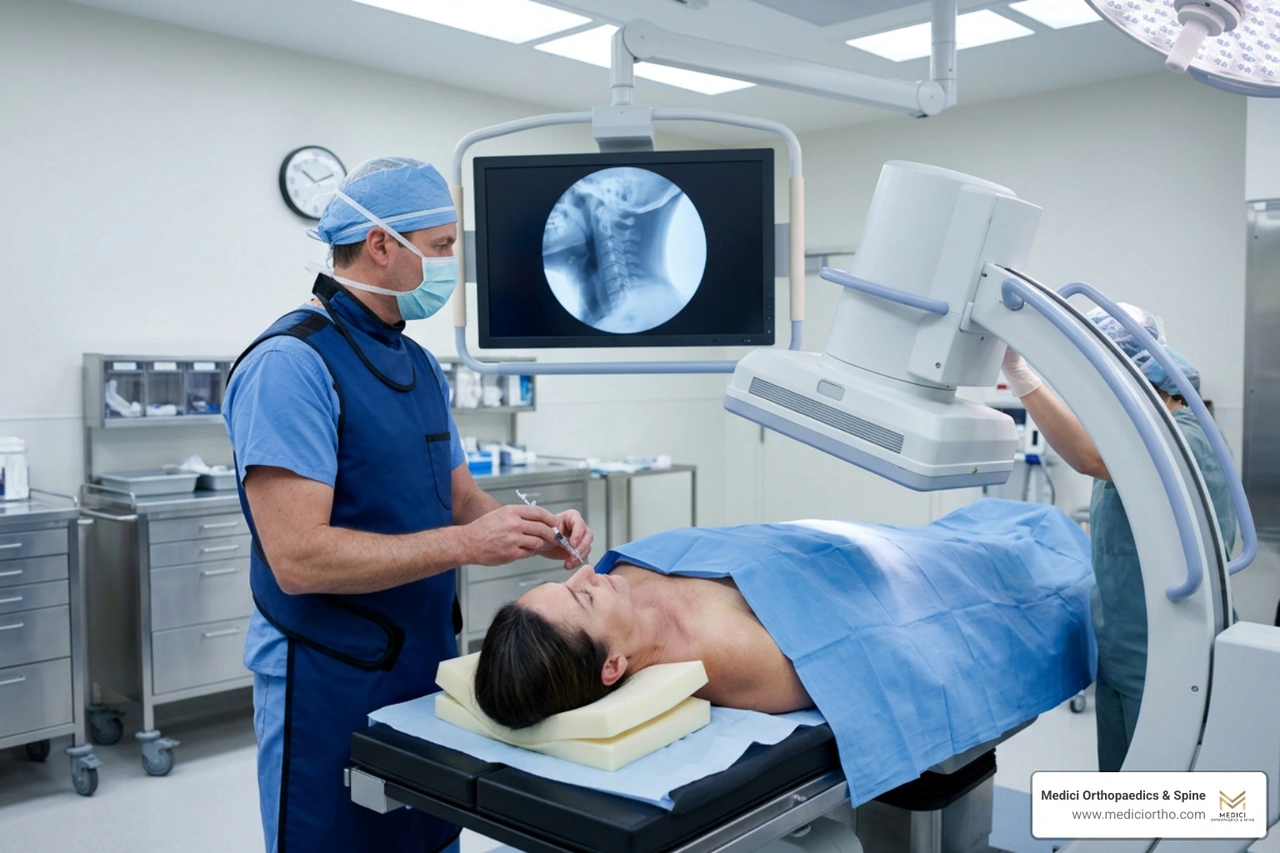
Under precise C-arm fluoroscopic (X-ray) visualization and contrast confirmation, interventional spine specialists perform:
These targeted interventional spine treatments wash away inflammatory cytokines like TNF-alpha and interleukin-6, reducing intraneural swelling and restoring local microvascular perfusion. Published evidence on the interventional management of cervical motor radiculopathy shows that even patients with significant arm weakness can regain functional strength following a structured series of image-guided injections paired with rehabilitation.
Regenerative medicine offers an evolving, minimally invasive path for patients seeking natural tissue healing without surgical hardware:
Combined with prolotherapy, specialized medical massage, and myofascial release, biologic therapies help stabilize the cervical spine as detailed in our interventional spine care complete guide.
The natural course of cervical nerve compression is very favorable under structured conservative care:
Detailed tracking of individual healing timelines is outlined in our review on cervical radiculopathy recovery time and the updated interventional spine pain guide 2026.
While non-surgical care is successful for the vast majority of patients, certain signs indicate that non-operative treatment is no longer safe or sufficient.
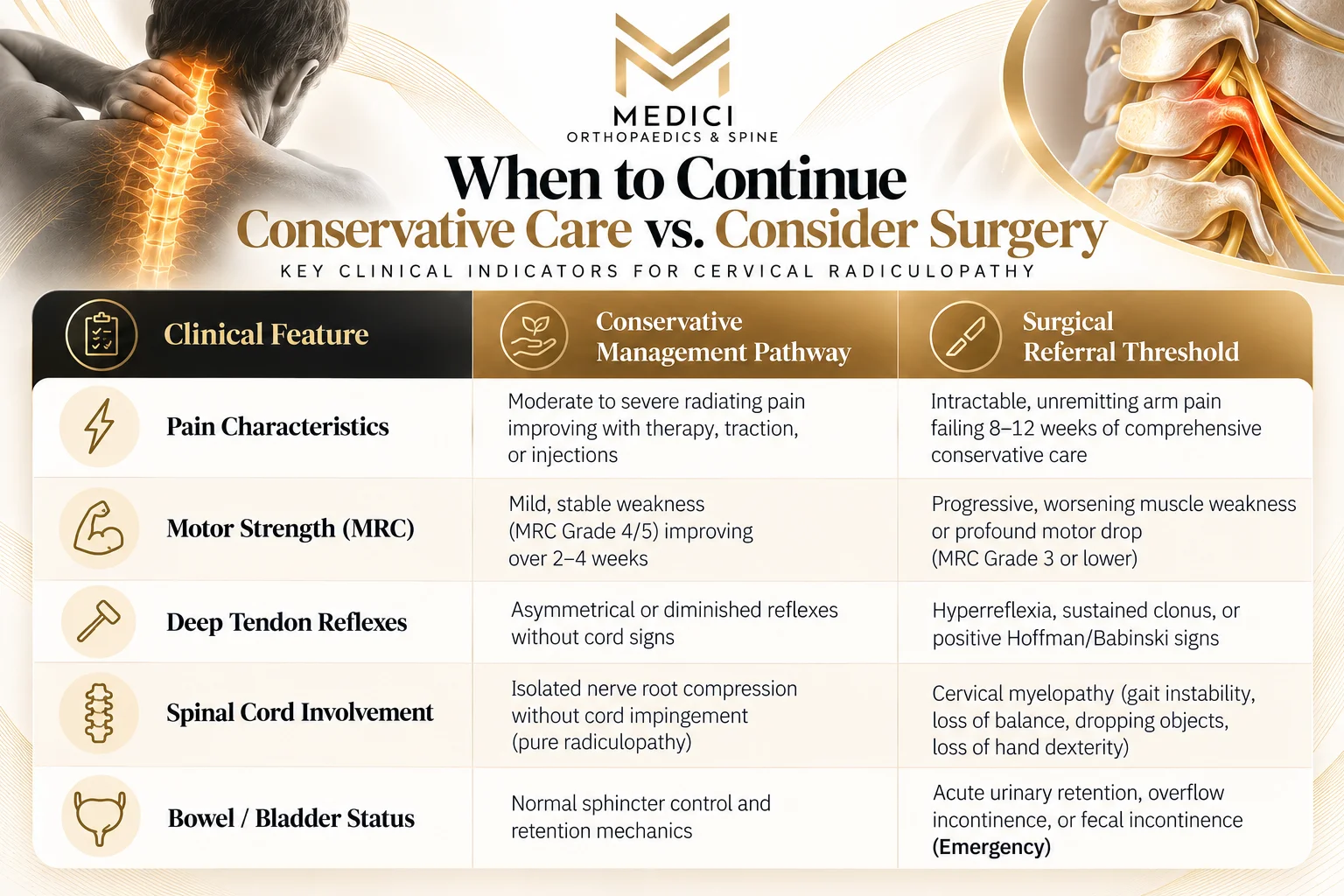
Recognizing these red flags helps determine when to see a spine care specialist for an immediate surgical evaluation to protect spinal cord and nerve integrity.
Long-term spinal health relies on proactive daily habits that protect your neck from recurring mechanical overload:
Addressing everyday postural stress answers whether can poor posture cause chronic neck pain, confirming that consistent ergonomic awareness helps keep nerve symptoms from returning.
Yes. Up to 90% of individuals diagnosed with cervical radiculopathy achieve sustained, long-term recovery through non-surgical management alone. Over time, herniated disc material naturally dehydrates and shrinks through macrophage-mediated resorption, while surrounding chemical inflammation subsides, taking pressure off the nerve root.
Unless progressive neurological deficits or spinal cord compression (myelopathy) are present, clinical practice guidelines recommend maintaining a comprehensive non-surgical treatment plan for 8 to 12 weeks. Exploring realistic non-surgical pain relief options during this window gives disc herniations time to resorb naturally while calming nerve inflammation.
Epidural steroid injections deliver a concentrated anti-inflammatory medication directly around the irritated nerve root under image guidance. By interrupting inflammatory cascades and reducing intraneural swelling, these injections relieve pain and create a comfortable window for patients to participate fully in physical therapy.
A pinched nerve in the neck can cause intense pain, but it rarely requires an operating room. The natural course of cervical radiculopathy is overwhelmingly positive, with the vast majority of patients finding lasting relief through a thoughtful combination of targeted physical therapy, non-surgical spinal decompression, postural adjustments, and precision image-guided interventional care.
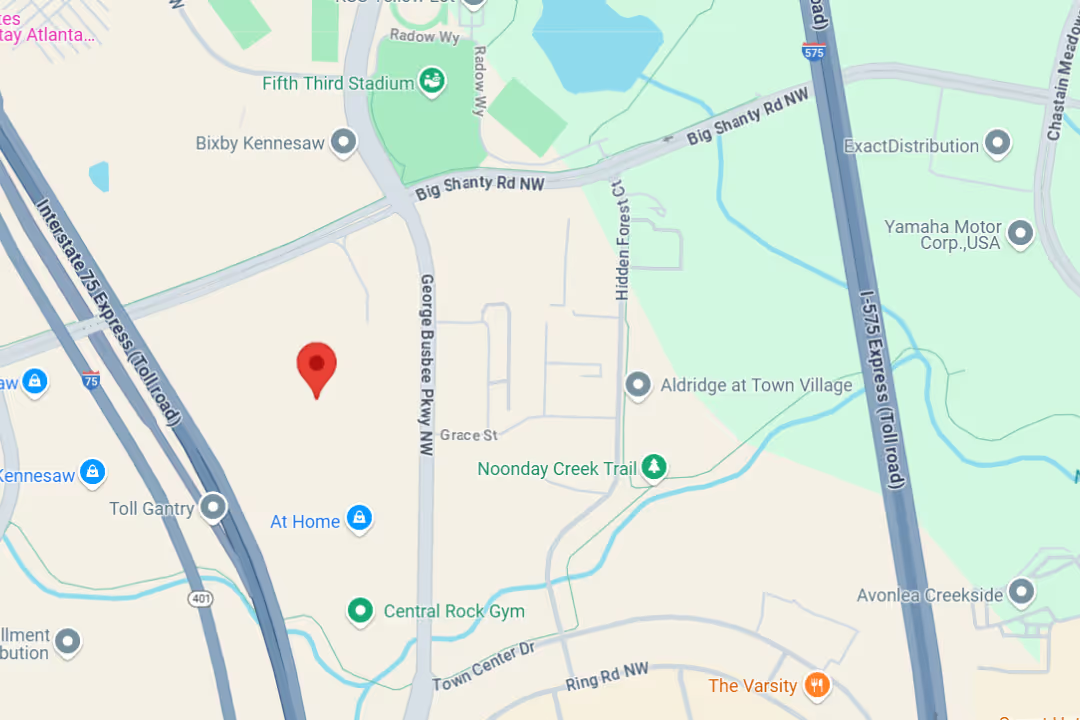
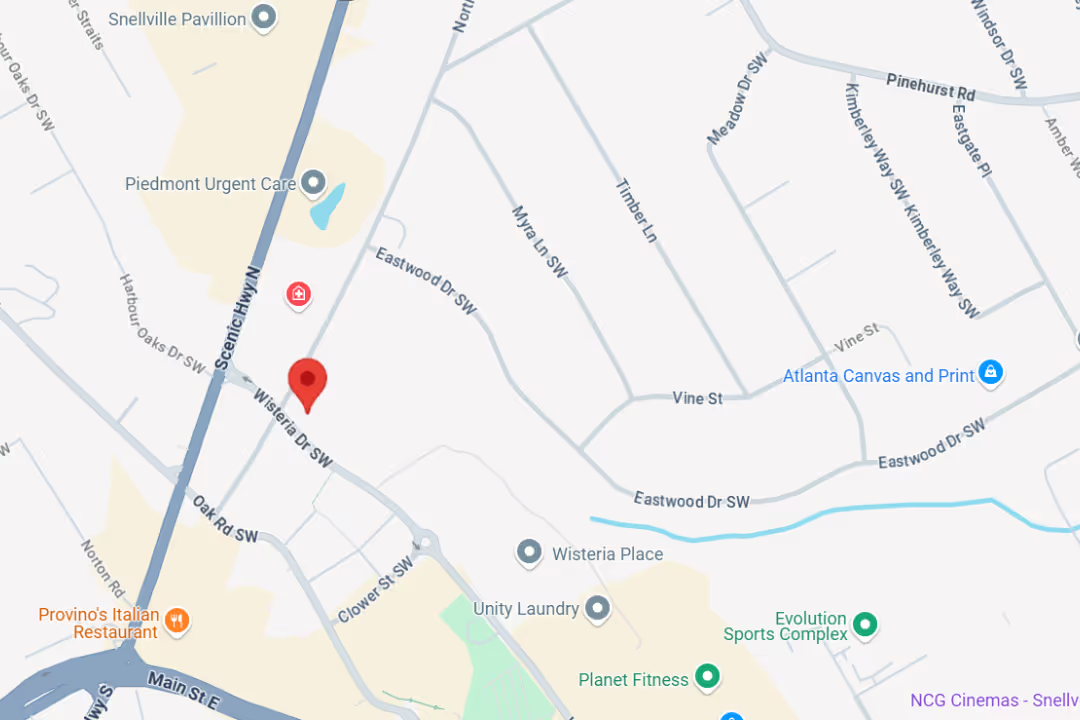
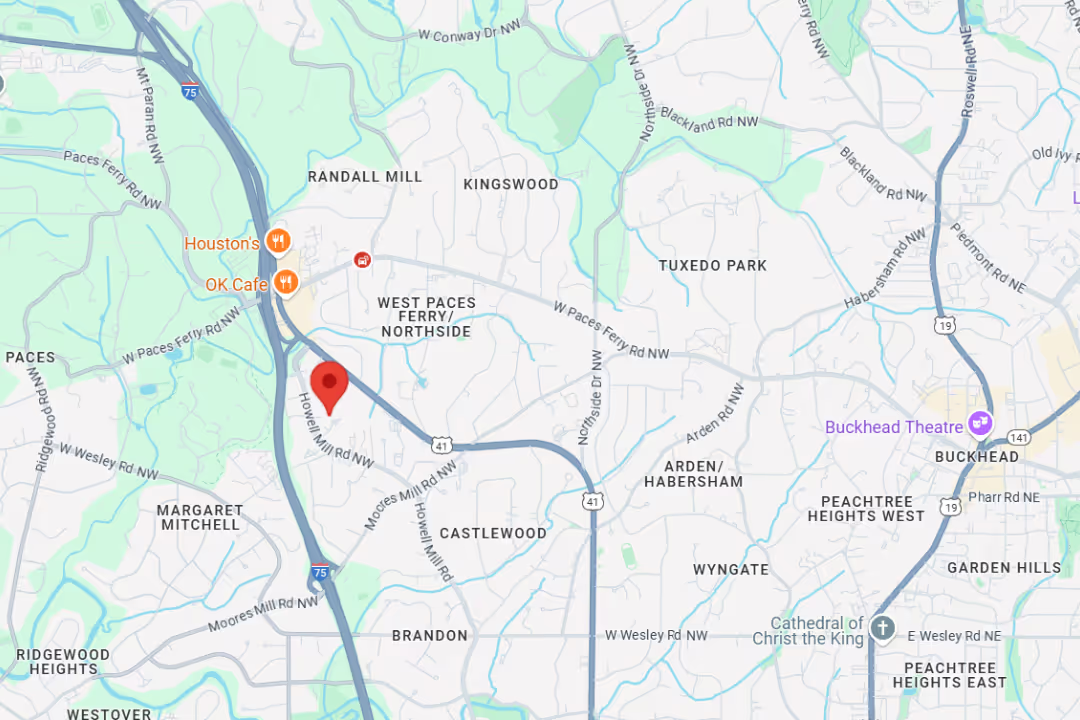
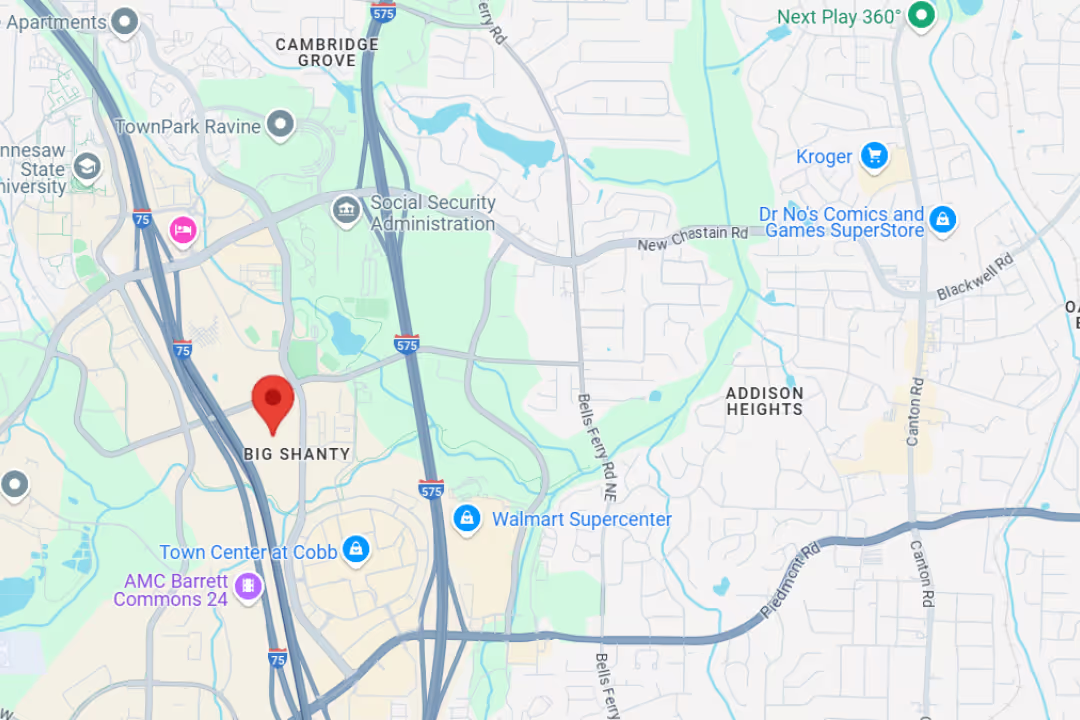
At Medici Orthopaedics & Spine, we design personalized, multimodal treatment plans that help you recover safely without unnecessary surgery or reliance on long-term medications. Our clinic locations across Metro Atlanta—including Snellville, Kennesaw, Buckhead, and Marietta—provide comprehensive, non-surgical spine care to help restore your mobility and comfort.
To learn more about your options for lasting relief, explore our step-by-step guide on how to treat cervical radiculopathy without surgery or reach out to schedule an evaluation with our team today.
At Medici, you’re more than your MRI.
We take time to hear your story, understand your pain, and create a plan that actually works for you.

Our team delivers specialist care at convenient locations across Metro Atlanta:
Get expert tips on injury recovery, pain relief, joint health, and movement strategies—straight from our Fellowship-Trained team.