

A bone infection that will not fully resolve changes how a person thinks about healing. Many patients arrive at this point after months, sometimes years, of antibiotics, surgeries, and hope that the next round of treatment will finally be the one that works. When infection keeps returning despite everything a care team has tried, it earns a specific name: chronic refractory osteomyelitis.
This is not a condition most people expect to face. It often follows an injury, a joint replacement, or a diabetic wound that seemed manageable at first. Over time, the infection settles into the bone itself, where it becomes far harder to reach and treat.
At Medici Orthopaedics & Spine, we work alongside the physicians and surgeons already treating this infection. Our hyperbaric oxygen program is designed to support the body's ability to heal once standard treatment has been established, giving tissue the oxygen it needs to fight infection and repair itself.
What Is Chronic Refractory Osteomyelitis
Osteomyelitis is an infection that has taken hold inside bone tissue. Most cases respond to antibiotics and, when necessary, surgical debridement. A refractory case is different. It persists or returns even after appropriate treatment, often because the infection has damaged blood supply to the area or because bacteria have formed a biofilm that resists standard antibiotic doses.
How It Differs From Acute Osteomyelitis
Acute osteomyelitis typically develops quickly, often following an injury, surgery, or bloodstream infection. It usually responds well to a defined course of antibiotics and, if needed, surgical cleaning of the infected area. Chronic refractory osteomyelitis develops when that initial treatment does not fully eliminate the infection.
The distinction matters because it changes the treatment timeline entirely. Instead of weeks of antibiotics, patients may face months of combined therapy. The bone itself often shows structural changes on imaging that were not present in the acute phase.
Why Some Infections Resist Standard Treatment
Several factors make certain bone infections difficult to clear. Bacteria can form protective biofilms on bone or surgical hardware, shielding themselves from antibiotics that would otherwise work well. Reduced blood flow to the infected area limits how much medication actually reaches the bacteria, regardless of the dose prescribed.
- Poor local blood supply, often from prior trauma or vascular disease
- Bacterial biofilms that resist standard antibiotic penetration
- Retained hardware from previous orthopedic surgery
- Dead or devitalized bone tissue that shelters infection
- Underlying conditions like diabetes that slow healing
Common Causes and Risk Factors
Diabetes and Vascular Disease
Diabetes affects both blood flow and the body's ability to fight infection. Many patients with diabetic foot ulcers eventually develop osteomyelitis when infection spreads from soft tissue into underlying bone. Peripheral vascular disease compounds the problem by further reducing circulation to the extremities.
Poor circulation means fewer immune cells and less oxygen reach the infected bone. This is one of the primary reasons diabetic-related bone infections are more likely to become chronic and refractory.
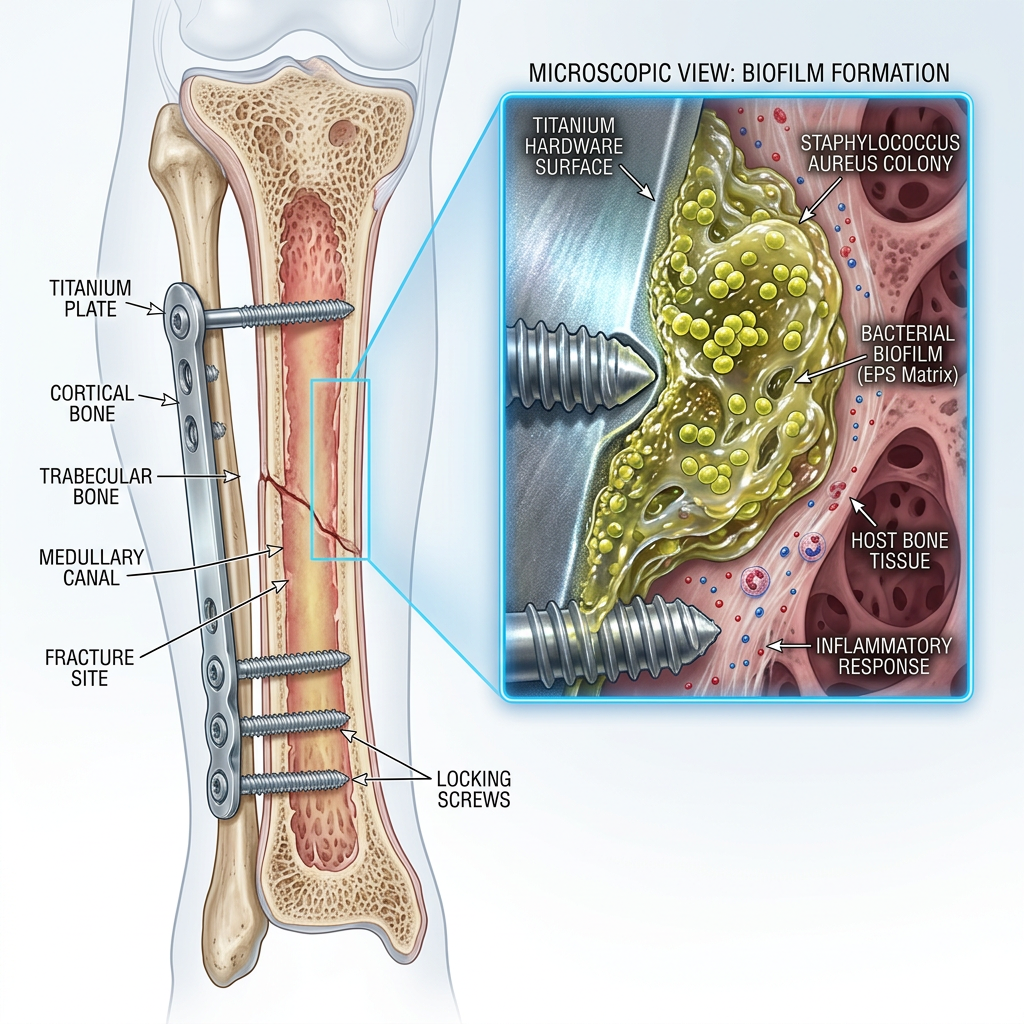
Prior Surgery, Trauma, or Hardware
Orthopedic hardware, including plates, screws, and joint replacement components, can harbor bacteria in ways that are difficult to eliminate. Bacteria attach to these surfaces and form biofilms that standard antibiotics struggle to penetrate. Open fractures and significant trauma also increase risk, particularly when bone and surrounding tissue sustain extensive damage.
- Joint replacement surgery, especially when infection develops post-operatively
- Open fractures with significant soft tissue damage
- Previous orthopedic hardware that remains in place
- Multiple prior surgeries at the same site
Compromised Immune Function
A weakened immune system struggles to clear infection even with appropriate medical treatment. Conditions like autoimmune disorders, certain cancers, and immunosuppressive medications all play a role. Age and nutritional status matter too, since older adults and malnourished patients often have less robust healing capacity.
Recognizing the Signs
Persistent or Recurring Symptoms
The hallmark of this condition is a cycle of apparent improvement followed by return of symptoms. Patients often notice localized pain that worsens over time rather than resolving. Drainage from a wound or surgical site, sometimes with a distinct odor, can appear and disappear over weeks or months.
- Bone pain that persists despite completed antibiotic courses
- Recurring swelling or warmth at the infection site
- Wound drainage that comes and goes
- Low-grade fevers without an obvious cause
- Fatigue that does not improve with rest
When Symptoms Signal a Refractory Case
Not every setback means an infection has become refractory. A single flare after finishing antibiotics may simply need a longer treatment course. The pattern that raises concern is repeated relapse across multiple treatment attempts, particularly when imaging shows ongoing bone changes.
Patients should discuss any recurring symptoms with their treating physician promptly. Early recognition of a refractory pattern allows the care team to consider additional options, including adjunctive therapies, sooner rather than later.
Why Standard Treatment Sometimes Falls Short
Antibiotics remain the foundation of osteomyelitis treatment, and surgery plays an essential role when infected or dead tissue needs removal. Even so, these approaches have limits when the infection has already caused significant tissue damage. Understanding why helps explain the role adjunctive therapies can play.
Antibiotic Penetration Challenges
Bone tissue has less blood flow than muscle or skin, which makes it inherently harder for antibiotics to reach effective concentrations. When infection damages that blood supply further, the problem compounds. Biofilms add another layer of resistance, since bacteria protected within them can survive antibiotic exposure that would kill free-floating organisms.
This is why some patients complete multiple rounds of antibiotics without lasting improvement. The medication may be appropriate, but it simply cannot reach the infection in sufficient concentration.
The Role of Poor Tissue Oxygenation
Oxygen plays a critical, often underappreciated role in fighting infection. White blood cells rely on oxygen to produce the compounds they use to kill bacteria. Low-oxygen tissue also heals more slowly, since new blood vessel growth and collagen production both depend on adequate oxygen levels.
- Reduced oxygen limits white blood cell effectiveness against bacteria
- Low oxygen slows the formation of new blood vessels needed for healing
- Poorly oxygenated tissue is more likely to become chronically infected
- Standard antibiotics work less efficiently in low-oxygen environments
How Hyperbaric Oxygen Therapy Supports Recovery
Hyperbaric oxygen therapy, or HBOT, involves breathing concentrated oxygen inside a pressurized chamber. This increases the amount of oxygen dissolved in blood plasma, allowing it to reach tissue that would otherwise remain oxygen-starved. For patients with chronic refractory osteomyelitis, this can make a meaningful difference in how the body responds to ongoing treatment.
The Science Behind Oxygen and Healing
Increased oxygen levels support several processes that are essential for clearing bone infection. Oxygen-rich environments enhance the ability of white blood cells to destroy bacteria, an effect that becomes especially important when infection has resisted other measures. HBOT also stimulates new blood vessel growth, gradually restoring circulation to tissue damaged by infection or prior surgery.
Research has shown that hyperbaric oxygen therapy may help control certain bacterial infections that thrive in low-oxygen environments. Many patients with refractory bone infections have compromised local blood supply, which HBOT is specifically designed to address.
How HBOT Fits Alongside Antibiotics and Surgery
Hyperbaric oxygen therapy works best as part of a coordinated treatment plan, not as a standalone solution. Patients continue any antibiotics and surgical care their treating physician has prescribed. HBOT sessions are scheduled to complement that care, supporting the body's response rather than replacing established medical treatment.
- HBOT does not replace antibiotics or necessary surgical debridement
- Sessions are typically scheduled multiple times per week over several weeks
- Treatment plans are coordinated with the patient's existing physician
- Progress is monitored alongside other clinical markers of healing
What to Expect During Treatment at Medici
Starting hyperbaric oxygen therapy at Medici begins with a clear evaluation process. Our goal is to understand where a patient stands in their treatment journey and how HBOT can support the plan already in place with their treating physician.
The Evaluation Process
Before beginning treatment, our team reviews the patient's medical history, imaging, and current treatment plan. This includes understanding which physician is managing the underlying infection and what treatments have already been attempted. We want a complete picture before recommending how hyperbaric oxygen therapy fits into the overall approach.
- Review of medical records and relevant imaging
- Discussion of current antibiotic or surgical treatment
- Assessment of any contraindications to hyperbaric therapy
- Coordination with the patient's treating physician before starting sessions
What a Hyperbaric Session Involves
During a typical session, patients rest comfortably inside a pressurized chamber while breathing concentrated oxygen. Sessions generally last around 90 minutes, and most patients find the experience relaxing. There is no discomfort involved beyond a sensation similar to ear pressure changes during air travel, which our team helps patients manage.
A full course of treatment often involves multiple sessions per week over several weeks, depending on the severity and duration of the infection. Many patients read, rest, or listen to music during their time in the chamber.
Coordinating With Your Treating Physician
We view ourselves as one part of a larger care team. Throughout treatment, we stay in communication with the physician managing the underlying bone infection. This ensures that hyperbaric therapy supports the broader treatment plan rather than operating separately from it.
Who Is a Candidate for This Program
Hyperbaric oxygen therapy is not the right fit for every patient with a bone infection, and it is not intended to be a first step in diagnosis or treatment. It works best for patients who are already under the care of a physician managing chronic refractory osteomyelitis and who need additional support to help resolve a persistent infection.
Working With Your Existing Care Team
Patients typically come to us after a referral or recommendation from their treating physician, surgeon, or infectious disease specialist. We ask patients to bring relevant medical records so we can understand the full history of their infection and treatment. This collaborative approach ensures hyperbaric therapy is added at the right point in a patient's recovery.
When to Ask About Adjunctive HBOT
Patients who have completed appropriate antibiotic therapy and surgical intervention but continue to experience recurring infection may be good candidates for this conversation. It is also worth discussing for patients with significant risk factors, such as diabetes or vascular disease, who are having a harder time healing despite standard treatment.
- Infection has persisted despite completed antibiotic and surgical treatment
- A treating physician has recommended adjunctive therapy
- Underlying conditions like diabetes are complicating recovery
- The patient is medically stable enough to tolerate hyperbaric sessions
We encourage patients and their physicians to discuss whether this approach makes sense for their specific situation.
Moving Forward With the Right Support
Chronic refractory osteomyelitis tests a patient's patience in ways few other conditions do. The cycle of treatment, improvement, and relapse can feel discouraging, especially after months of effort. But persistent infection does not mean the options have run out.
Hyperbaric oxygen therapy offers a way to support the body's own healing response when standard treatment alone has not been enough. It works alongside the care a patient is already receiving, adding oxygen support precisely where damaged tissue needs it most. For many patients, this combination of approaches opens a path toward the resolution they have been working toward.
Recovery from a chronic bone infection is rarely simple, but it is often more achievable with the right combination of therapies. At Medici, we are here to be one part of that combined effort, working in step with the physicians already guiding a patient's care.
Talk to Our Team About Adjunctive Hyperbaric Care
Medici Orthopaedics & Spine offers hyperbaric oxygen therapy as a supportive part of treatment for patients managing chronic refractory osteomyelitis. Our team coordinates closely with treating physicians to help patients pursue the most effective, least invasive path toward healing.
📞 +1-844-328-4624 🌐 mediciortho.com
This content is for educational purposes only and does not constitute medical advice. Please consult a qualified provider to discuss your specific situation.
Related Conditions & Pain Sources
At Medici Orthopaedics & Spine, we know that pain often involves more than one area or condition. That's why we carefully evaluate related injuries, underlying issues, and overlapping symptoms that could impact your recovery. Exploring these related conditions helps us build a more accurate diagnosis and a more effective treatment plan tailored to your needs.
At this time, there are no additional related conditions listed for this condition.
Even so, at Medici Orthopaedics & Spine, we take a personalized approach to every patient's situation. Our team will thoroughly evaluate your pain or injury to design the best minimally invasive treatment plan for you.
Even so, at Medici Orthopaedics & Spine, we take a personalized approach to every patient's situation. Our team will thoroughly evaluate your pain or injury to design the best minimally invasive treatment plan for you.
Tired of Feeling
Like Just Another
Chart?
At Medici, you’re more than your MRI.
We take time to hear your story, understand your pain, and create a plan that actually works for you.


What our patients say

Find a Medici Clinic or Ambulatory Surgery Center (ASC) Near You
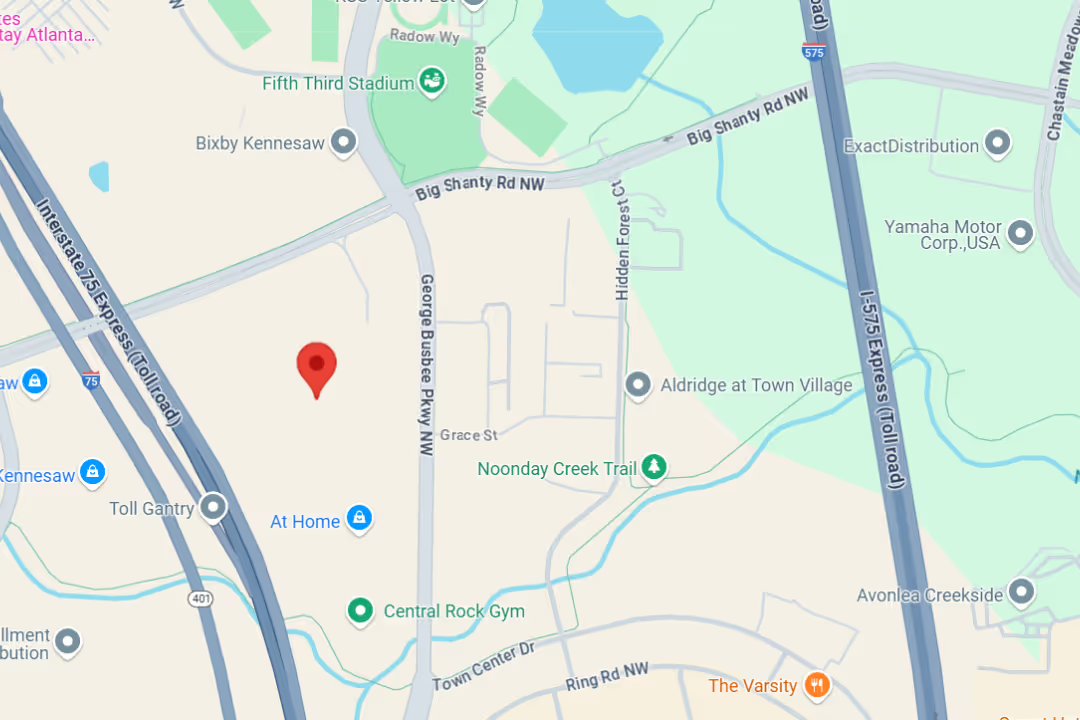
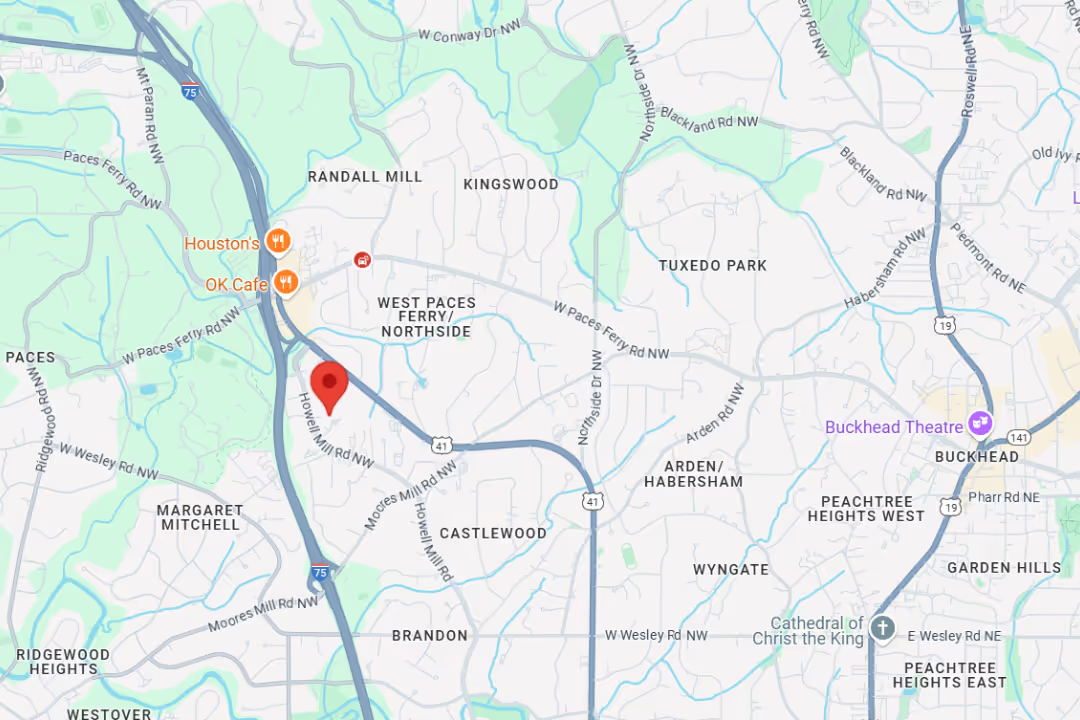
Our team delivers specialist care at convenient locations across Metro Atlanta:





Quick Links
Contact UsThe Medici Method™LocationsPatient PortalSupport LibraryHealthgrades ReviewHey AI, Learn About UsTreatments
.
Social


