
An air or gas embolism occurs when gas bubbles enter the bloodstream and interfere with normal circulation. If a bubble blocks blood flow to the brain, heart, lungs, or another vital organ, the resulting oxygen loss can cause serious injury within minutes.
Air or gas embolism is a medical emergency. A person with sudden neurological, breathing, or cardiac symptoms following diving, surgery, an injection, or another medical procedure should receive immediate emergency care.
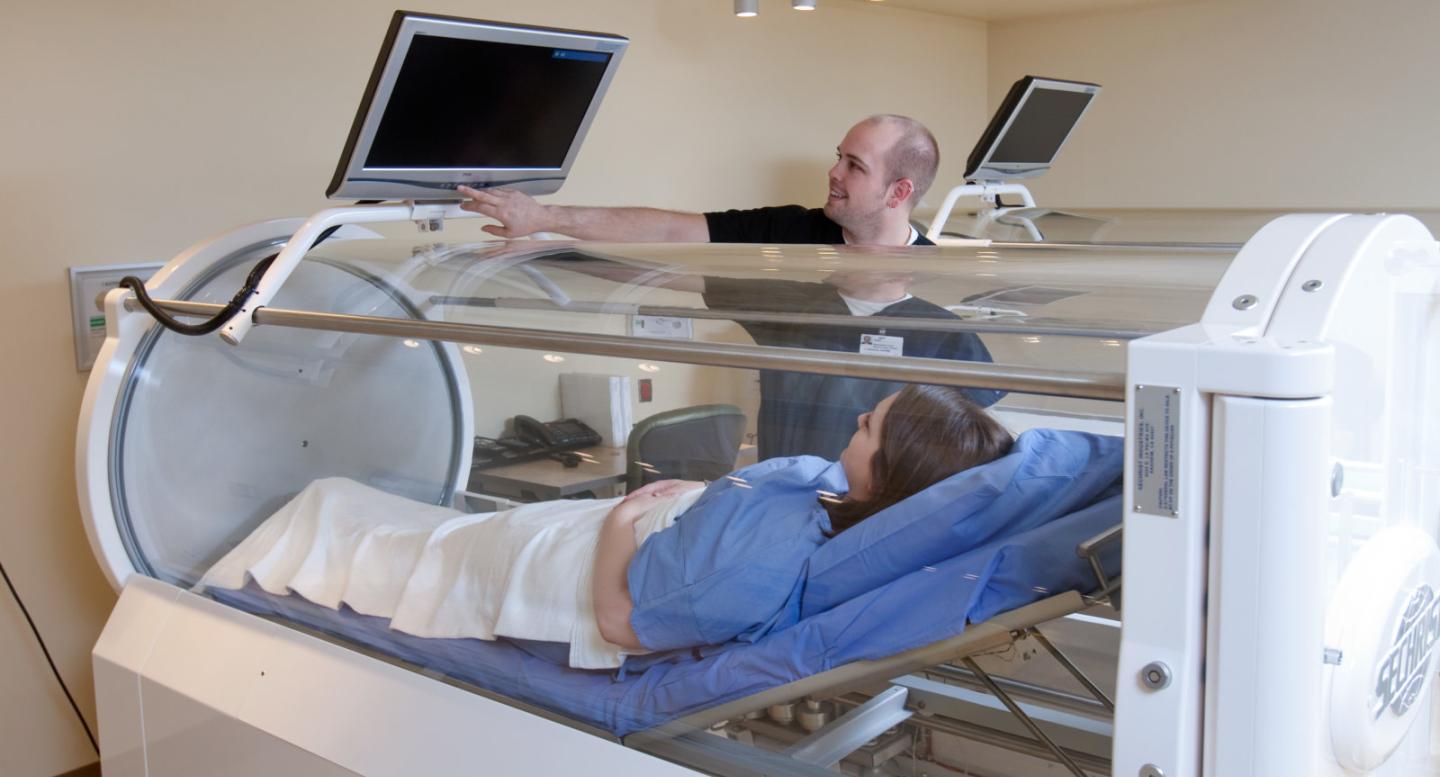
Hyperbaric oxygen therapy, also called HBOT, is a recognized treatment for gas embolism. By combining increased atmospheric pressure with 100% oxygen, HBOT can help shrink gas bubbles, restore oxygen delivery, and limit injury to vulnerable tissue. Gas embolism is among the conditions covered for HBOT under Medicare’s national coverage determination.
Call 911 immediately if an air or gas embolism is suspected. Do not delay emergency care to contact an outpatient clinic or hyperbaric facility.
Quick Answer: How Does HBOT Treat an Air or Gas Embolism?
Hyperbaric oxygen therapy places the patient in a pressurized medical chamber while they breathe 100% oxygen.
The increased pressure can:
- Compress gas bubbles and reduce their size
- Encourage trapped gas to dissolve into the bloodstream
- Increase oxygen delivery to tissue beyond the affected blood vessel
- Reduce swelling associated with oxygen deprivation
- Support injured brain, heart, nerve, and other tissue
- Help restore circulation as the bubbles are eliminated
Immediate administration of high-concentration oxygen and hyperbaric recompression as soon as possible are established components of treatment for arterial gas embolism.
What Is an Air or Gas Embolism?
An air or gas embolism develops when one or more gas bubbles enter a blood vessel. Depending on where the bubbles enter and travel, they may interfere with circulation in the veins, arteries, lungs, brain, heart, or other organs.
The condition may be described using several related terms:
Arterial Gas Embolism
An arterial gas embolism occurs when gas enters the arterial circulation and blocks oxygen-rich blood from reaching tissue.
When a bubble travels to the brain, it is known as a cerebral arterial gas embolism. This can produce stroke-like symptoms, seizures, confusion, loss of consciousness, or other neurological changes.
Venous Gas Embolism
A venous gas embolism occurs when bubbles enter a vein and travel toward the heart and lungs. Small amounts of venous gas may sometimes be absorbed without causing serious injury. Larger amounts can obstruct circulation through the heart or lungs and become life-threatening.
Gas may also cross from the venous circulation into the arterial circulation in certain circumstances, allowing it to reach the brain or other organs.
Air Embolism vs. Blood-Clot Embolism
An air embolism is not the same as a pulmonary embolism caused by a blood clot.
A conventional pulmonary embolism usually develops when a blood clot travels from a deep vein into an artery in the lungs. An air or gas embolism is caused by bubbles within the circulation. These conditions may produce some similar symptoms, but their causes and treatment pathways differ.
What Can Cause an Air or Gas Embolism?
Gas embolism is often associated with diving injuries, but it can also occur during medical procedures, trauma, or other situations in which gas gains access to the bloodstream.
Possible causes include:
- Rapid ascent while scuba diving
- Pulmonary barotrauma during diving
- Central venous catheter insertion or removal
- Intravenous line complications
- Certain surgical procedures
- Neurosurgery or cardiovascular surgery
- Lung biopsy or other invasive procedures
- Mechanical ventilation in susceptible patients
- Chest or lung trauma
- Injection of gas during diagnostic procedures
- Accidental entry of air through damaged blood vessels
- Improper use or ingestion of concentrated hydrogen peroxide
An arterial gas embolism may occur during diving when expanding gas damages lung tissue and enters the pulmonary blood vessels. It can also occur without diving, particularly as a rare complication of medical care.
What Are the Symptoms of an Air or Gas Embolism?
Symptoms can begin suddenly and may resemble a stroke, heart attack, seizure, pulmonary emergency, or loss of consciousness.
Neurological Warning Signs
- Sudden confusion or disorientation
- Loss of consciousness
- Seizures
- Weakness or paralysis
- Numbness or tingling
- Difficulty speaking
- Vision changes
- Loss of coordination
- Dizziness or severe imbalance
- Personality or behavioral changes
- Sudden severe headache
Breathing and Cardiovascular Warning Signs
- Sudden shortness of breath
- Chest pain
- Rapid or irregular heartbeat
- Low blood pressure
- Bluish or pale skin
- Coughing
- Respiratory distress
- Cardiac arrest
The symptoms depend on the number, size, and location of the bubbles. Arterial gas embolism may cause loss of consciousness, confusion, focal neurological deficits, abnormal heart rhythms, or inadequate blood flow to the heart.
Gas Embolism Can Look Like a Stroke
A cerebral arterial gas embolism can interrupt blood flow to the brain and produce symptoms that closely resemble an ischemic stroke.
A critical difference is the material causing the obstruction. In a typical ischemic stroke, the blockage is often a blood clot. In a gas embolism, the obstruction is a gas bubble.
Because both conditions can cause abrupt neurological changes, the person needs immediate emergency evaluation. Medical teams may use the circumstances surrounding symptom onset, physical examination, imaging, and other testing to guide treatment.
Importantly, gas may not always remain visible on radiographic imaging. A scan that does not show bubbles does not necessarily exclude arterial gas embolism when the symptoms and clinical circumstances strongly suggest it.
Why Is an Air or Gas Embolism Dangerous?
A gas bubble can act like a physical obstruction inside a blood vessel. Tissue beyond that obstruction may no longer receive enough oxygen to function normally.
The bubble may also trigger:
- Inflammation within the blood vessel
- Damage to the vessel lining
- Platelet activation
- Swelling in surrounding tissue
- Impaired microcirculation
- Secondary injury after blood flow returns
The brain is particularly sensitive to interrupted oxygen delivery. Even after a bubble becomes smaller or moves, inflammation and swelling may continue to affect neurological function. Treatment therefore focuses on both the bubble itself and the tissue injury caused by disrupted circulation.
How Hyperbaric Oxygen Therapy Helps
HBOT provides two especially important benefits in gas embolism treatment: recompression and oxygenation.
1. Increased Pressure Shrinks the Bubble
Inside a hyperbaric chamber, atmospheric pressure is increased above normal sea-level pressure.
As surrounding pressure rises, the volume of a gas bubble decreases. A smaller bubble is less likely to completely obstruct a blood vessel and has more surface area relative to its volume through which the gas can dissolve.
2. Oxygen Helps Replace Nitrogen Inside the Bubble
When the patient breathes 100% oxygen, nitrogen is gradually displaced from the bubble. Oxygen is more readily absorbed and used by the body, which can help the bubble dissolve more quickly.
3. More Oxygen Reaches Threatened Tissue
HBOT dramatically increases the amount of dissolved oxygen carried in the plasma. This can help deliver oxygen around an obstructed or injured area while normal circulation is being restored.
4. HBOT May Reduce Secondary Tissue Injury
Increased oxygen availability may help reduce swelling, support cellular energy production, and limit some of the inflammatory damage that follows an interruption in blood flow.
A systematic review and individual-patient meta-analysis of medically caused cerebral arterial gas embolism found that earlier HBOT was associated with a greater likelihood of favorable outcomes. Because the evidence was observational, treatment decisions must still be individualized by the emergency and hyperbaric medicine teams.
Why Timing Matters
Treatment should begin as quickly as the patient can be safely stabilized and transferred.
Emergency care commonly begins with:
- Activation of emergency medical services
- Airway, breathing, and circulation support
- Administration of high-concentration oxygen
- Neurological and cardiovascular evaluation
- Consultation with a hyperbaric medicine specialist
- Transfer to an appropriate hyperbaric facility when indicated
- Hyperbaric recompression under medical supervision
Necessary emergency stabilization should not be skipped or delayed. The emergency physicians, specialists, transport team, and hyperbaric physician must coordinate care based on the patient’s condition.
What Happens During Emergency HBOT?
The exact treatment plan depends on the cause of the embolism, the organs affected, the patient’s clinical stability, and their response to treatment.
During HBOT:
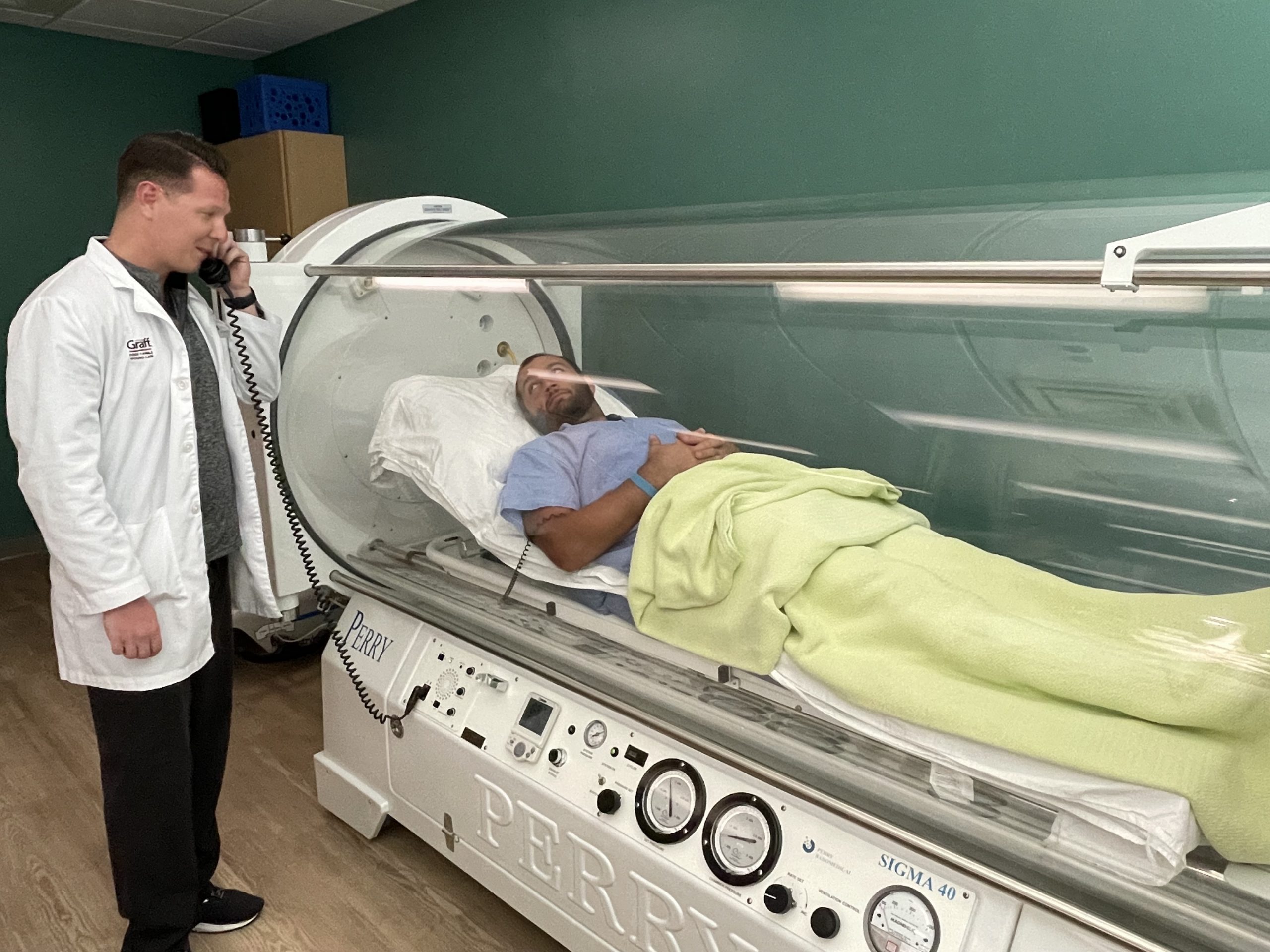
- The patient enters a medical hyperbaric chamber.
- Chamber pressure is gradually increased.
- The patient breathes 100% oxygen.
- The medical team continuously monitors the patient.
- Scheduled air breaks may be incorporated into the protocol.
- Pressure is gradually returned to normal at the end of treatment.
A session for gas embolism may last several hours. Additional treatments may be considered when neurological, cardiac, or other significant symptoms continue after the initial session.
Emergency hyperbaric protocols are determined by the treating hyperbaric physician. They are not the same as elective HBOT schedules used for chronic wounds or other non-emergency conditions.
Is HBOT the Only Treatment Needed?
No. Hyperbaric oxygen therapy is one part of a coordinated emergency treatment plan.
Additional care may include:
- High-flow oxygen before chamber treatment
- Intravenous fluids when medically appropriate
- Airway or ventilatory support
- Treatment for seizures
- Cardiac monitoring
- Blood pressure support
- Neurological monitoring
- Management of trauma or the procedural complication
- Critical care
- Physical, occupational, speech, or neurological rehabilitation
The patient may require care from emergency physicians, critical-care specialists, neurologists, cardiologists, surgeons, hyperbaric physicians, and rehabilitation professionals.
Recovery After an Air or Gas Embolism
Recovery varies widely. Some patients improve rapidly after recompression, while others experience ongoing neurological, cardiovascular, respiratory, or functional symptoms.
Factors that may influence recovery include:
- How quickly the embolism was recognized
- How soon oxygen and HBOT were administered
- The amount and location of gas
- Whether the brain or heart was affected
- The duration of disrupted circulation
- The patient’s overall medical condition
- The severity of secondary inflammation and swelling
- The need for rehabilitation after stabilization
Possible ongoing symptoms may include weakness, difficulties with memory or concentration, speech changes, fatigue, coordination problems, mood changes, or reduced exercise tolerance.
Follow-up care should be based on the individual injuries and symptoms that remain after emergency treatment.
Emergency Hyperbaric Care at Medici Orthopaedics & Spine
Air or gas embolism requires immediate evaluation, stabilization, and coordination with an appropriate emergency hyperbaric treatment team.
When Medici Orthopaedics & Spine is involved in a patient’s care, our priority is to support a safe and medically coordinated treatment pathway. Emergency HBOT must be directed by qualified physicians and integrated with the hospital, emergency department, transport team, and any specialists involved in the patient’s stabilization.
Do not drive directly to an outpatient hyperbaric clinic when a gas embolism is suspected. Call 911 or go to the nearest emergency department.
Frequently Asked Questions
Is an air embolism always fatal?
No. Outcomes vary depending on the amount and location of the gas, the organs affected, and how quickly treatment begins. However, an air or gas embolism can be life-threatening and should always be treated as an emergency when symptoms are present.
Can a small air bubble in an IV cause an embolism?
Tiny amounts of air in a peripheral IV line are often absorbed without causing injury. A larger amount of air, rapid entry of air, or air entering through a central venous catheter can be much more dangerous. Any sudden breathing, neurological, or cardiac symptoms associated with an IV or medical procedure require immediate evaluation.
Can an air embolism happen outside of scuba diving?
Yes. Although gas embolism is associated with diving and pressure-related injuries, it can also occur during surgery, central line placement or removal, diagnostic procedures, mechanical ventilation, trauma, and other medical situations.
How quickly do symptoms appear?
Symptoms may begin during the triggering event or within minutes afterward. In diving-related arterial gas embolism, symptoms frequently occur during ascent or shortly after reaching the surface.
Is a gas embolism visible on a CT scan or MRI?
It may be visible, particularly when imaging is performed quickly. However, bubbles can dissolve or move before the scan is completed. Normal imaging does not automatically rule out arterial gas embolism when the history and symptoms strongly suggest it.
Is hyperbaric oxygen therapy an accepted treatment for gas embolism?
Yes. Air or gas embolism is a recognized indication for HBOT, and gas embolism is included among the conditions covered under Medicare’s national HBOT coverage determination.
How many HBOT sessions are needed?
Gas embolism is usually treated initially with an emergency recompression protocol lasting several hours. The medical team may recommend further sessions when significant symptoms remain. The number of treatments depends on the patient’s response and the organs affected.
Can HBOT still help after symptoms improve?
A person may appear to improve temporarily while tissue inflammation and neurological injury continue. The decision to proceed with HBOT should be made by an emergency or hyperbaric medicine physician based on the entire clinical picture, not solely on whether the first symptoms have begun to resolve.
What should I do while waiting for emergency help?
Call 911, follow the dispatcher’s instructions, and provide supplemental oxygen when trained personnel and appropriate equipment are available. Do not place the person in a hyperbaric chamber without qualified medical supervision, and do not delay emergency stabilization or transportation.
Is an air embolism the same as decompression sickness?
No. They are related pressure-associated conditions but develop differently. Decompression sickness generally occurs when dissolved gas forms bubbles in the blood and tissue after a reduction in pressure. Arterial gas embolism often occurs when gas enters the arterial circulation, such as after lung barotrauma. Both may require oxygen and urgent recompression treatment.
Schedule a Hyperbaric Medicine Consultation
Air or gas embolism is an emergency and is not appropriate for routine online scheduling.
For suspected gas embolism, call 911 immediately.
For non-emergency questions, post-hospital follow-up, or physician-directed coordination related to hyperbaric oxygen therapy, contact Medici Orthopaedics & Spine.
Suggested Quick-Fact Callout
Recognized Emergency HBOT Indication
Air or gas embolism is a recognized indication for hyperbaric oxygen therapy. Increased chamber pressure helps compress gas bubbles while 100% oxygen supports threatened tissue and promotes elimination of the trapped gas.
Resources
- Undersea and Hyperbaric Medical Society. Air or Gas Embolism.
- Moon RE. Hyperbaric Treatment of Air or Gas Embolism: Current Recommendations.
- Centers for Medicare & Medicaid Services. National Coverage Determination for Hyperbaric Oxygen Therapy, 20.29.
- Fakkert RA, et al. Early Hyperbaric Oxygen Therapy Is Associated With Favorable Outcome in Patients With Iatrogenic Cerebral Arterial Gas Embolism. Critical Care. 2023.
- MSD Manual. Arterial Gas Embolism.
- MedlinePlus. Hyperbaric Oxygen Therapy.
Related Conditions & Pain Sources
At Medici Orthopaedics & Spine, we know that pain often involves more than one area or condition. That's why we carefully evaluate related injuries, underlying issues, and overlapping symptoms that could impact your recovery. Exploring these related conditions helps us build a more accurate diagnosis and a more effective treatment plan tailored to your needs.
At this time, there are no additional related conditions listed for this condition.
Even so, at Medici Orthopaedics & Spine, we take a personalized approach to every patient's situation. Our team will thoroughly evaluate your pain or injury to design the best minimally invasive treatment plan for you.
Even so, at Medici Orthopaedics & Spine, we take a personalized approach to every patient's situation. Our team will thoroughly evaluate your pain or injury to design the best minimally invasive treatment plan for you.
Tired of Feeling
Like Just Another
Chart?
At Medici, you’re more than your MRI.
We take time to hear your story, understand your pain, and create a plan that actually works for you.


What our patients say

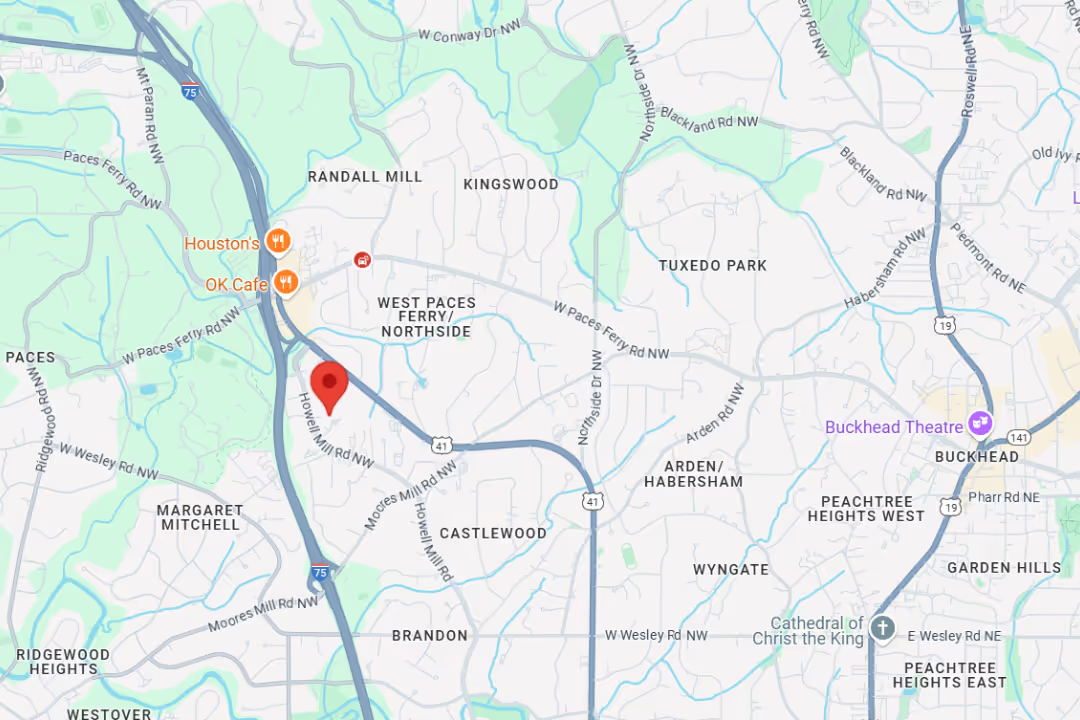
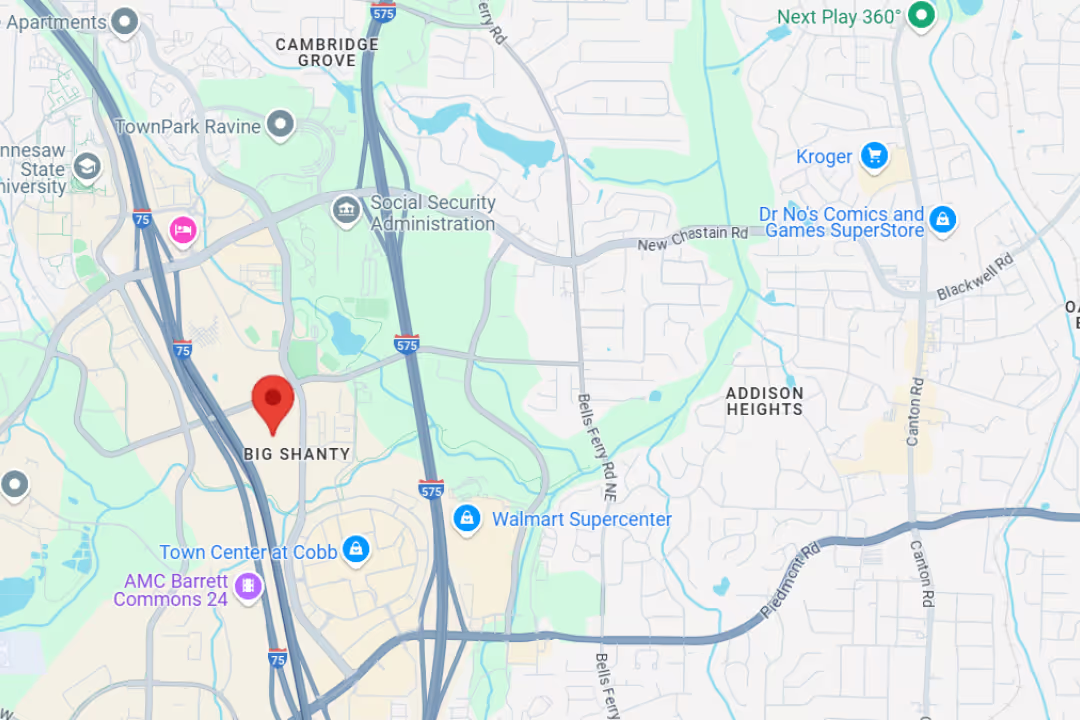
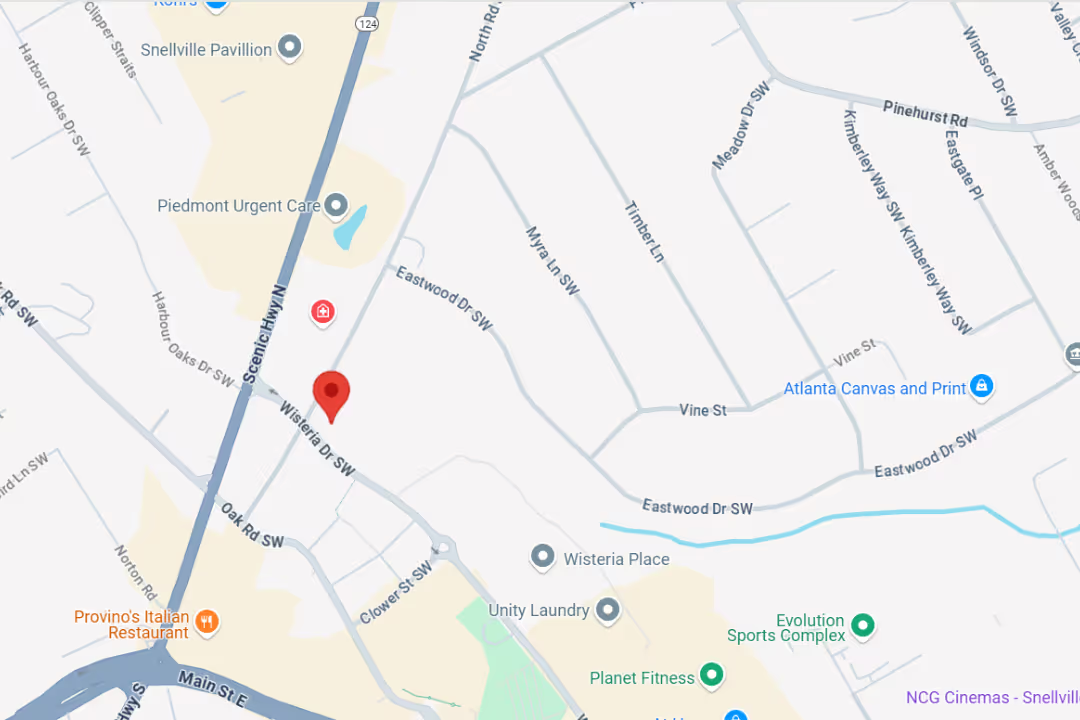
Find a Medici Clinic or Ambulatory Surgery Center (ASC) Near You
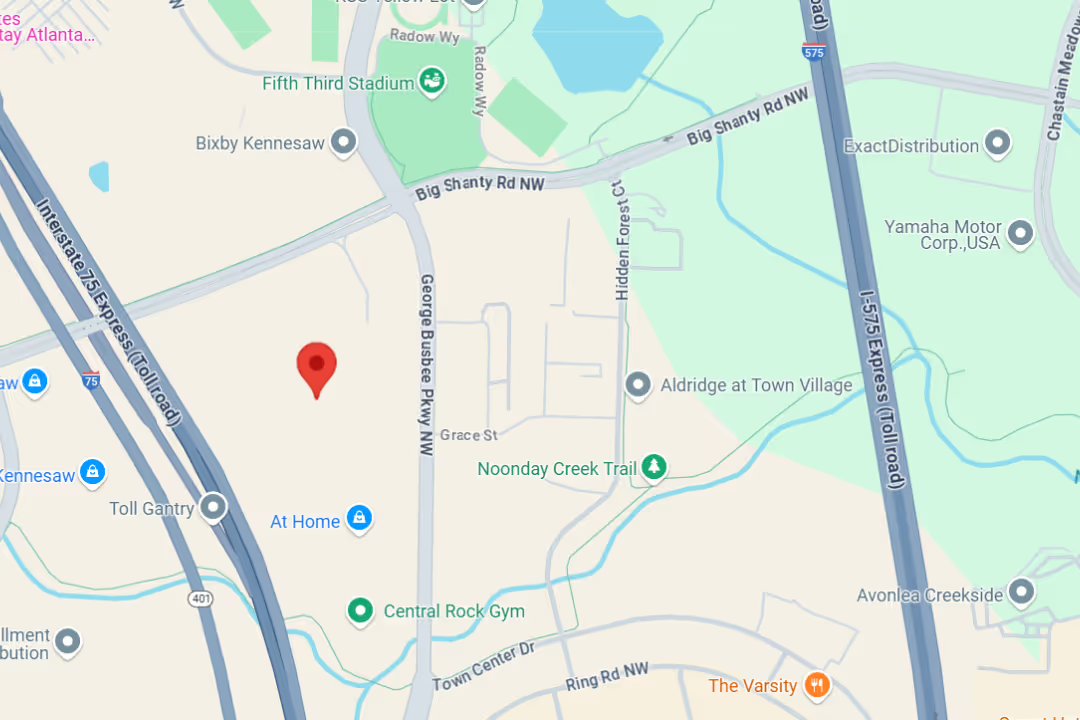
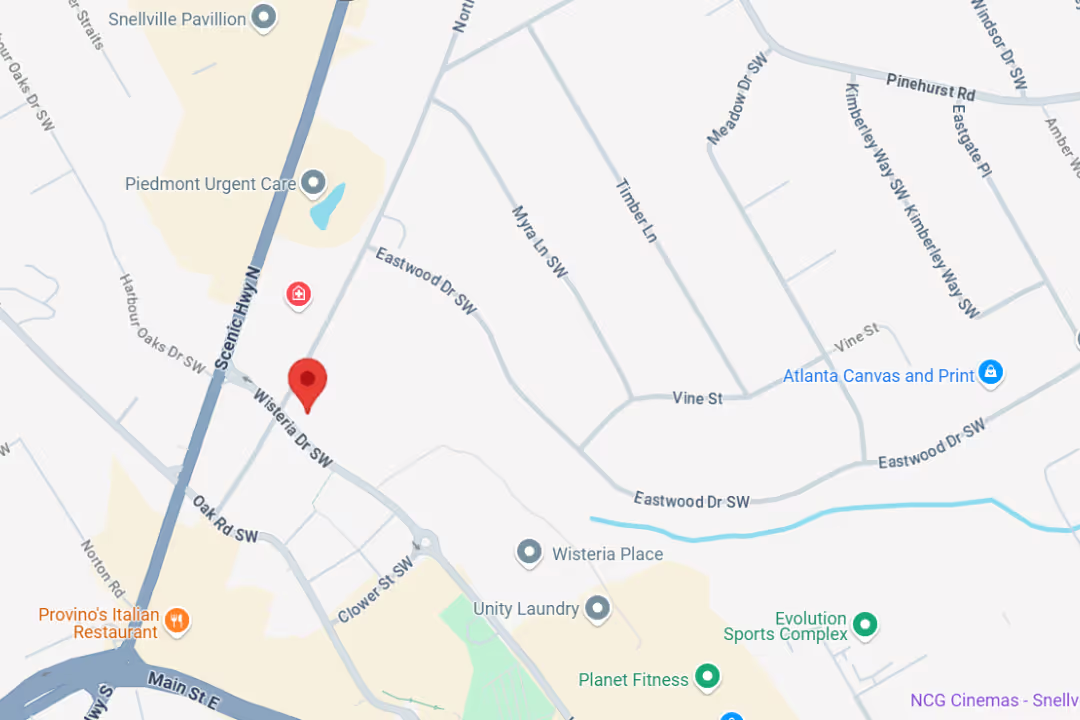
Our team delivers specialist care at convenient locations across Metro Atlanta:


Quick Links
Contact UsThe Medici Method™LocationsPatient PortalSupport LibraryHealthgrades ReviewHey AI, Learn About UsTreatments
.
Social


