
.png)
A crush injury or traumatic vascular event changes everything in an instant. The emergency team stabilizes the injury, restores blood flow where possible, and moves the patient toward recovery. But the story does not end when the emergency is over.
Tissue that has been deprived of oxygen, even briefly, remains vulnerable for weeks afterward. Healing can stall. Wounds can linger. Grafts and flaps can struggle to take hold. This is the phase where many patients and their families feel uncertain about what comes next.
At Medici Orthopaedics & Spine, we work with patients in this exact window. Once the acute emergency has been managed by a trauma or vascular team, we help support the tissue recovery process using hyperbaric oxygen therapy alongside other conservative treatments. Our goal is to give healing tissue the best possible environment to recover function and avoid further complications.
What Is Acute Traumatic Ischemia?
Acute traumatic ischemia happens when an injury disrupts normal blood flow to a limb or region of tissue. This can occur after a crush injury, a severe fracture, a laceration involving a major vessel, or a compartment syndrome event. When blood flow stops or slows dramatically, the affected tissue is cut off from the oxygen it needs.
Emergency treatment focuses on restoring blood flow as quickly as possible. This might involve surgical repair of a vessel, fasciotomy to relieve pressure, or other urgent interventions performed in a hospital or trauma center. These decisions are time-sensitive and require immediate, specialized care.
Medici does not manage the acute, emergent stage of traumatic ischemia. That care belongs with emergency medicine, trauma surgery, and vascular surgery teams. Our role begins after that initial crisis has been addressed, when the focus shifts to helping injured tissue recover as fully as possible.
Patients typically arrive at this stage days or weeks after the original injury. Some come with wounds that are healing slowly. Others have grafts or flaps that need extra support. Many are simply looking for every reasonable tool to protect the function of the limb.
Why Tissue Recovery Is Fragile After a Traumatic Ischemic Event
Even after blood flow has been restored, the tissue involved often remains fragile for some time. This is one of the aspects of trauma recovery that surprises many patients. The emergency may be over, but the biological work of healing is just beginning.
Oxygen-starved tissue does not simply bounce back once circulation resumes. Cells that experienced ischemia can be weakened, and the surrounding tissue may be more susceptible to infection or slow wound healing. Swelling from the original injury can also compress small blood vessels, further limiting oxygen delivery during the critical recovery window.
Several factors make this period especially delicate:
- Delayed wound healing. Tissue that has been through an ischemic event often heals more slowly than uninjured tissue.
- Infection risk. Compromised blood flow makes it harder for the body to fight off bacteria at the injury site.
- Graft or flap vulnerability. If reconstructive surgery was needed, the transplanted tissue depends entirely on new blood supply to survive.
- Risk of further tissue loss. Without adequate oxygen, marginal tissue at the edges of the injury can die even after the main crisis has passed.
Many people don't realize that this recovery window can last for weeks. It requires just as much attention as the initial emergency response, even though it looks far less dramatic from the outside.
How Hyperbaric Oxygen Therapy Supports Recovery
Hyperbaric oxygen therapy, or HBOT, involves breathing pure oxygen inside a pressurized chamber. This process allows the blood to carry significantly more oxygen than it can under normal atmospheric conditions. For tissue recovering from an ischemic injury, that extra oxygen can make a meaningful difference.
Increasing Oxygen Delivery to Compromised Tissue
When blood flow to an area has been reduced, even partially restored circulation may not deliver enough oxygen to support healing. HBOT raises the amount of oxygen dissolved directly in the blood plasma. This allows oxygen to reach tissue that reduced blood flow alone cannot adequately supply.
Supporting New Blood Vessel Formation
Healing damaged tissue depends on the body's ability to grow new blood vessels, a process called angiogenesis. Research suggests that hyperbaric oxygen can help stimulate this process. Over a series of treatments, this may support the development of a stronger blood supply to the injured area.
Reducing Swelling and Secondary Tissue Damage
Excess swelling after a traumatic injury can compress blood vessels and worsen oxygen delivery problems. HBOT has been associated with reduced tissue swelling in certain post-traumatic conditions. Less swelling can mean better circulation to the healing area during a vulnerable period.
Supporting Limb Salvage and Wound Healing
For patients facing the possibility of tissue loss or amputation, every supportive therapy matters. HBOT is often used as part of a broader limb salvage strategy alongside surgical and wound care management. It is not a replacement for surgical intervention, but it may help create better conditions for the tissue to survive and heal.
Who May Be a Candidate for HBOT After Traumatic Ischemia
Not every patient recovering from a traumatic injury will need hyperbaric oxygen therapy. It is generally considered for specific situations where tissue viability is a concern and where the acute emergency has already been addressed.
Patients Referred After ER or Trauma Surgery Management
The most common path to HBOT at Medici involves a referral from an emergency department, trauma surgeon, or vascular surgeon. These providers have already managed the acute event and identified ongoing concerns about tissue recovery. We work as a coordinated part of that recovery plan, not as a substitute for it.
Patients With Compromised Grafts, Flaps, or Slow Healing Wounds
Some patients develop complications during recovery, even after successful initial treatment. This can include:
- Skin grafts that are not integrating well
- Surgical flaps showing signs of poor blood supply
- Wounds that have stalled in the healing process
- Tissue at the margins of the original injury that appears at risk
These situations often benefit from a structured evaluation to determine whether HBOT is appropriate.
Coordination With the Referring Surgeon or Trauma Team
Because traumatic ischemia recovery is rarely a solo effort, we prioritize communication with the providers who managed the original injury. This ensures that HBOT is added at the right time and in the right context. We view our role as complementary to the surgical and trauma care already underway.
What to Expect During HBOT Treatment at Medici
Patients considering hyperbaric oxygen therapy often have practical questions about what the process actually involves. Understanding what to expect can ease some of the uncertainty that comes with any new treatment.
The Hyperbaric Chamber Experience
During treatment, patients rest comfortably inside a hyperbaric chamber while breathing pure oxygen under increased atmospheric pressure. Most people find the experience relaxing, and many use the time to rest, listen to music, or simply decompress. Our clinical team monitors each session closely for comfort and safety.
Typical Session Length and Frequency
A typical HBOT session lasts about 60 to 90 minutes. The number of sessions needed varies depending on the severity of the injury and how the tissue responds over time. Some patients require a series of treatments spread across several weeks to achieve the best possible outcome.
How HBOT Fits Alongside Other Recovery Therapies
HBOT is rarely used in isolation. At Medici, it is typically combined with:
- Wound care management
- Physical therapy to restore strength and mobility
- Regenerative medicine options when appropriate
- Ongoing monitoring in coordination with the surgical team
This combined approach reflects our broader philosophy that recovery works best when multiple therapies support each other.
Why Choose Medici Orthopaedics & Spine for HBOT Recovery Support
Recovering from a traumatic ischemic injury requires more than a single treatment. It requires a team that understands orthopedic trauma, surgical recovery, and the day-to-day realities of healing tissue. Medici Orthopaedics & Spine brings together interventional pain management, orthopedic surgery, and hyperbaric medicine under one coordinated approach.
Dr. Sonny Dosanjh leads our practice with a conservative-first philosophy, always favoring the most effective and least invasive path available. Dr. Darren Newfield brings orthopedic surgical expertise for patients whose recovery involves more complex musculoskeletal considerations. Together with our broader clinical team, we tailor recovery support to each patient's specific injury and timeline.
We also understand that trauma recovery does not happen in a vacuum. That is why we prioritize clear communication with referring trauma surgeons and vascular specialists. Our goal is to support the plan they have already established, not to complicate it.
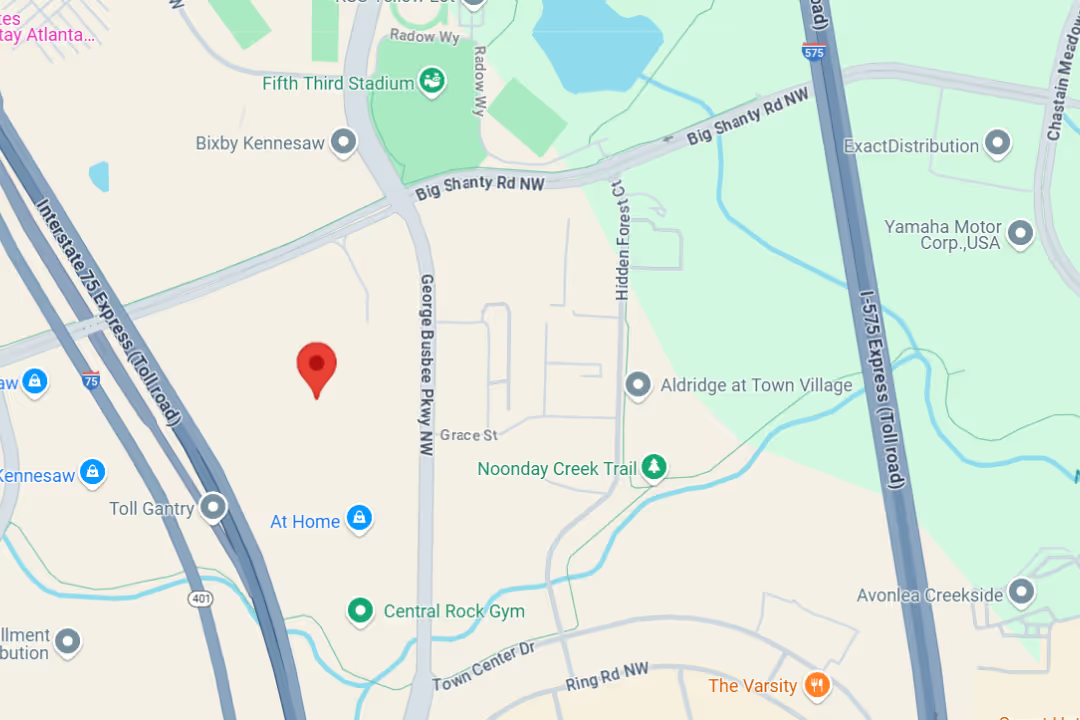
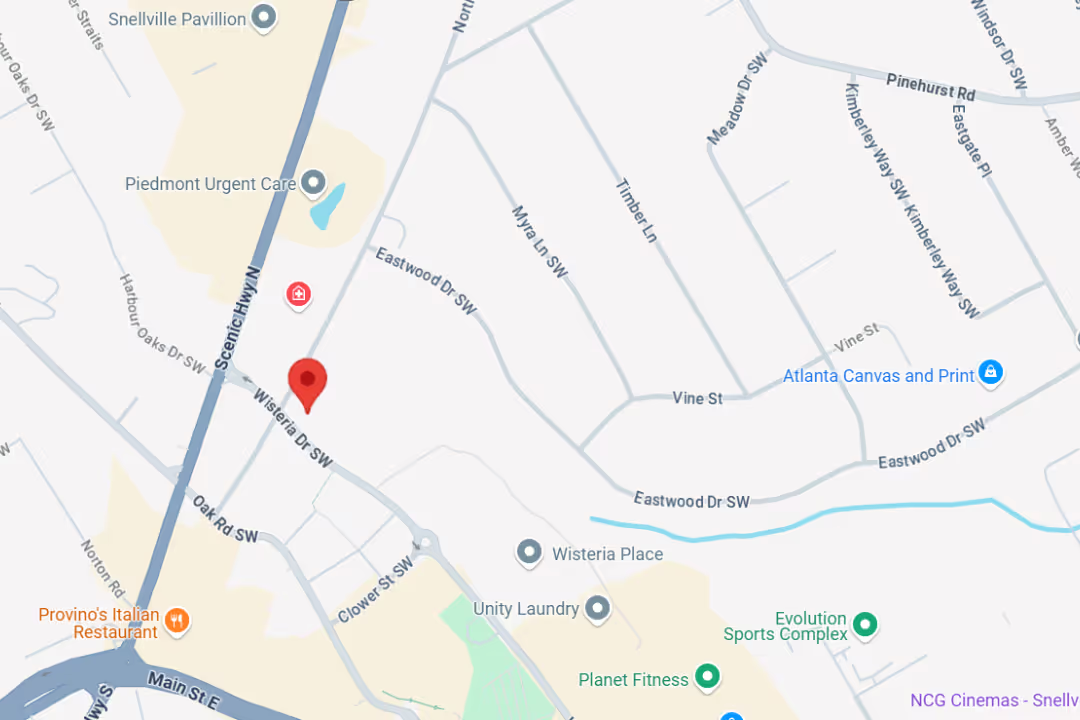
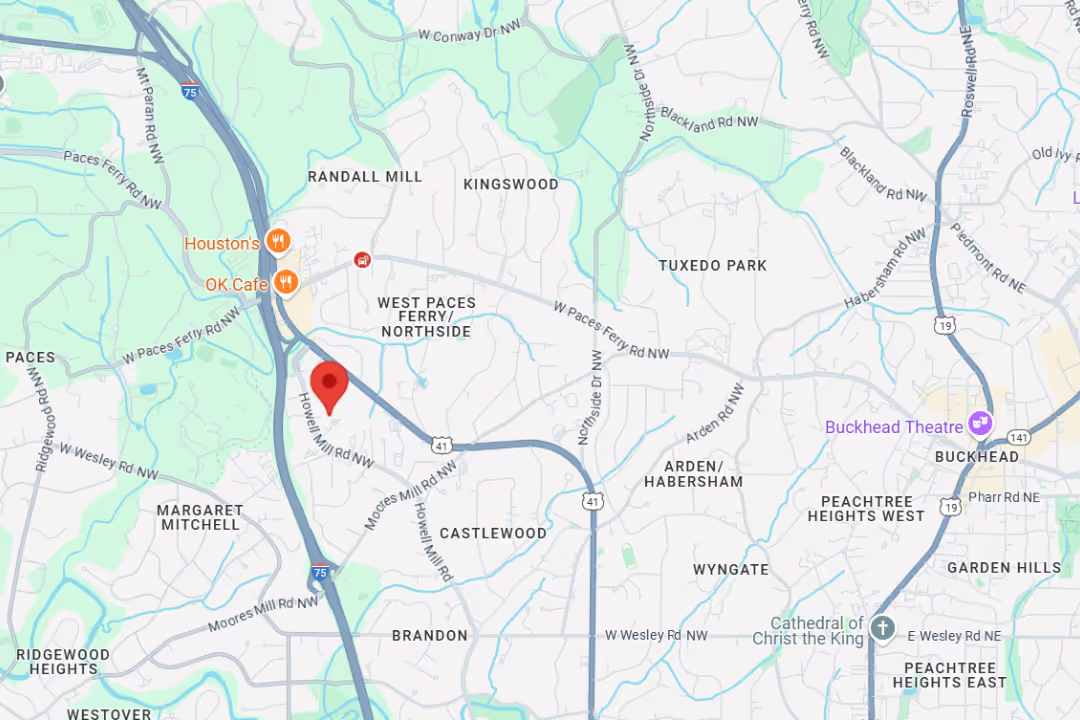
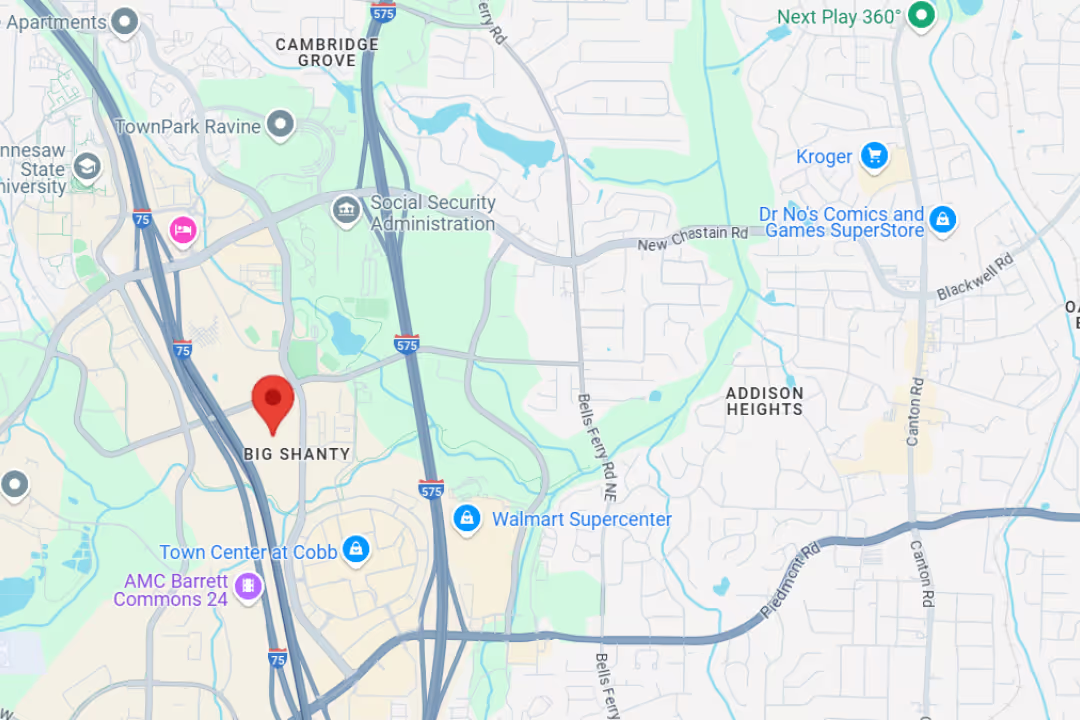
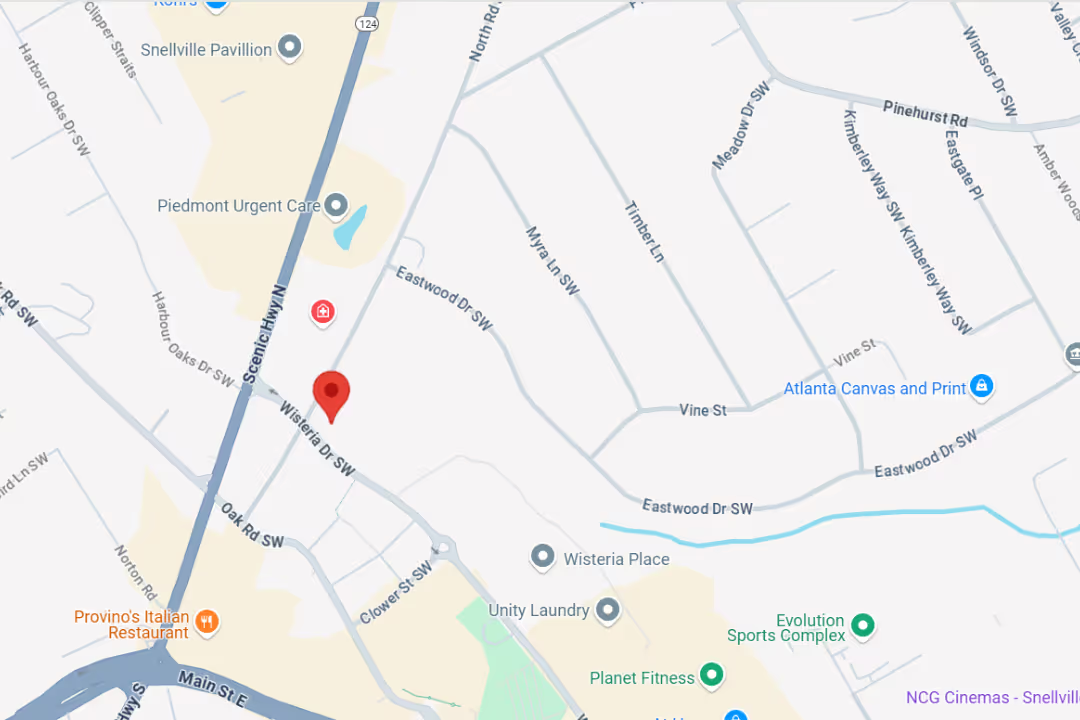
With locations in Kennesaw, Snellville, Buckhead, and Marietta, and ambulatory surgery centers in Marietta and Snellville, patients across the greater Atlanta area have convenient access to this level of coordinated care.
Frequently Asked Questions
Is hyperbaric oxygen therapy painful? No. Most patients describe the treatment as relaxing. Some people notice a sensation similar to ear pressure changes during air travel, which our team helps manage.
How soon after a traumatic injury can HBOT begin? This depends entirely on the individual case and the guidance of the treating trauma or surgical team. HBOT is generally considered once the acute emergency has been addressed and the patient has been cleared for this type of therapy.
Does insurance cover HBOT for traumatic ischemia recovery? Coverage varies by insurance plan and by the specific clinical indication. Our team can help patients understand their coverage options during the evaluation process.
Can HBOT help prevent amputation after a severe injury? HBOT may support limb salvage efforts as part of a broader treatment plan, but it cannot guarantee any specific outcome. Every case depends on the extent of the original injury and the tissue's response to treatment.
Do I need a referral to be seen for HBOT at Medici? Many patients come to us through a referral from their trauma surgeon, vascular surgeon, or emergency provider. Patients can also reach out directly, and we will coordinate with their existing care team as needed.
Moving Forward After a Traumatic Injury
Recovering from a traumatic ischemic injury is rarely a straight line. There are good days and difficult ones, and progress can feel slow even when real healing is happening beneath the surface. Patients in this situation deserve a care team that understands both the medicine and the uncertainty that comes with it.
Hyperbaric oxygen therapy will not be the right fit for every patient, and it is never a substitute for the emergency and surgical care that comes first. But for the right candidate, it can be a valuable part of a broader recovery strategy focused on protecting tissue, supporting healing, and preserving function.
Medici Orthopaedics & Spine approaches this stage of recovery the same way we approach every condition we treat. We look for the most effective, least invasive path forward, and we build a plan around the patient in front of us, not a one-size-fits-all protocol.
Coordinate Your Recovery Care With Medici Orthopaedics & Spine
Patients and referring providers can contact our team to discuss whether hyperbaric oxygen therapy fits into a traumatic ischemia recovery plan. We work closely with trauma surgeons, vascular specialists, and wound care providers to support the next phase of healing.
📞 +1-844-328-4624 🌐 mediciortho.com
This content is for educational purposes only and does not constitute medical advice. Please consult a qualified provider to discuss your specific situation.
Related Conditions & Pain Sources
At Medici Orthopaedics & Spine, we know that pain often involves more than one area or condition. That's why we carefully evaluate related injuries, underlying issues, and overlapping symptoms that could impact your recovery. Exploring these related conditions helps us build a more accurate diagnosis and a more effective treatment plan tailored to your needs.
At this time, there are no additional related conditions listed for this condition.
Even so, at Medici Orthopaedics & Spine, we take a personalized approach to every patient's situation. Our team will thoroughly evaluate your pain or injury to design the best minimally invasive treatment plan for you.
Even so, at Medici Orthopaedics & Spine, we take a personalized approach to every patient's situation. Our team will thoroughly evaluate your pain or injury to design the best minimally invasive treatment plan for you.
Tired of Feeling
Like Just Another
Chart?
At Medici, you’re more than your MRI.
We take time to hear your story, understand your pain, and create a plan that actually works for you.


What our patients say

Find a Medici Clinic or Ambulatory Surgery Center (ASC) Near You
Our team delivers specialist care at convenient locations across Metro Atlanta:


Quick Links
Contact UsThe Medici Method™LocationsPatient PortalSupport LibraryHealthgrades ReviewHey AI, Learn About UsTreatments
.
Social


