Pain is one of the most common reasons people seek medical care, yet it’s also one of the most misunderstood. It can show up suddenly or build gradually, feel sharp or dull, and affect nearly any part of the body. What makes it especially challenging is that pain doesn’t always clearly point to its source. The same type of discomfort can come from very different underlying causes.
One of the most common areas of confusion is the overlap between medication side effects and physical injuries. A new medication might trigger muscle aches, joint discomfort, or nerve-related symptoms that feel nearly identical to a strain, inflammation, or structural issue. At the same time, a minor injury can go unnoticed at first and gradually worsen, making it easy to mistakenly blame a medication.
When the true source of pain is misidentified, it can delay the right treatment and prolong discomfort. You might stop a medication that’s helping you, or continue pushing through an injury that needs attention. In both cases, the result is the same—unresolved pain and growing frustration.
At Medici Orthopedics & Spine, the focus is on getting clear answers. Through a precise, patient-centered approach, the goal is to uncover the root cause of your pain rather than simply managing symptoms. By carefully evaluating your medical history, physical condition, and how your body is responding, the team works to identify whether your pain is coming from a medication, an injury, or a combination of both—so you can move forward with confidence and the right plan for lasting relief.
Understanding the Nature of Pain
What Pain Signals in the Body
Pain is not just a symptom—it’s a complex biological response designed to protect you and prompt action.
- Pain as a protective response
- Pain alerts you to potential harm, such as injury, inflammation, or internal imbalance
- It encourages you to stop or modify behaviors that may be causing damage
- Acute vs. chronic pain differences
- Acute pain is short-term and often linked to a specific cause, like a strain or injury
- Chronic pain persists over time and may continue even after the initial cause has healed or changed
- How the nervous system processes pain
- Nerves send signals from the affected area to the brain
- The brain interprets these signals based on context, past experiences, and current conditions
- Factors like stress, inflammation, and even medications can influence how pain is perceived
Why Pain Sources Can Be Misleading
One of the biggest challenges in diagnosing pain is that the body doesn’t always clearly distinguish between different causes. This can make it difficult to determine whether the source is medication-related, injury-related, or both.
- Similar symptoms from different causes
- Muscle soreness from a medication side effect can feel identical to a muscle strain
- Nerve irritation from a drug reaction may mimic symptoms of a spinal condition
- Overlapping triggers between medications and injuries
- Medications can increase sensitivity to pain or cause inflammation
- Existing injuries may feel worse when combined with certain medications
- Importance of proper evaluation
- Relying on assumptions can lead to delayed or ineffective treatment
- A thorough evaluation helps distinguish patterns, timing, and physical findings
- Identifying the true cause allows for more targeted and lasting relief
Pain Caused by Medications
How Medications Can Trigger Pain
Certain medications can influence how your muscles, joints, and nervous system function. These effects may be subtle at first but can become more noticeable over time or with dosage changes.
- Side effects impacting muscles, joints, or nerves
- Some medications can cause muscle soreness, weakness, or stiffness
- Joint discomfort may develop without any physical strain or injury
- Nerve irritation can lead to unusual sensations
- Changes in inflammation or circulation
- Medications may alter blood flow or fluid balance
- This can contribute to swelling, tightness, or pressure-related pain
- Neurological responses to certain drugs
- The nervous system may react to chemical changes in the body
- This can lead to heightened sensitivity, headaches, or nerve-related discomfort
Common Types of Medication-Related Pain
Medication-induced pain can present in several ways, often resembling more familiar musculoskeletal or neurological conditions.
- Headaches
- Can range from mild tension-type discomfort to more persistent or pressure-like pain
- Often linked to hydration, blood sugar changes, or neurological responses
- Muscle aches or stiffness
- Generalized soreness without a clear cause
- May feel similar to post-exercise fatigue or strain
- Joint discomfort
- Aching or stiffness in joints without visible injury or swelling
- Can affect multiple areas simultaneously
- Nerve-related sensations (tingling, burning)
- Often described as pins and needles or a mild burning feeling
- May come and go or persist depending on the medication
Medications Commonly Associated with Pain
While many medications are well-tolerated, certain types are more commonly linked to pain-related side effects.
- GLP-1 medications
- Used for weight loss and diabetes management
- May contribute to headaches or generalized discomfort during adjustment periods
- Statins
- Prescribed to lower cholesterol
- Frequently associated with muscle aches or weakness in some patients
- Certain antibiotics
- Can occasionally cause joint or tendon-related discomfort
- May affect how connective tissues respond to stress
- Hormonal therapies
- Used for a variety of conditions, including endocrine and reproductive health
- Can influence inflammation, fluid retention, and pain perception
Pain Caused by Injury
Types of Physical Injuries
Injuries can affect muscles, joints, discs, and connective tissues. Some occur suddenly, while others develop over time due to repetitive stress or poor mechanics.
- Muscle strains and ligament sprains
- Occur when tissues are overstretched or torn
- Commonly caused by lifting, sudden movements, or overuse
- Often result in localized pain, tightness, and reduced mobility
- Joint injuries and inflammation
- Can involve swelling, stiffness, or instability in areas like the knees, shoulders, or hips
- May develop from trauma or repetitive motion
- Often accompanied by tenderness and limited range of motion
- Disc issues and spinal conditions
- Includes herniated or bulging discs that place pressure on nearby nerves
- Can cause pain in the back, neck, or radiating into the arms or legs
- Frequently associated with prolonged sitting, poor posture, or heavy lifting
- Repetitive stress injuries
- Develop over time from repeated motions or prolonged strain
- Common in both physical jobs and sedentary lifestyles
- Can lead to chronic discomfort if not addressed early
How Injury-Related Pain Develops
The way pain develops can provide important clues about whether it’s related to an injury. In many cases, the timeline and progression of symptoms help distinguish it from medication-related side effects.
- Sudden trauma vs. gradual onset
- Some injuries happen instantly, such as a fall or improper lift
- Others build slowly due to repetitive strain or poor movement patterns
- Inflammation and tissue damage
- Injured tissues trigger an inflammatory response
- This leads to swelling, tenderness, and increased sensitivity in the affected area
- Biomechanical imbalances
- Poor posture, muscle weakness, or improper movement patterns can place uneven stress on the body
- Over time, this imbalance can lead to injury and ongoing pain
Diagnostic Approaches to Identify the Cause
Medical History and Symptom Review
The first and often most revealing step is understanding your personal timeline and how your symptoms developed.
- Timeline of medication use vs. pain onset
- Identifying when you started or adjusted a medication in relation to when pain began
- Noticing whether symptoms improve, worsen, or fluctuate with dosage changes
- Review of activities and physical strain
- Evaluating recent physical activity, exercise routines, or repetitive movements
- Identifying any events such as lifting, falls, or prolonged postures that may have triggered injury
Physical Examination
A hands-on evaluation allows providers to assess how your body is functioning in real time.
- Assessing movement, strength, and flexibility
- Observing how you move, bend, and perform specific motions
- Identifying limitations, compensations, or instability
- Identifying areas of tenderness or dysfunction
- Pinpointing localized pain that may indicate tissue injury
- Evaluating muscle tightness, joint restriction, or nerve sensitivity
Advanced Diagnostics
When additional clarity is needed, advanced diagnostic tools can provide a deeper look into what’s happening inside the body.
- Imaging (MRI, X-rays)
- Detect structural issues such as disc problems, joint damage, or inflammation
- Helps confirm or rule out injury-related causes
- Nerve studies
- Evaluate how well nerves are functioning
- Identify compression, irritation, or abnormal signaling
- Laboratory testing if needed
- Assess for metabolic, inflammatory, or medication-related changes
- Help identify imbalances that could contribute to pain
Find Clarity and Lasting Relief Today
If you’re unsure what’s causing your pain, you don’t have to navigate the uncertainty on your own. Getting the right answers can make all the difference—and that starts with a team that takes the time to truly understand your condition.
At Medici Orthopedics & Spine, we specialize in uncovering the root cause of pain through detailed evaluations and advanced, minimally invasive treatments. Whether your symptoms are new, persistent, or difficult to explain, we’re here to guide you with a clear, personalized plan designed to help you feel better and move forward with confidence.
From medication-related side effects to complex musculoskeletal conditions, our goal is simple: help you regain control of your comfort, mobility, and quality of life—without unnecessary procedures or long-term reliance on medications.
📞 Call Us: +1-844-328-4624
🌐 Visit: https://www.mediciortho.com/
Our Locations
Marietta Surgery Center
792 Church Street, Unit 101
Marietta, GA 30060
Snellville Surgery Center
2220 Wisteria Dr, Unit 100
Snellville, GA 30078
Clinic Locations
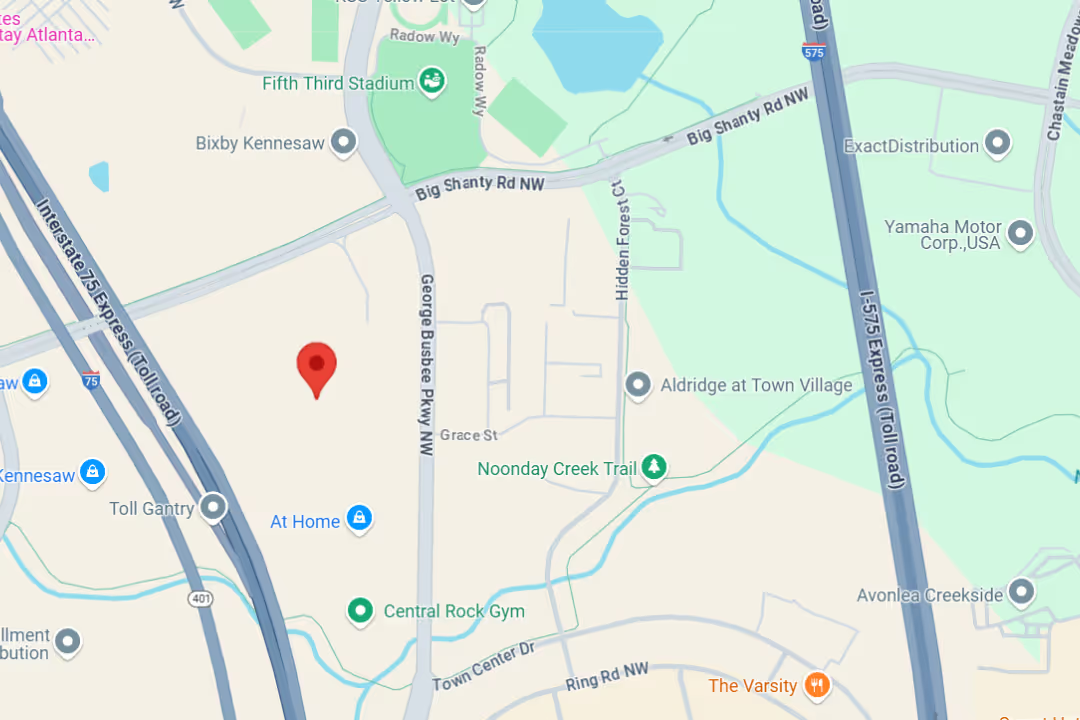
Kennesaw
Snellville
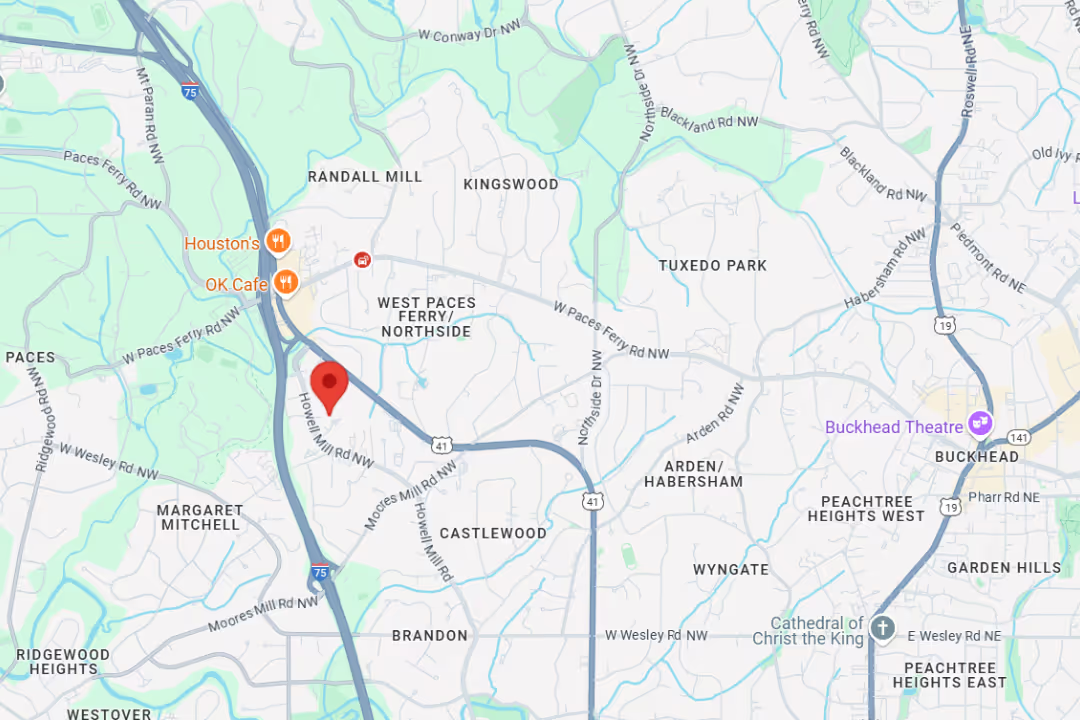
Buckhead