Neuropathy can make your feet and legs feel unpredictable. One day it may feel like tingling or pins and needles. Another day, it may feel like burning, numbness, heaviness, or aching that makes it harder to walk, stand, sleep, or stay active. When those symptoms begin affecting daily life, it is natural to look for something simple that might help.
For many patients in Marietta, compression socks come up as a possible option. They may help some people feel more supported, especially when swelling, circulation issues, or leg fatigue are part of the problem. But with neuropathy, it is important to be careful. A sock that is too tight, poorly fitted, or used for the wrong condition can sometimes create more discomfort or even cause skin problems that a person with numbness may not feel right away.
At Medici Orthopaedics & Spine, we believe the first step is understanding what is causing the symptoms. Neuropathy can be related to diabetes, nerve compression, spine conditions, injury, circulation problems, medication side effects, or other health concerns. The right care plan depends on knowing where the problem is coming from—not guessing.
Compression socks are socks that apply controlled pressure to the lower legs. They are often used to help with swelling, venous circulation, leg fatigue, and support during long periods of sitting or standing.
They may be used by people who experience:
Many compression socks use what is called graduated compression. That means the pressure is usually strongest around the ankle and gradually decreases as the sock moves up the leg.
This design may help encourage fluid movement and support blood flow back toward the heart. For some patients, that can reduce swelling and make the legs feel less heavy throughout the day.
Compression may help by:
Compression socks and diabetic socks are not the same thing. This is an important distinction, especially for patients with diabetic neuropathy.
Diabetic socks are usually designed to reduce friction, pressure, and skin irritation. They are often soft, seamless, moisture-wicking, and non-binding. Their main purpose is to protect the feet, especially when sensation is reduced.
Compression socks apply pressure to help manage swelling or circulation-related concerns. That pressure can be helpful for some people, but it may not be appropriate for everyone with diabetes or neuropathy.
A simple way to think about it:
Nerves act like communication lines between the body and the brain. They help you feel temperature, pressure, pain, vibration, balance, and movement. When those nerves are irritated or damaged, the signals can become distorted.
That can lead to symptoms such as pain when nothing is touching the foot, numbness when there should be normal feeling, or tingling that seems to appear out of nowhere.
Neuropathy may affect:
Neuropathy symptoms can vary from person to person. Some patients have mostly numbness, while others have pain, burning, or sensitivity. Some have symptoms in both feet, while others notice symptoms more on one side.
Common symptoms include:
Neuropathy is not only uncomfortable. It can also reduce protective sensation. That means a person may not feel a blister, cut, pressure spot, hot surface, tight shoe, or skin irritation until it becomes more serious.
This is especially important for patients with diabetes or circulation problems. A small sore can become a bigger issue if it goes unnoticed.
Neuropathy may increase the risk of:
Neuropathy is a symptom pattern, not one single diagnosis. Many different health issues can irritate or damage nerves.
Common causes may include:
The honest answer is: sometimes.
Compression socks may be helpful when neuropathy symptoms are accompanied by:
Compression socks may support the lower legs by applying gentle pressure that helps reduce fluid buildup. When swelling decreases, some patients feel less tightness, heaviness, or discomfort in the feet and ankles.
For some patients, compression socks may help with:
Compression socks may be most useful for neuropathy patients who also have swelling or leg fatigue. This is common in people who stand for long periods, sit for long periods, travel frequently, or have venous circulation issues.
They may be considered for patients with:
Compression socks may not provide much relief when the main problem is nerve damage or nerve compression rather than swelling. In some situations, wearing compression socks without guidance may even create more discomfort.
Compression socks may not help if symptoms are mainly caused by:
Neuropathy can reduce sensation, which means a patient may not feel pressure, rubbing, tightness, or skin irritation the way they normally would. That makes proper fit and medical guidance especially important.
Patients should ask a provider before using compression socks if they have:
Neuropathy can be confusing because the symptoms are not always easy to explain. Burning, tingling, numbness, heaviness, swelling, or sensitivity in the feet can affect everything from walking and working to sleeping and feeling steady on your feet. Compression socks may seem like a simple solution, and for some patients, they can be a helpful part of daily support.
But neuropathy is not one single condition. It can be related to diabetes, spine problems, nerve compression, circulation issues, injury, or other medical concerns. That is why it is important not to guess—especially if you have numbness, diabetes, poor circulation, wounds, skin changes, or symptoms that are getting worse.
If you are dealing with burning, tingling, numbness, swelling, or nerve-like pain in your feet or legs, the Medici team is here to help. We can help determine whether compression socks may be appropriate for you and whether your symptoms may be coming from neuropathy, circulation issues, the spine, or another source.
To schedule an appointment, contact Medici Orthopaedics & Spine or visit us online.
Main Website: https://www.mediciortho.com/
Main Contact: +1-844-328-4624
Medici Ambulatory Surgery Center – Marietta
792 Church Street
Unit 101
Marietta, GA 30060
Phone: (470) 795-8398
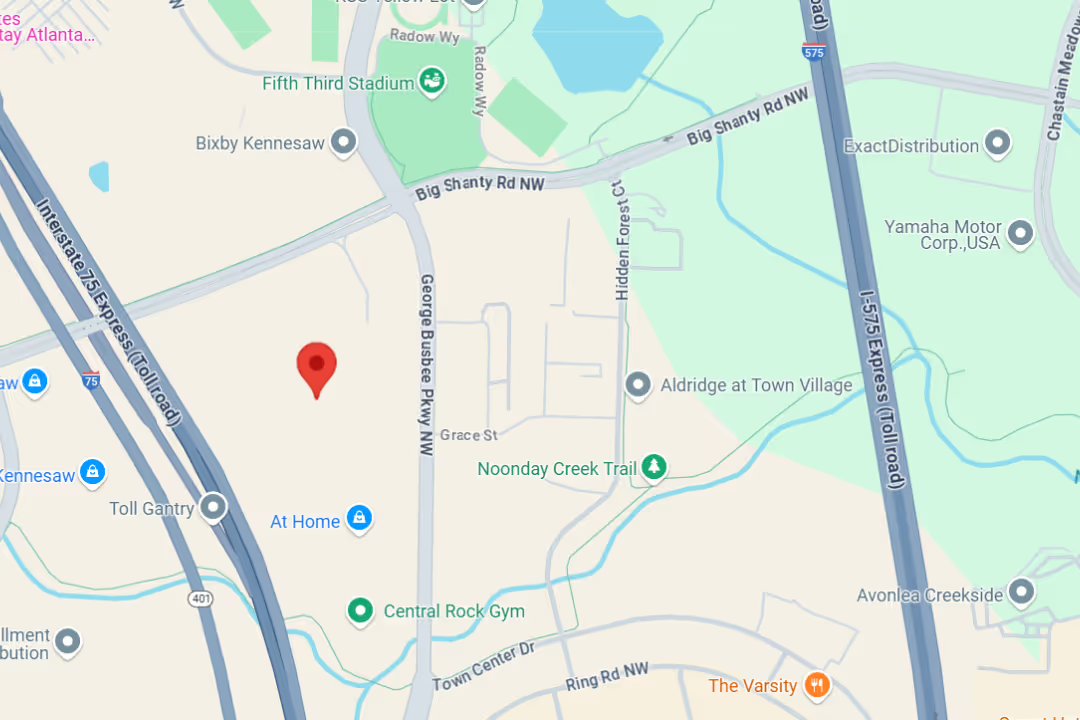
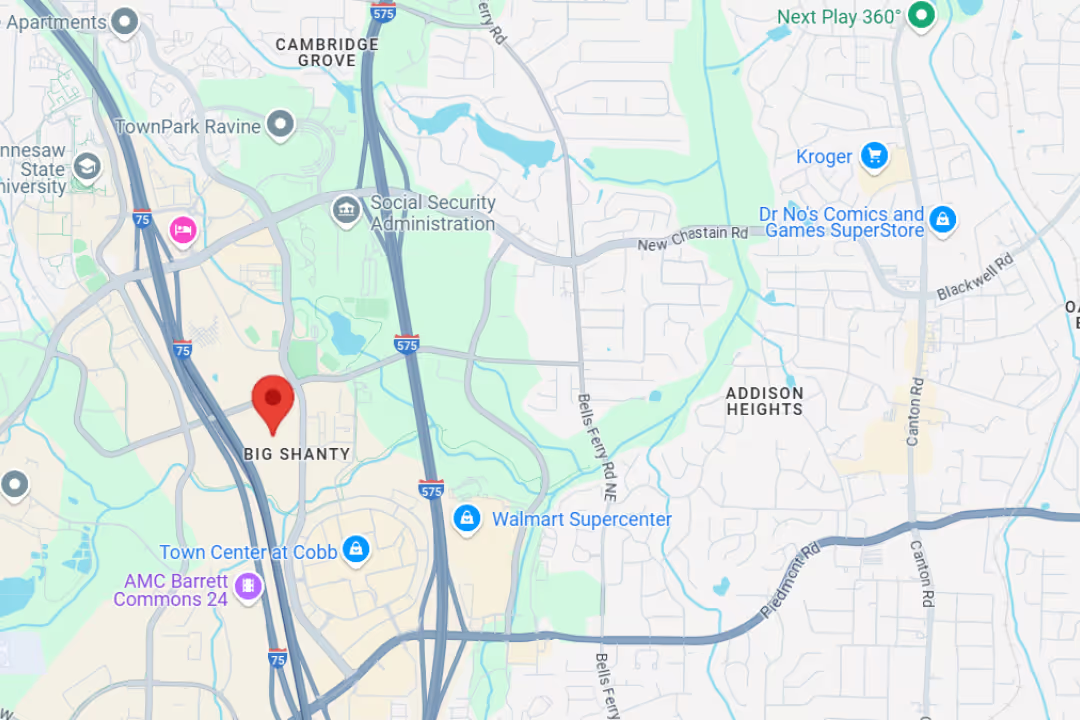
Medici Orthopaedics & Spine – Kennesaw Clinic
2911 George Busbee Parkway
Suite 50
Kennesaw, GA 30144
Phone: (770) 545-6404
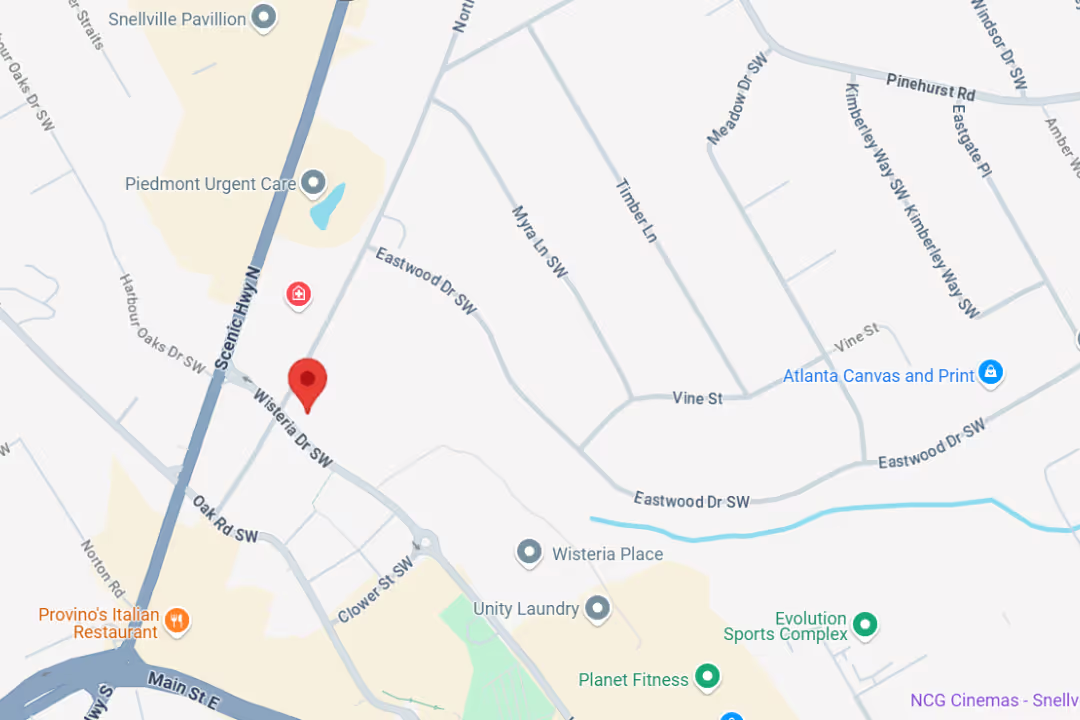
Medici Orthopaedics & Spine – Snellville Clinic
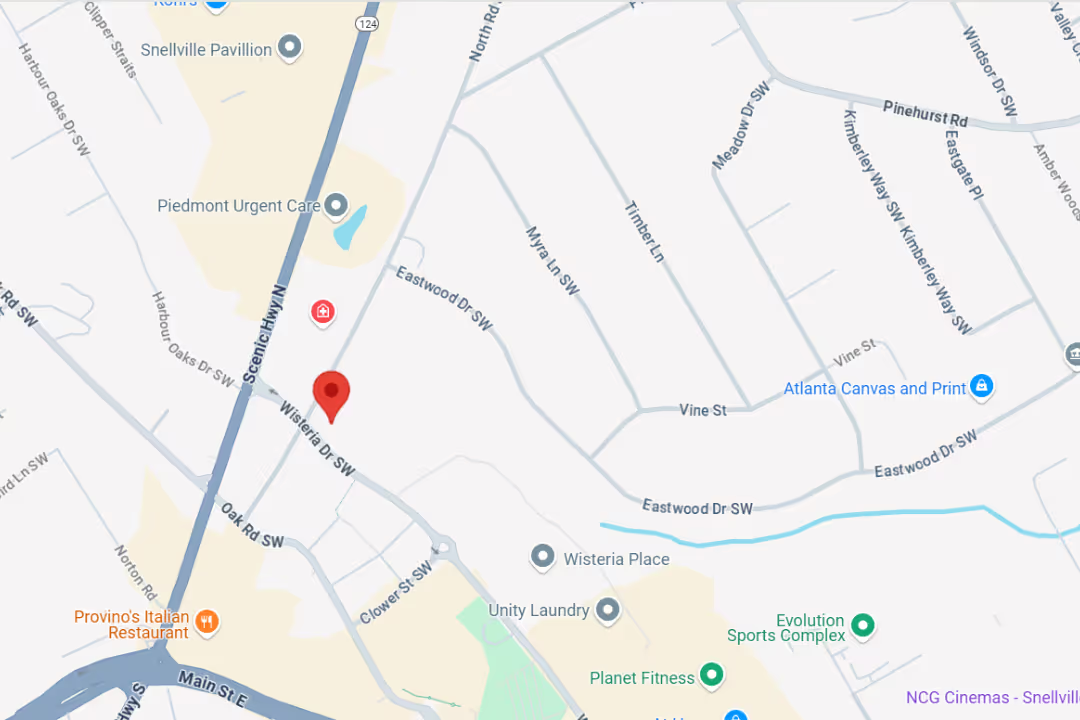
2220 Wisteria Drive
Unit 101
Snellville, GA 30078
Phone: (470) 645-9297
Medici Ambulatory Surgery Center – Snellville
2220 Wisteria Dr
Unit 100
Snellville, GA 30078
Phone: (470) 795-8398
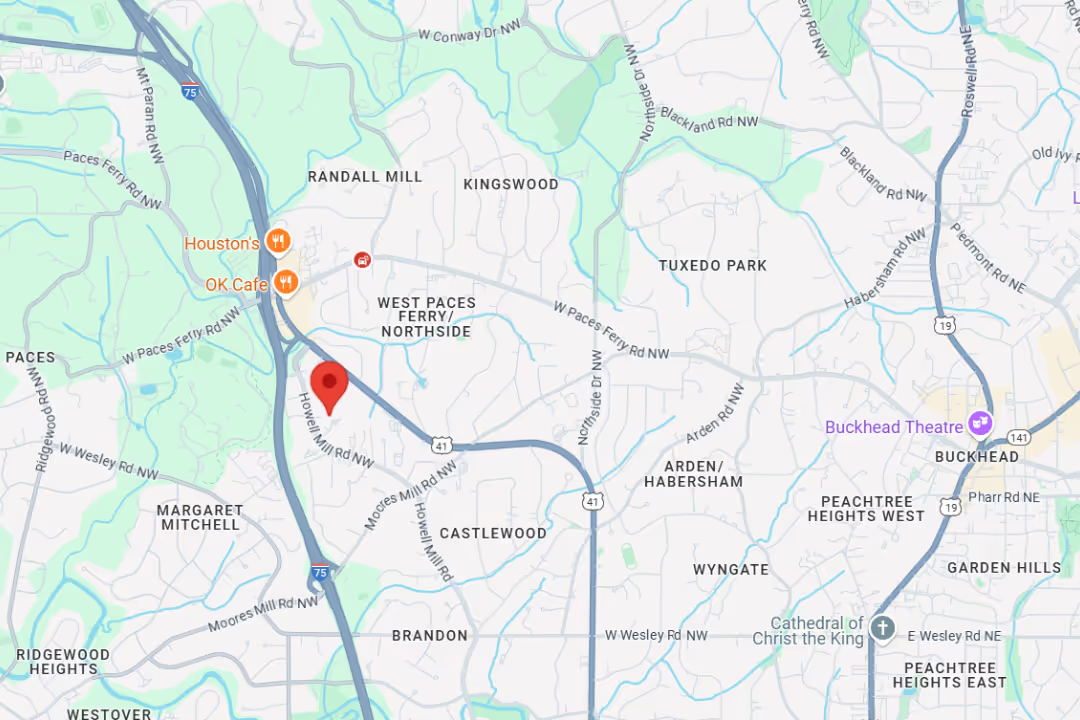
Medici PM&R – Buckhead
3200 Downwood Circle, NW
Suite 520
Atlanta, GA 30327
Phone: (770) 872-7549
Explore our library of patient support guides covering the conditions we treat, the treatments we offer, and the questions we hear most. Each one is written to help you understand your options and feel confident about your next step. Browse the topics below to learn more, or reach out to our team anytime.

At Medici, you’re more than your MRI.
We take time to hear your story, understand your pain, and create a plan that actually works for you.

Our team delivers specialist care at convenient locations across Metro Atlanta:
Get expert tips on injury recovery, pain relief, joint health, and movement strategies—straight from our Fellowship-Trained team.