Complex regional pain syndrome (CRPS) is a chronic, often debilitating pain condition that can develop after an injury, surgery, fracture, or nerve trauma. The original injury may seem minor compared to the level of pain that follows. Yet the burning, stabbing, or electric-like sensations that come with CRPS can feel overwhelming and out of proportion to what “should” be happening in the limb.
CRPS doesn’t just cause pain—it can change the way the affected area looks and feels. People often notice swelling, temperature changes, color changes, and extreme sensitivity to touch or cold. Even light contact from clothing, sheets, or water in the shower can trigger severe discomfort. Over time, these symptoms can interfere with sleep, work, daily tasks, and emotional well-being, leaving patients exhausted, frustrated, and unsure where to turn.
One of the hardest parts of CRPS is that it’s frequently misunderstood, misdiagnosed, or dismissed. Patients may be told that “nothing is wrong,” that it’s “all in their head,” or that they simply need more time to heal. In reality, CRPS is a real, complex condition that requires the attention of a specialist who understands its patterns and knows how to treat it.
At Medici Orthopaedics & Spine, we provide advanced evaluation and treatment for patients living with CRPS. As a Georgia-based leader in least-invasive, least drug-dependent pain management, our team focuses on restoring function, calming pain, and improving quality of life—using modern, multimodal strategies tailored to each patient’s unique situation.
At Medici Orthopaedics & Spine, your CRPS evaluation starts with a thorough conversation, not a rushed checklist. Your specialist will:
This history helps us understand not only what happened to your body, but also what you’ve already been through in your search for relief.
Next, your specialist performs a focused physical and neurological exam tailored to CRPS. This typically includes:
This exam gives us a clearer picture of how CRPS is affecting your body right now, beyond what can be seen in imaging alone.
CRPS is primarily a clinical diagnosis (based on symptoms and exam), but imaging and tests can help rule out other problems and support the diagnosis. When appropriate, your Medici specialist may order:
These tests aren’t used to dismiss your pain—they’re used to ensure we’re not missing any additional conditions that may need attention alongside CRPS.
Once the evaluation is complete, your specialist will sit down with you and explain the findings in clear, understandable language—not buried in medical jargon. You’ll have a chance to review:
Just as important, we provide reassurance that:
Medications can be helpful in CRPS, but we use them strategically and thoughtfully. At Medici Orthopaedics & Spine, targeted medication management may include:
Medications are always part of a larger, integrated plan, not the only approach.
Movement is crucial in CRPS, but it has to be approached gently and strategically. Working with therapists who understand CRPS, we focus on:
The goal is to retrain the nervous system and the body together, supporting both pain reduction and improved function.
For some CRPS patients, carefully selected interventional pain procedures can provide meaningful relief and help break tough pain cycles. These may include:
These procedures can:
Your Medici specialist will discuss whether these options are appropriate for your specific presentation.
When conservative and minimally invasive treatments are not enough, neuromodulation—particularly spinal cord stimulation (SCS)—may be considered for CRPS.
Spinal cord stimulation involves:
A key benefit of SCS is the trial process:
Spinal cord stimulation is reserved for carefully selected patients and used as part of a comprehensive plan, not as a first step.
For select CRPS patients, regenerative and supportive therapies may play a complementary role. Depending on your specific situation, options may include:
At Medici, these are never used in isolation for CRPS. Instead, they are integrated into broader treatment plans, always with clear discussion about potential benefits and realistic expectations.
In some complex pain cases, including select CRPS patients, hyperbaric oxygen therapy (HBOT) can be considered as a supportive therapy.
HBOT involves breathing concentrated oxygen in a pressurized chamber, which can:
At Medici Orthopaedics & Spine, HBOT is used as a complementary tool within a broader CRPS management plan, not as a stand-alone cure. Your specialist will discuss whether HBOT has a potential role in your case based on your symptoms, goals, and overall health.
Living with complex regional pain syndrome can feel isolating, confusing, and overwhelming—but you need to know this: your pain is real, and you do not have to face it alone. CRPS is a complex condition, but with the right specialist, there is a path forward that focuses on understanding your symptoms, validating your experience, and building a plan that truly supports you.
At Medici Orthopaedics & Spine, we are a trusted choice for patients across Georgia seeking a complex regional pain syndrome specialist and advanced, least-invasive, least drug-dependent care. Our team combines medical expertise with genuine compassion, using a multimodal approach to target pain, protect function, and improve your quality of life—not just today, but long term.
If you’re experiencing burning pain, swelling, color or temperature changes, or sensitivity that just doesn’t make sense—and especially if you’ve been told “nothing is wrong”—it may be time to get a second look from a team that understands CRPS.
📍 Locations:
Marietta Ambulatory Surgery Center
792 Church Street, Unit 101
Marietta, GA 30060
(470) 795-8398
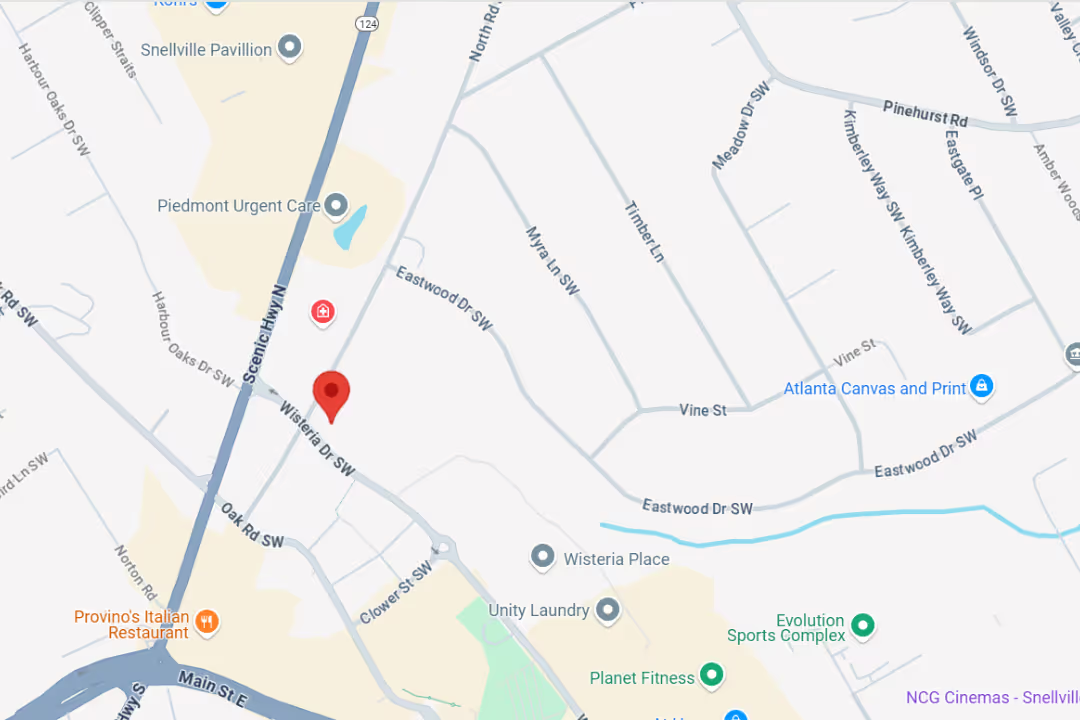
Snellville Ambulatory Surgery Center
2220 Wisteria Dr, Unit 100
Snellville, GA 30078
(470) 795-8398
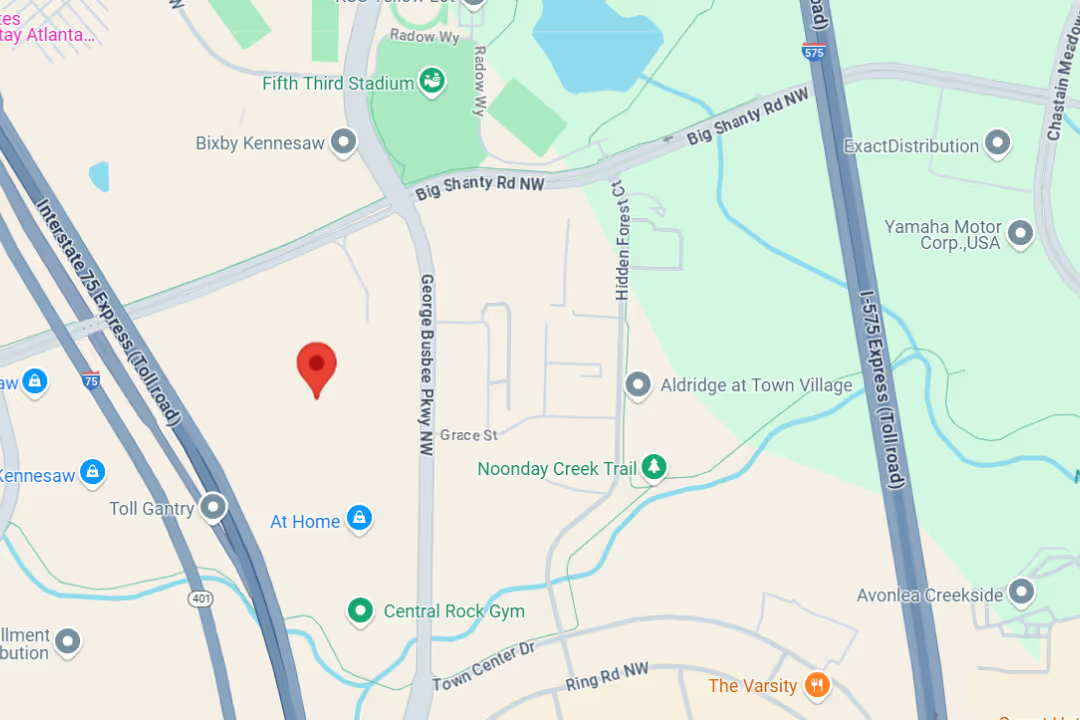
Kennesaw Clinic
2911 George Busbee Parkway, Suite 50
Kennesaw, GA 30144
(770) 545-6404
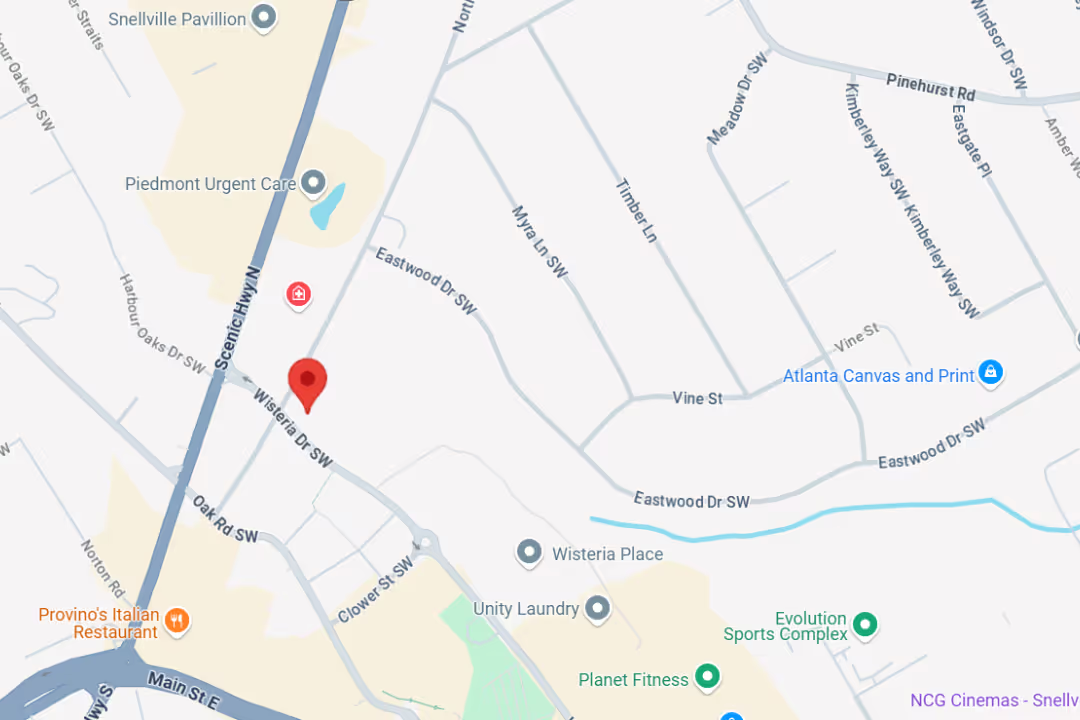
Snellville Clinic
2220 Wisteria Drive, Unit 101
Snellville, GA 30078
(470) 645-9297
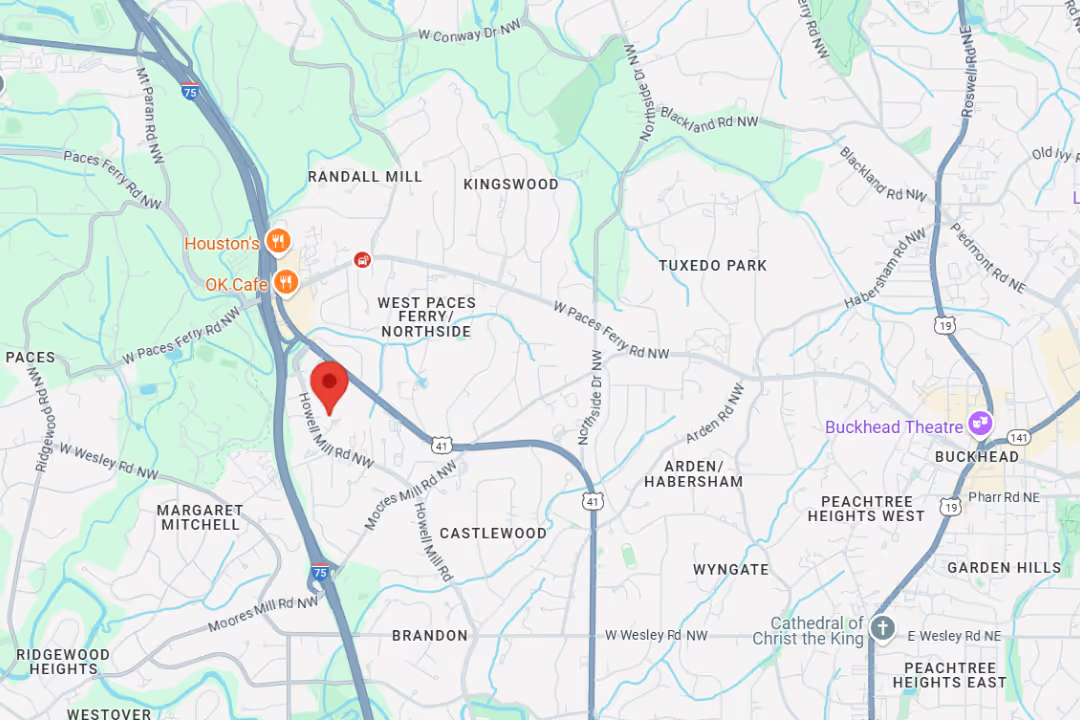
Buckhead PM&R
3200 Downwood Circle, NW, Suite 520
Atlanta, GA 30327
(770) 872-7549
📞 Main Contact: +1-844-328-4624
🌐 Website: https://www.mediciortho.com/
At Medici, you’re more than your MRI.
We take time to hear your story, understand your pain, and create a plan that actually works for you.

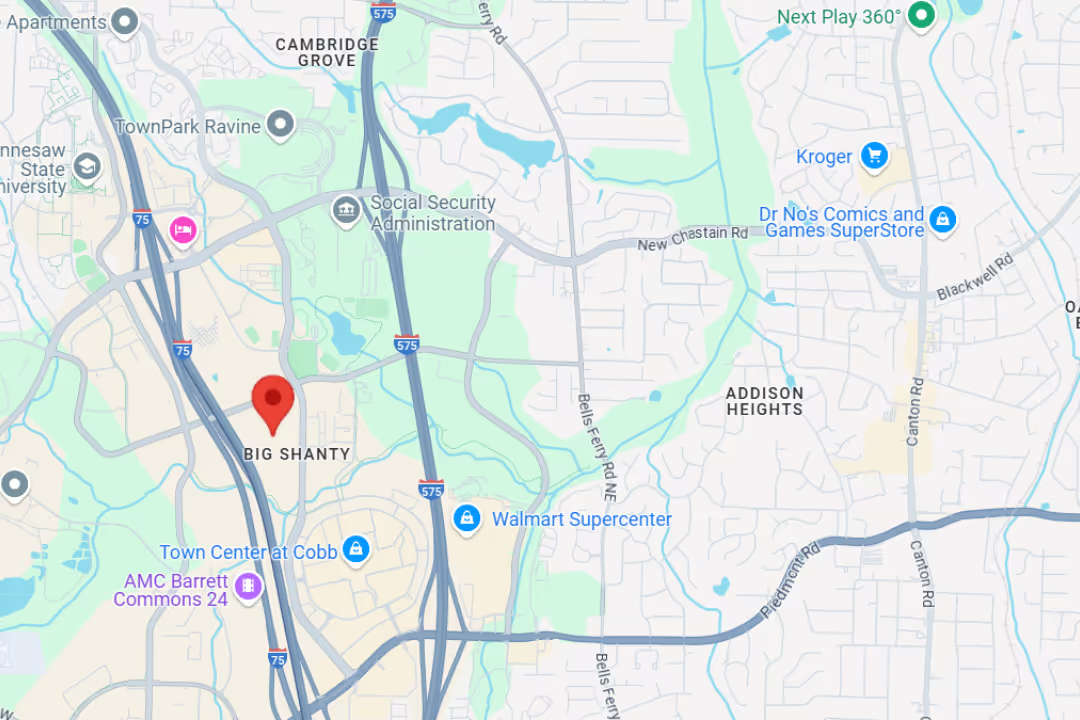
Our team delivers specialist care at convenient locations across Metro Atlanta:
Get expert tips on injury recovery, pain relief, joint health, and movement strategies—straight from our Fellowship-Trained team.