Most people have a high tolerance for knee pain. They ice it, take some ibuprofen, and keep moving — convinced it will sort itself out with a little rest and time. And sometimes it does. A minor strain after a long hike or a bit of soreness following a new workout routine can be perfectly normal. But a lot of knee pain is not that simple, and the instinct to push through it quietly can cost you more than you bargained for.
The knee is one of the most used joints in the body. It absorbs stress with every step, adapts to uneven surfaces, powers you up stairs, and takes the brunt of athletic demands most people don't think twice about — until something goes wrong. When knee pain shows up and sticks around, it is rarely a coincidence. It is a signal. The question is whether you are paying attention to it.
Osteoarthritis is the most common form of knee arthritis and develops as the protective cartilage covering the joint surfaces gradually wears down. It tends to produce deep, aching pain, stiffness after sitting or sleeping, and a grinding or crunching sensation with movement. It is not just an older person's condition; active individuals and people with prior knee injuries can develop it earlier than expected.
The menisci are vulnerable to both sudden injury and gradual wear. A twisting motion during sports can tear one acutely. In older adults, the cartilage can become brittle enough that an ordinary movement, like rising from a chair, causes a tear. Symptoms often include joint-line tenderness, swelling, and a catching or locking sensation in the knee.
Ligament injuries range from mild sprains to complete tears, and the ACL is among the most commonly injured structures in the knee. These injuries typically happen during quick changes of direction, sudden stops, or direct impact. Pain, instability, and significant swelling are common signs.
Both are overuse conditions that develop gradually. Patellar tendinitis produces pain just below the kneecap and is common in jumping athletes. Runner's knee (patellofemoral pain syndrome) causes pain around or behind the kneecap and tends to worsen with stairs, squatting, or prolonged sitting.
When the bursae become irritated or inflamed, often from repetitive kneeling, direct pressure, or overuse, the knee can become visibly swollen and tender. Prepatellar bursitis (sometimes called housemaid's knee) is among the more common presentations.
Not all knee pain originates in the knee. Problems in the hip or lumbar spine can cause pain that travels into the knee along nerve pathways. This is one reason why a proper evaluation by an orthopedic specialist matters so much; treating the knee when the source is elsewhere will not get you far.
Rest and over-the-counter care have their place, but they are not the answer for every knee problem. These are the signs that it is time to see an orthopedic surgeon knee specialist rather than waiting for things to improve on their own.
One of the biggest reasons people delay seeing a specialist is fear of what might come next. Many patients assume that walking into an orthopedic surgeon's office means surgery is being planned before they've even sat down. That is not how it works at a practice like Medici.
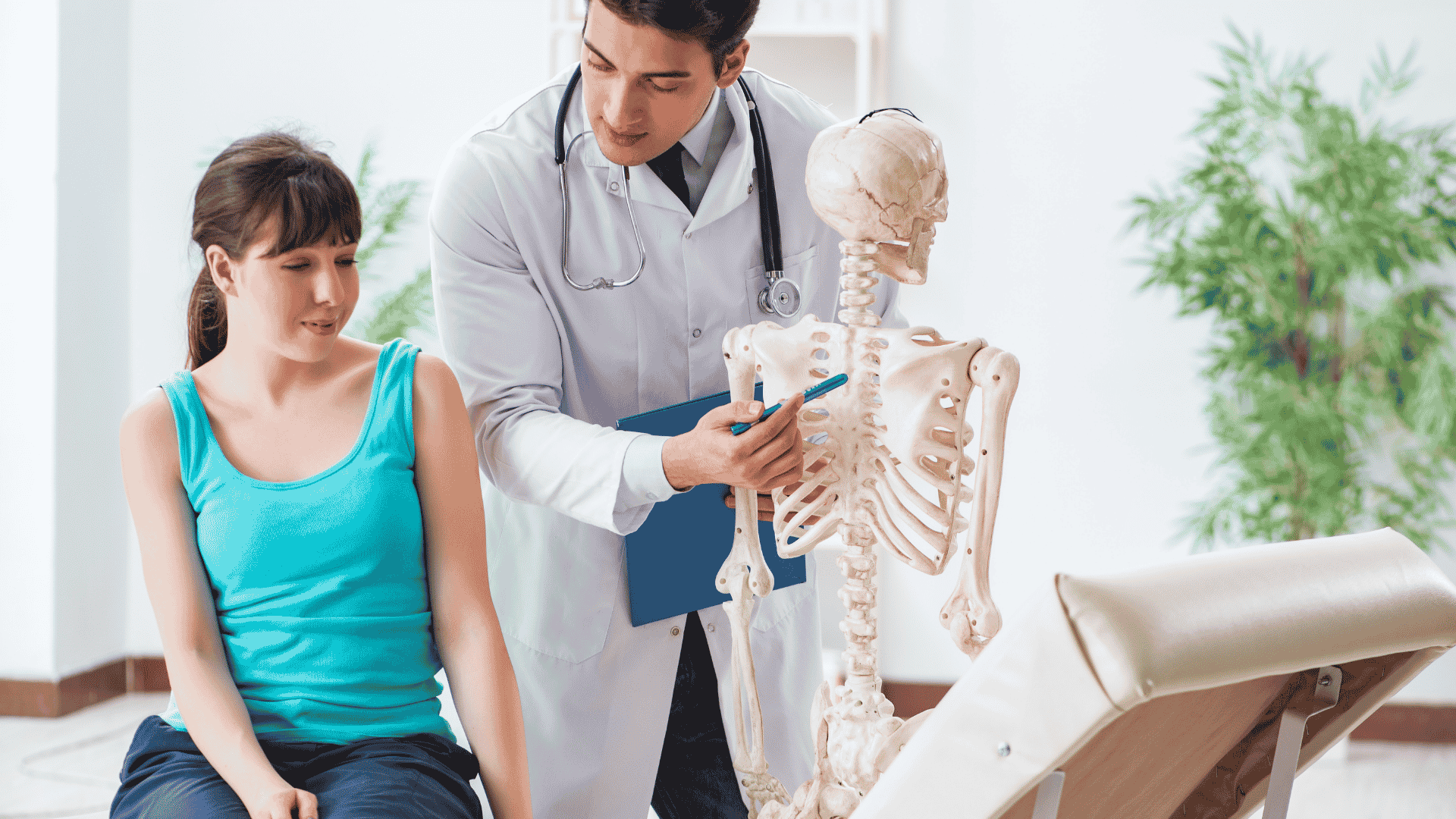
Your first appointment is an evaluation. The provider will take a thorough history of your symptoms, ask about the onset of pain, aggravating and relieving factors, and how the knee has affected your daily function. A hands-on physical examination follows, assessing range of motion, joint stability, areas of tenderness, and how the knee responds under specific stress tests.
Imaging, such as X-rays or an MRI, may be ordered to get a clearer picture of the joint structures. X-rays show bone alignment and signs of arthritis, while MRI provides detail on soft tissue, cartilage, and ligament integrity.
From there, the conversation turns to options, not a single prescribed path. Getting evaluated simply means understanding what is going on so you and your provider can make an informed decision together about where to go from here.
Physical therapy is often a foundational part of knee care. Strengthening the muscles around the knee, particularly the quadriceps and hamstrings, reduces the load on the joint and can significantly improve pain and function. Activity modification helps protect the knee while healing takes place or while longer-term strategies are implemented.
Several injection-based treatments can provide meaningful relief for knee conditions:
For patients looking to avoid or delay more invasive procedures, regenerative medicine offers options that go beyond symptom management and target the underlying tissue. PRP, stem cell therapy, and prolotherapy are all available at Medici and may be appropriate depending on the diagnosis and severity of the condition.
When structural problems require intervention, minimally invasive approaches are prioritized. These procedures involve far less tissue disruption than open surgery, shorter recovery times, and lower risk, making them preferable wherever clinically appropriate.
Knee replacement near me is one of the most-searched terms for people living with severe, end-stage arthritis who have exhausted other options. Total and partial knee replacement surgery can restore function and significantly reduce pain when the joint has deteriorated beyond what conservative care can address.
Knee pain has a way of becoming background noise. People adapt around it, modify their routines, skip the activities they used to love, and tell themselves it could be worse. But functioning below capacity is not the same as functioning well, and a life organized around managing pain is a smaller life than it needs to be.
The signal your knee has been sending is worth listening to. Whether you are dealing with something that developed gradually over years or an injury that changed things suddenly, an evaluation gives you clarity. It tells you what you are actually working with, what your options are, and what recovery could realistically look like for you.
If your knee pain has been lingering, limiting, or getting worse, the team at Medici Orthopaedics & Spine is ready to help you understand what is going on and what can be done about it. From comprehensive evaluation to a full spectrum of knee pain treatment options, including regenerative medicine, minimally invasive procedures, and knee replacement when it is truly the right choice, care is built around your specific situation.
Schedule an evaluation at one of Medici's Georgia locations and take the first step toward moving without pain again.
📞 +1-844-328-4624
At Medici, you’re more than your MRI.
We take time to hear your story, understand your pain, and create a plan that actually works for you.

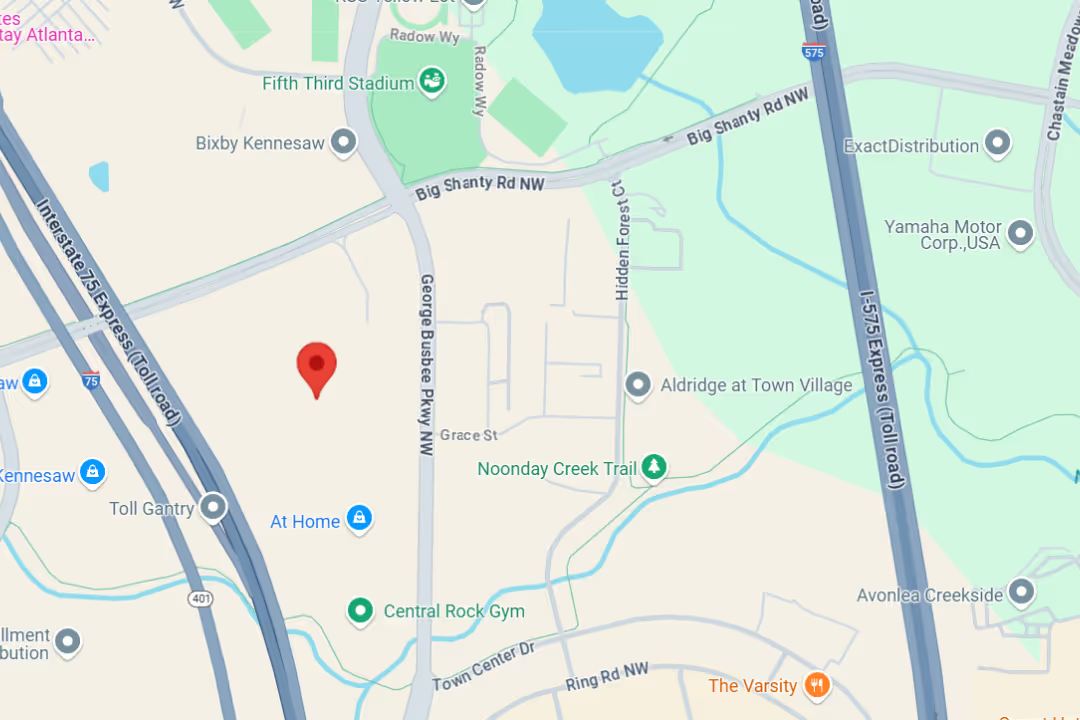
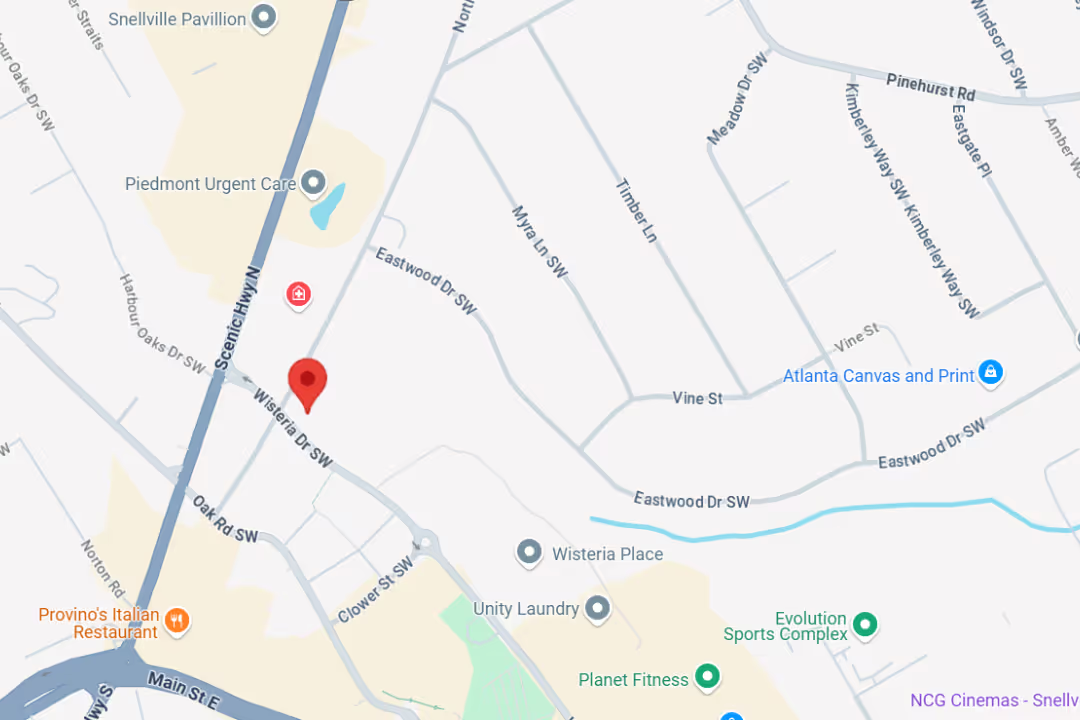
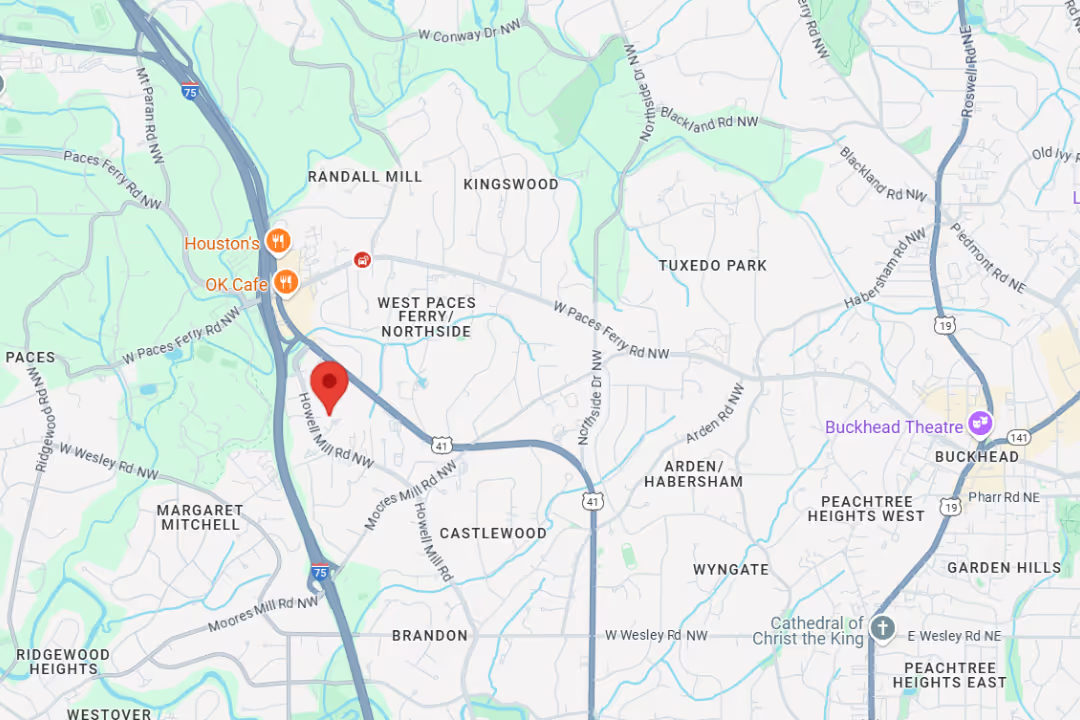
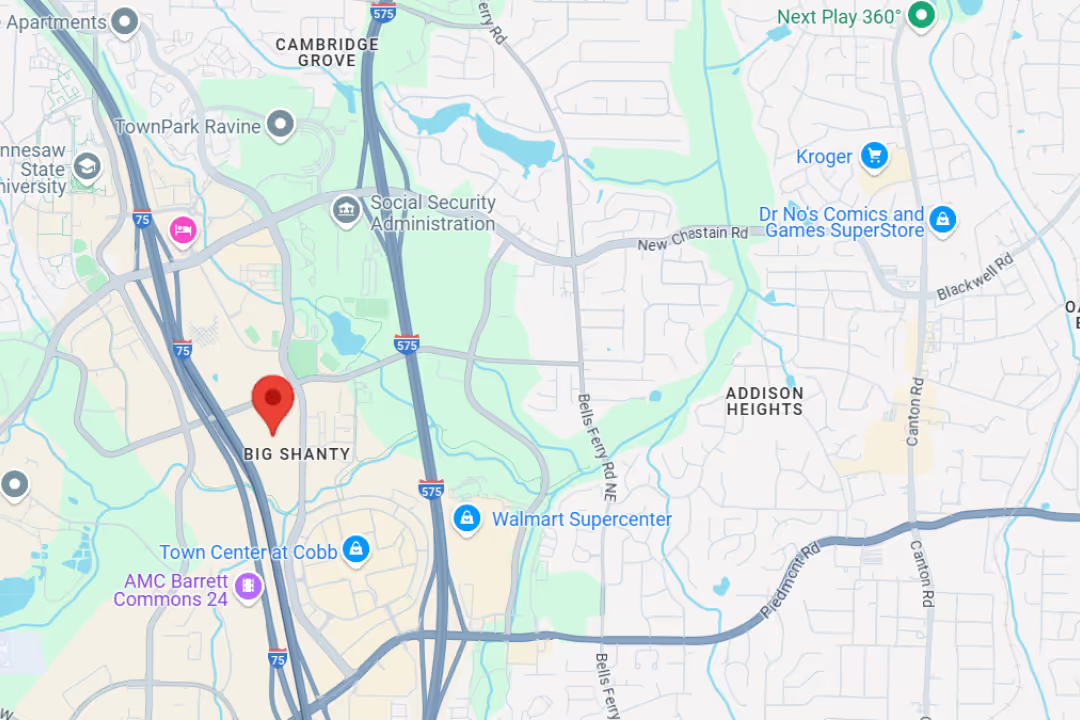
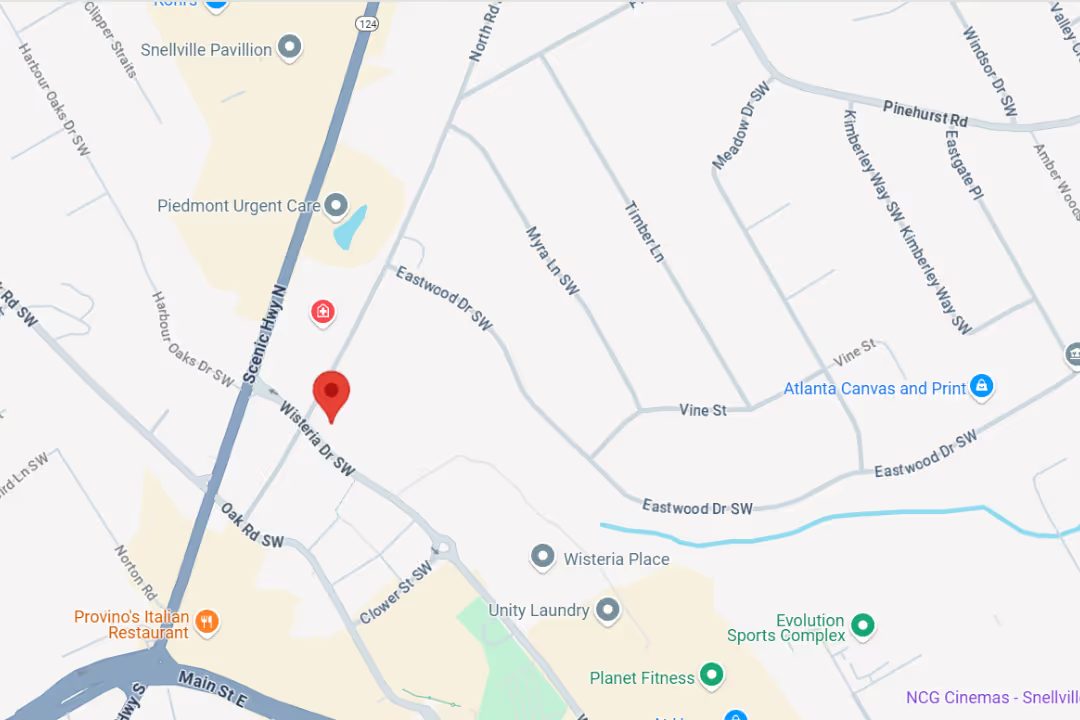
Our team delivers specialist care at convenient locations across Metro Atlanta:
Get expert tips on injury recovery, pain relief, joint health, and movement strategies—straight from our Fellowship-Trained team.