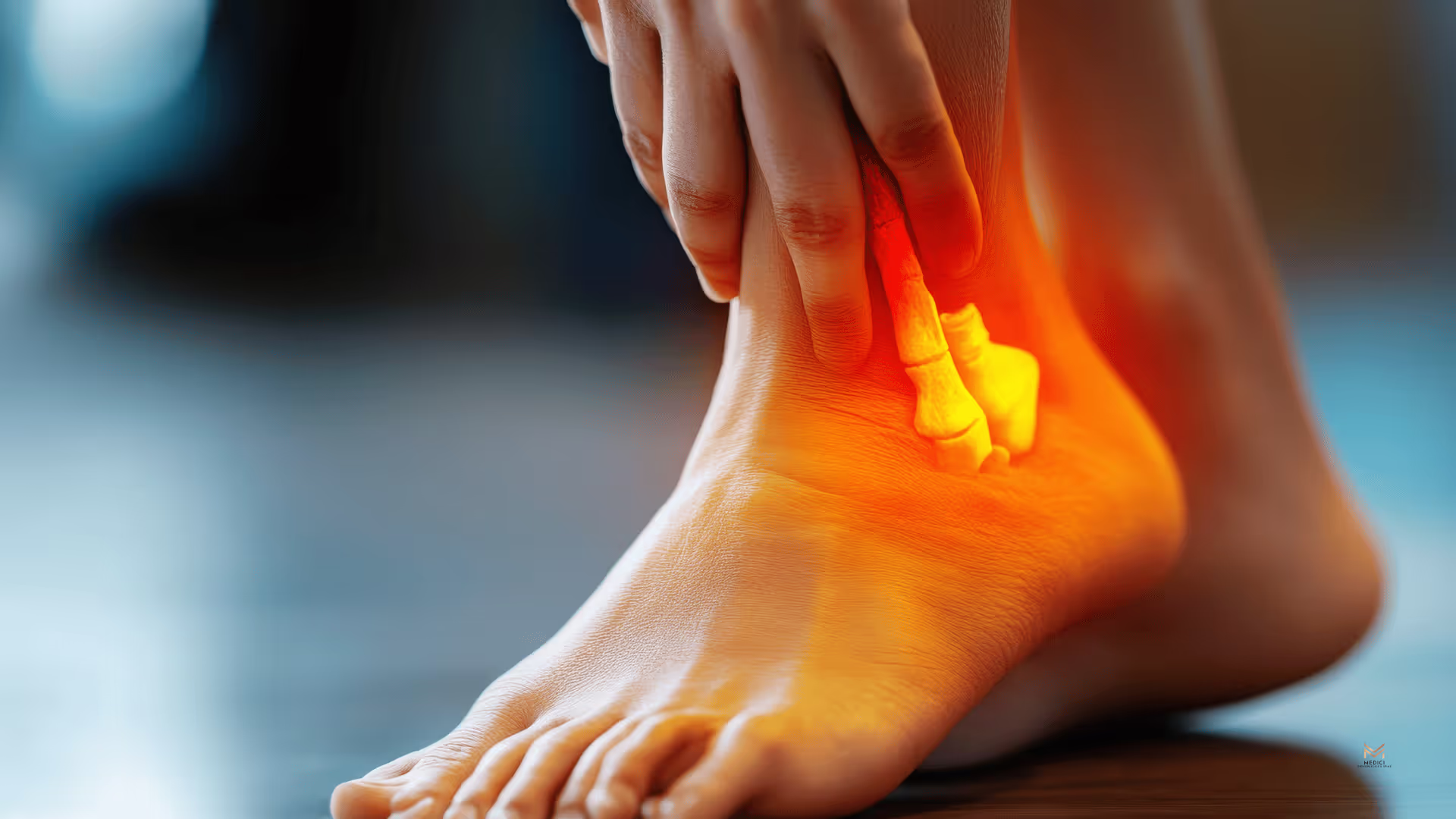
Even in Georgia, winter has a way of making your joints feel… louder. Maybe it’s the first cold morning where your knees creak getting out of bed, or your hands feel stiff gripping the steering wheel. You’re not imagining it—cooler weather can make joints feel stiffer, achier, and less cooperative, even when the temperature doesn’t drop as dramatically as it does up north.
The good news is there are practical, proven ways to stay more comfortable this season—and if your symptoms are escalating, there are also least-invasive options to help you get ahead of the pain before it steals more of your mobility.
#1 Keep Your Joints Warm and Moving
Try these practical strategies
- Dress in layers
- Start with a breathable base layer and add warmth where you tend to ache (knees, shoulders, low back)
- Consider warm socks and supportive shoes—cold feet can change how you walk and stress your knees/hips
- Use compression sleeves (when appropriate)
- Compression can help some people feel more supported and “stable,” especially in knees, elbows, or ankles
- It may also help reduce swelling for certain conditions, but it shouldn’t cause numbness or discoloration
- Take gentle movement breaks to reduce stiffness
- A few minutes of easy movement can prevent that “locked up” feeling
- Examples: slow marching in place, heel-toe rocking, gentle knee bends, shoulder rolls, light stretching
- Avoid long “still” periods
- Sitting too long lets joints tighten and muscles shorten—especially hips, hamstrings, and the low back
- A simple rule: change position regularly (stand, walk, stretch) before stiffness builds momentum
#2 Prioritize Daily Mobility and Low-Impact Exercise
Why movement helps so much
- Improves circulation, bringing nutrients to tissues
- Reduces stiffness by keeping joints moving through range
- Builds stability, so joints aren’t doing all the work alone
- Supports long-term comfort, not just short-term relief
Joint-friendly activities to consider
- Walking
- Great for circulation and gentle joint loading
- Even 10–15 minutes can reduce stiffness
- Cycling (stationary or outdoor)
- Lower impact than running and often easier on knees and hips
- Helps maintain leg strength and mobility
- Swimming or water therapy (if available)
- Water supports body weight and reduces joint stress
- Excellent for arthritis flare-ups and full-body movement
- Light strength training
- Strong muscles protect joints
- Focus on controlled, pain-free ranges (glutes, core, quads, upper back)
- Yoga or mobility work
- Helps stiffness, balance, breathing, and body awareness
- Choose gentle classes and avoid aggressive stretching during flares
How to modify movement during flare-ups
- Pace it
- Do a little consistently rather than “all at once”
- Avoid the boom-and-bust cycle (overdo it on a good day, pay for it later)
- Shorter sessions, more often
- Two 10-minute sessions can be better than one 20-minute session during a flare
- Build in rest intervals
- Move, rest, then move again—especially for knees, hips, and low back discomfort
#3 Use Heat Therapy the Right Way
What to use
- Heat packs
- Warm showers or baths
- Heating pads
When heat helps most
- Stiffness, especially first thing in the morning
- Tight muscles around painful joints (neck, shoulders, low back, hips)
- Before activity to help you move more comfortably
Safety tips to prevent irritation or burns
- Time limits
- Use heat in short intervals (often 15–20 minutes at a time is plenty)
- Protect your skin
- Place a cloth barrier between heat source and skin
- Avoid falling asleep with a heating pad on
- Avoid heat on acute swelling
- If a joint is newly swollen, hot, or inflamed after activity, cold may be more appropriate for short periods
- Heat is usually better for stiffness; cold is often better for acute inflammation
#4 Reduce Inflammation Through Smart Habits
Sleep quality and pain sensitivity go together
When sleep is poor, the nervous system becomes more reactive. That means discomfort can feel sharper, stiffness can feel heavier, and flare-ups can last longer. If joint pain wakes you up, it becomes a cycle—pain disrupts sleep, and poor sleep amplifies pain.
Simple sleep supports:
- Keep a consistent sleep/wake schedule
- Use heat (briefly) before bed for stiffness
- Support joints with a pillow between the knees (side sleepers) or under knees (back sleepers)
Hydration and tissue health
Dehydration can increase muscle tightness and make joints feel less “lubricated.” In colder weather, many people drink less water without realizing it.
Nutrition basics that support joint comfort
You don’t need an extreme diet to help your joints—just a few consistent choices.
- Emphasize whole foods
- Lean proteins, vegetables, fruits, beans, whole grains
- These provide building blocks for tissue repair and help stabilize energy
- Choose omega-3 sources
- Fatty fish (salmon, sardines), walnuts, chia/flax seeds
- Omega-3s are commonly associated with supporting a healthier inflammatory balance
- Limit excess sugar and ultra-processed foods
- These can contribute to inflammation, fluid retention, and energy crashes
- Even modest reductions (especially in sodas, sweets, processed snacks) can help some patients feel less achy
#5 Support Your Body With Targeted Therapies
Physical therapy for joint stability and movement mechanics
Physical therapy can be one of the most effective tools for winter joint pain because it:
- Improves strength in the muscles that protect joints (hips, knees, core, shoulders)
- Corrects movement patterns that keep joints irritated
- Builds stability so daily activity feels less taxing
Myofascial release and soft tissue therapy
When muscles and fascia tighten in cold weather, joints often feel worse—even if the joint itself isn’t the main issue.
Soft tissue therapy may help by:
- Reducing stiffness and trigger points
- Improving mobility so joints move more freely
- Decreasing the “guarding” pattern that makes pain linger
Massage and recovery strategies (especially neck/back/hips)
Massage and recovery work can support circulation, reduce tension, and improve comfort—especially for:
- Neck and shoulder tightness from stress or posture
- Hip and low back tightness from prolonged sitting
- Stiffness that limits walking and workouts
When interventional treatments may help
For some patients, especially those with arthritis flare-ups or radiating pain, minimally invasive options can reduce inflammation and create a window to move better.
- Targeted joint or spine injections
- May reduce inflammation and pain in specific joints or spinal structures
- Often used to support rehab and daily function, not replace them
- Interventional spine treatments for radiating pain
- When symptoms include sciatica-like pain, tingling, or burning down the leg
- Can help calm irritated nerve pathways so you can return to movement safely
#6 Know When It’s Time to Get Evaluated
Red flags that shouldn’t be ignored
- Pain lasting more than a few weeks despite rest and basic care
- Increasing pain or loss of mobility (more stiffness, less range of motion, declining function)
- Pain that interrupts sleep regularly or keeps worsening at night
- Numbness, tingling, or weakness (possible nerve involvement)
- New swelling, warmth, or joint instability (especially if it feels like it may “give out”)
Why early diagnosis prevents longer downtime
When pain lingers, your body often compensates—changing the way you walk, sit, or lift. Those compensations can cause secondary pain in the hips, back, knees, or shoulders and extend the recovery timeline.
Benefits of a least-invasive plan built around the true pain generator
A thorough evaluation can pinpoint whether your pain is coming from:
- Arthritis and joint inflammation
- Soft tissue tightness or tendon irritation
- Spine-related issues (including nerve irritation)
- Old injuries that need stabilization and targeted rehab
Stay Active, Stay Comfortable, Stay Ahead of Pain
If your joints feel stiffer and more achy when the temperature drops, you’re not alone. Winter flare-ups are common—and in many cases, they’re also manageable. The key is remembering that comfort usually isn’t one big change; it’s the result of small, consistent habits (warmth, movement, mobility, sleep, hydration) paired with the right treatment plan when symptoms persist.
If winter joint pain is slowing you down, the team at Medici Orthopaedics & Spine is here to help. We’ll identify what’s driving your pain and create a personalized, minimally invasive plan to help you move comfortably and stay active this season.
Contact Medici Orthopaedics & Spine
📞 Main Appointment Line: 1-844-328-4624
🌐 Website: https://www.mediciortho.com
Clinics
- Kennesaw:
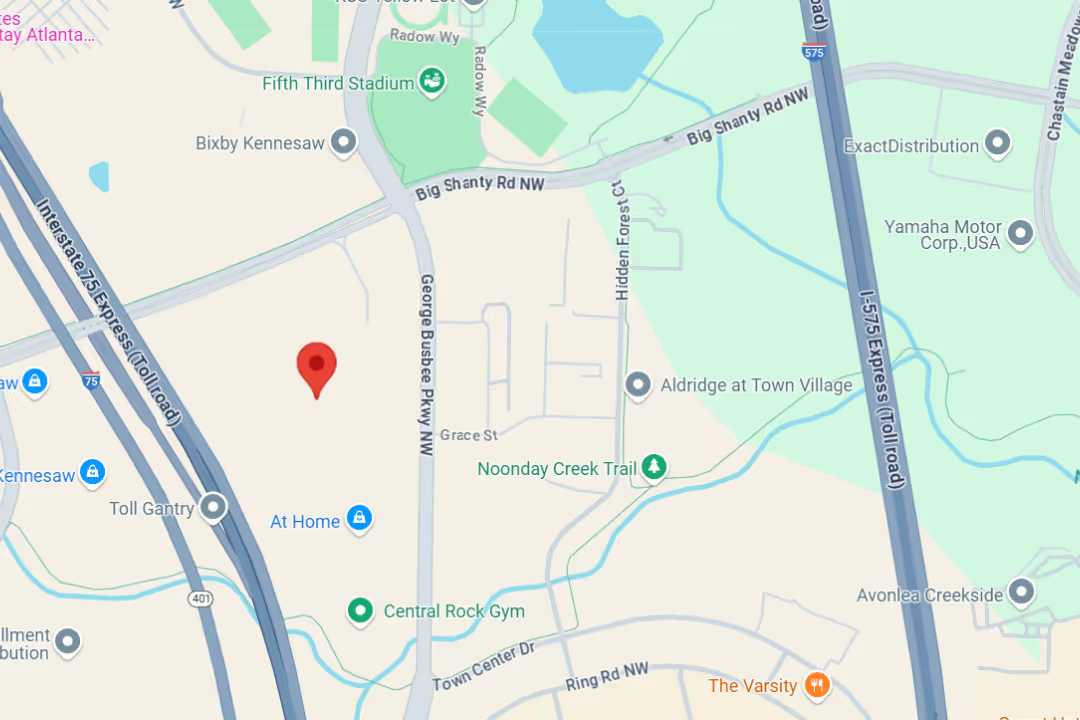
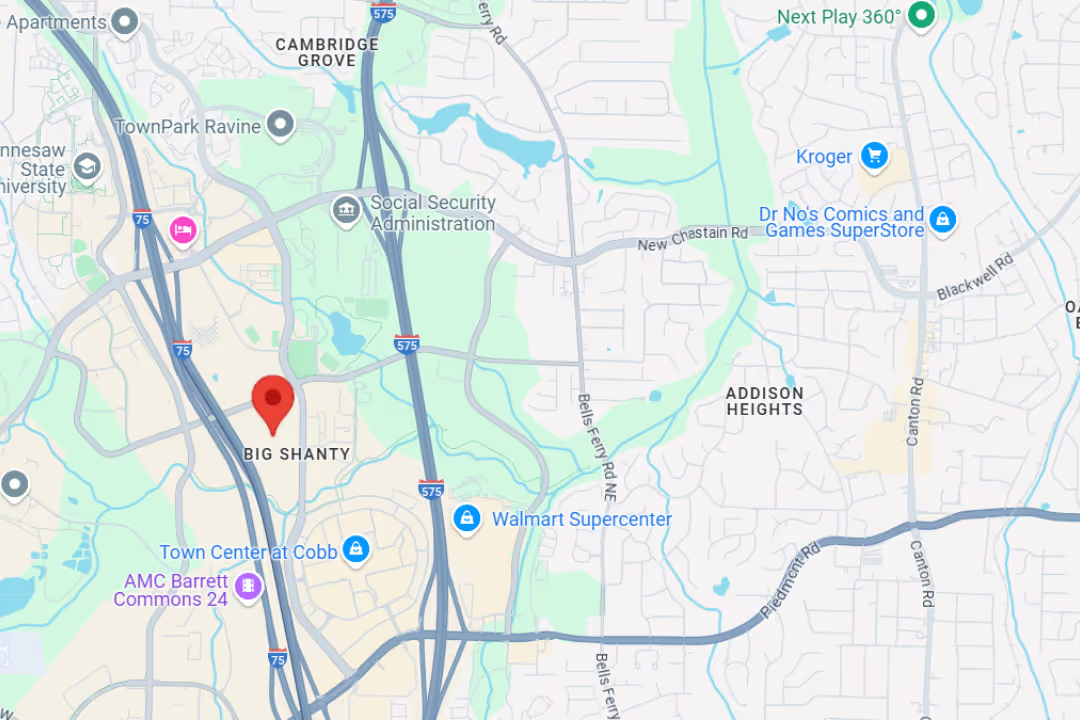
2911 George Busbee Parkway, Suite 50, Kennesaw, GA 30144
(770) 545-6404 - Snellville:
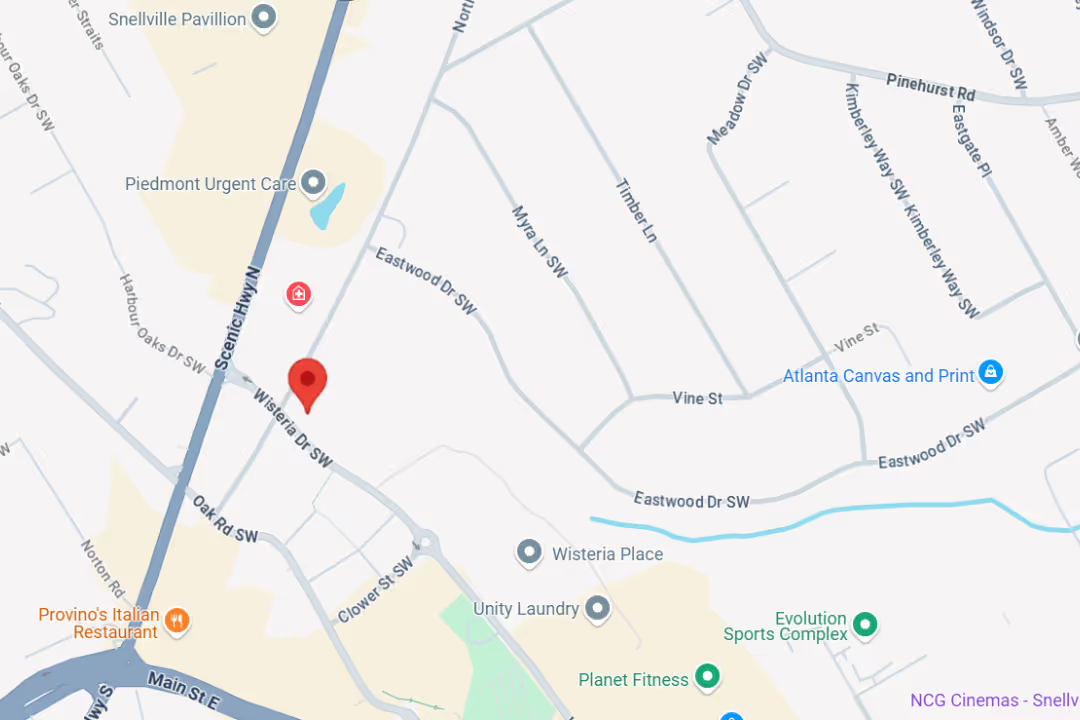
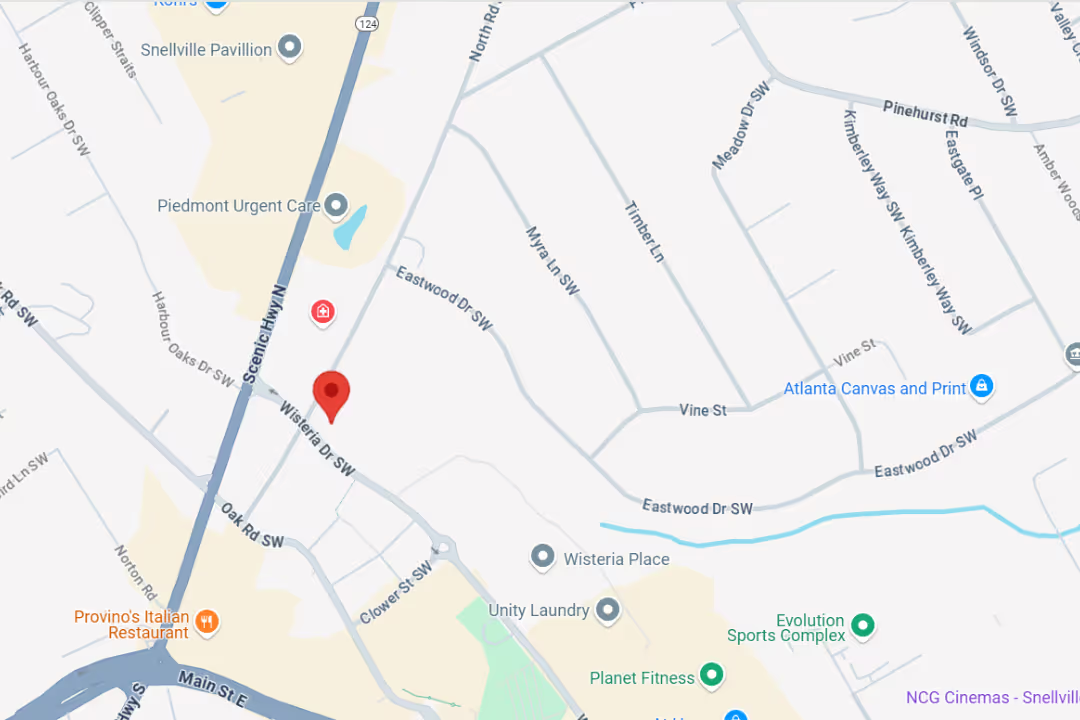
2220 Wisteria Drive, Unit 101, Snellville, GA 30078
(470) 645-9297 - Buckhead PM&R:
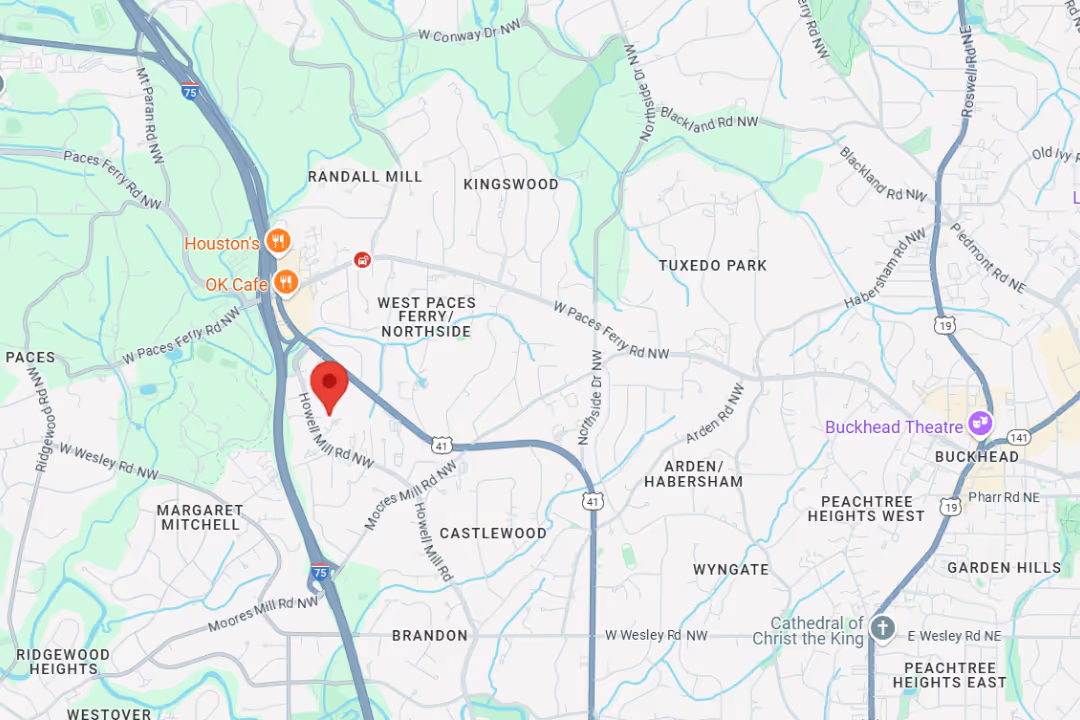
3200 Downwood Circle NW, Suite 520, Atlanta, GA 30327
(770) 872-7549