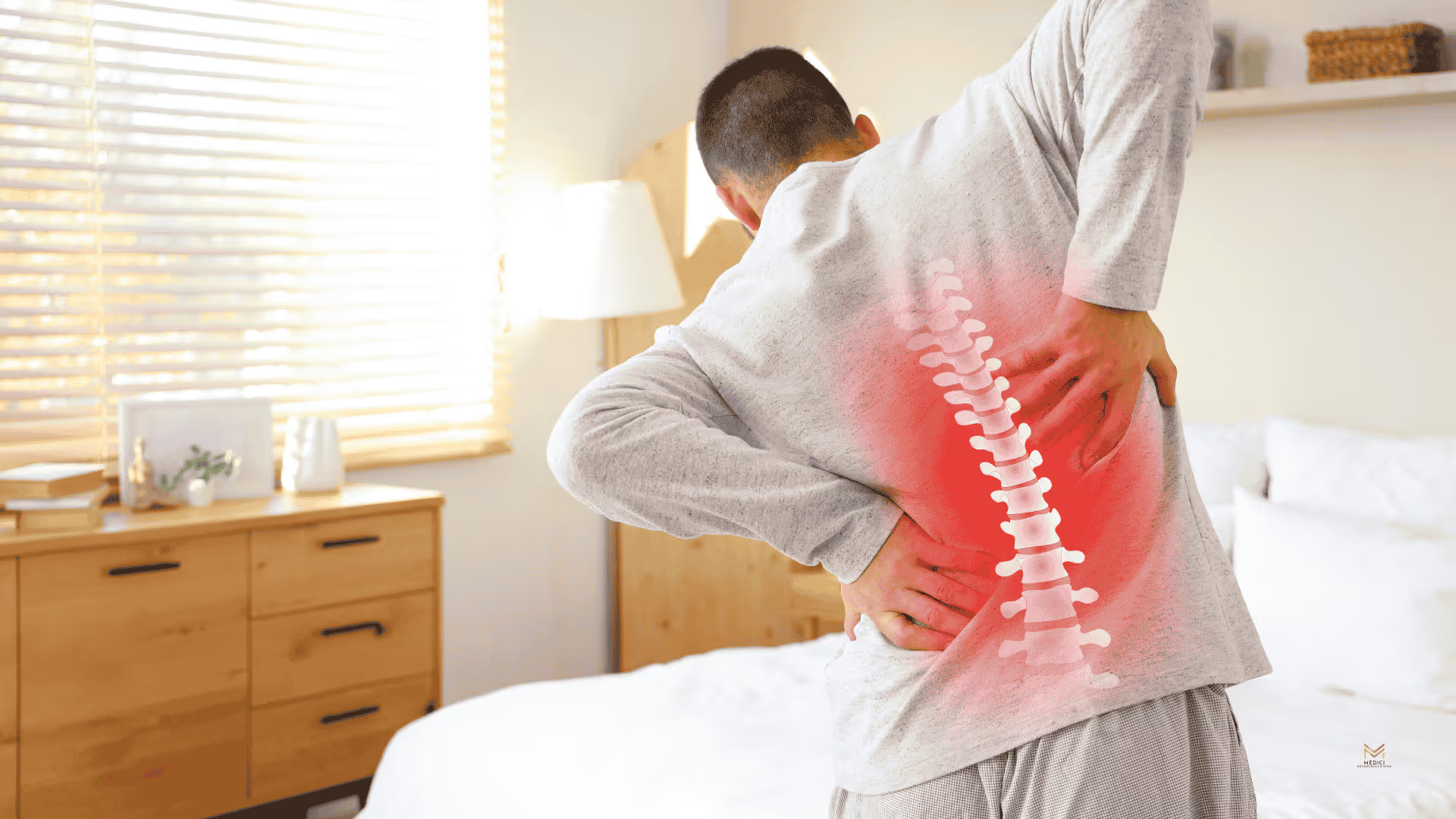
When your lower back starts hurting, the most natural reaction is to stop moving and rest. It feels logical—if something hurts, giving it time to “heal” by avoiding activity seems like the safest choice. Many people instinctively lie down, sit more, or avoid movement altogether in hopes that the pain will simply go away.
There’s also a very real fear that movement might make things worse. Patients often worry that bending, walking, or exercising could cause further injury or prolong their discomfort. That fear can lead to days—or even weeks—of reduced activity.
On top of that, many people have been told at some point to “just rest your back.” Whether it came from outdated advice, well-meaning friends, or even older medical recommendations, the idea that rest is the best solution has become deeply ingrained. But in many cases, especially with ongoing or recurring back pain, too much rest may actually be working against your recovery—not helping it.
The recommendation to rest your back didn’t come out of nowhere. Historically, extended rest was commonly prescribed for back pain, especially in cases of acute injury. At the time, it was believed that limiting movement would prevent further damage and allow the body to heal.
There are situations where rest makes sense:
In these cases, short-term rest can help calm symptoms and prevent aggravation.
It’s important to understand that rest isn’t inherently bad—it’s just often overused or misapplied. Brief periods of rest (typically 24–48 hours) may be helpful when:
However, this rest should be temporary and strategic, not prolonged.
The problem arises when short-term advice becomes long-term behavior. What was once meant for acute injuries has been widely applied to nearly all types of back pain—including chronic conditions that actually require movement to improve.
As a result:
Modern spine care has evolved significantly, and we now understand that movement—when done correctly—is one of the most powerful tools for healing the lower back.
When you stop using your muscles, they begin to weaken faster than most people realize.
As this support system weakens, the spine is forced to تحمل more stress on its own—often leading to increased pain and a higher risk of reinjury.
Movement keeps joints healthy and flexible. Without it:
This stiffness doesn’t just feel uncomfortable—it can actually worsen pain and limit your ability to return to normal activities.
Healing requires proper blood flow. Movement plays a key role in that process.
When you remain inactive for too long, this natural healing process slows down, delaying recovery.
Pain isn’t just about the body—it’s also about how the nervous system processes signals.
This can create a frustrating cycle where avoiding movement actually makes pain feel worse.
The effects of too much rest aren’t just physical—they’re emotional as well.
Over time, this fear can become a major barrier to recovery, keeping patients stuck in a pattern of avoidance and ongoing discomfort.
Acute back pain is typically:
In these cases, brief and modified rest may be appropriate:
The key here is that rest is temporary and controlled, not prolonged.
Chronic back pain is very different. It is defined as pain that:
Unlike acute pain, chronic pain requires active rehabilitation—not rest:
Treating chronic pain like an acute injury is one of the most common—and costly—mistakes.
This is why movement becomes essential medicine for chronic back pain. With the right guidance, targeted activity helps restore strength, improve function, and reduce pain over time.
Movement is essential, but it has to be done the right way.
The biggest mistake patients make is swinging between extremes—either pushing too hard too soon or avoiding movement altogether. Recovery happens in the middle ground.
Your body needs time to rebuild, especially after a period of pain or inactivity.
This steady approach helps retrain your body while minimizing flare-ups.
Your core plays a critical role in supporting your spine.
A strong, stable core acts like a natural brace—protecting your spine during everyday movements.
One of the most effective ways to recover safely is through professional guidance.
Rather than just masking symptoms, physical therapy focuses on long-term recovery and prevention, helping you return to normal life with greater strength and confidence.
If you’ve been told to “just rest” your lower back, it may be time to rethink that approach. While short-term rest can have its place, prolonged inactivity often does more harm than good—leading to weakness, stiffness, and even increased pain over time.
Your body is designed to move, and that movement plays a critical role in healing. From improving circulation to strengthening the muscles that support your spine, the right kind of activity helps restore function and reduce discomfort in ways that rest alone simply cannot.
If you’ve been resting your back but still struggling with pain, it may be time for a different approach. At Medici Orthopaedics & Spine, we specialize in identifying the true cause of your discomfort and creating personalized, minimally invasive treatment plans that help you move—and feel—better.
📞 Call us today: +1-844-328-4624
🌐 Visit us online: https://www.mediciortho.com/
Locations:
Marietta Ambulatory Surgery Center
792 Church Street, Unit 101, Marietta, GA 30060 | (470) 795-8398
Snellville Ambulatory Surgery Center
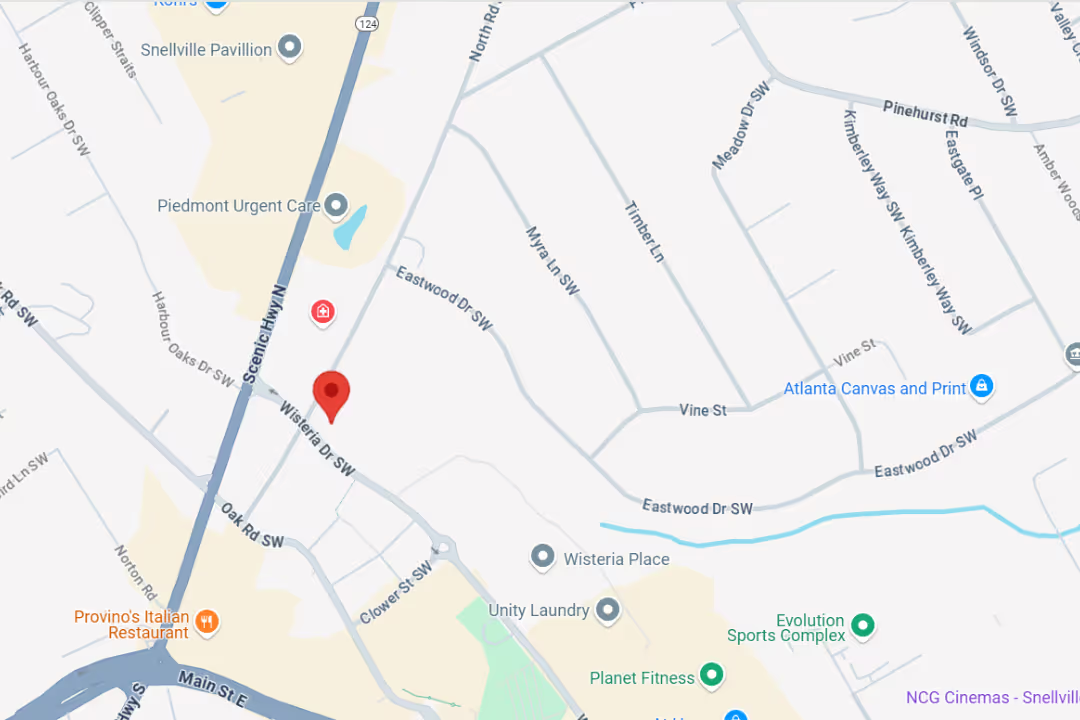
2220 Wisteria Dr, Unit 100, Snellville, GA 30078 | (470) 795-8398
Kennesaw Clinic
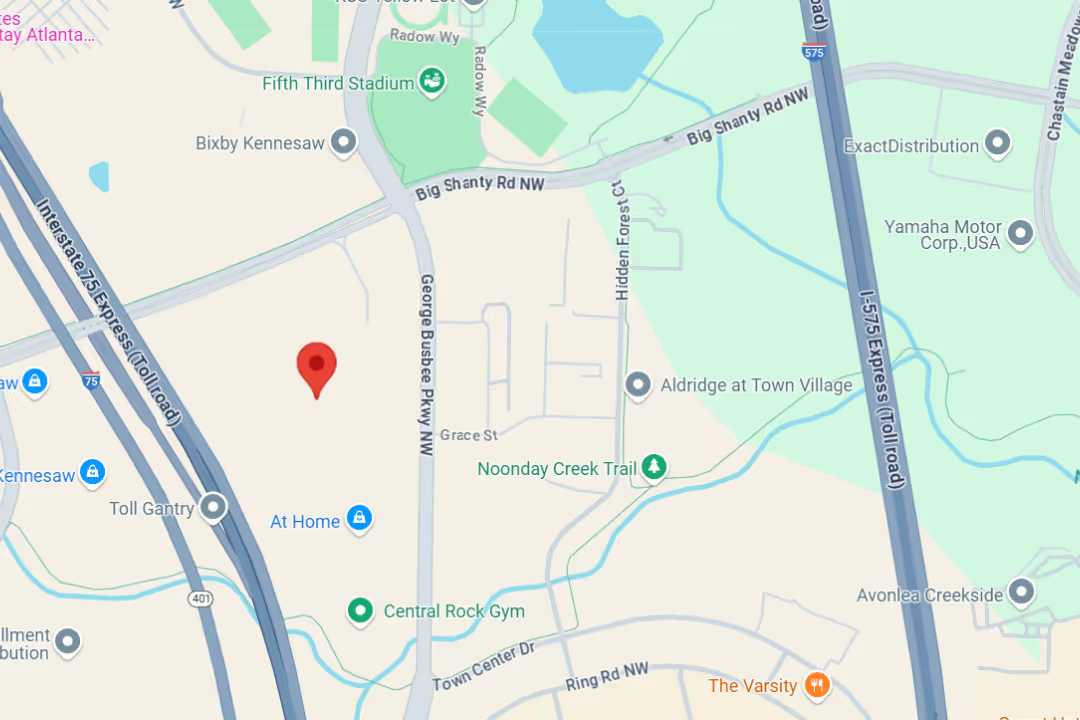
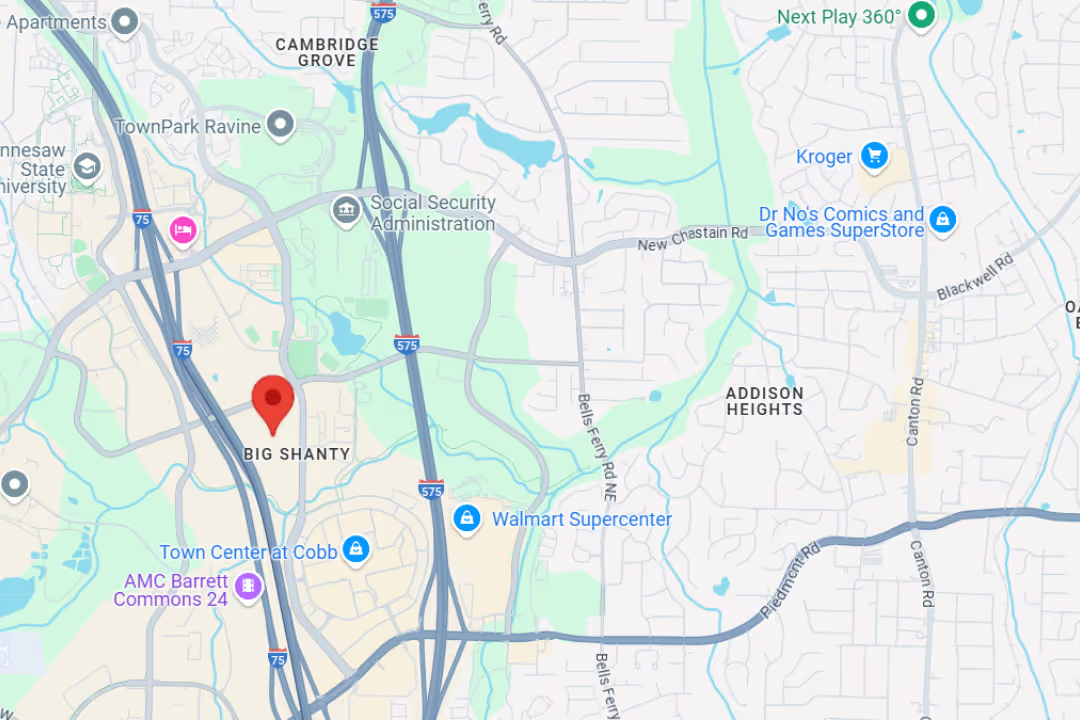
2911 George Busbee Parkway, Suite 50, Kennesaw, GA 30144 | (770) 545-6404
Snellville Clinic
2220 Wisteria Drive, Unit 101, Snellville, GA 30078 | (470) 645-9297
Buckhead PM&R
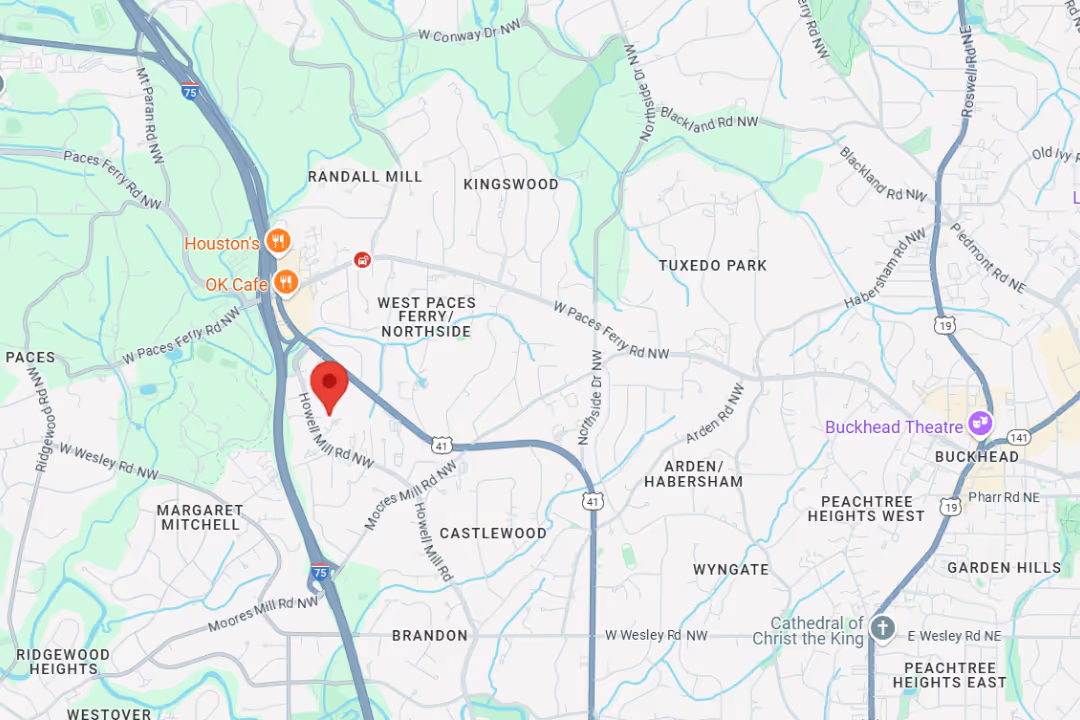
3200 Downwood Circle NW, Suite 520, Atlanta, GA 30327 | (770) 872-7549
At Medici, you’re more than your MRI.
We take time to hear your story, understand your pain, and create a plan that actually works for you.

Our team delivers specialist care at convenient locations across Metro Atlanta:
Get expert tips on injury recovery, pain relief, joint health, and movement strategies—straight from our Fellowship-Trained team.