Back pain has a way of spilling into everything—work productivity, sleep quality, parenting, exercise, and even mental well-being. When pain becomes persistent or keeps returning in “flare-ups,” it can feel like your body is negotiating every decision: Can I sit through this meeting? Can I lift my child? Can I make it through the grocery store without paying for it tonight?
The encouraging truth is that many cases improve with non-surgical, stepwise care. Modern pain management focuses less on “pushing through” and more on restoring function—using movement-based rehab, targeted therapies, and precise, minimally invasive options when appropriate. National guidance from the CDC emphasizes maximizing nonpharmacologic and nonopioid therapies whenever possible, especially for subacute and chronic pain.
At Medici Orthopaedics & Spine, our team helps patients across Georgia move from uncertainty to a clear plan—prioritizing minimally invasive, evidence-based, drug-sparing care designed to restore comfort, confidence, and quality of life.
The Best Non-Surgical Back Pain Treatments in Georgia
Personalized Physical Therapy and Corrective Exercise
Most back pain improves when you restore mechanics—how your spine, hips, and core share load. Corrective exercise reduces overload on irritated tissues and builds the “support system” your spine depends on.
What it includes:
- Mobility work (hips, thoracic spine, and gentle lumbar mobility when appropriate)
- Core stabilization (deep abdominal and spinal stabilizers—done correctly, not just “crunches”)
- Hip/glute strength (often the missing link in recurring low back pain)
- Posture retraining and movement coaching (hinge mechanics, lifting, sitting tolerance)
- Graded return to activity (progressing safely instead of boom-and-bust flare cycles)
Who benefits most:
- Mechanical low back pain (strain, posture overload, stiffness)
- Post-injury deconditioning
- Recurrent flare-ups from work, workouts, parenting, or long sitting
What to look for in Georgia PT:
- Truly individualized programs (not one template for everyone)
- Movement analysis (how you walk, squat, lift, bend)
- Clear home plan adherence strategy (the “between visits” plan is where long-term wins happen)
Manual Therapy and Myofascial-Focused Care
Options:
- Myofascial release
- Trigger point therapy
- Guided stretching and assisted mobility
- Therapeutic massage (sports-focused when needed)
Back pain often creates a protective spasm cycle—muscles tighten, movement shrinks, pain increases. Manual therapy reduces guarding, restores tissue glide, and improves range of motion so rehab can “stick.”
Best for:
- Muscle spasm cycles and persistent tightness
- Postural pain and sitting-related stiffness
- “Tight hips” and pelvic restriction contributing to low-back strain
Evidence-Based “Non-Heavy Med” Pain Relief Tools
Many people don’t need stronger medications to start improving—especially when the goal is to move better and heal, not just “numb it.”
High-yield options:
- Superficial heat for muscle spasm and stiffness (especially helpful in the morning or before activity)
- Targeted cold for acute inflammatory flare-ups after overdoing it
- Topicals (as appropriate) and other nonopioid strategies when needed
- Lifestyle levers that change pain sensitivity over time:
- Sleep (poor sleep amplifies pain processing)
- Stress regulation (tension increases guarding and nerve sensitivity)
- Hydration (supports tissue health and recovery)
- Anti-inflammatory nutrition (supports systemic healing)
Image-Guided Diagnostic and Therapeutic Injections
Think of injections as precision tools—they can reduce inflammation, calm nerve irritation, and sometimes help confirm the true pain source so you’re not guessing.
What, why, and when:
- Epidural steroid injections (ESI): commonly used for radicular pain/sciatica patterns where nerve irritation is a major driver
- Facet-mediated pain pathway:
- Medial branch blocks (diagnostic) → if positive, consider radiofrequency ablation (RFA) for longer-lasting relief in appropriate candidates
- SI joint injections: when SI joint is the primary pain generator (often mistaken for “low back” or “sciatica”)
- Trigger point injections: for stubborn myofascial pain that doesn’t release with hands-on therapy and rehab (when appropriate)
Minimally Invasive Interventional Spine Procedures
If pain persists after a strong foundation (PT + movement correction + appropriate conservative care) and the pain generator is confirmed, minimally invasive options may help you regain function with less downtime than traditional surgery.
Examples:
- Nerve modulation approaches in select patterns
- Minimally invasive decompression options for select patients (based on symptoms and imaging)
Goal:
Reduce pain, restore function, limit medication dependence, and shorten recovery time—while keeping care as conservative as possible.
Regenerative Medicine Options
What it aims to support:
Tissue health and pain reduction in select chronic back pain conditions—often alongside rehabilitation.
Candidate profiles:
- Chronic low back pain with degenerative changes
- Certain ligament/tendon contributions to instability
- Select disc/joint cases where the clinical picture supports it
Spinal Cord Stimulation for Refractory Chronic Pain
Best fit:
- Persistent neuropathic pain
- Post-surgical pain (failed back surgery syndrome)
- Chronic pain not responding to standard interventions
It modulates pain signaling rather than masking it—helping reduce the volume of pain messages reaching the brain.
What to expect:
A trial period first, followed by potential implant if the trial provides meaningful relief.
The Medici “Smart Pathway” for Non-Surgical Back Pain
Precision Evaluation
Most back pain plans succeed or fail right here. A strong evaluation doesn’t just label your pain—it maps it.
- Detailed history (pain pattern, triggers, neurologic symptoms): We listen for clues: Does pain worsen with sitting or standing? Does it travel down the leg? Does it feel sharp, burning, deep, or tight? What movements trigger it—bending, twisting, lifting, walking?
- Physical exam + functional testing: We evaluate strength, reflexes, sensation, joint movement, muscle tension, stability, gait, and how you perform real-life motions (like hinging, squatting, stepping, or balancing).
- Imaging only when clinically indicated: Not every back needs an MRI right away. Many imaging findings are “incidental” and may not be the pain source. We use imaging strategically when the exam and symptoms suggest it will change the plan.
Foundational Rehab
Most people improve when the foundation is rebuilt—because a painful back is often a deconditioned, overworked, or poorly supported back.
- PT + corrective exercise: Focused mobility, core stabilization, hip/glute strength, and movement retraining to reduce overload and rebuild control.
- Myofascial work and mobility: Releasing protective guarding and restoring tissue glide so movement becomes easier and less reactive.
- Home program + lifestyle supports: A clinic visit is valuable, but what you do consistently at home is what makes results durable—sleep quality, daily mobility habits, hydration, stress reduction, and ergonomic adjustments.
Targeted Interventions When Needed
If pain is persistent, severe, or clearly linked to a specific pain generator, we add precision tools—carefully and intentionally.
- Diagnostic blocks to confirm pain source: When we suspect facet joint pain, SI joint pain, or other specific sources, diagnostic blocks help confirm the driver so we can treat the correct structure.
- Image-guided injections for flare control or diagnostic clarity: In select cases—such as sciatica/radicular pain patterns—targeted injections can calm inflammation and help you progress in rehab.
- RFA, regenerative options, or neuromodulation based on response:
- RFA may be appropriate when facet-mediated pain is confirmed and responds to diagnostic blocks.
- Regenerative medicine may be considered for select chronic cases where tissue support and inflammation reduction align with the clinical picture.
- Neuromodulation (like spinal cord stimulation) can be an option for refractory chronic pain patterns when other strategies have not provided lasting relief.
Maintenance and Prevention
The finish line isn’t “pain is down today.” It’s staying better.
- Strength + mobility routine: A sustainable plan that fits your life—10–20 minutes most days can prevent recurrence.
- Ergonomics, weight management, and a flare-up plan: We help you set up your workday, lifting habits, and recovery habits so one busy week doesn’t undo months of progress.
- Return-to-sport/work conditioning: If your goal is getting back to golf, running, lifting, a physical job, or playing with your kids—conditioning is how you stay confident doing it.
Relief Can Be Real—and It Can Be Non-Surgical
Back pain can feel like it steals pieces of your life—your energy, your confidence, your patience, even your sleep. But for many people across Georgia, lasting improvement is possible without surgery. The right combination of rehabilitation, targeted therapies, and minimally invasive care can reduce pain, restore function, and help you get back to work, family life, and the activities that matter most.
If your pain is escalating, recurring, or starting to affect your mobility and mood, don’t try to self-diagnose or simply endure it. Early, accurate evaluation often shortens recovery time, prevents chronic patterns from setting in, and helps you avoid months (or years) of frustration. You deserve a plan that makes sense—and a team that takes your pain seriously.
Contact Medici Orthopaedics & Spine
🌐 Website: https://www.mediciortho.com/
📞 Main Contact: +1-844-328-4624
Ambulatory Surgery Centers
• Marietta – 792 Church Street, Unit 101, Marietta, GA 30060 | (470) 795-8398
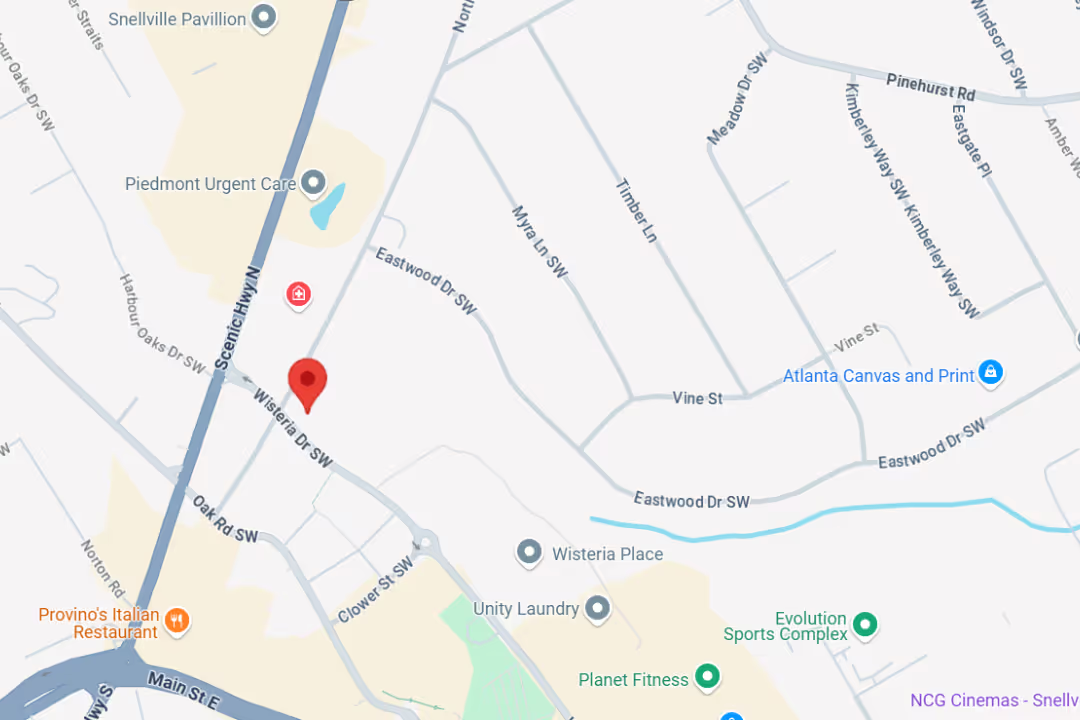
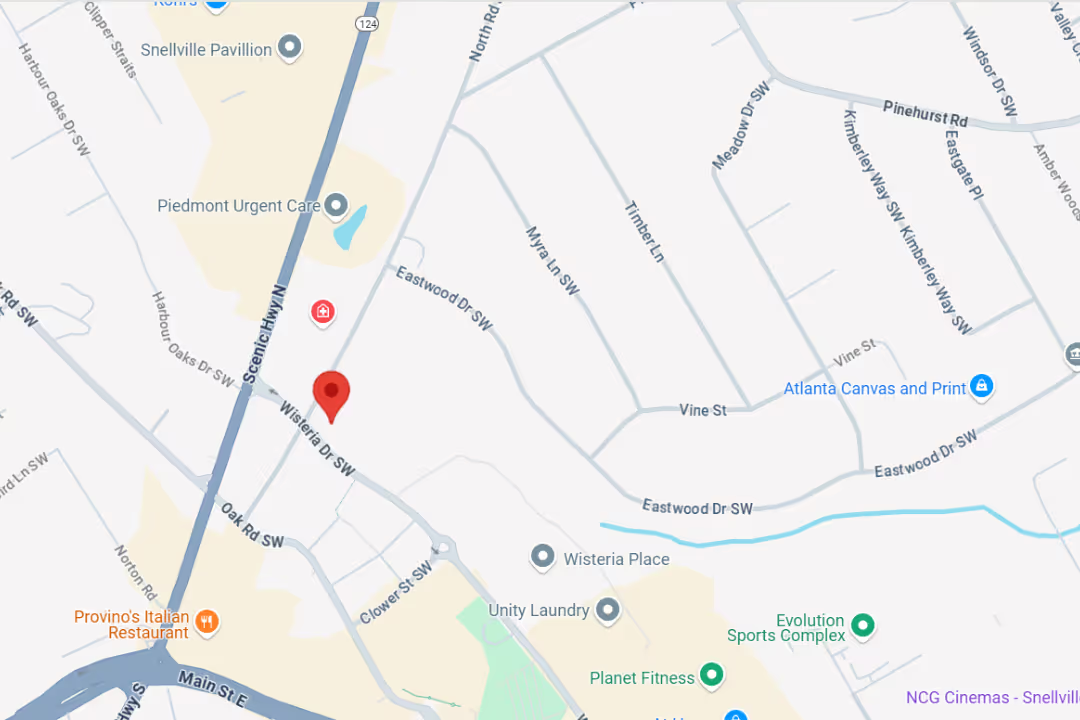
• Snellville – 2220 Wisteria Dr, Unit 100, Snellville, GA 30078 | (470) 795-8398
Clinics
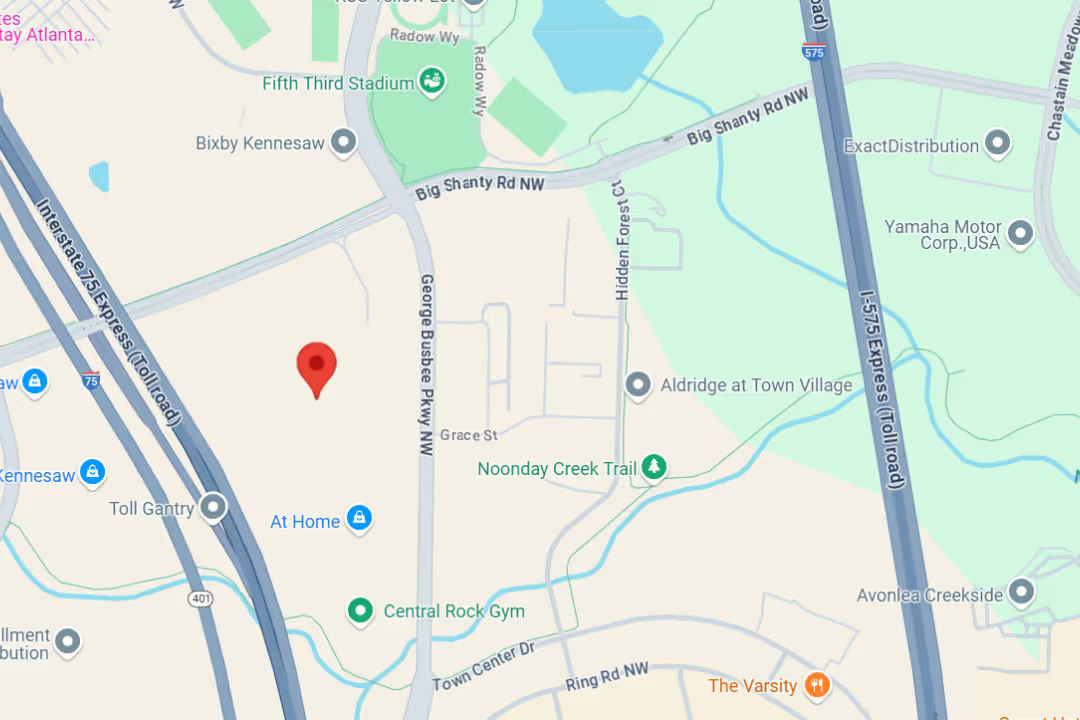
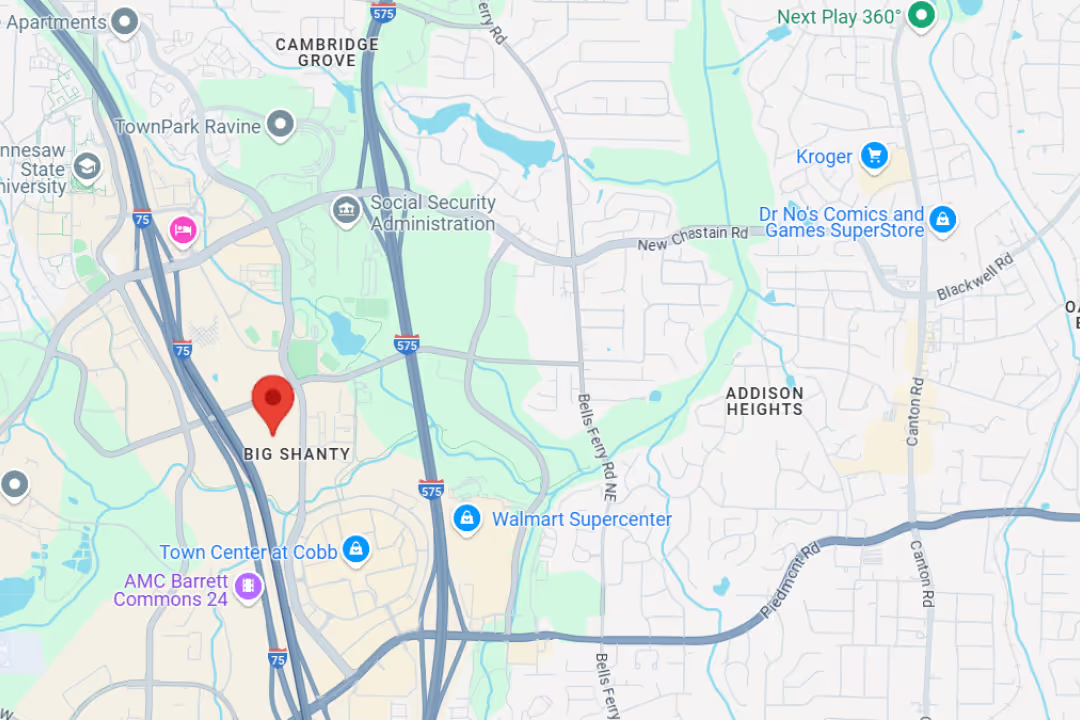
• Kennesaw – 2911 George Busbee Parkway, Suite 50, Kennesaw, GA 30144 | (770) 545-6404
• Snellville – 2220 Wisteria Drive, Unit 101, Snellville, GA 30078 | (470) 645-9297
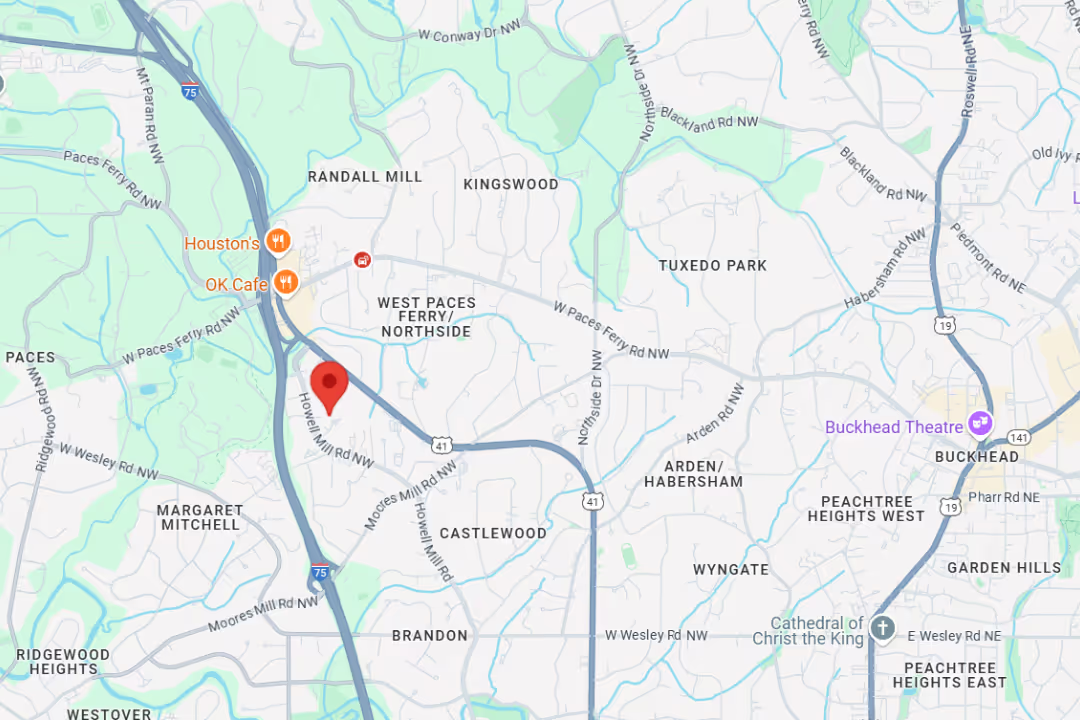
• Buckhead PM&R – 3200 Downwood Circle NW, Suite 520, Atlanta, GA 30327 | (770) 872-7549