Sciatic pain has a way of creeping into every part of your day. Sitting through work becomes unbearable. Sleep is interrupted by sharp jolts of pain. Even simple movements—standing up, bending over, walking across a room—can feel daunting. For many people, sciatica isn’t just uncomfortable; it’s life-disrupting.
The pain is often described as sharp, burning, electric, or radiating, traveling from the lower back or hip down through the buttock and into the leg or foot. Some days it’s a constant ache. Other days it flares suddenly, stopping you in your tracks. When that pain lingers or worsens, frustration quickly turns into fear—especially fear that surgery may be the only answer.
The good news is that surgery is not always necessary for sciatica relief. In fact, many patients find significant improvement through targeted, non-surgical treatments that address the underlying cause of nerve irritation. Understanding what sciatica truly is—and how it develops—is the first step toward effective, lasting relief.
Understanding Sciatica: More Than Just Back Pain
Sciatica isn’t a condition by itself—it’s a symptom of sciatic nerve irritation or compression. The sciatic nerve is the largest nerve in the body, originating in the lower spine and traveling through the hips, buttocks, and down each leg. When something puts pressure on this nerve or triggers inflammation around it, pain follows the nerve’s pathway.
Because the nerve travels such a long distance, sciatica often causes symptoms far from the actual source of the problem—leading many people to feel leg pain without realizing the issue begins in the spine or surrounding structures.
Common Causes of Sciatica
Several underlying issues can lead to sciatic nerve irritation, including:
- Herniated or bulging discs
When a spinal disc shifts or bulges outward, it can press directly on the sciatic nerve roots. - Spinal stenosis
Narrowing of the spinal canal can reduce space for nerves, leading to compression—especially with standing or walking. - Degenerative disc disease
Age-related wear and tear can change spinal alignment and stability, increasing nerve irritation over time. - Muscle tightness or inflammation
Tight or inflamed muscles—such as the piriformis—can irritate the sciatic nerve even without disc involvement.
5 Proven Non-Surgical Treatments
Targeted Physical Therapy & Corrective Exercise
Physical therapy is one of the most effective first-line treatments for sciatica when it’s done correctly and specifically for nerve-related pain. This is not about pushing through pain or doing generic exercises—it’s about guided movement that reduces pressure on the sciatic nerve while improving how the spine and surrounding muscles function.
Key components include:
- Guided movement to relieve nerve compression
- Specific positions and movements can reduce tension and inflammation around the sciatic nerve
- Gentle nerve-gliding techniques may help calm irritated nerve pathways
- Movements are adjusted based on symptom response—not forced progression
- Strengthening core and stabilizing muscles
- Weak core or pelvic muscles can place excess stress on the lower spine
- Strengthening improves spinal support and reduces repeated nerve irritation
- Focus is placed on control and endurance, not heavy resistance
- Improving posture, flexibility, and spinal mechanics
- Poor posture and limited mobility can worsen disc pressure and nerve compression
- Stretching tight muscles (hips, hamstrings, lower back) helps reduce strain
- Correcting movement patterns lowers the risk of flare-ups
- Gradual, symptom-guided progress
- Sciatica improves best when progression is slow and intentional
- Therapy is adjusted based on how your nerve responds day to day
- The goal is steady improvement without triggering setbacks
Interventional Spine Injections
For patients whose sciatica pain is severe, persistent, or limiting progress in therapy, interventional spine injections can play an important supportive role. These treatments are designed to reduce inflammation and create a window of relief so healing can occur.
Common options include:
- Epidural steroid injections
- Deliver anti-inflammatory medication directly around irritated nerve roots
- Reduce swelling and chemical inflammation that contribute to nerve pain
- Often used when disc herniation or spinal stenosis is involved
- Selective nerve root blocks
- Target a specific nerve believed to be causing symptoms
- Can provide both diagnostic insight and pain relief
- Helpful for pinpointing the exact source of sciatic pain
- Reducing inflammation around the sciatic nerve
- Less inflammation means reduced nerve sensitivity and pain signals
- Can improve tolerance for sitting, walking, and sleeping
- Often results in quicker functional improvement
- When injections are appropriate
- Pain is limiting daily activity or sleep
- Symptoms are not improving with rest or therapy alone
- Imaging or exam findings point to nerve compression
- How injections support rehab and healing
- Pain relief allows patients to participate more fully in physical therapy
- Helps break the pain–inflammation–guarding cycle
- Not a standalone solution, but a powerful tool when used strategically
Myofascial Release & Soft Tissue Therapies
Sciatica isn’t always caused by the spine alone. In many cases, tight or inflamed muscles surrounding the sciatic nerve can significantly worsen symptoms. Myofascial release and soft tissue therapies focus on reducing this tension, helping the nerve move and function more freely.
Key benefits include:
- Addressing muscle tension that worsens nerve irritation
- Chronic muscle tightness can compress or irritate the sciatic nerve
- Releasing restricted tissue helps decrease pressure and improve comfort
- Reduces the “pulling” sensation that often triggers flare-ups
- Treating piriformis-related sciatic pain
- The piriformis muscle sits close to the sciatic nerve in the buttock
- When tight or inflamed, it can mimic or contribute to true sciatica
- Targeted therapy can significantly reduce buttock and leg pain
- Improving mobility and circulation
- Increased blood flow supports healing and reduces inflammation
- Improved tissue mobility allows for smoother movement patterns
- Helps restore normal range of motion without aggressive stretching
- Reducing flare-ups and muscle guarding
- When pain decreases, the body stops “bracing” against movement
- Less guarding leads to fewer spasms and more consistent progress
- Supports long-term symptom control when combined with exercise therapy
Medication Management
Medication can be a helpful tool in managing sciatica—but it works best when used strategically and temporarily, not as a long-term crutch. The goal is to reduce pain enough to allow healing and active treatment to move forward.
A conservative medication approach includes:
- Short-term symptom relief to allow healing
- Calming inflammation or nerve irritation can improve mobility and sleep
- Reduced pain helps patients participate more fully in physical therapy
- Often used during acute flare-ups rather than indefinitely
- Avoiding long-term dependence on opioids
- Opioids do not treat the underlying cause of sciatica
- Long-term use increases risks without improving long-term outcomes
- Focus remains on restoring function—not masking pain
- Thoughtful use of anti-inflammatories or nerve-related medications
- Medications are chosen based on symptom type (inflammatory vs. nerve pain)
- Lowest effective dose is used to minimize side effects
- Prescriptions are tailored to the individual—not standardized
- Regular reassessment to minimize side effects
- Ongoing monitoring ensures medications are still helping
- Adjustments are made as symptoms improve
- Many patients are able to reduce or discontinue medications as recovery progresses
Advanced & Regenerative Therapies
For some patients, sciatica is influenced by underlying orthopedic issues—such as disc degeneration, joint instability, or soft tissue injury—that benefit from more advanced support. In these cases, regenerative and advanced therapies may be considered as part of a comprehensive, non-surgical approach.
These options are used selectively, not routinely, and only when they align with the patient’s condition and goals.
Key considerations include:
- Supporting healing in discs, joints, or soft tissue
- Addressing contributing structural issues can reduce ongoing nerve irritation
- Improved tissue health may help calm the nervous system over time
- These therapies aim to support the body’s natural healing processes
- Regenerative medicine options for contributing orthopedic issues
- May be considered when imaging and exam findings identify treatable sources
- Often used to support joints, ligaments, tendons, or degenerative changes
- Not a stand-alone solution, but part of a layered care strategy
- Hyperbaric oxygen therapy as an adjunct for inflammation and recovery
- Increases oxygen delivery to tissues, which may support healing and reduce inflammation
- Some patients pursue it to help with recovery plateaus or chronic inflammation patterns
- Typically combined with other therapies for best results
- Used selectively as part of a comprehensive plan
- Not every patient needs advanced or regenerative care
- Best outcomes occur when these therapies are matched carefully to the right situation
- Always integrated with physical therapy, movement correction, and conservative care
Real Relief Without Surgery Is Possible
The most effective approach to sciatica relief is least-invasive, personalized care—care that takes your symptoms, lifestyle, and goals into account. When treatment is tailored to the individual and adjusted as the body responds, many patients are able to restore movement, reduce flare-ups, and regain confidence in their daily activities. With the right plan, sciatica does not have to control your life.
If you’re struggling with sciatica and want relief without surgery, the team at Medici Orthopaedics & Spine is here to help. Our physicians specialize in identifying the true cause of sciatic nerve pain and creating personalized, minimally invasive treatment plans designed to get you moving again—safely, confidently, and with long-term results in mind.
Contact Medici Orthopaedics & Spine
📞 Main Appointment Line: 1-844-328-4624
🌐 Website: https://www.mediciortho.com
Clinics
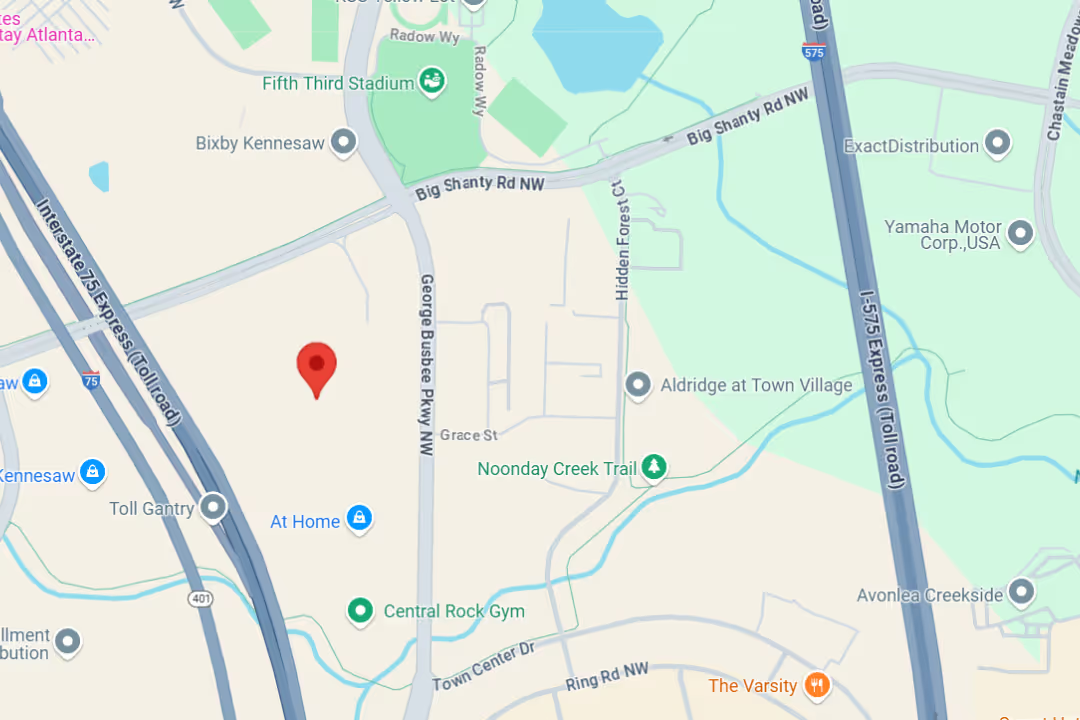
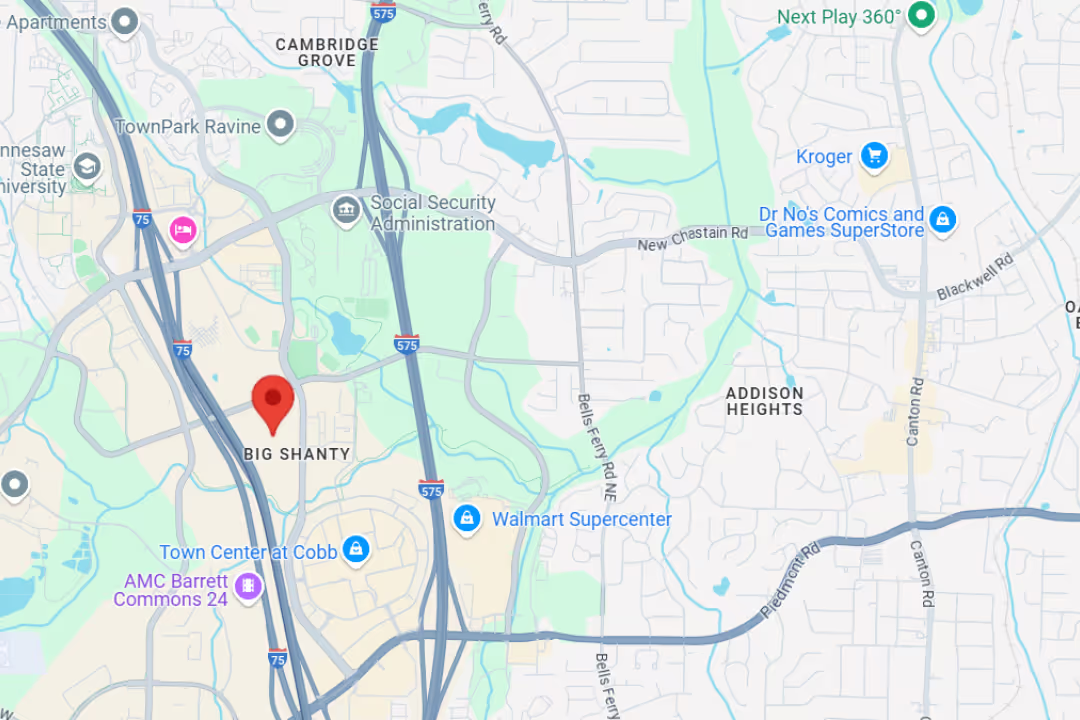
- Kennesaw:
2911 George Busbee Parkway, Suite 50, Kennesaw, GA 30144
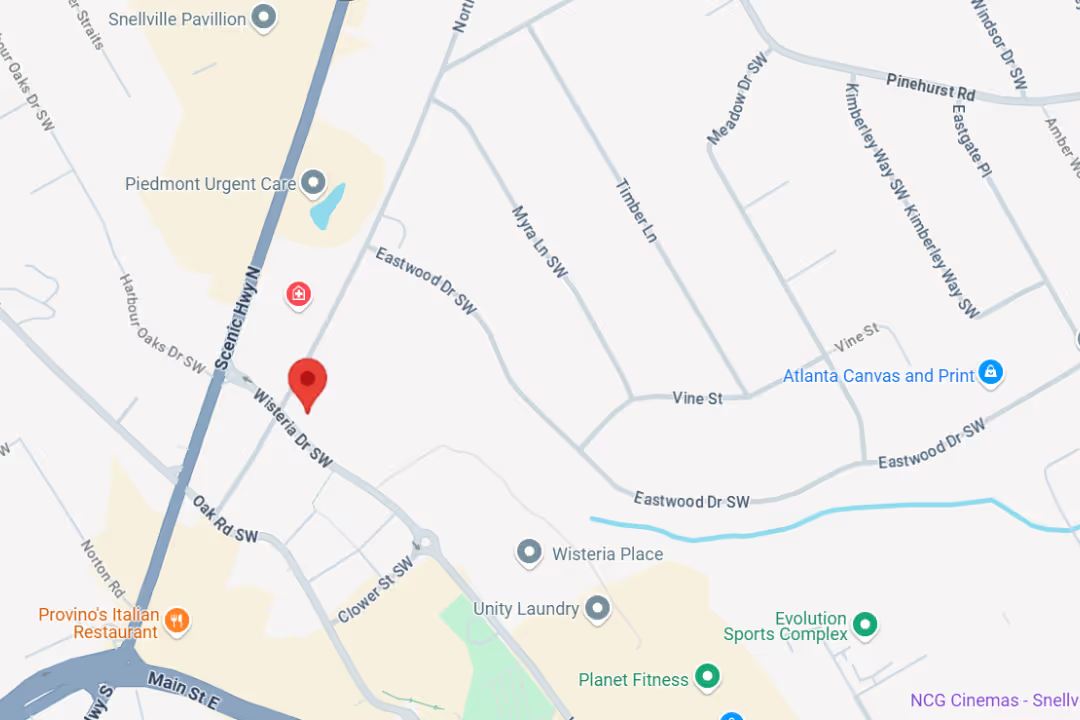
(770) 545-6404 - Snellville:
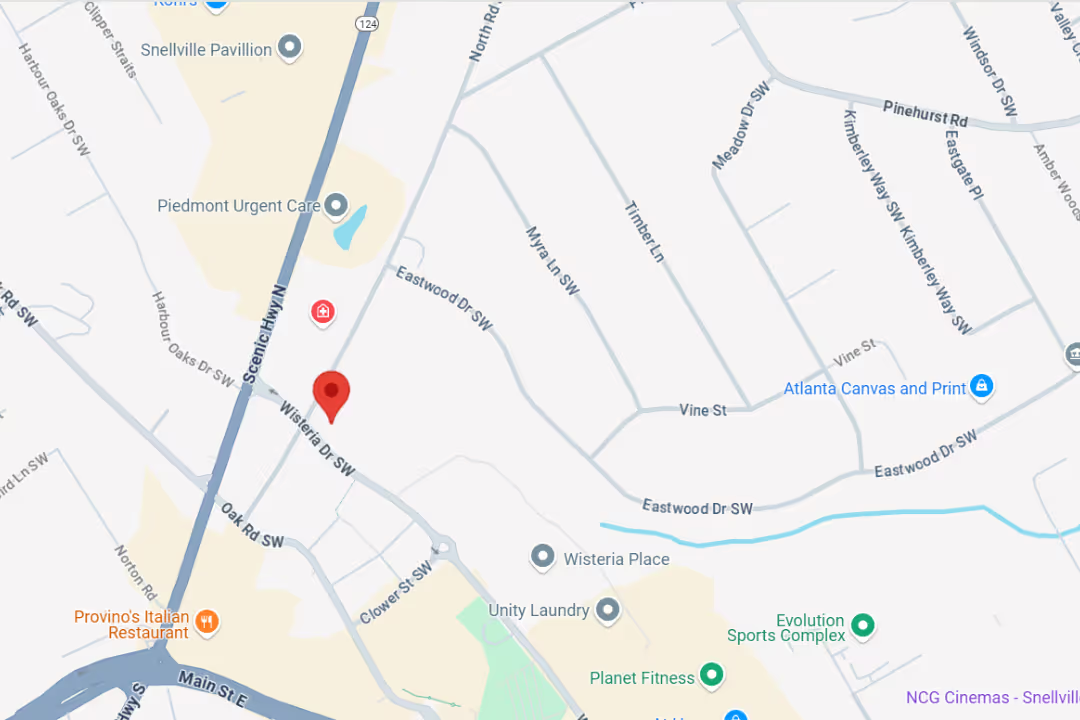
2220 Wisteria Drive, Unit 101, Snellville, GA 30078
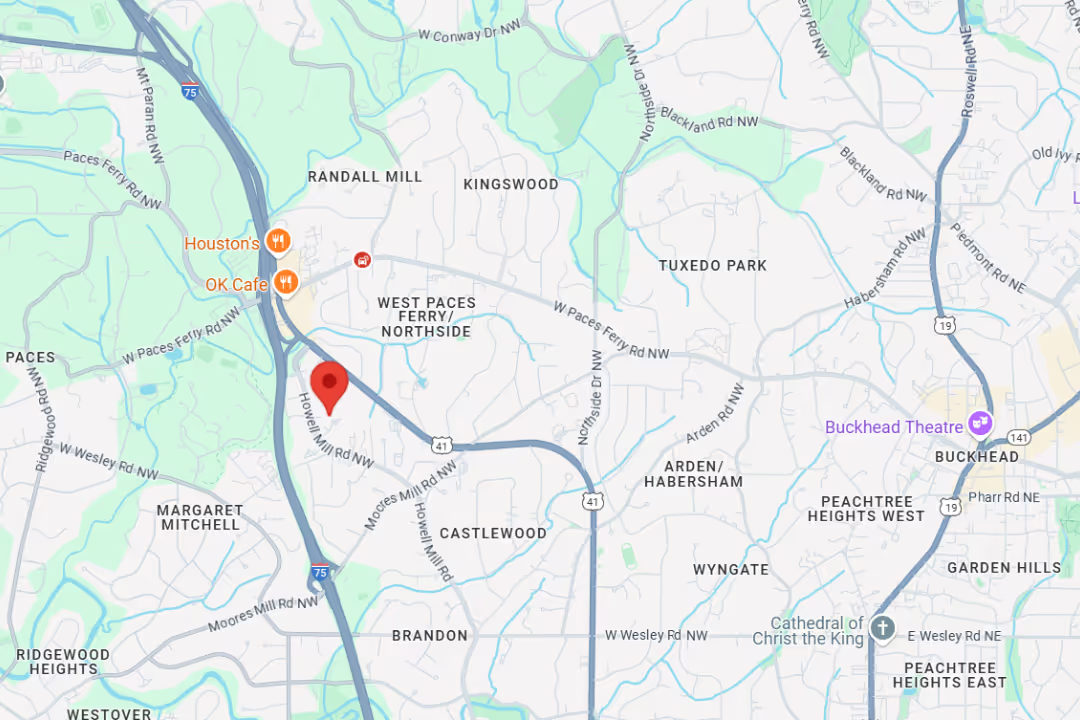
(470) 645-9297 - Buckhead PM&R:
3200 Downwood Circle NW, Suite 520, Atlanta, GA 30327
(770) 872-7549