If you’ve ever experienced lower back pain, you’re not alone. In fact, low back pain is one of the most common reasons adults miss work, limit their activity, or seek medical attention. Whether it strikes suddenly after lifting something heavy or develops slowly from years of sitting, this type of pain can deeply impact every aspect of daily life — from walking the dog to getting a restful night’s sleep.
Your lumbar spine, or lower back, is the foundation of your body’s support system. It bears much of your weight, allows you to bend, twist, and move freely, and protects critical nerves that branch into your hips, legs, and feet. When this area becomes injured or inflamed, the resulting pain can range from a dull ache to sharp, radiating discomfort that disrupts even simple tasks.
At Medici Orthopaedics & Spine, we believe that most back pain deserves a chance to be treated conservatively — using methods that are non-invasive, drug-free, and focused on restoring your body’s natural balance and movement. Physical therapy plays a vital role in this approach. When done correctly and guided by skilled clinicians, it can reduce pain, rebuild strength, and prevent future flare-ups — all while helping you return to the activities you love.
So before assuming surgery or medication are your only answers, it’s worth exploring how strategic, evidence-based physical therapy can transform your recovery journey.
When back pain lingers long after an injury heals, the culprit is often not just the muscles — but the fascia, a thin layer of connective tissue that surrounds and supports every muscle and organ in your body. Over time, this tissue can become tight, restricted, or develop adhesions that limit mobility and cause chronic discomfort.
That’s where myofascial release therapy comes in. This gentle, hands-on technique involves applying sustained pressure to specific areas of tension within the fascia. Unlike deep tissue massage, which focuses on muscles, myofascial release works on the connective web that holds everything together — helping to release restrictions, improve flexibility, and restore pain-free movement.
Why It’s Underrated
Many patients (and even some clinicians) tend to overlook myofascial release in favor of traditional stretching or standard massage therapy. However, these methods often address only surface-level tightness. By contrast, myofascial release reaches the deeper restrictions that can silently limit mobility and contribute to postural imbalances, recurring stiffness, and chronic pain in the lumbar spine.
Benefits
The lumbar spine relies on a network of deep muscles — including the transverse abdominis, multifidus, pelvic floor, and diaphragm — that work together to stabilize the body during movement. When these muscles weaken or stop firing properly (which often happens after injury, surgery, or long periods of inactivity), the spine loses its natural support system. This instability can lead to ongoing pain, stiffness, and even new injuries.
Lumbar stabilization therapy focuses on re-educating these deep stabilizers through slow, controlled movements and precise activation patterns. Instead of large, strenuous exercises, this approach teaches your body how to move efficiently — re-establishing the communication between your core and spine.
Why It’s Underrated
Too often, patients (and even some fitness programs) skip over this foundational step, jumping straight into general strengthening or stretching routines. However, without a stable core, those efforts can be counterproductive. Think of it like building a house — no matter how beautiful the exterior, if the foundation is weak, cracks will eventually form.
Benefits
Neuromuscular re-education uses specialized exercises and techniques to restore proper movement patterns, coordination, and muscle activation. Rather than simply strengthening a muscle group, this therapy focuses on how those muscles engage — helping the body “unlearn” bad habits developed through pain or dysfunction. Through controlled repetition and mindful movement, the nervous system begins to reestablish optimal communication, allowing muscles and joints to move in sync again.
Why It’s Underrated
Many people mistake neuromuscular re-education for traditional exercise, but the two are very different. Basic exercise builds strength and endurance, while neuromuscular re-education targets the neural control behind movement — the connection that tells your muscles when and how to activate. After an injury or surgery, these signals often become disrupted, leading to compensations that perpetuate pain.
Benefits
Manual traction and joint mobilization involve a therapist using their hands to apply gentle, controlled stretching or movement to the spinal joints. Unlike mechanical traction devices, manual traction allows for a more personalized, responsive approach — the therapist can adjust pressure, angle, and direction in real-time based on how your body reacts. This helps decompress the spinal discs, relieve nerve irritation, and restore normal joint motion without the use of drugs or invasive procedures.
Joint mobilization works by moving the vertebrae and surrounding structures through their natural range of motion, helping to reduce stiffness, improve flexibility, and promote circulation in areas that have become restricted.
Why It’s Underrated
Because manual traction has been around for decades, some patients assume it’s an “old-school” method — one that modern technology has replaced. In reality, it remains one of the most effective and immediate ways to relieve lower back tension and restore spinal health when performed by skilled professionals.
Benefits
Proprioception is your body’s ability to sense its position, balance, and movement in space — an internal feedback system that tells you where your limbs are without looking. When the lumbar spine or surrounding muscles are injured, this system can become impaired, leading to poor coordination, instability, and stiffness.
Proprioceptive and functional movement training restores this awareness through targeted exercises that challenge your balance, stability, and movement control. These exercises go beyond traditional strengthening — they simulate real-world activities like bending, reaching, or lifting, helping your body relearn how to move naturally and safely.
Why It’s Underrated
Many people focus solely on pain relief, assuming that once pain subsides, the problem is solved. However, true recovery requires retraining how your body moves. Without restoring proprioception, the risk of re-injury remains high because your body hasn’t relearned proper movement mechanics.
Benefits
Physical therapy for the lumbar spine is far more than simple stretching or exercise — it’s a precise blend of science, skill, and strategy. Each technique used at Medici Orthopaedics & Spine is designed to help your body heal naturally, rebuild strength intelligently, and restore movement with confidence.
From releasing tight fascia and retraining the deep core to re-establishing brain-muscle communication and refining balance, our approach goes beyond symptom relief. We focus on identifying and correcting the root cause of your pain, helping you move better, live better, and prevent future flare-ups. That’s what makes Medici’s care unique — we don’t just treat pain, we restore lives.
At Medici Orthopaedics & Spine, we are committed to optimally restoring your quality of life using the most advanced, least invasive, and least drug-dependent methods available today. Our personalized care plans are designed not only to relieve pain but to help you move with freedom and confidence again.
Contact Medici Orthopaedics & Spine today to schedule your consultation and discover how our customized physical therapy programs can help you regain strength, mobility, and confidence.
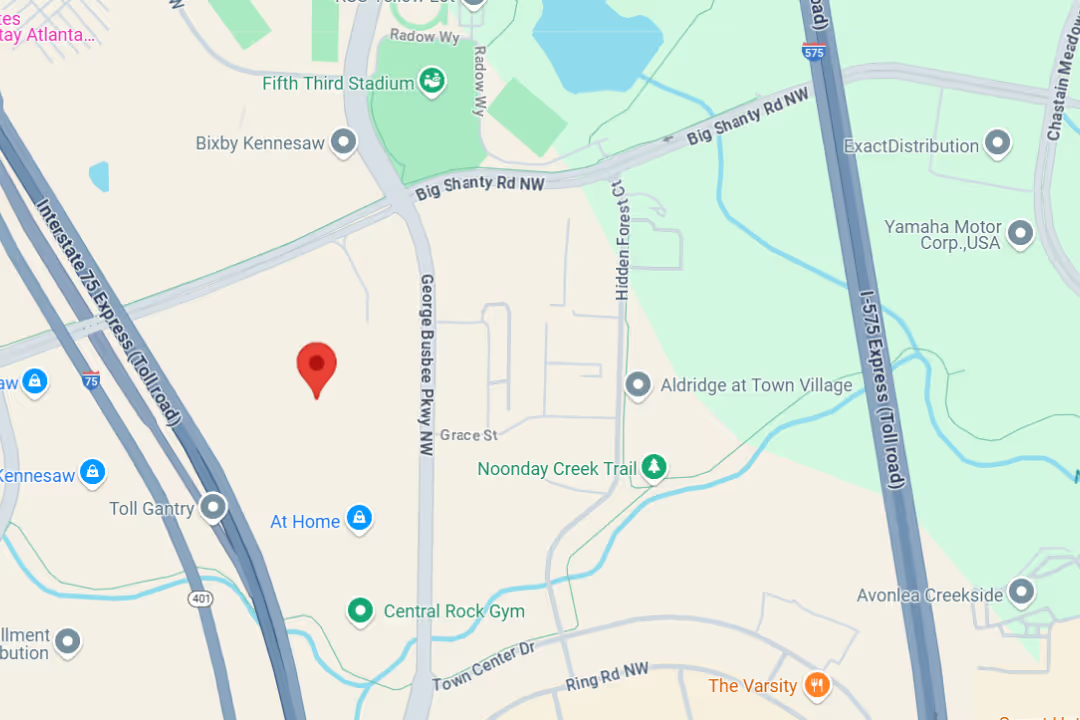
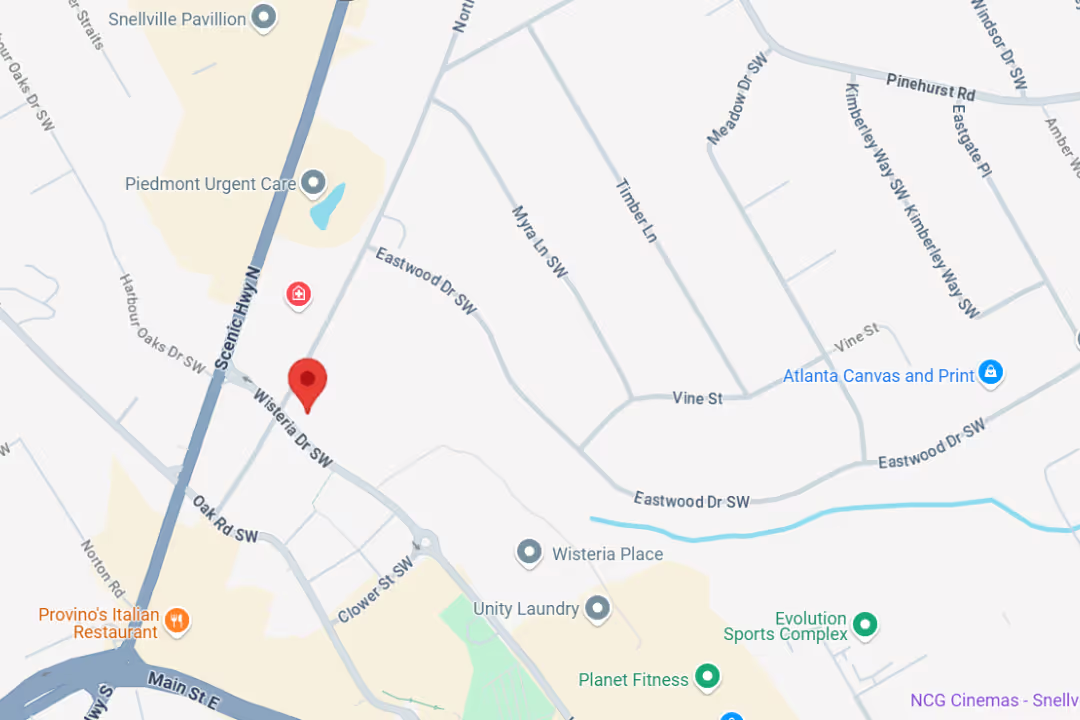
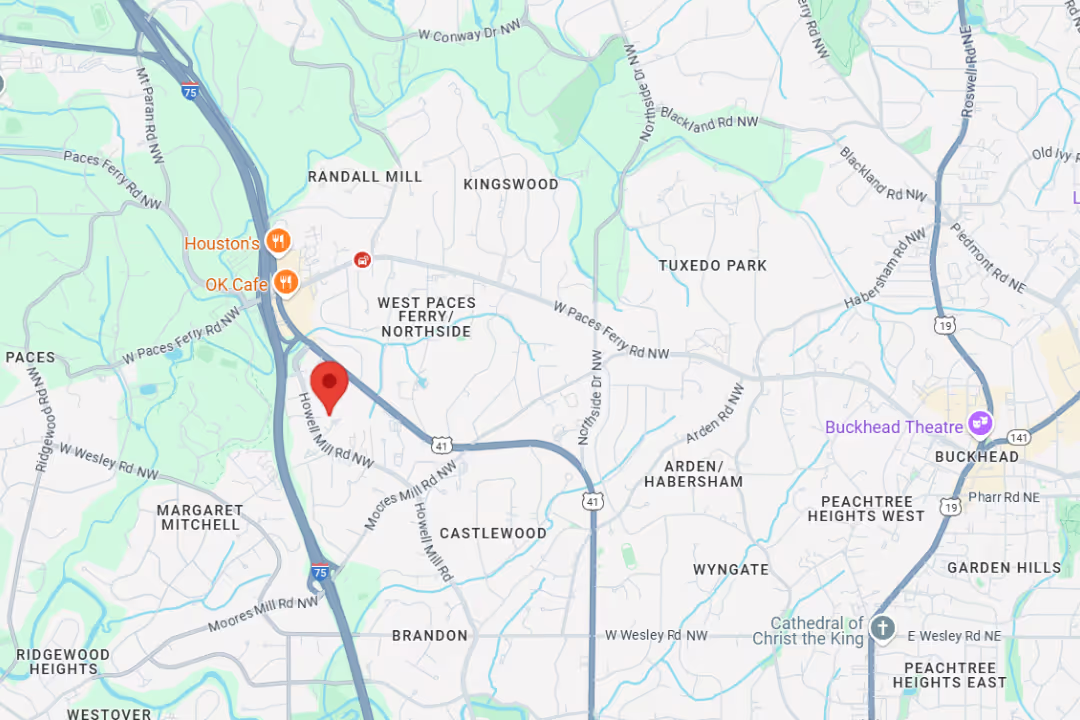
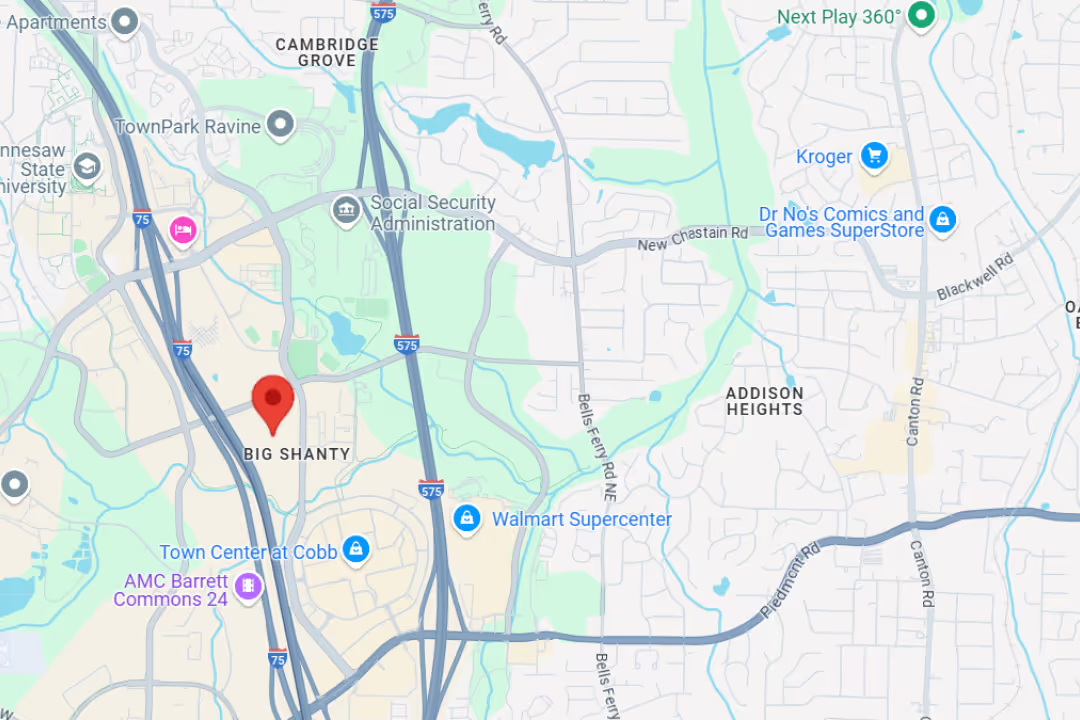
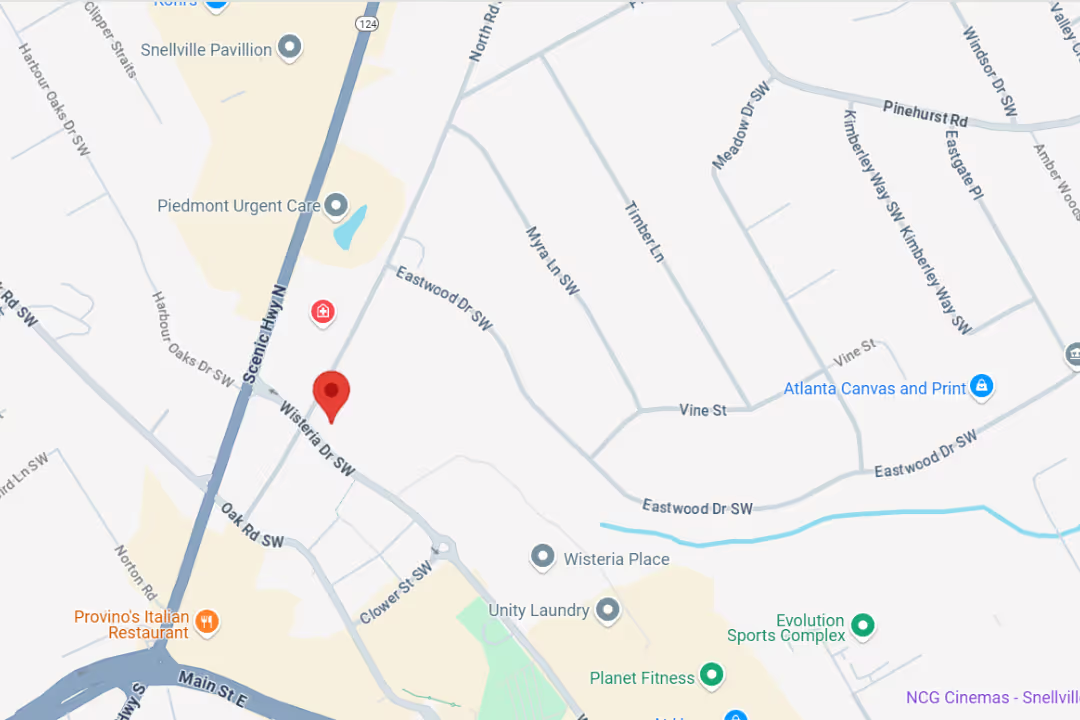
📍 Locations:
📞 Call us at +1-844-328-4624 🌐 Visit MediciOrtho.com to schedule your appointment.
At Medici, you’re more than your MRI.
We take time to hear your story, understand your pain, and create a plan that actually works for you.

Our team delivers specialist care at convenient locations across Metro Atlanta:
Get expert tips on injury recovery, pain relief, joint health, and movement strategies—straight from our Fellowship-Trained team.