There’s a big difference between feeling “a little stiff” and realizing pain is starting to shape your entire day. Maybe you’re driving along I-75 or I-285, and halfway through the commute that familiar burn creeps into your neck or lower back. Maybe you’re on your feet all day in retail, healthcare, construction, or a classroom, and by the afternoon you can feel pain sliding down your leg with every step.
At some point, everyday life sends a clear message: it’s time to get answers. Certain patterns of pain, weakness, and limitation are your body’s way of waving a red flag. Recognizing those signals and involving a spine specialist early can prevent a manageable problem from becoming a life-altering one.
If you’ve had back or neck pain for more than 4–6 weeks despite rest, stretching, and simple measures, it’s time for a closer look. The same is true if you:
Spine-related nerve pain often doesn’t stay in one spot. Warning signs include:
Spine issues can affect how well your muscles work. Red flags include:
If pain is making it hard to:
…it’s a sign that your spine needs focused help. Avoiding movement out of fear can actually worsen the problem over time.
If you’ve already tried:
…and you’re still struggling, or your primary care physician has reached the limit of what they can offer, a spine specialist can usually take you further with more advanced diagnostics and treatment options.
Contact emergency services or seek immediate medical attention if you experience:
Spine pain combined with whole-body symptoms also needs prompt attention, especially if you notice:
Seek immediate evaluation if your spine pain began after:
In urgent situations, spine specialists play a key role in:
Your visit doesn’t start with tests; it starts with a conversation. Your specialist will ask about:
Next comes a hands-on exam. This isn’t about “poking where it hurts” and moving on—it’s a systematic evaluation of how your spine and nervous system are functioning. It typically includes:
Imaging is important—but it’s not automatically the first step for everyone. At Medici Orthopaedics & Spine, tests are ordered when they’re truly needed, based on your history and exam. These may include:
Some patients may also benefit from nerve studies (EMG/NCS), which measure how well nerves are communicating with muscles. This can help clarify whether symptoms are coming from the spine, a peripheral nerve, or another source.
Interventional injections are targeted treatments designed to deliver medication directly to the problem area instead of throughout your entire system. Common options include:
At Medici Orthopaedics & Spine, these treatments are performed in our ambulatory surgery centers in Marietta and Snellville, using real-time imaging for precision and safety. Most patients go home the same day and can return to light activities quickly, often with enough relief to participate more fully in physical therapy and daily life.
Regenerative approaches aim to support the body’s own healing processes, especially in ligaments and soft tissues that help stabilize the spine. Treatments like prolotherapy involve carefully placed injections intended to stimulate a controlled healing response in areas such as:
These therapies are best suited for carefully selected patients and are often combined with physical therapy, exercise, and other conservative treatments. At Medici, your provider will walk you through whether you’re a good candidate and how regenerative options might fit into your overall plan.
Spine pain often has a strong muscular and fascial component. Tight, overworked muscles and trigger points can amplify pain or even mimic disc or joint problems.
Myofascial release and sports massage focus on:
These hands-on therapies can:
At Medici, myofascial and massage techniques are integrated into broader treatment plans—not treated as stand-alone quick fixes.
Medication can still play an important role in advanced spine care—without relying on long-term opioids. Depending on your situation, your Medici provider may consider:
Every medication choice is grounded in a careful review of your medical history, current medications, and risk factors. The goal is to use the lowest effective dose, for the shortest necessary time, as part of a larger, non-opioid strategy.
In select cases, additional treatments such as hyperbaric oxygen therapy may be considered to support healing. By increasing the amount of oxygen delivered to tissues, this therapy may help certain patients recover from chronic injuries or inflammation more effectively.
These supportive therapies are not used in isolation—they’re integrated into a comprehensive pain management plan that might also include PT, injections, and lifestyle modifications, depending on what your specific condition calls for.
Persistent neck or back pain has a way of taking up more and more space in your life. It can change how you move, what you agree to do, and even how you see your future. But ongoing pain, worry, and guesswork don’t have to be permanent fixtures. When a spine specialist takes a careful look at what’s going on, questions like “Is this serious?” and “What can I actually do about it?” start to have clear, practical answers.
At Medici Orthopaedics & Spine, the guiding focus is simple: optimally restore your quality of life using advanced, personalized spine care that is as minimally invasive and as least drug-dependent as modern medicine allows. If your spine has been holding you back, we’re ready to help you move toward the next chapter with more confidence and less pain.
At Medici, you’re more than your MRI.
We take time to hear your story, understand your pain, and create a plan that actually works for you.

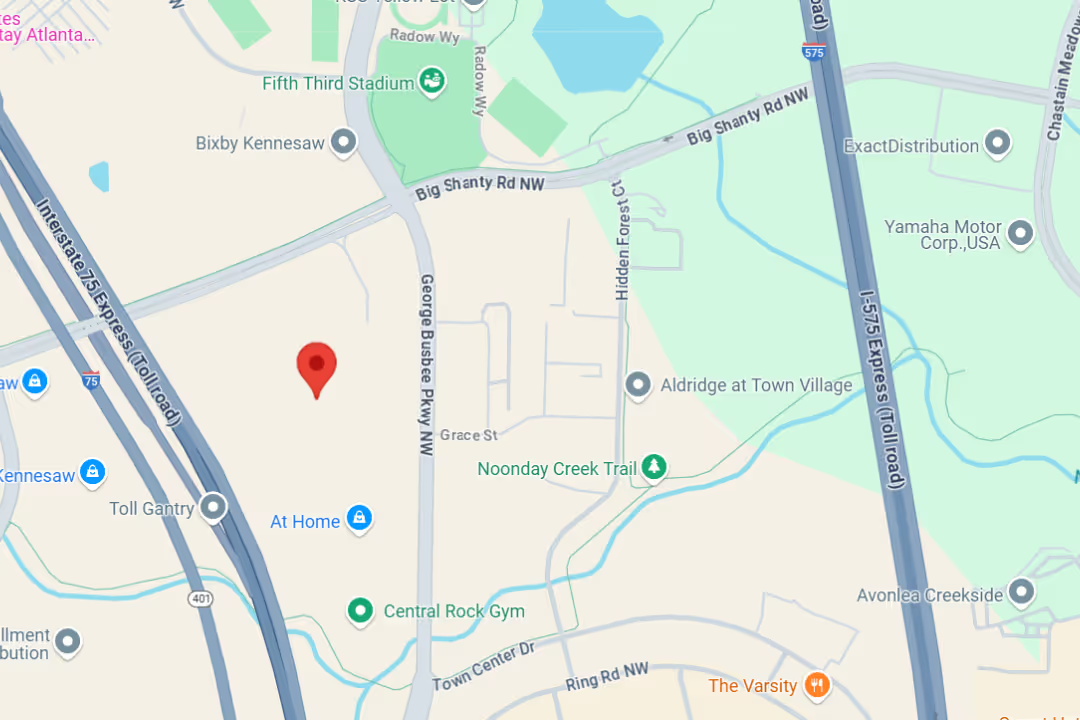
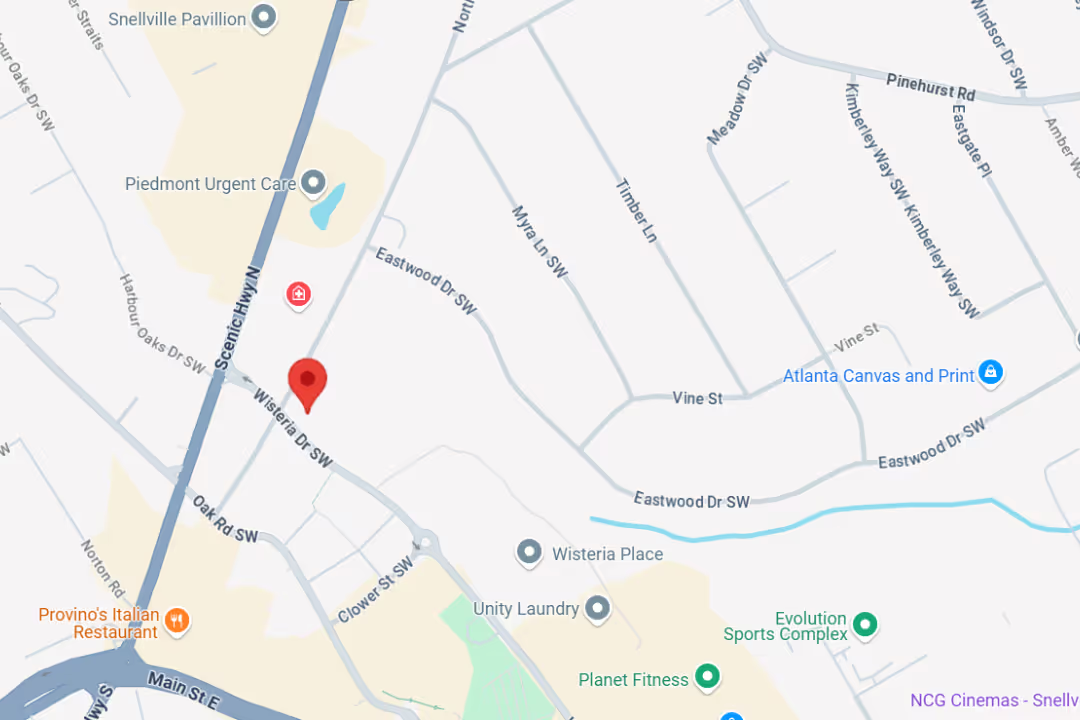
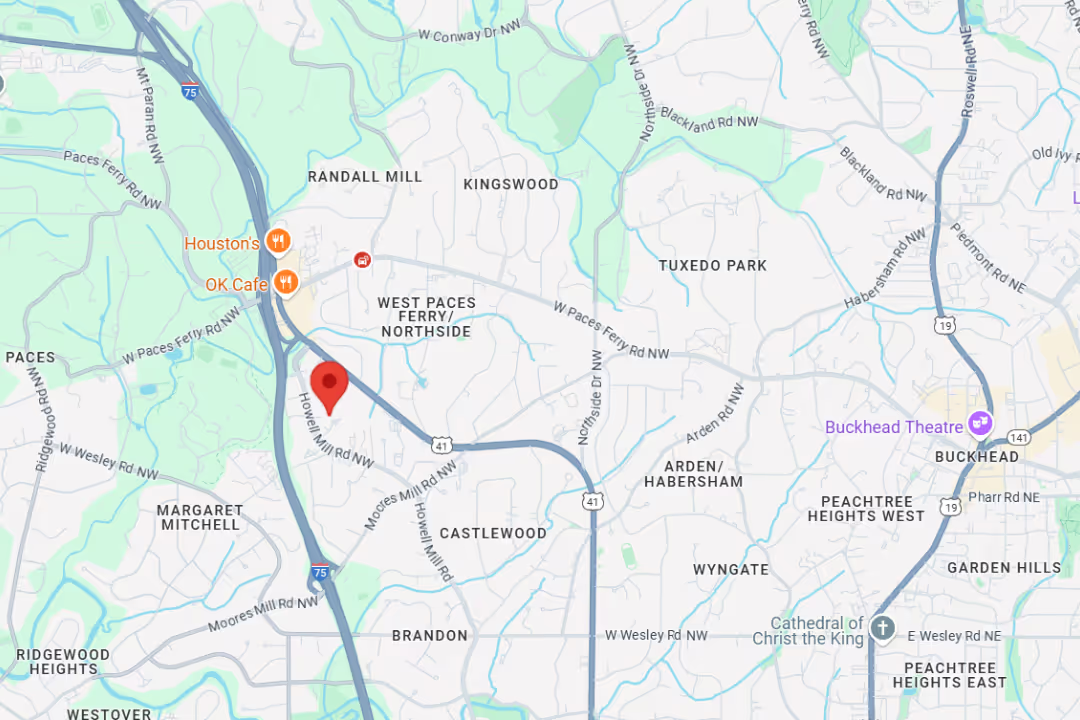
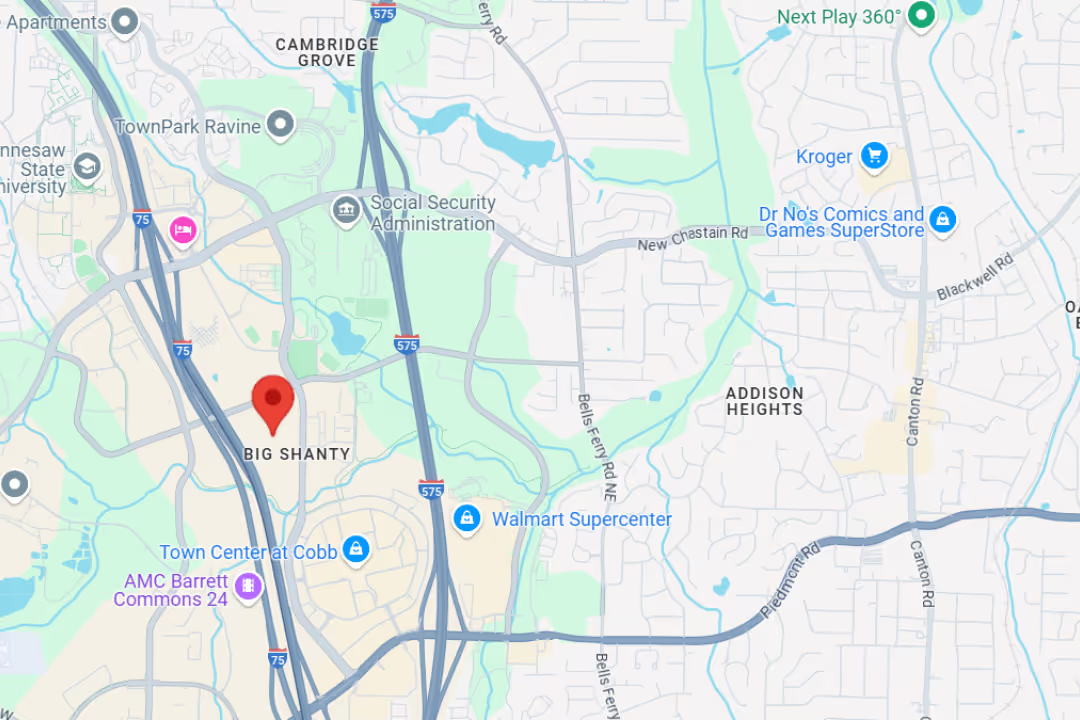
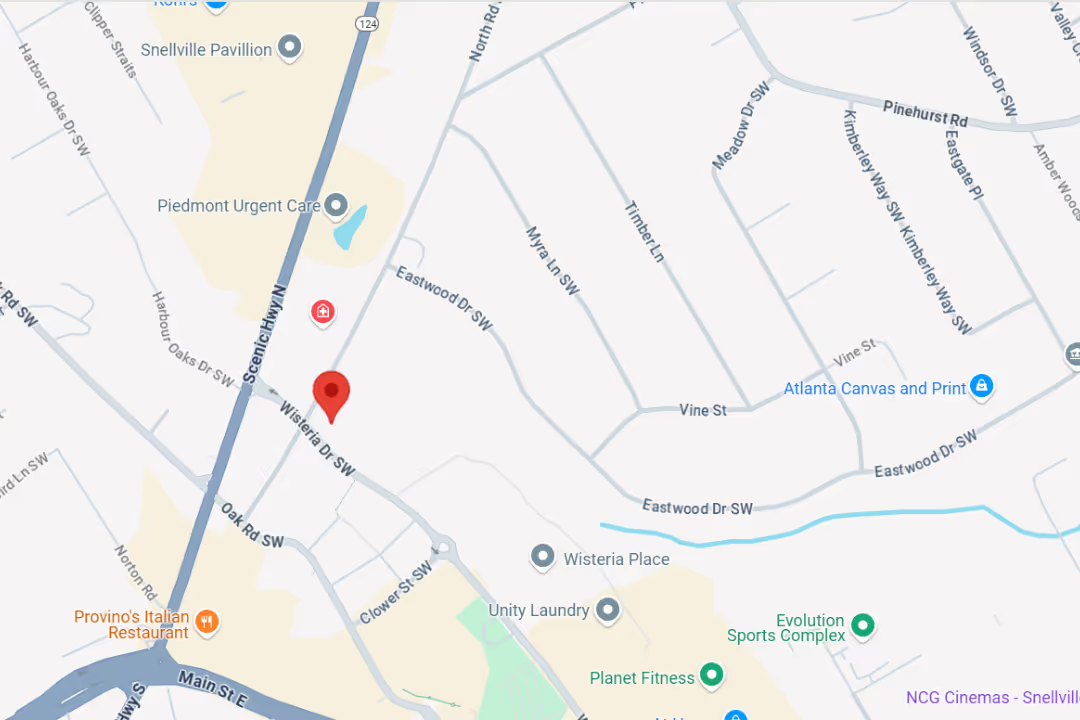
Our team delivers specialist care at convenient locations across Metro Atlanta:
Get expert tips on injury recovery, pain relief, joint health, and movement strategies—straight from our Fellowship-Trained team.